
The Wailing Wall in Jerusalem — History & Facts
Did the painter know this moment would outlive them? The essence of grief, palpable and haunting, lingers in the shadows of time, echoing the sorrows of countless souls. Look to the left at the weary figures huddled together, their faces etched with a profound sadness that transcends the confines of the canvas. Notice how the warm, golden hues of the setting sun illuminate the ancient stones of the Wailing Wall, casting elongated shadows that stretch toward the horizon, symbolizing a yearning for solace. The careful layering of paint captures the texture of the stone, while delicate brushstrokes breathe life into the mourners, inviting you to witness their quiet lament. Beneath the surface of this scene lies a poignant exploration of collective memory and individual grief.
Each figure, unique in their sorrow, shares a connection that transcends generations, revealing not only personal loss but also a communal history intertwined with faith and longing. The contrast between the warm light and the cold stone creates an emotional tension, suggesting a dichotomy of hope amidst despair, urging the viewer to contemplate the weight of their own losses. In 1879, while living in Dresden, the artist created this work amidst a Europe grappling with the consequences of wars and cultural upheaval. The late 19th century was a time ripe with artistic exploration and innovation, yet Werner chose to reflect on timeless themes of sorrow and devotion.
This choice reveals his deep connection to the historical and spiritual significance of Jerusalem, as well as his awareness of the broader human experience of grief.
More Artworks by Carl Friedrich Heinrich Werner
Browse all →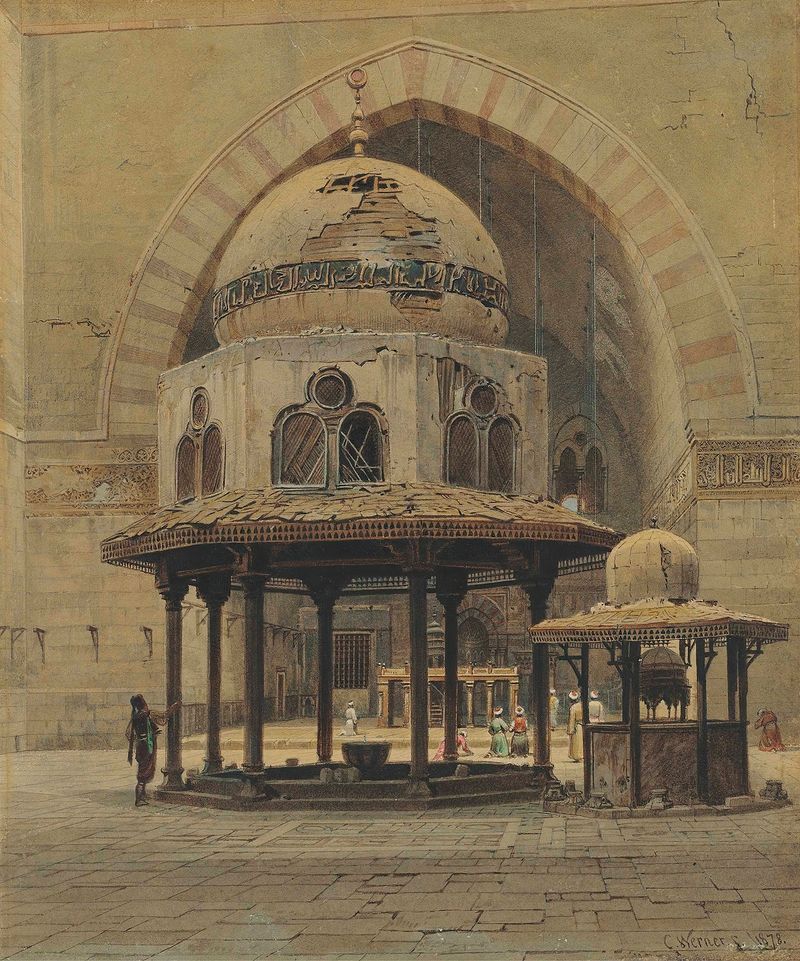
Mosque of Sultan Hassan, Cairo
Carl Friedrich Heinrich Werner
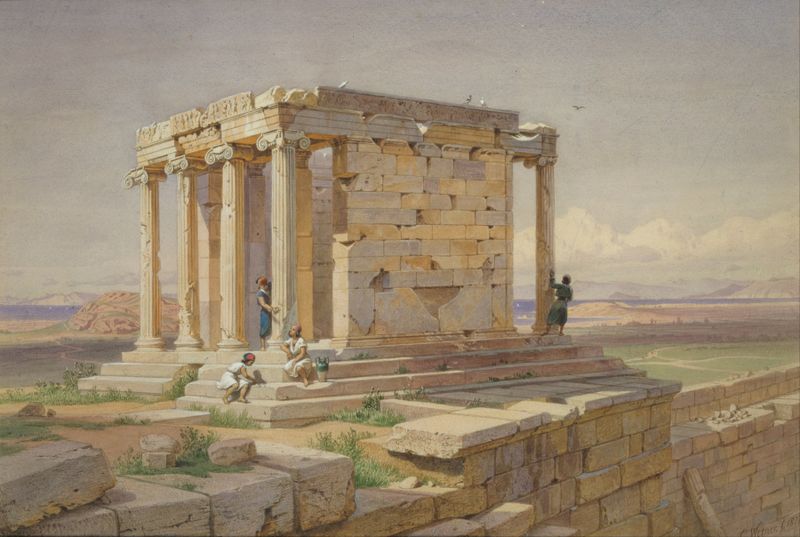
The Temple of Athena Nike. View from the North-East
Carl Friedrich Heinrich Werner
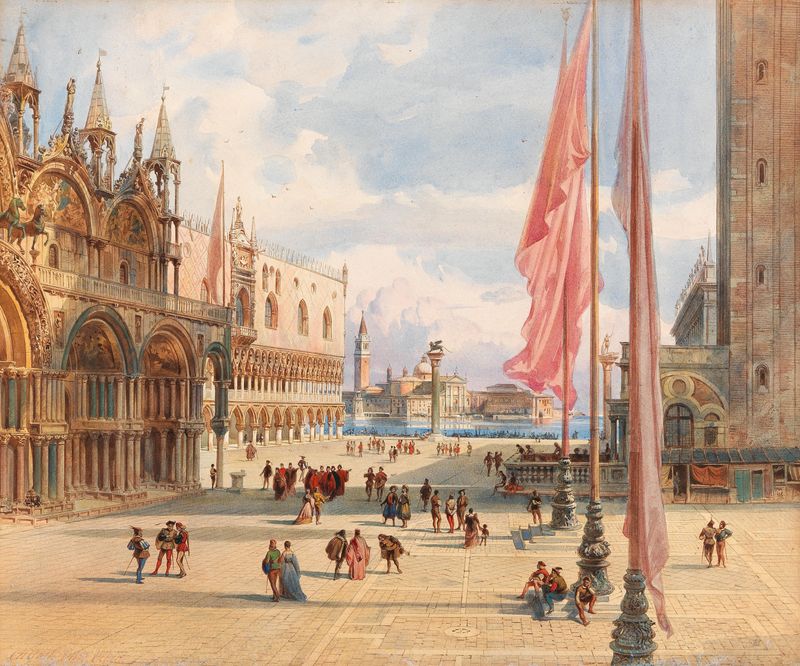
Marcus Square In Venice
Carl Friedrich Heinrich Werner

Canal Grande and Rialto Bridge
Carl Friedrich Heinrich Werner
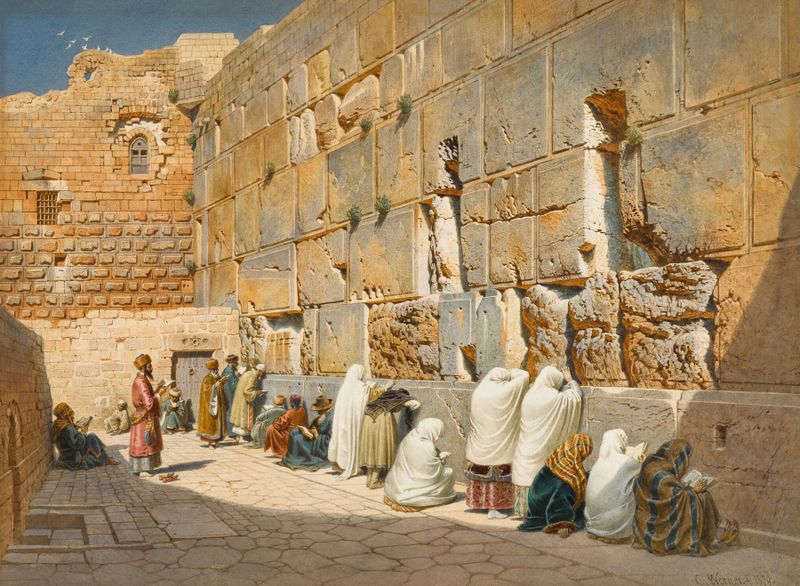
The Wailing Wall, Jerusalem
Carl Friedrich Heinrich Werner
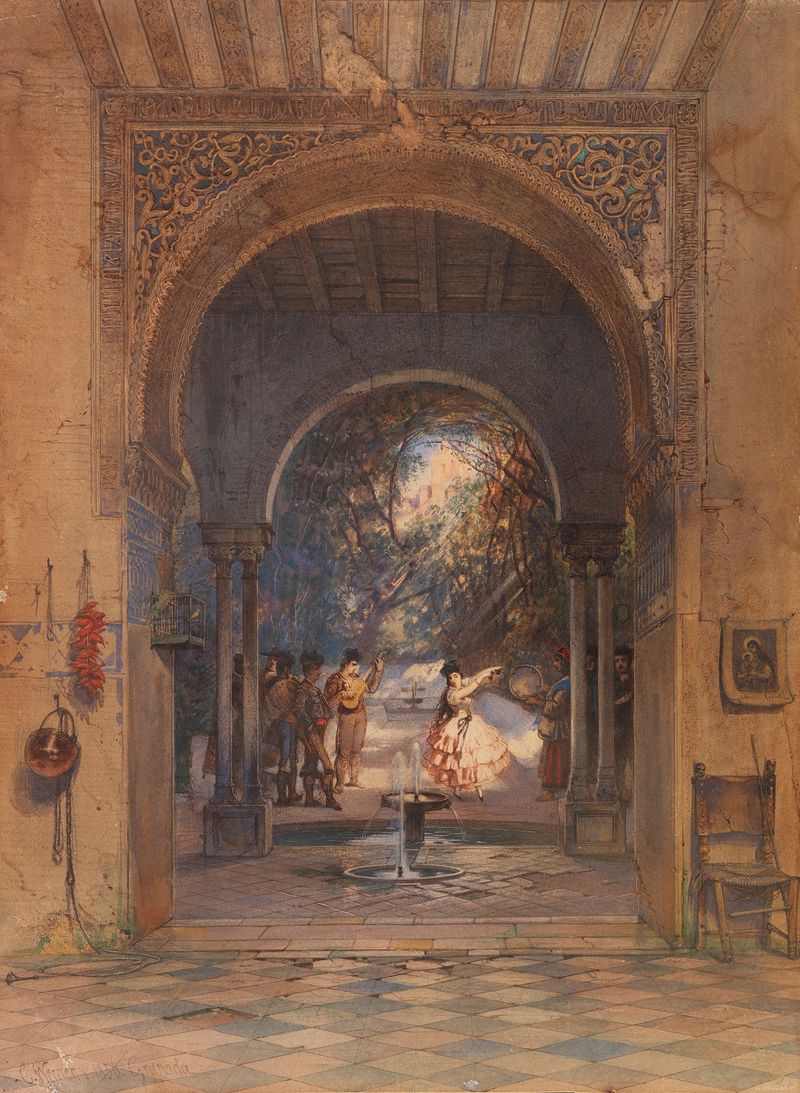
Kastagnettentänzerin in der Alhambra in Granada
Carl Friedrich Heinrich Werner
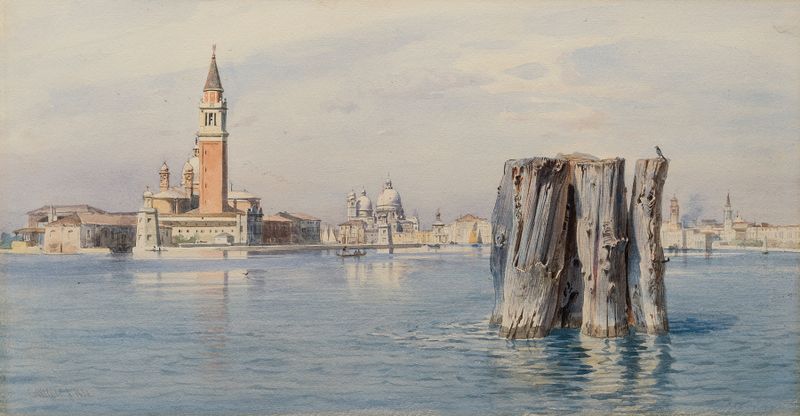
Ansicht von San Giorgio Maggiore und Santa Maria della Salute in Venedig
Carl Friedrich Heinrich Werner
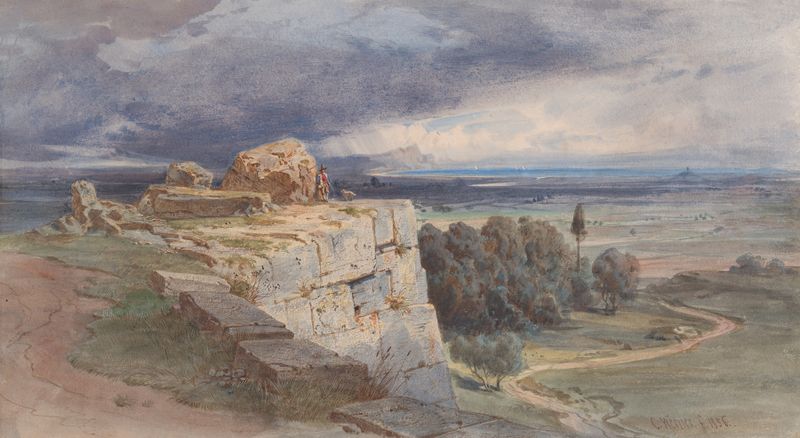
View of Norba from the North, towards San Felice Circeo
Carl Friedrich Heinrich Werner
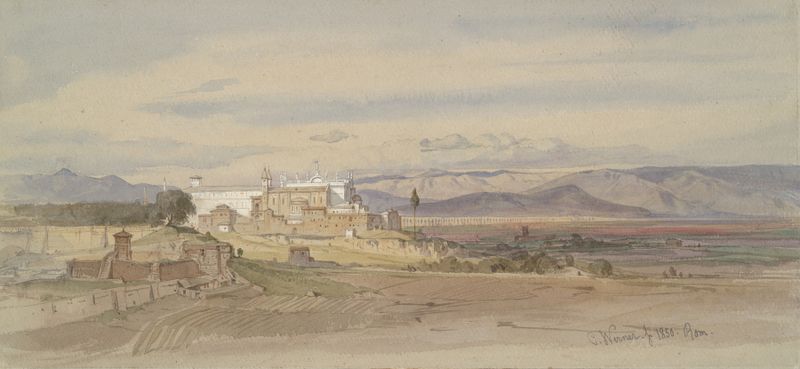
Roman Landscape with San Giovanni in Laterano
Carl Friedrich Heinrich Werner

Die Casa de Meleagro in Pompeji
Carl Friedrich Heinrich Werner
More Religious Art
Browse all →
The Return of the Prodigal Son
Rembrandt van Rijn

The Garden of Earthly Delights
El Bosco

Count Orgaz’ funeral
El Greco

The Hundred Guilder Print: the central piece with Christ preaching, the plate arched
Rembrandt van Rijn

The Descent from the Cross
Rogier van der Weyden

The return of the prodigal son
Rembrandt van Rijn