
The Wailing Wall, Jerusalem — History & Facts
In the shadows of Jerusalem, echoes of dreams intertwine with the whispers of history, inviting contemplation. Look to the left at the myriad of textures in the ancient stones, their surfaces etched with the marks of time and devotion. The artist plays with light, illuminating certain sections with a gentle warmth that contrasts against the cooler, shadowed crevices. The muted palette evokes a sense of reverence, while the earthy tones ground the viewer in the solemnity of the site, making the vibrant greens of the foliage feel like a breath of life amidst the weight of stone. Upon closer examination, the juxtaposition of the vibrant prayer notes with the desolate stone background evokes the tension between hope and despair.
Each folded piece of paper represents a personal prayer, a dream cast into the vastness, while the wall stands as a steadfast reminder of the past, seemingly indifferent to individual longings. This duality creates an emotional resonance, as one ponders the weight of collective memory against the fragility of individual aspiration. In 1879, the artist painted this piece during a period of vibrant exploration within the Romantic movement, capturing not only the physical essence of the Wailing Wall but also the spiritual turbulence of the time. Living in Germany, he closely followed avant-garde trends while remaining deeply rooted in the historical significance of his subjects, showcasing his commitment to bridging the natural world with profound emotional narratives.
More Artworks by Carl Friedrich Heinrich Werner
Browse all →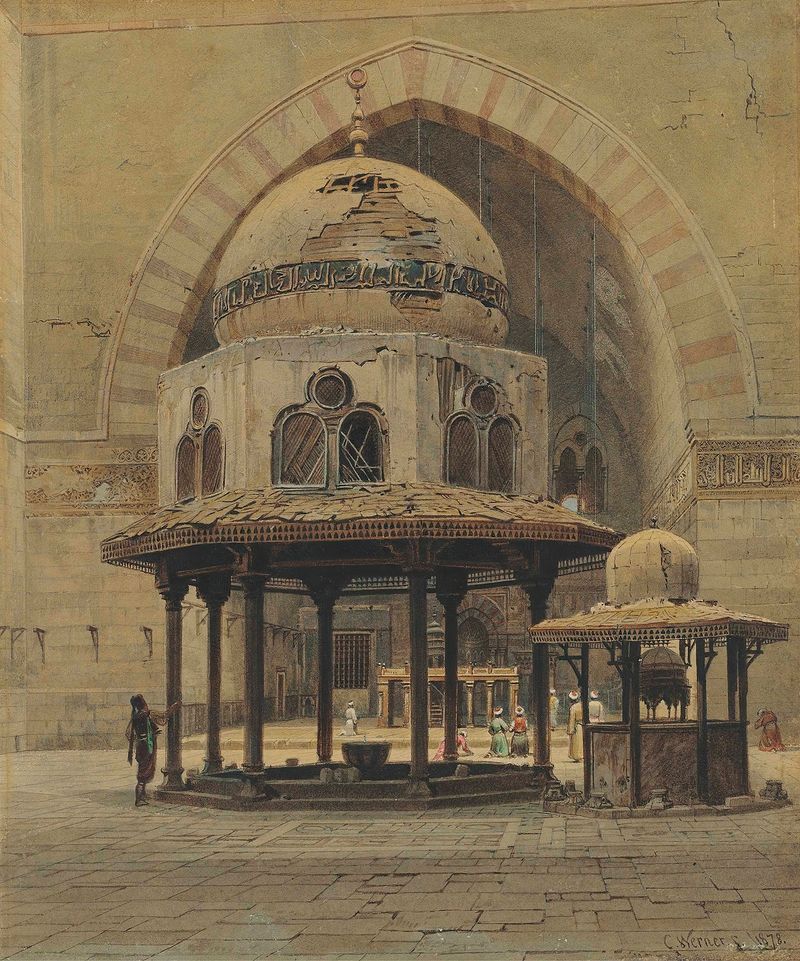
Mosque of Sultan Hassan, Cairo
Carl Friedrich Heinrich Werner
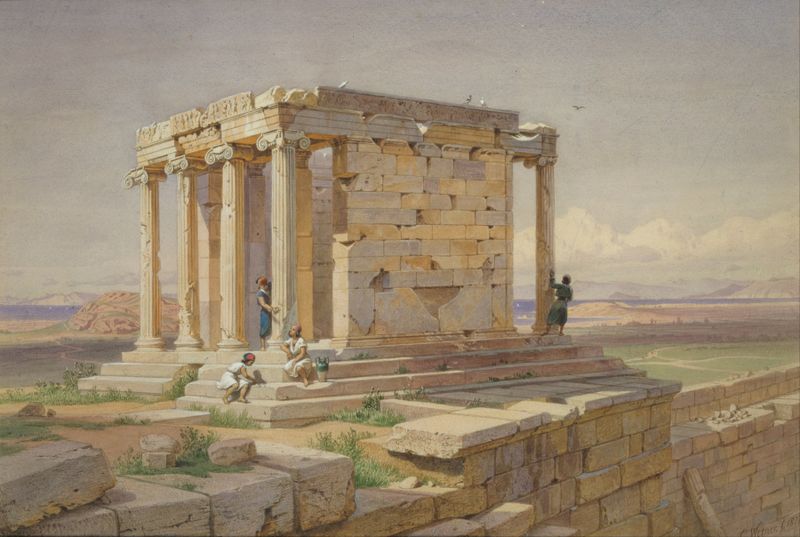
The Temple of Athena Nike. View from the North-East
Carl Friedrich Heinrich Werner
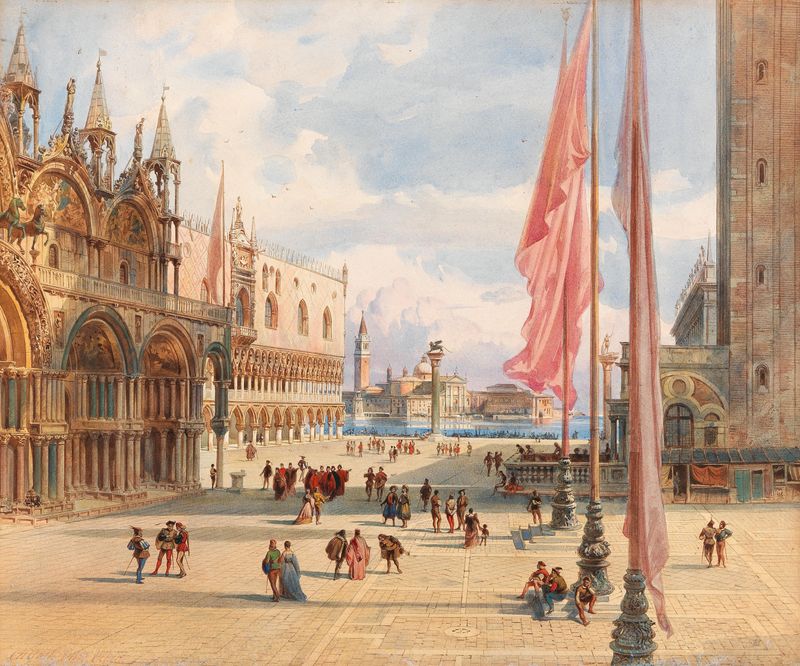
Marcus Square In Venice
Carl Friedrich Heinrich Werner

Canal Grande and Rialto Bridge
Carl Friedrich Heinrich Werner
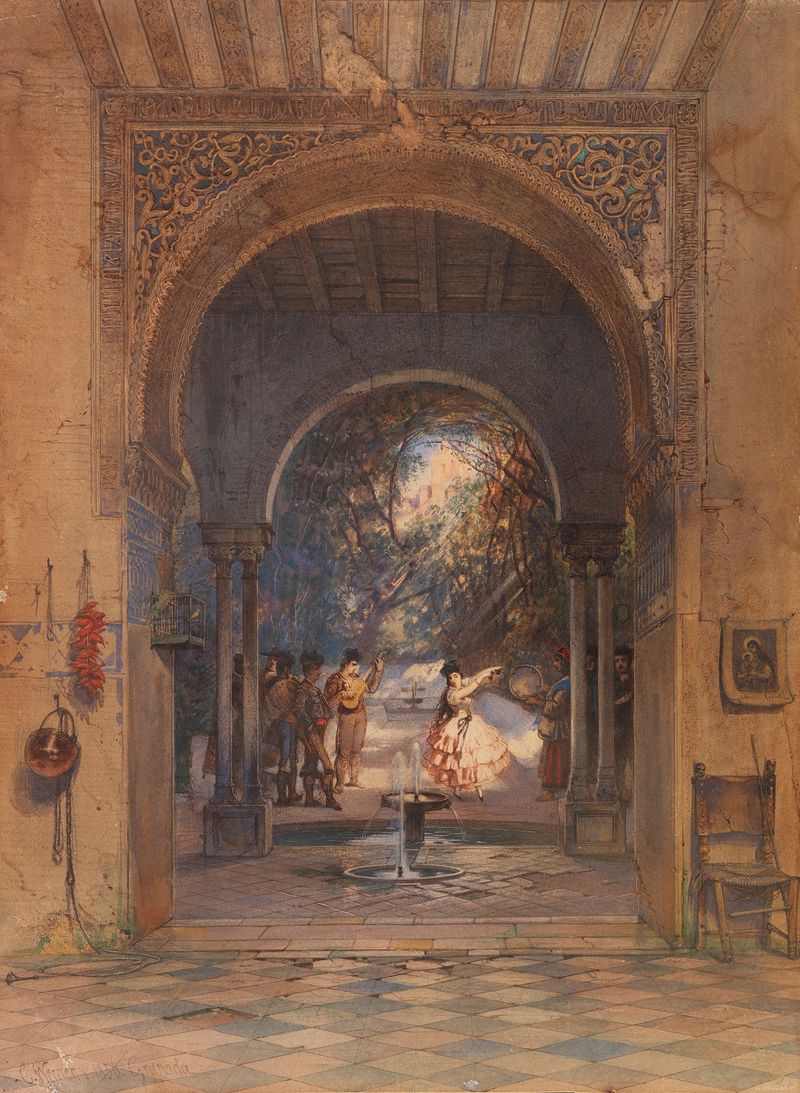
Kastagnettentänzerin in der Alhambra in Granada
Carl Friedrich Heinrich Werner
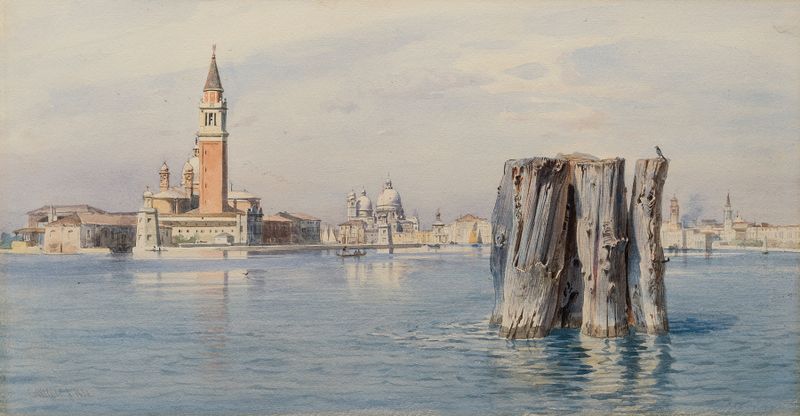
Ansicht von San Giorgio Maggiore und Santa Maria della Salute in Venedig
Carl Friedrich Heinrich Werner
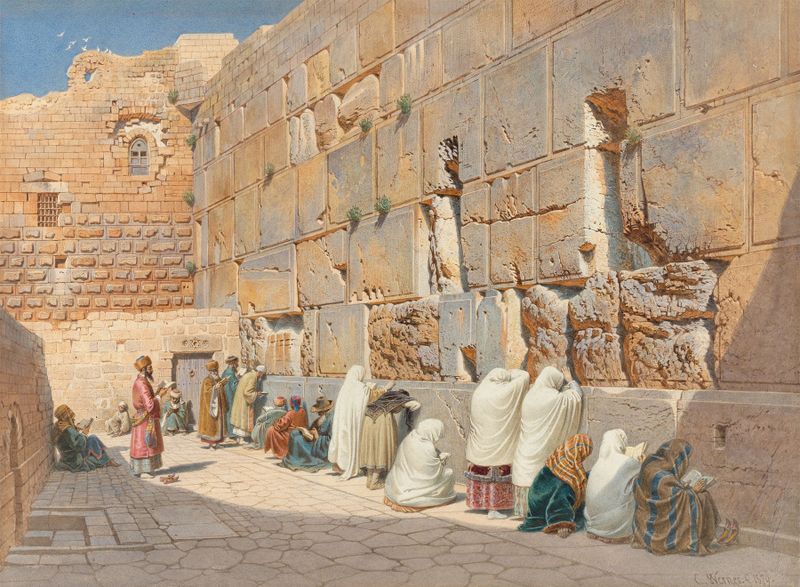
The Wailing Wall in Jerusalem
Carl Friedrich Heinrich Werner
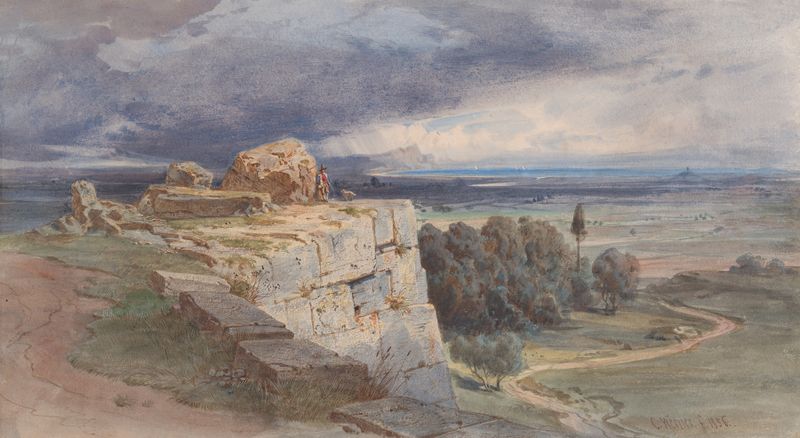
View of Norba from the North, towards San Felice Circeo
Carl Friedrich Heinrich Werner
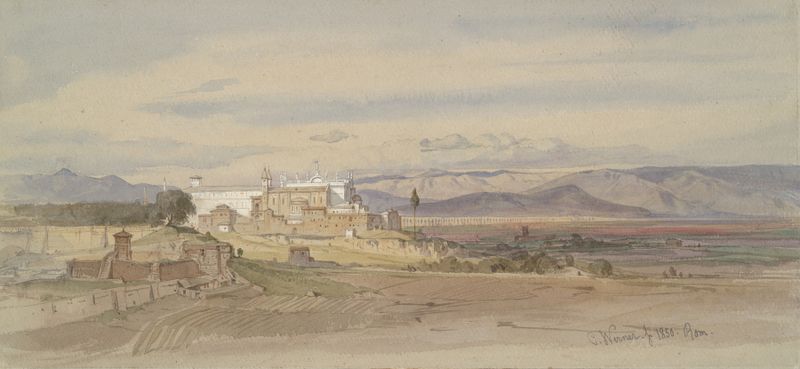
Roman Landscape with San Giovanni in Laterano
Carl Friedrich Heinrich Werner

Die Casa de Meleagro in Pompeji
Carl Friedrich Heinrich Werner
More Architecture Art
Browse all →
The statue of Liberty
Frédéric Auguste Bartholdi

View of Houses in Delft, Known as ‘The Little Street’
Johannes Vermeer

View of Houses in Delft, Known as ‘The Little Street’
Johannes Vermeer

The Cathedral in Rouen. The portal, Grey Weather
Claude Monet

The yellow house
Vincent van Gogh

The Church in Auvers-sur-Oise, View from the Chevet
Vincent van Gogh