
Kastagnettentänzerin in der Alhambra in Granada — History & Facts
In a world that constantly shifts, the act of creation becomes a sanctuary against the encroaching void of memory. In Kastagnettentänzerin in der Alhambra in Granada, the viewer's gaze is immediately drawn to the graceful dancer at the center, her posture exuding both elegance and solitude. Look closely at the cascade of her vibrant garments—the deep reds and ochres contrasting against the muted stone of the Alhambra's backdrop. The interplay of light catches the intricate embroidery, giving the impression that the fabric is alive, swirling around her in an embrace of culture and tradition.
The surrounding architecture, rendered with meticulous detail, serves as a silent witness to her performance, framing her in a moment both intimate and monumental. Yet within this vibrancy lies an undercurrent of emptiness; the dancer’s expression, caught between joy and melancholy, invites contemplation. The absence of an audience amplifies her solitude, hinting at the isolation inherent in artistic expression. The spaces around her echo with silence, suggesting that every movement is both a celebration and a lamentation, a dance that resonates through the corridors of time, yet remains unheard.
This contradiction enriches the narrative: the dancer’s life is vibrant, yet steeped in an existential void that brings forth the question—who truly witnesses her art? In 1856, Carl Friedrich Heinrich Werner painted this piece while residing in Germany, exploring themes of beauty and cultural heritage. At this time, Europe was experiencing a fascination with exoticism and the allure of foreign lands, as romanticism continued to influence artistic expression. However, Werner's work stands out as he sought not just to recreate an image but to instill a deeper emotional resonance, reflecting on the ephemeral nature of art and the echoes of memory that linger long after the dance concludes.
More Artworks by Carl Friedrich Heinrich Werner
Browse all →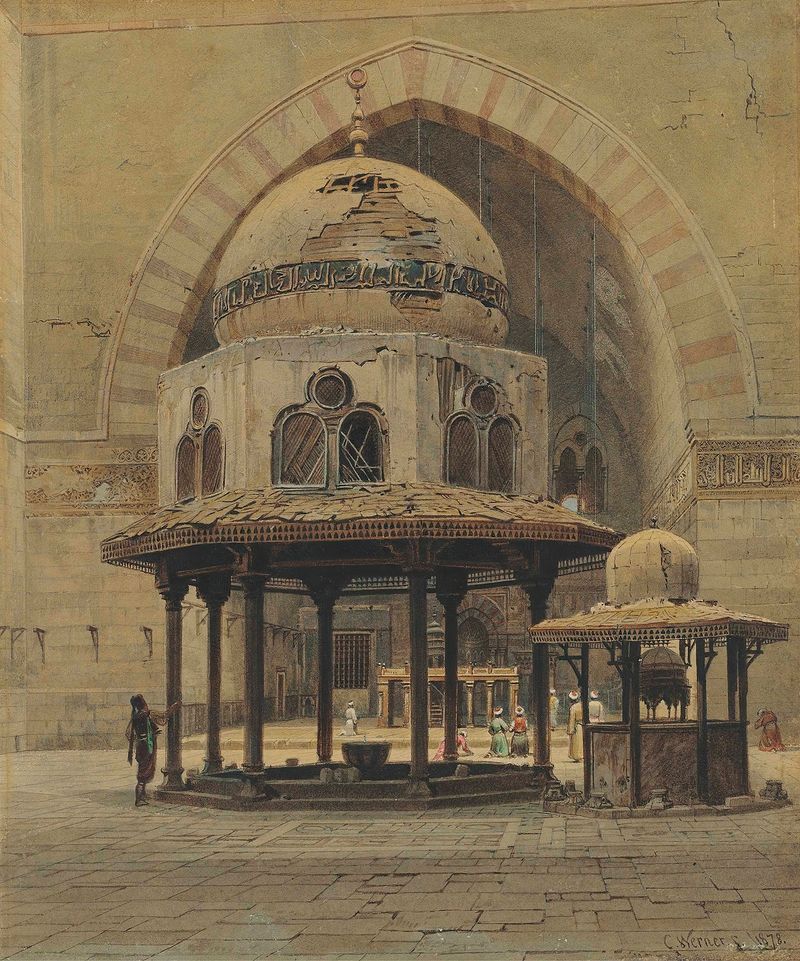
Mosque of Sultan Hassan, Cairo
Carl Friedrich Heinrich Werner
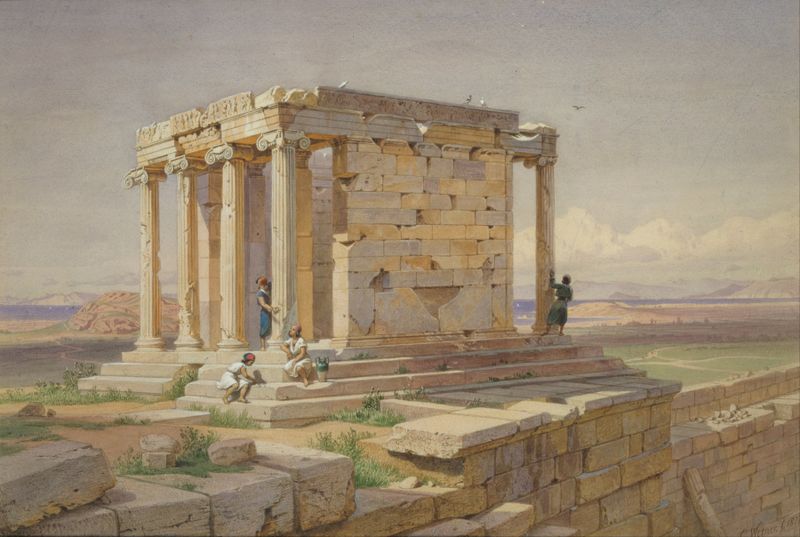
The Temple of Athena Nike. View from the North-East
Carl Friedrich Heinrich Werner
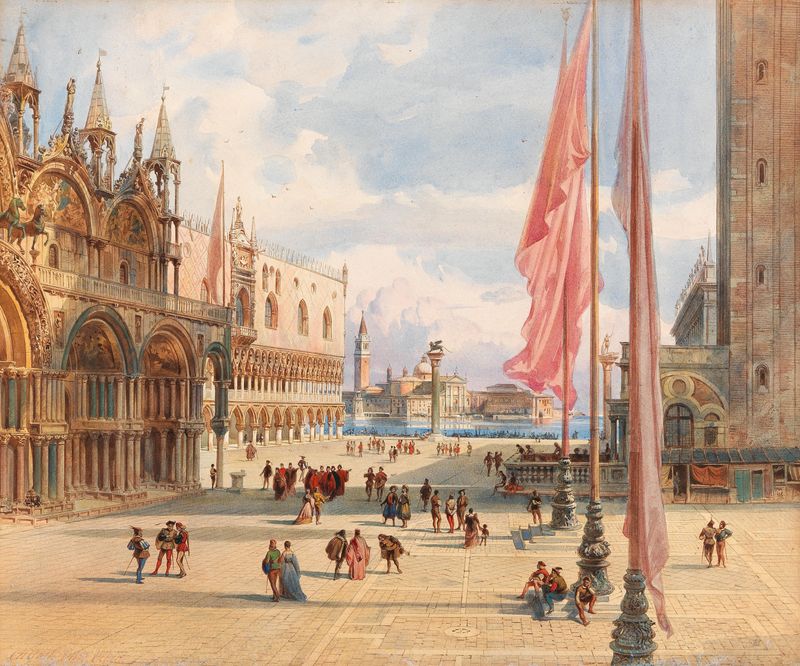
Marcus Square In Venice
Carl Friedrich Heinrich Werner

Canal Grande and Rialto Bridge
Carl Friedrich Heinrich Werner
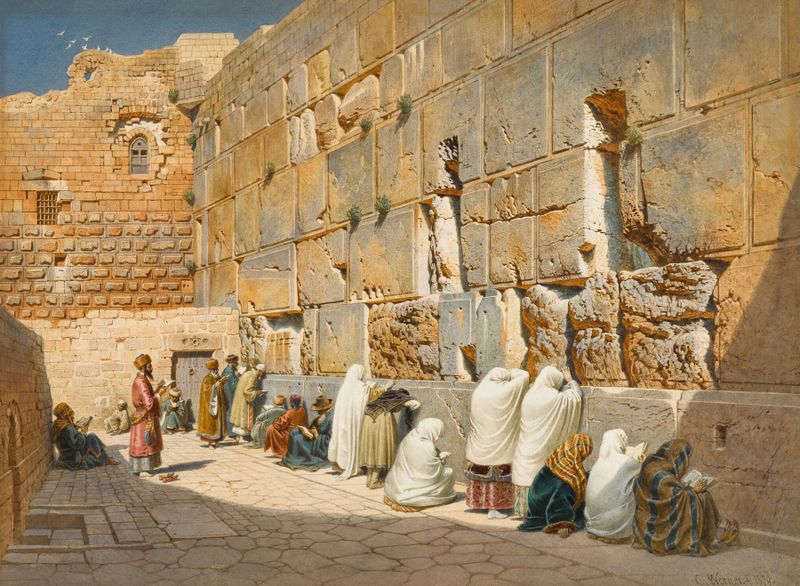
The Wailing Wall, Jerusalem
Carl Friedrich Heinrich Werner
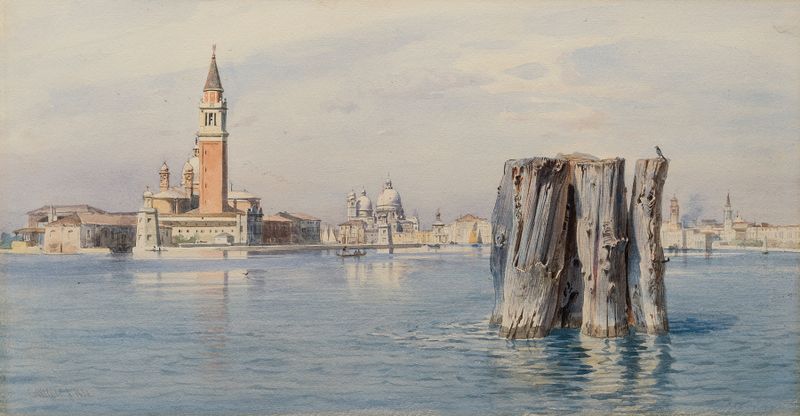
Ansicht von San Giorgio Maggiore und Santa Maria della Salute in Venedig
Carl Friedrich Heinrich Werner
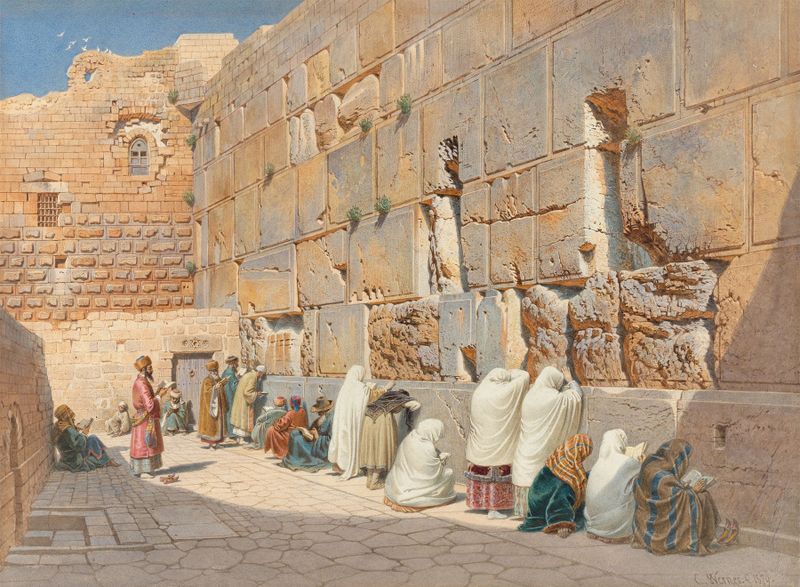
The Wailing Wall in Jerusalem
Carl Friedrich Heinrich Werner
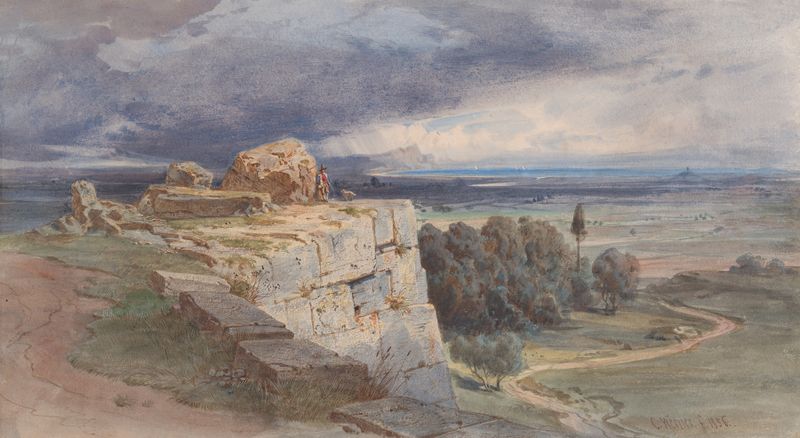
View of Norba from the North, towards San Felice Circeo
Carl Friedrich Heinrich Werner
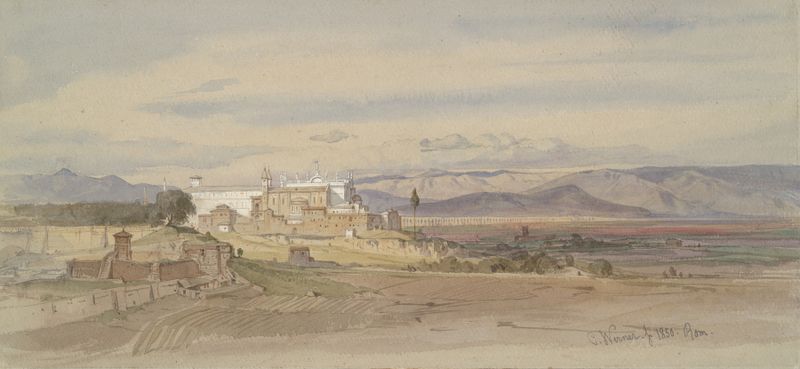
Roman Landscape with San Giovanni in Laterano
Carl Friedrich Heinrich Werner

Die Casa de Meleagro in Pompeji
Carl Friedrich Heinrich Werner





