
The White Night — History & Facts
In The White Night, the fragility of the human experience is captured in the delicate interplay of light and shadow, where every brushstroke whispers truths often left unspoken. Look to the center of the canvas, where a lone figure stands enveloped in a soft, ethereal glow. The muted palette of whites and pale blues creates a serene atmosphere, inviting the viewer to linger in contemplation. Notice how the light dances upon the character’s silhouette, accentuating the intricate details of their attire while casting gentle shadows that hint at deeper emotions.
Ciągliński’s technique here blurs the line between reality and dream, capturing a moment suspended in time. The juxtaposition of stillness and the hint of movement conveys an emotional tension between isolation and yearning. The figure’s posture suggests a sense of longing, as if they stand at the precipice of revelation but what lies beyond remains just out of reach. Hidden within the soft hues are the complexities of vulnerability, encouraging the viewer to reflect on their own moments of silence and introspection. In 1908, Jan Ciągliński was living in Paris, a city flourishing with artistic innovation and experimentation.
This period saw a blend of cultural influences that shaped his work, aligning him with the Symbolist movement that emphasized emotional depth and metaphor. The White Night emerged during this time of personal exploration and artistic freedom, reflecting both the societal shifts of the era and the intimate struggles of the individual.
More Artworks by Jan Ciągliński
Browse all →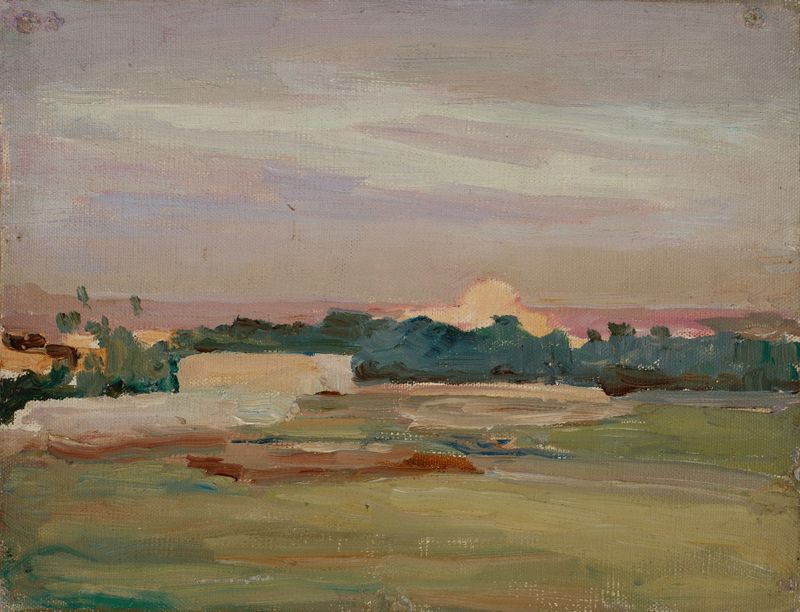
The Sirocco
Jan Ciągliński
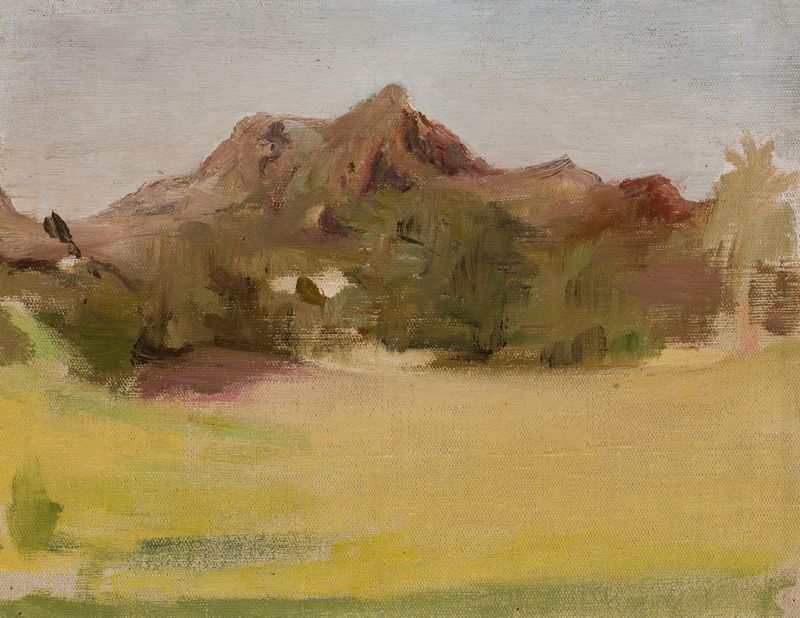
Mountain landscape. From the journey to India
Jan Ciągliński
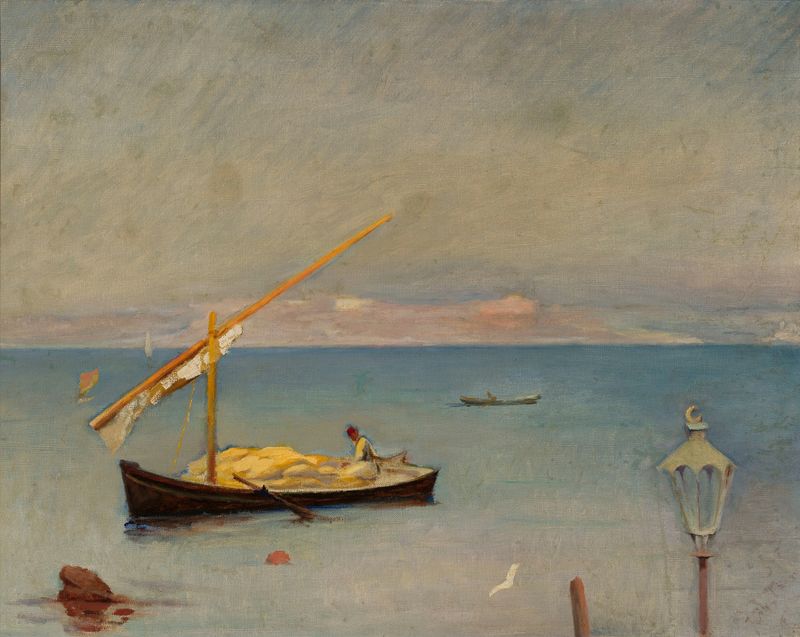
At Bosporus
Jan Ciągliński
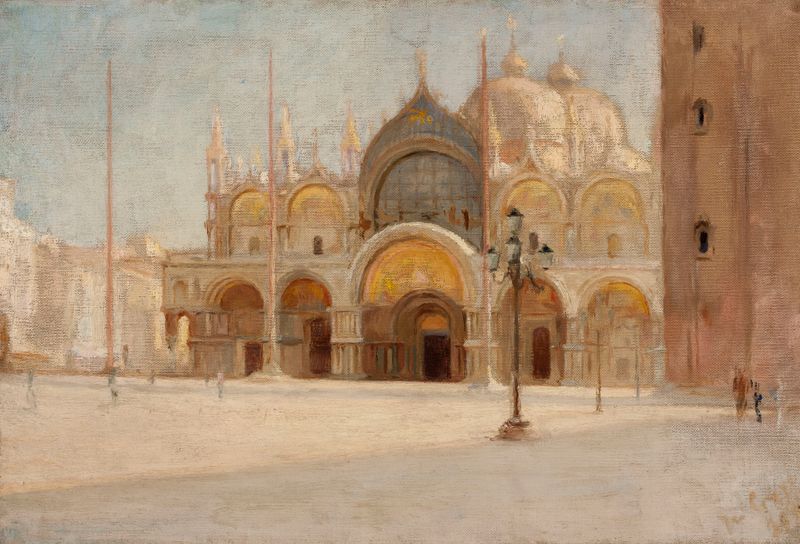
St Mark’s Square in Venice
Jan Ciągliński
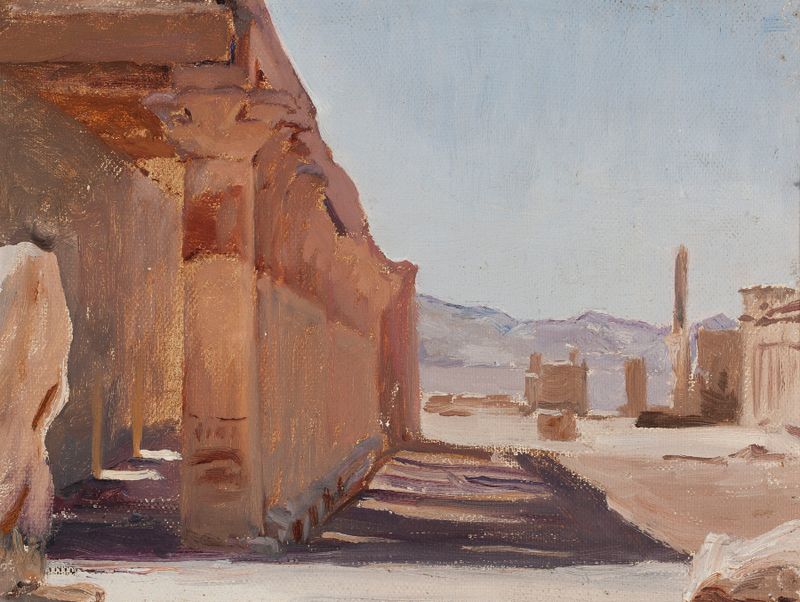
Temple. From the journey to Egypt
Jan Ciągliński
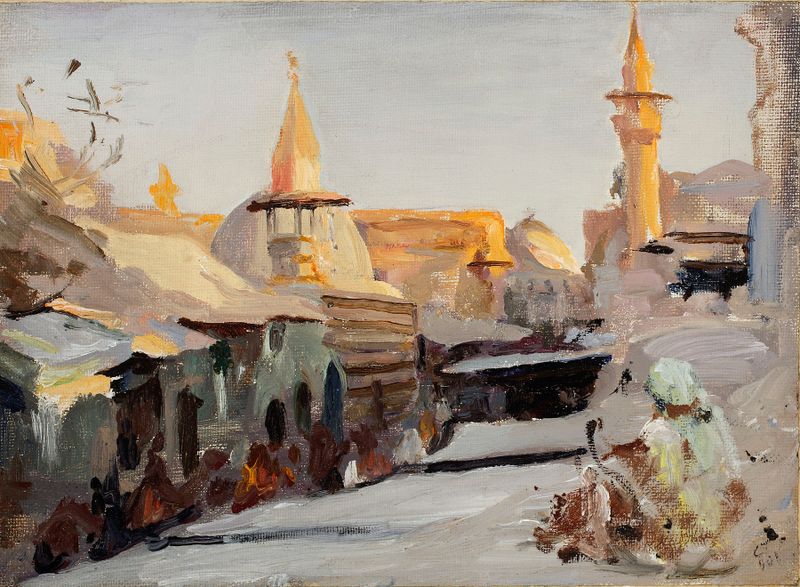
Street in Damascus. From the journey to Palestine
Jan Ciągliński
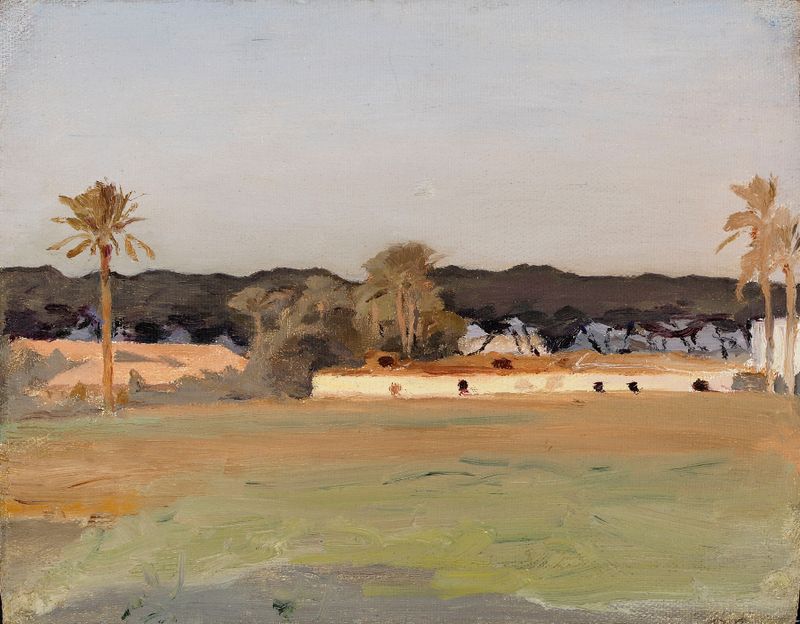
Evening. From the journey to Egypt
Jan Ciągliński
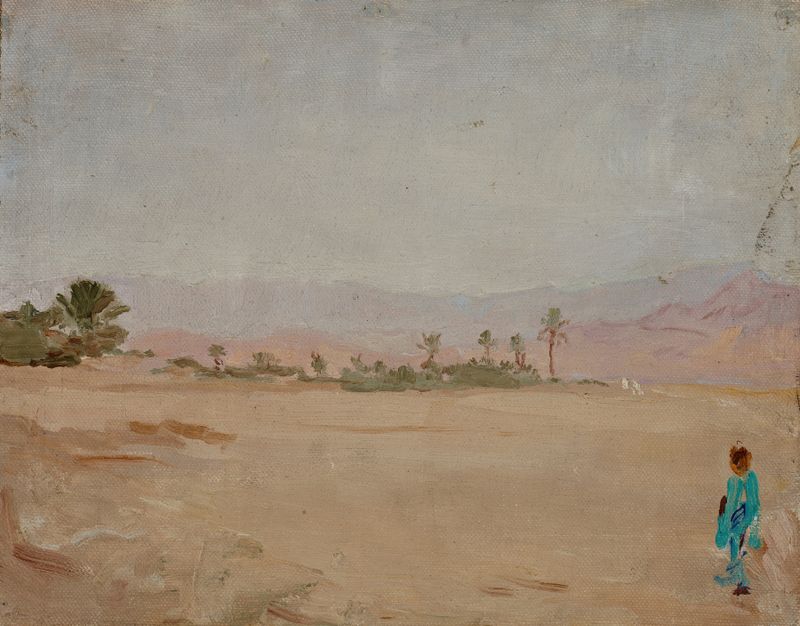
Sahara (Desert)
Jan Ciągliński
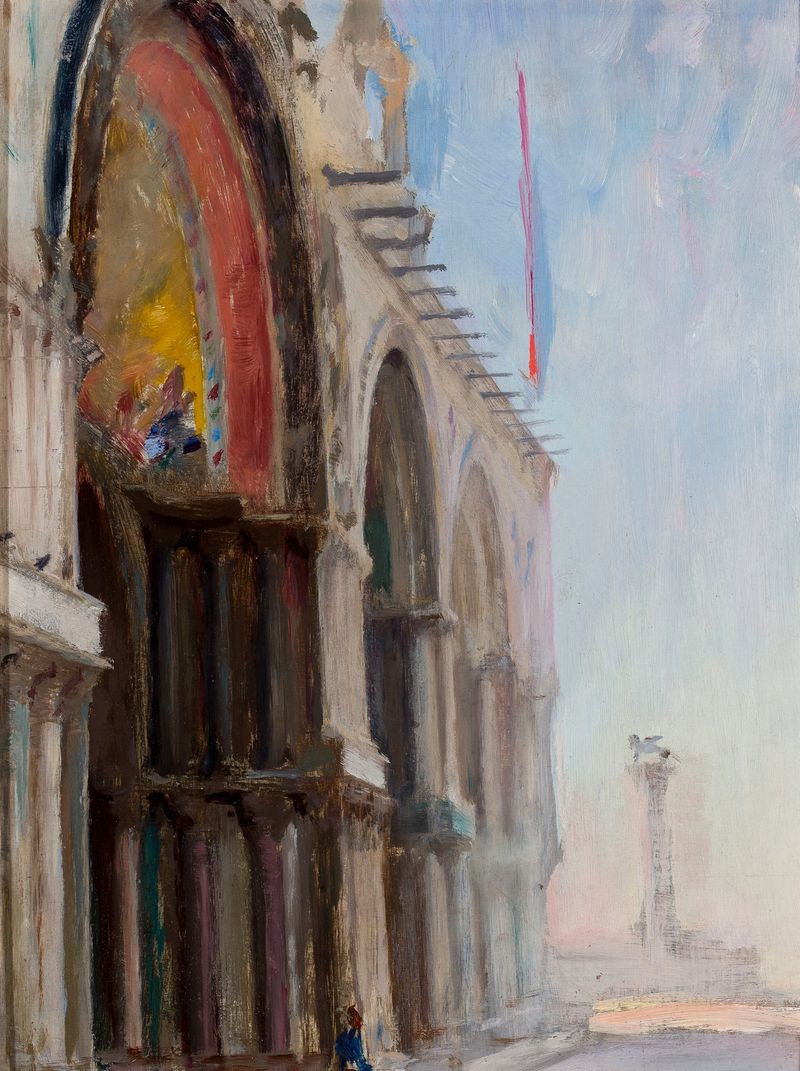
Venice – San Marco. From the journey to Italy
Jan Ciągliński
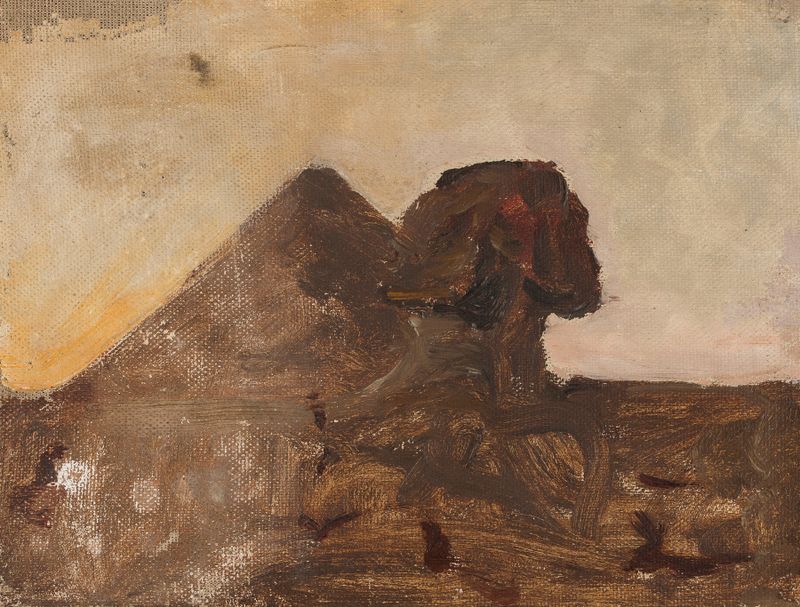
Evening in the desert – Sphinx and pyramid. From the journey to Egypt
Jan Ciągliński





