
The White Night (The Ushakovka River) — History & Facts
In the stillness of twilight, reflections shimmer like whispers on a river’s surface, inviting contemplation. Look closely at the water’s edge, where hues of soft lavender and deep indigo intertwine. The brushstrokes, fluid and deliberate, capture the tranquil yet melancholic atmosphere characteristic of a night painted in the heart of summer. The light of dusk dances on the ripples, creating an ethereal glow that beckons the viewer into the scene, mirroring the fleeting moments of life itself. Amidst the serenity, there lies a tension between the natural and the intangible.
The way the reflections distort the landscape hints at a deeper narrative—a longing for connection and understanding. The contrast between the tranquility of the night and the vibrant colors evokes an emotional resonance, as if the river itself is a vessel carrying untold stories. Each ripple becomes a reminder of time slipping away, transforming the ordinary into the extraordinary. In 1911, Ciągliński was immersed in the vibrant art scene of Warsaw, a period marked by a growing interest in Impressionism.
His exploration of light and atmosphere in works like The White Night reflects not only his personal journey but also the larger cultural shifts in Europe. The painting encapsulates a moment in his career where he sought to convey the essence of the world through intimate landscapes, all while navigating the evolving artistic landscape around him.
More Artworks by Jan Ciągliński
Browse all →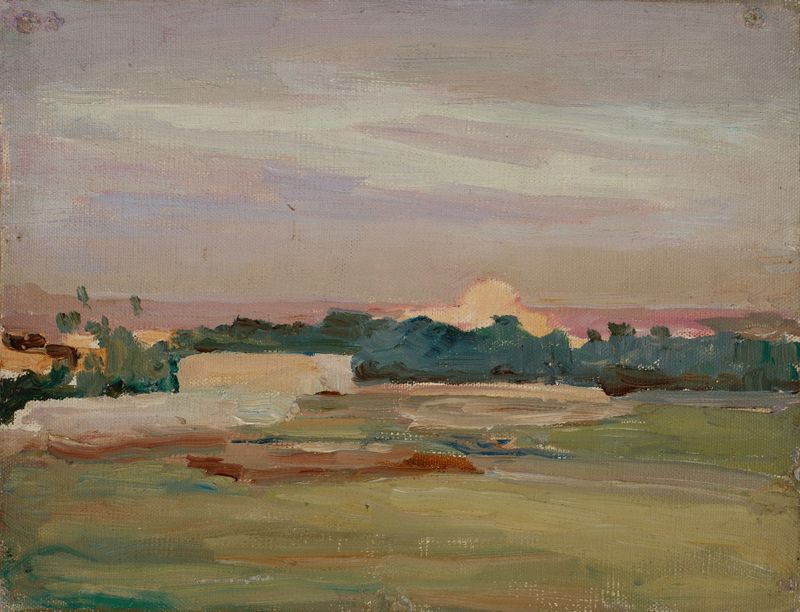
The Sirocco
Jan Ciągliński
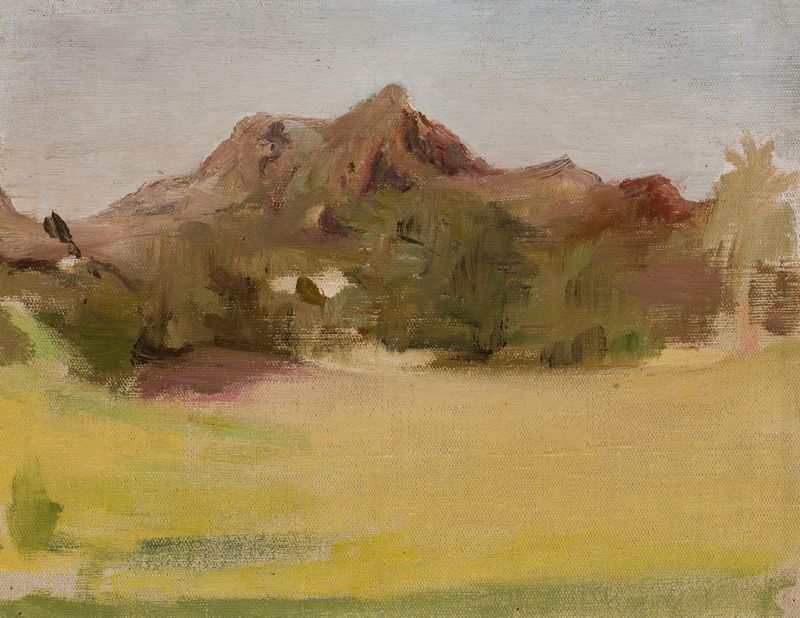
Mountain landscape. From the journey to India
Jan Ciągliński
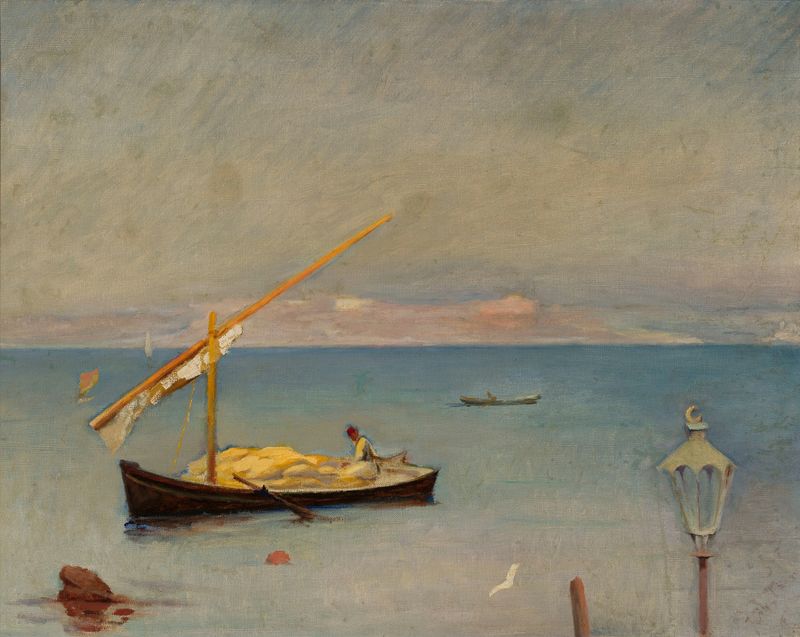
At Bosporus
Jan Ciągliński
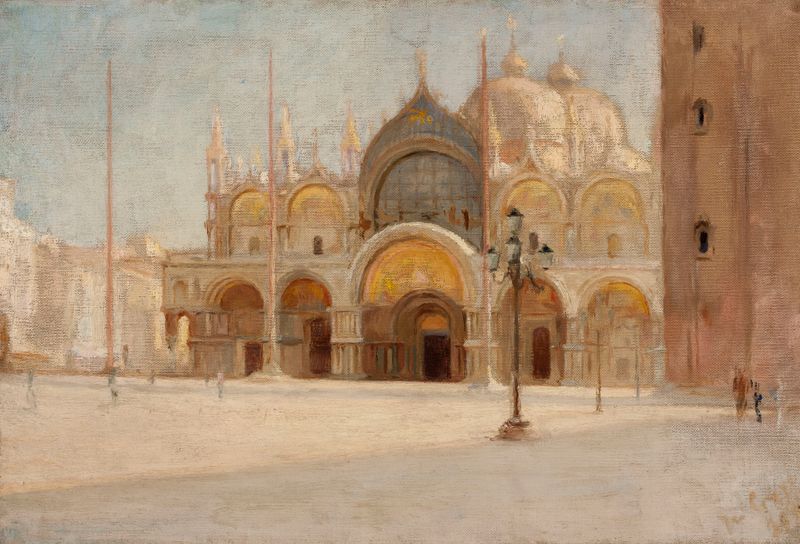
St Mark’s Square in Venice
Jan Ciągliński
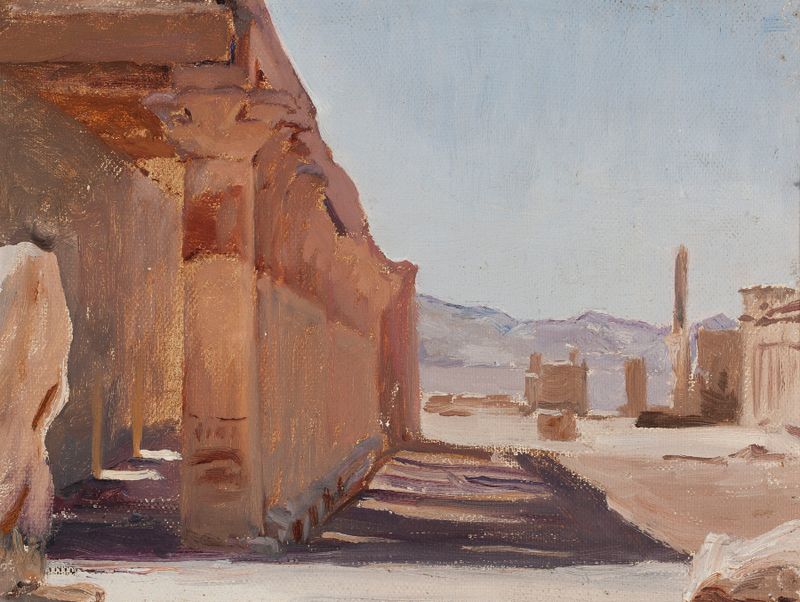
Temple. From the journey to Egypt
Jan Ciągliński
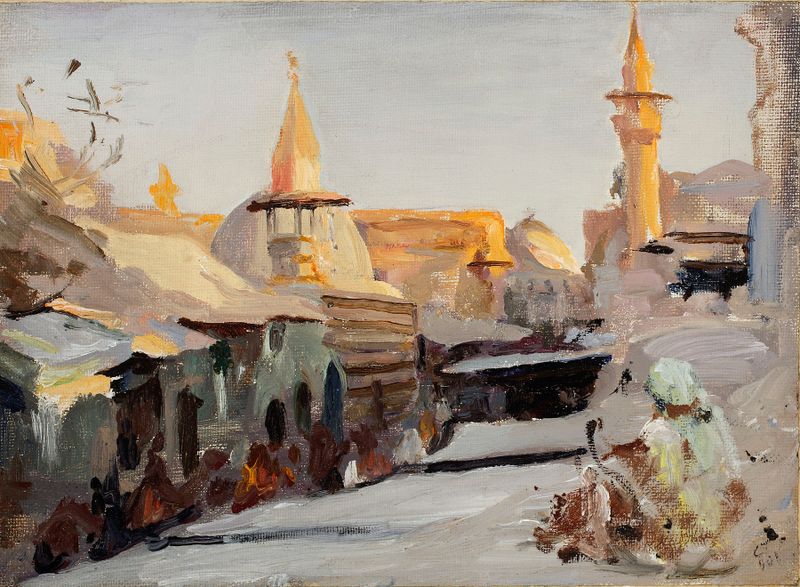
Street in Damascus. From the journey to Palestine
Jan Ciągliński
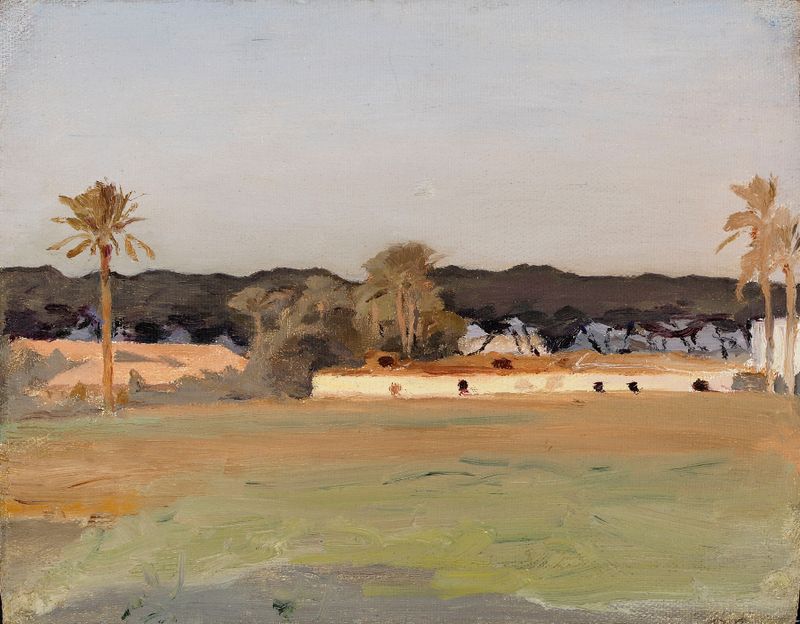
Evening. From the journey to Egypt
Jan Ciągliński
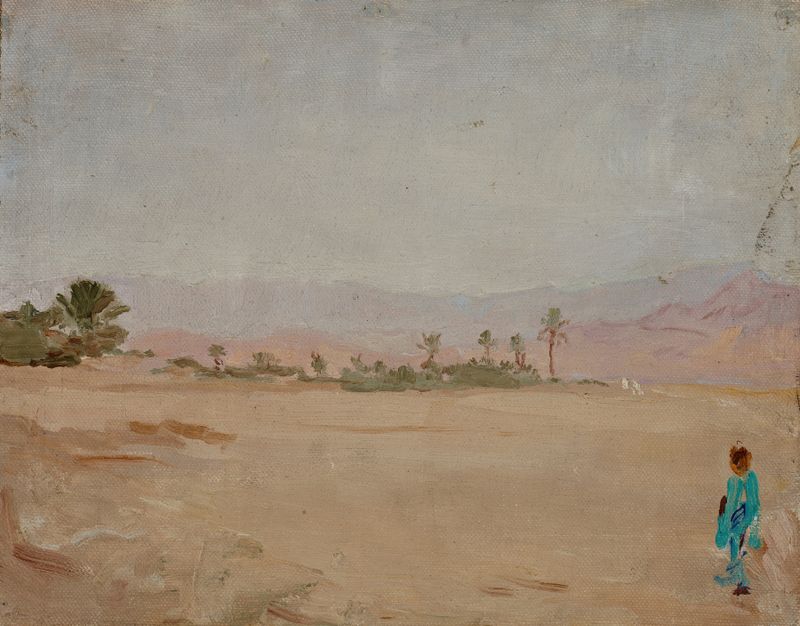
Sahara (Desert)
Jan Ciągliński
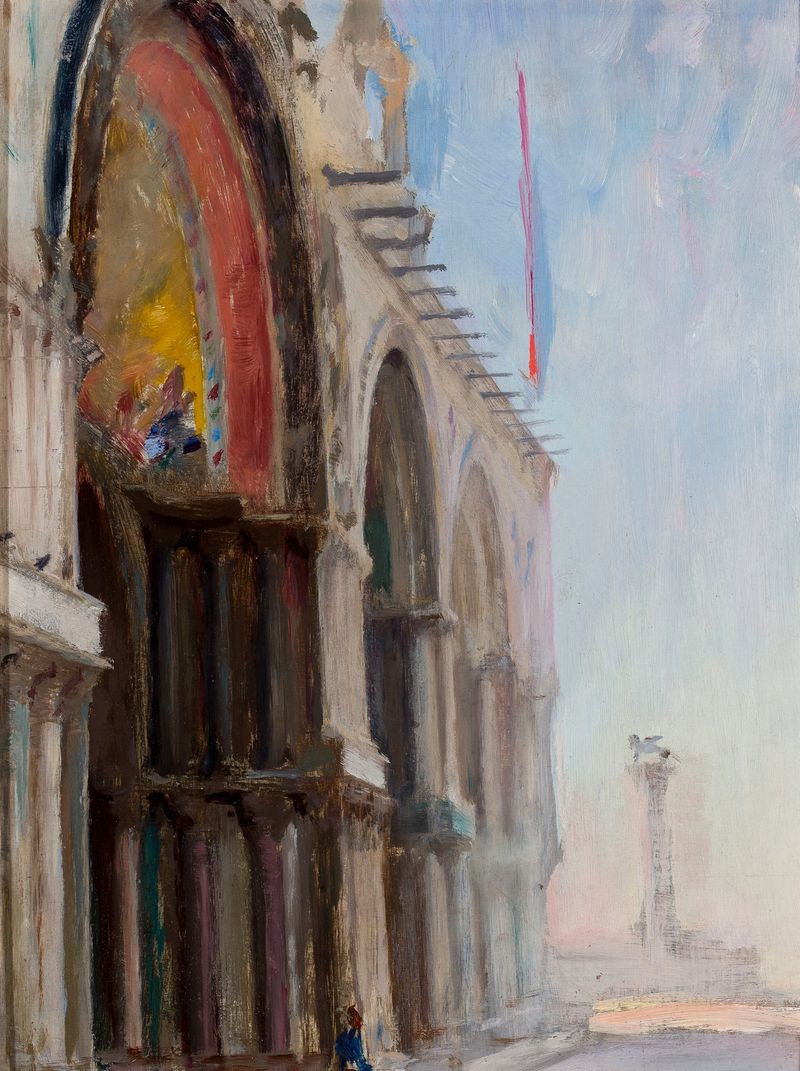
Venice – San Marco. From the journey to Italy
Jan Ciągliński
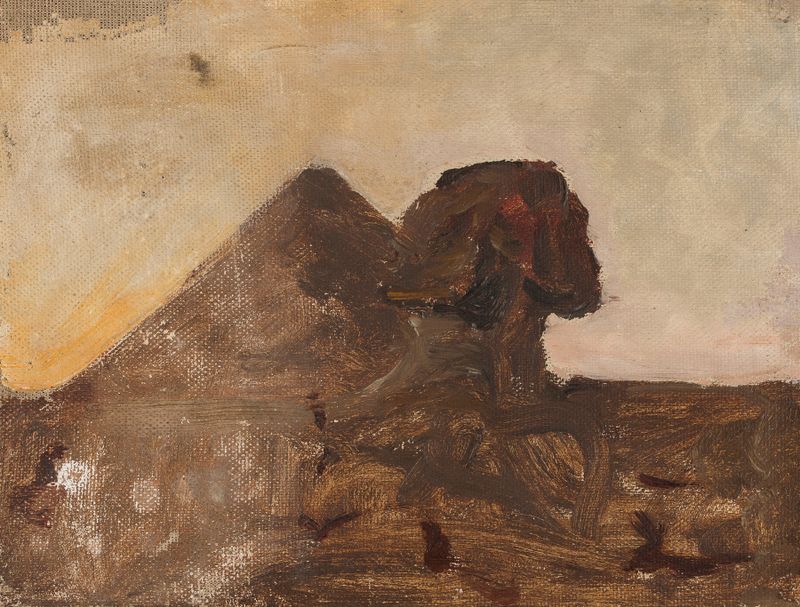
Evening in the desert – Sphinx and pyramid. From the journey to Egypt
Jan Ciągliński





