
The Zattere, Venice — History & Facts
Can beauty exist without sorrow? In the canvas of a serene Venetian panorama, the answer unfolds as layers of vibrancy and melancholy intertwine. Look to the left at the gently gliding boats, their reflections creating ripples of color on the water's surface. The soft, golden light of the late afternoon bathes the scene in warmth, highlighting the delicate brushwork that captures both the stillness of the moment and the movement of life. Notice how the buildings line the waterfront, their facades a symphony of pastel hues that seem to echo the sky’s soothing palette, creating a harmonious balance that enchants the eye. Yet, amidst this picturesque tranquility lies an undercurrent of complexity.
The juxtaposition of the lively social interaction on the zattere—people engaged in conversation and laughter—against the quiet longing in the distant horizon suggests a deeper narrative. There’s an unshakeable awareness of time slipping away, each moment of joy simultaneously tinted with the awareness of transience and loss, as if the scene itself mourns the fleeting beauty of life. Federico del Campo painted this piece during the late 19th century, a period marked by a fascination with capturing the essence of everyday life in urban settings. Living in Venice, he was influenced by the rich artistic legacy of his surroundings, as well as the growing interest in impressionism.
In this moment, he sought to encapsulate the spirit of the city, balancing the ephemeral beauty of the scene with the weight of nostalgia that defines the human experience.
More Artworks by Federico del Campo
Browse all →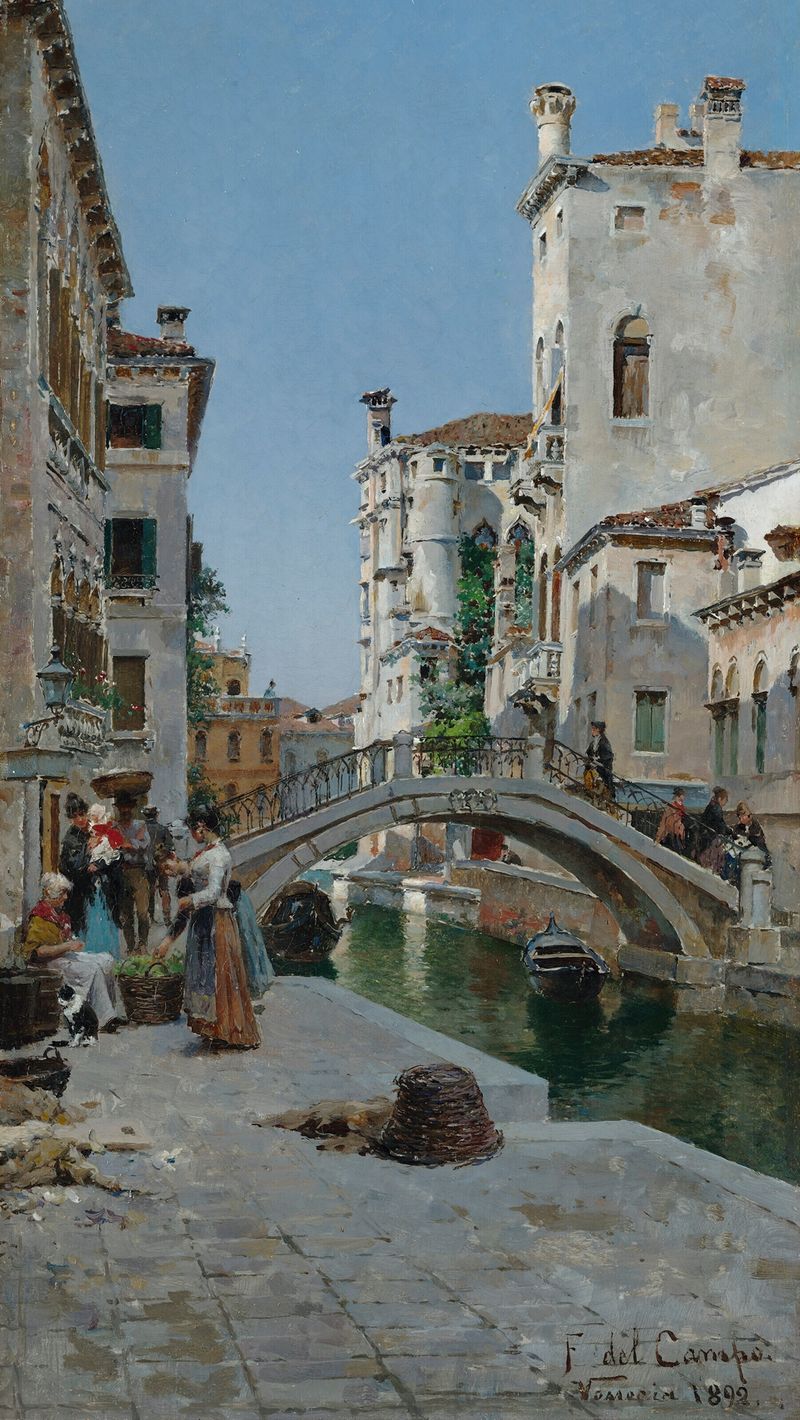
View of Venice
Federico del Campo
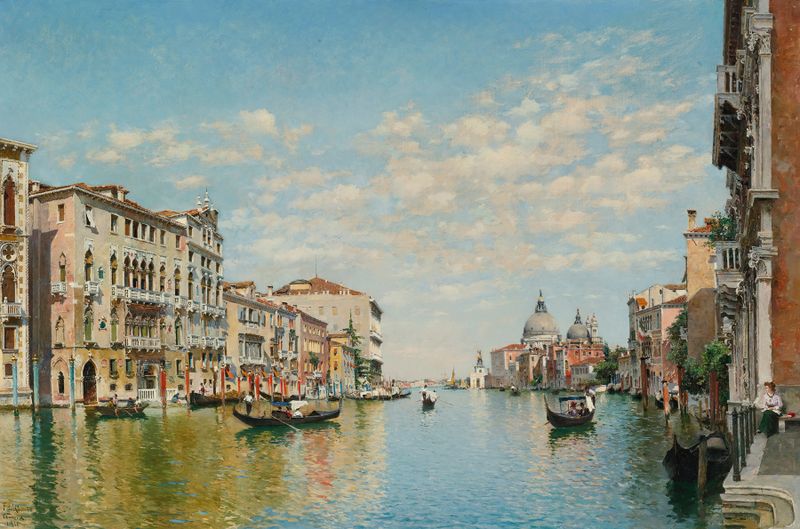
Gondoliers On The Grand Canal, Venice
Federico del Campo
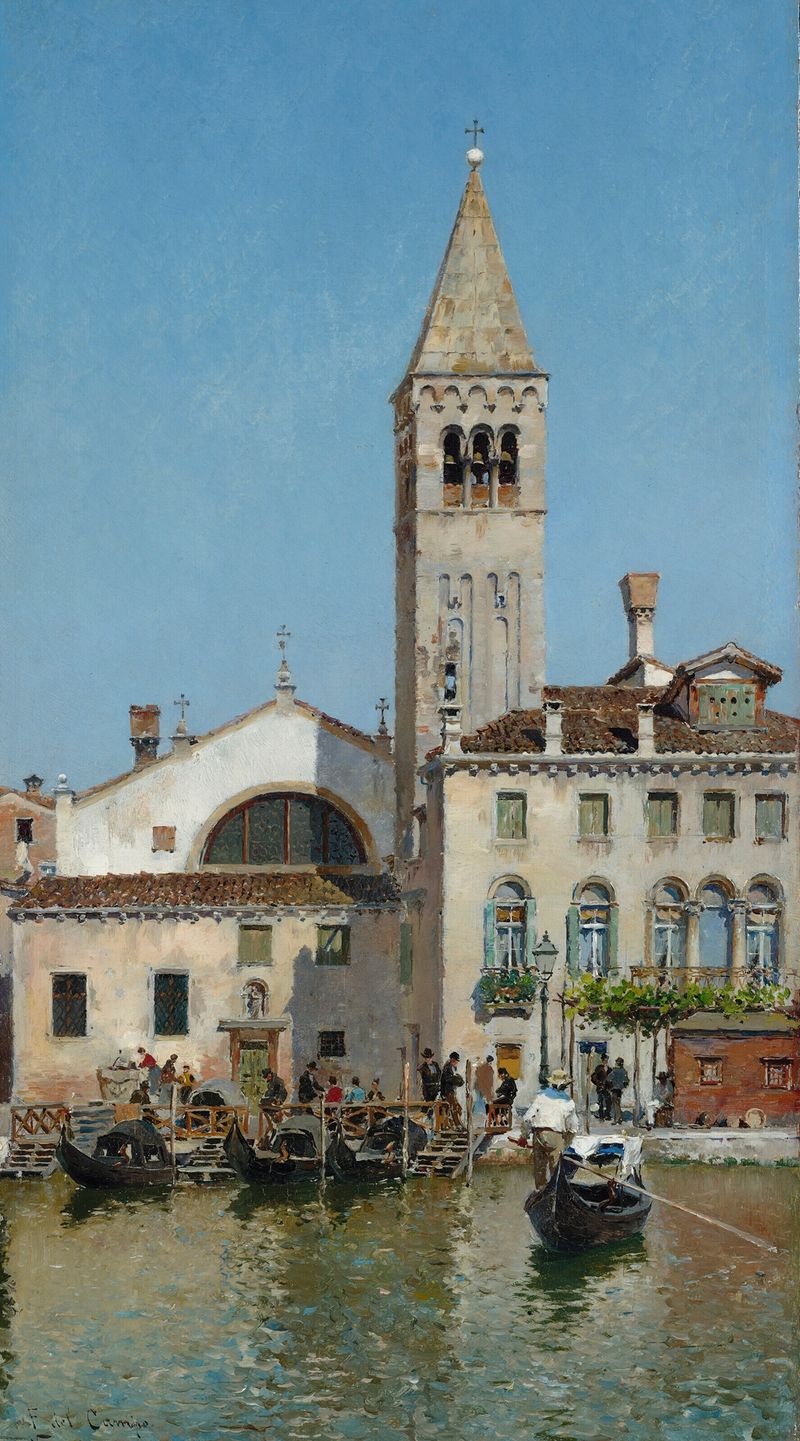
View of Venice
Federico del Campo
View of Venice
Federico del Campo
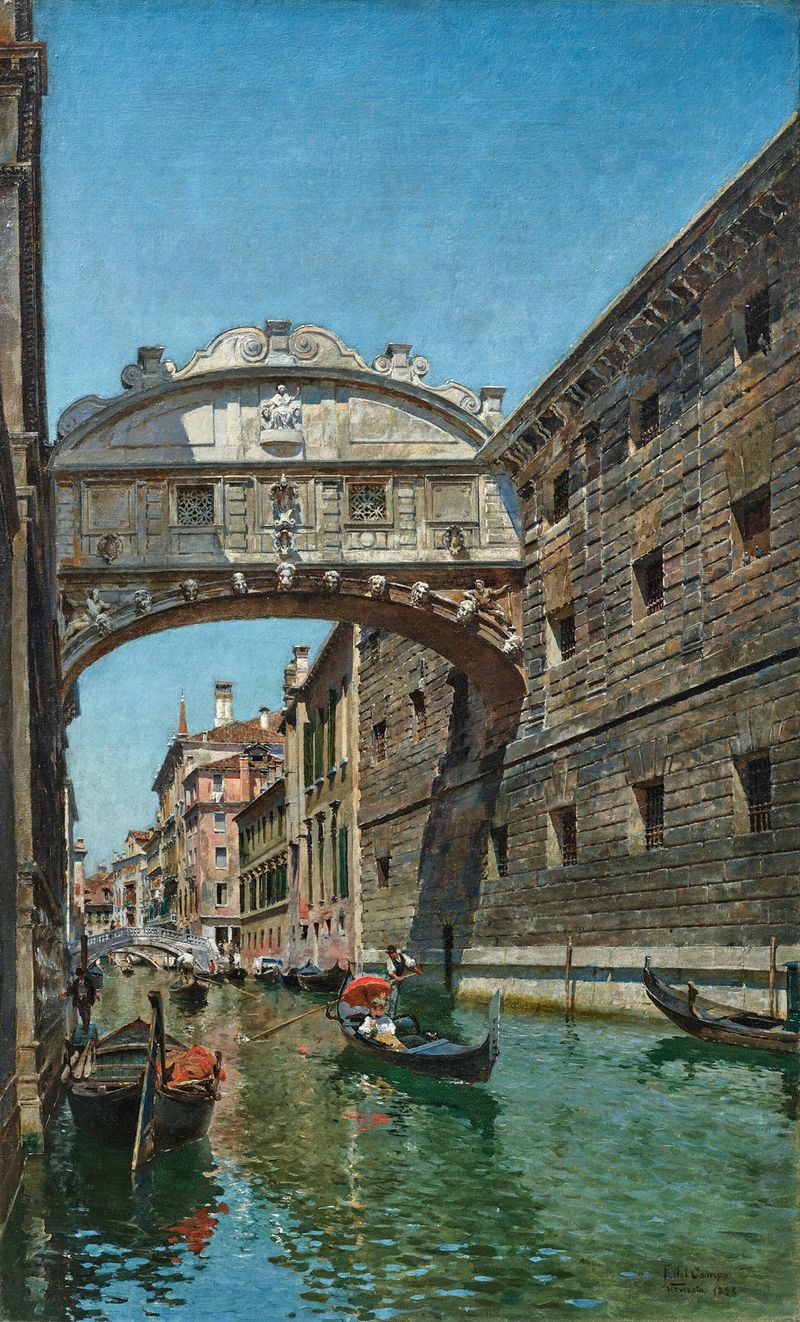
Il Ponte dei Sospiri
Federico del Campo
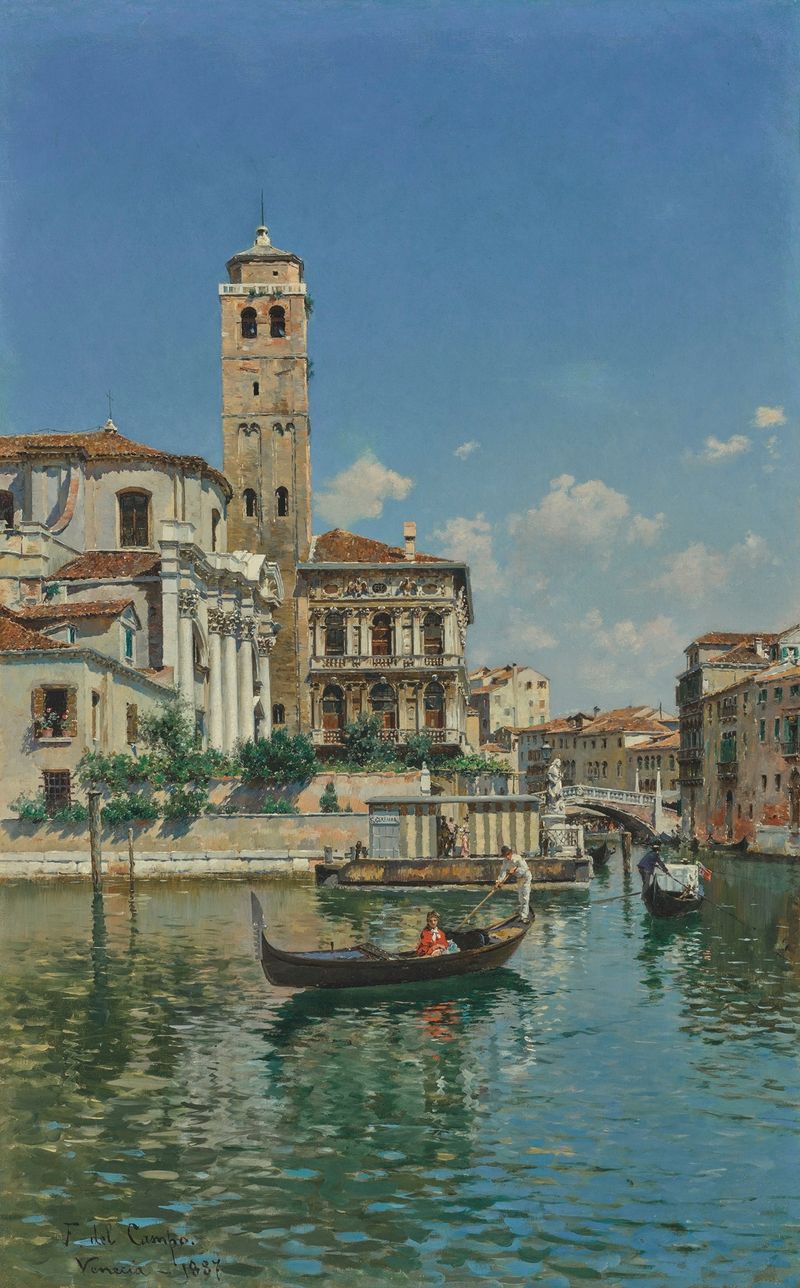
The Palazzo Labia, Venice
Federico del Campo
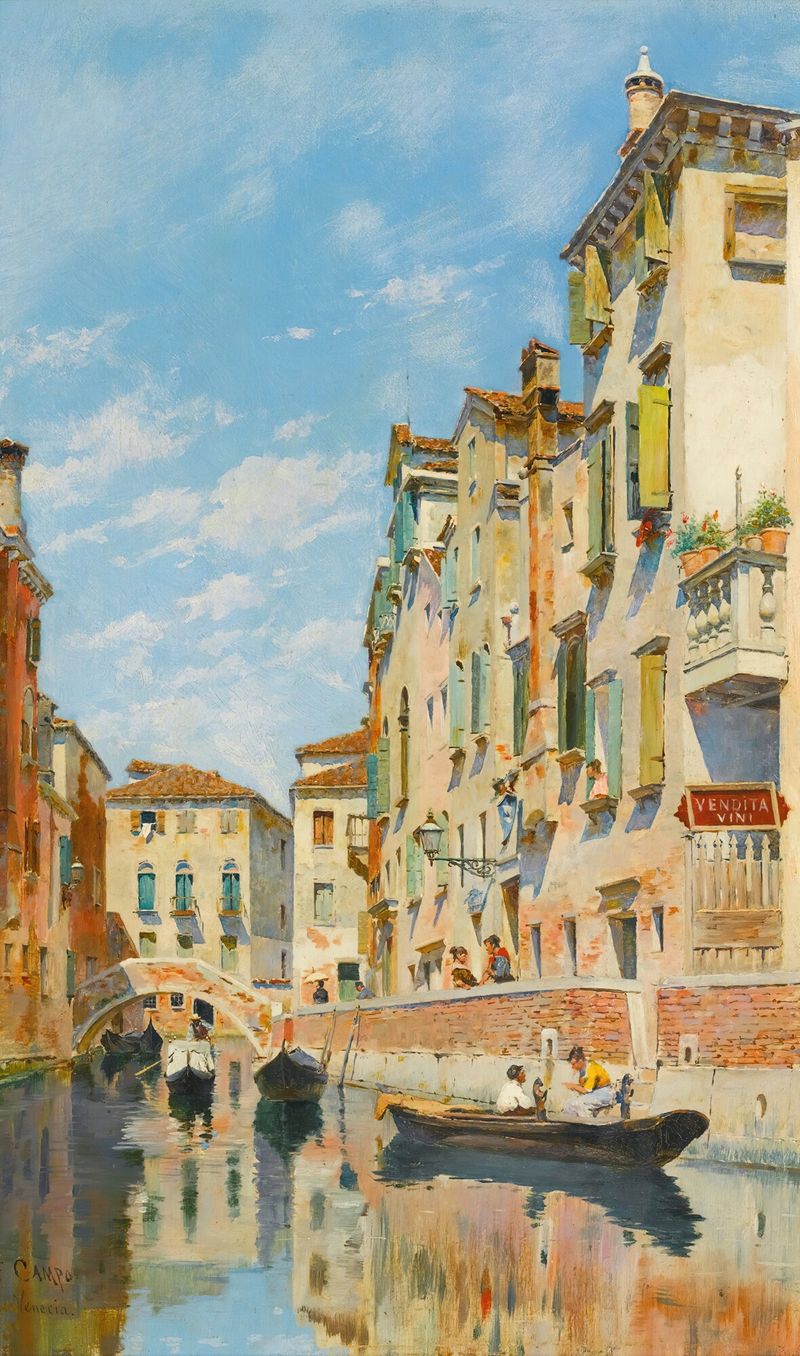
Gondolas On A Venetian Canal
Federico del Campo
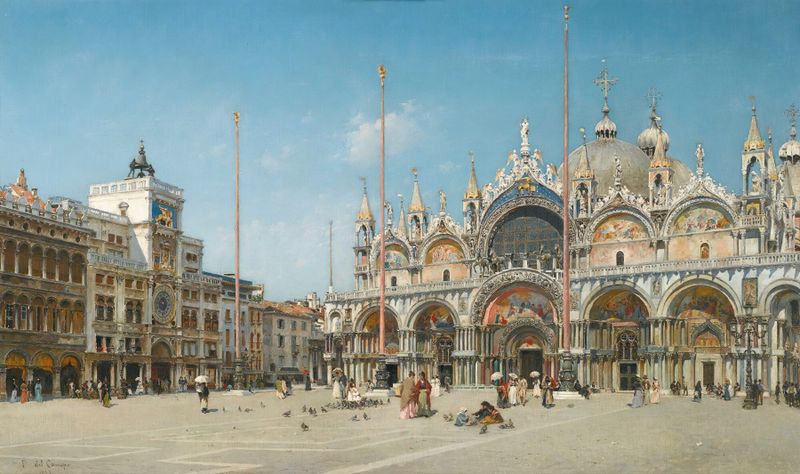
Saint Mark’s Square, Venice
Federico del Campo
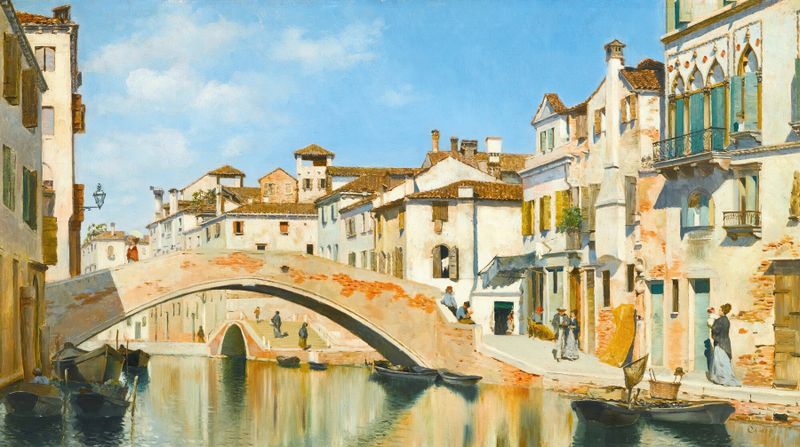
Tintoretto’s House, Venice
Federico del Campo
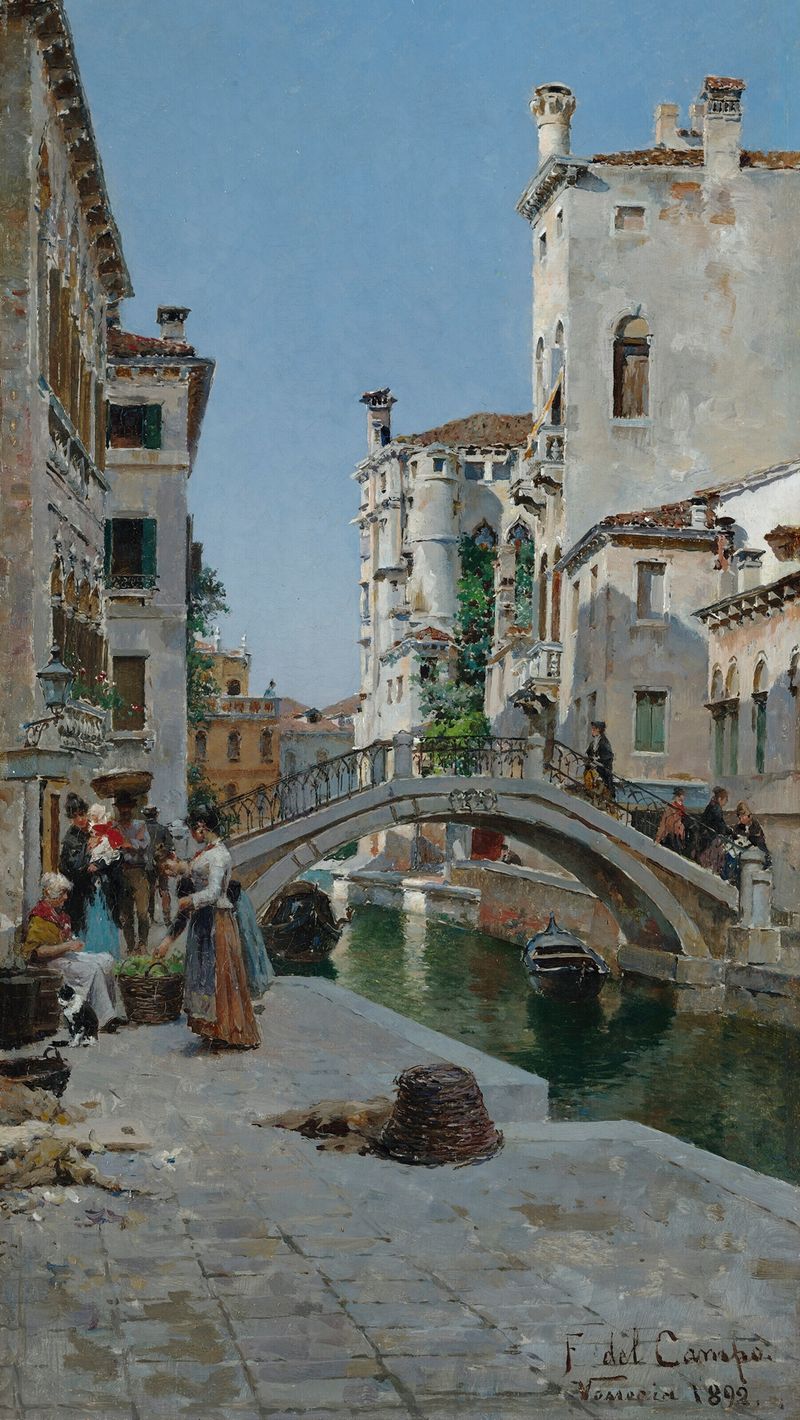
View of Venice
Federico del Campo





