
Theocritus — History & Facts
When did color learn to lie? In the world of art, hues can whisper truths or amplify voids, leaving us to ponder what lies beneath the surface. Look to the center of the canvas, where a solitary figure of a young man emerges amid a gentle, muted palette. His expression is introspective, almost melancholic, as if he stands at the precipice of thought. The soft strokes of olive greens and earthy browns envelop him, creating a sense of confinement that contrasts sharply with the infinite potential of the space around him.
Notice how the color subtly shifts, the nearer shades anchoring him while the distant tones beckon, almost mocking his stillness. The emptiness surrounding the figure speaks volumes, suggesting an internal struggle or contemplation. Each element—a draped cloth, a suggestion of a landscape—reinforces his isolation, amplifying the emotional weight of his solitude. That stillness feels like a pause, a moment caught between longing and realization, while the soft diffusion of light casts shadows that dance around his body, emphasizing both his presence and his loneliness. Created between 1885 and 1890, this piece reflects Jean Charles Cazin’s exploration of emotional depth through simplicity.
Working in France, he was influenced by the Symbolist movement, which sought to evoke feelings rather than depict reality. This period was marked by a shift towards personal expression in art, as artists began to focus on the introspective and the psychological, setting the stage for the modern expressions that would follow.
More Artworks by Jean Charles Cazin
Browse all →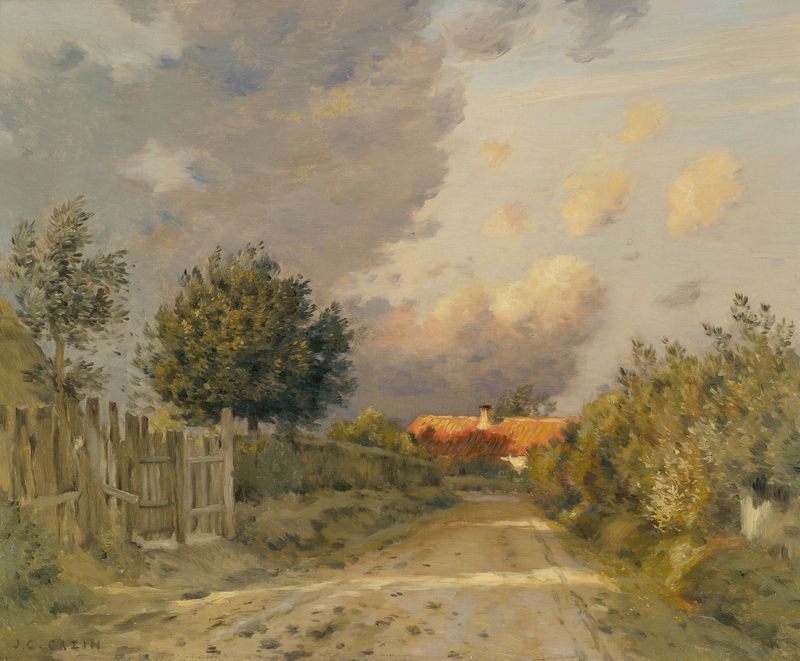
Early Evening In The French Countryside
Jean Charles Cazin
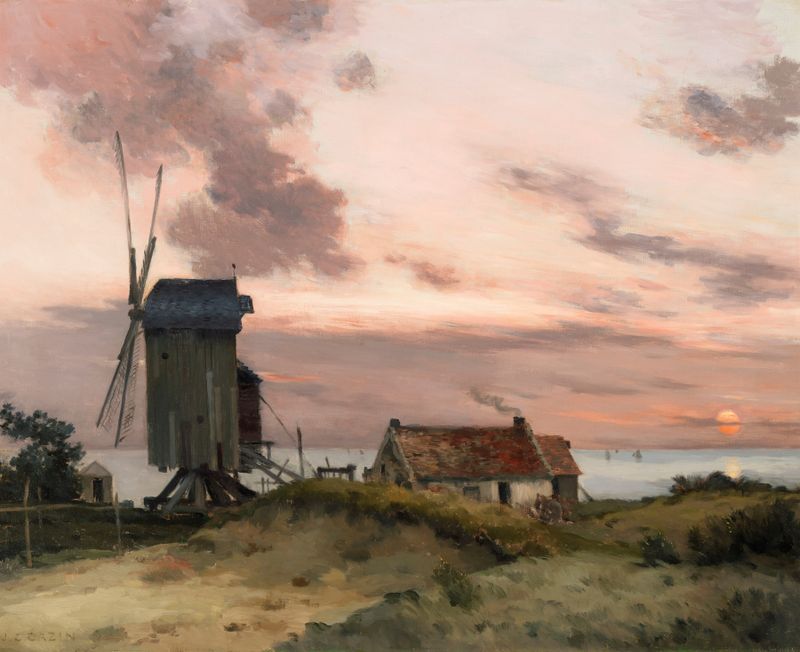
Windmill on a Beach
Jean Charles Cazin
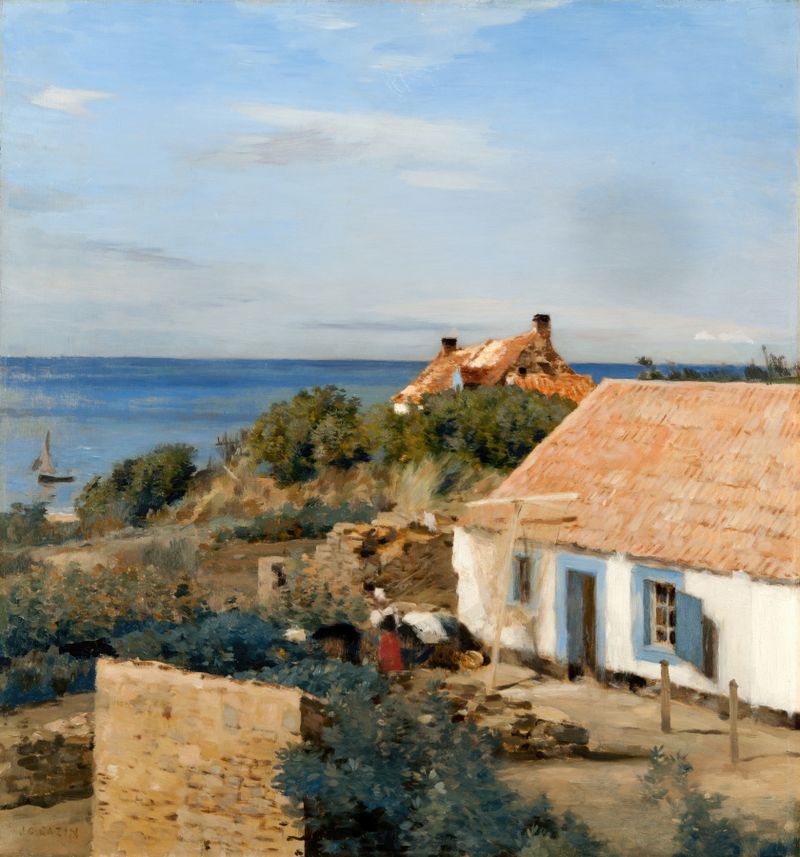
French Landscape
Jean Charles Cazin
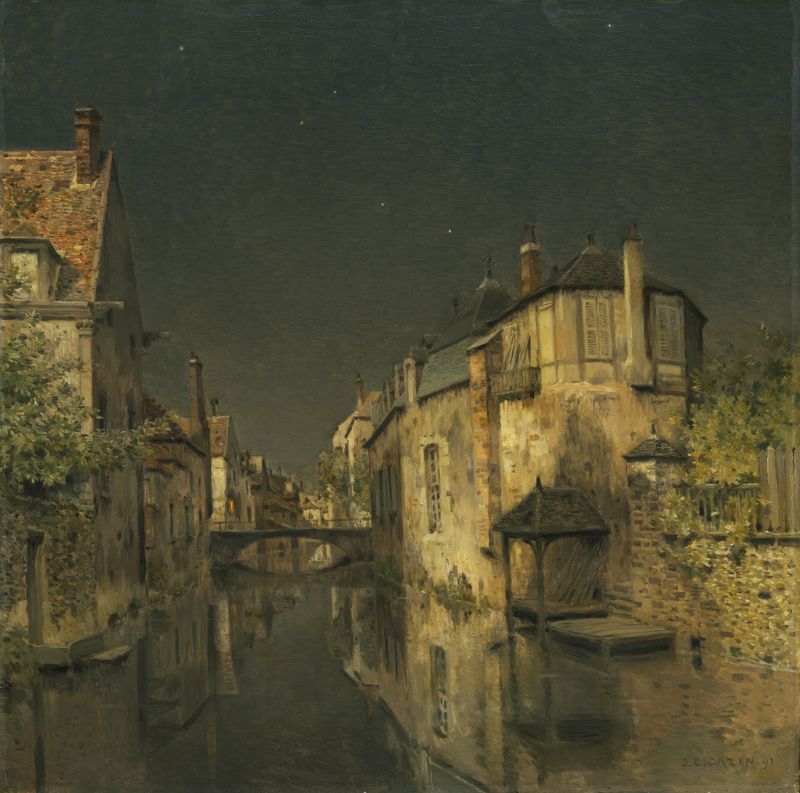
Midnight
Jean Charles Cazin

Tobias and the Angel
Jean Charles Cazin

October Day
Jean Charles Cazin

Paysage au clair de lune
Jean Charles Cazin
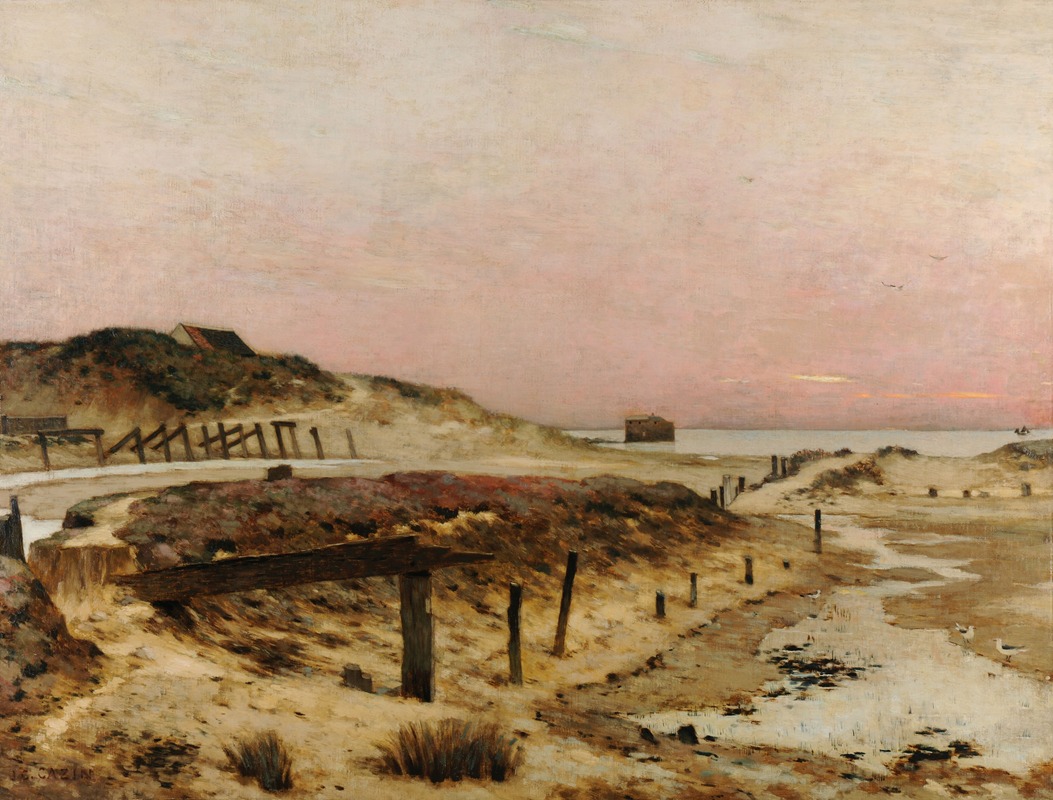
Rest on the Flight into Egypt
Jean Charles Cazin
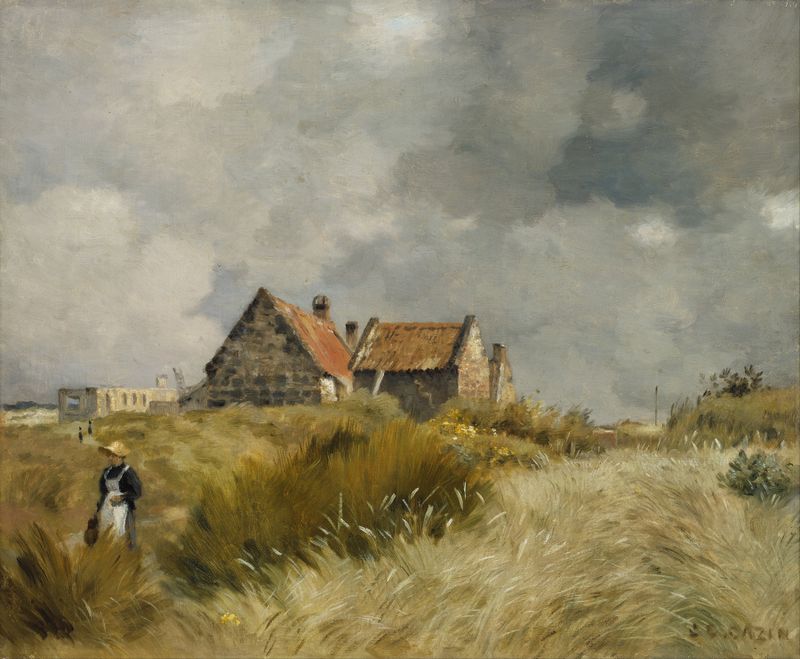
Cottage in the Dunes
Jean Charles Cazin

The Boatyard
Jean Charles Cazin





