Through the Trees — History & Facts
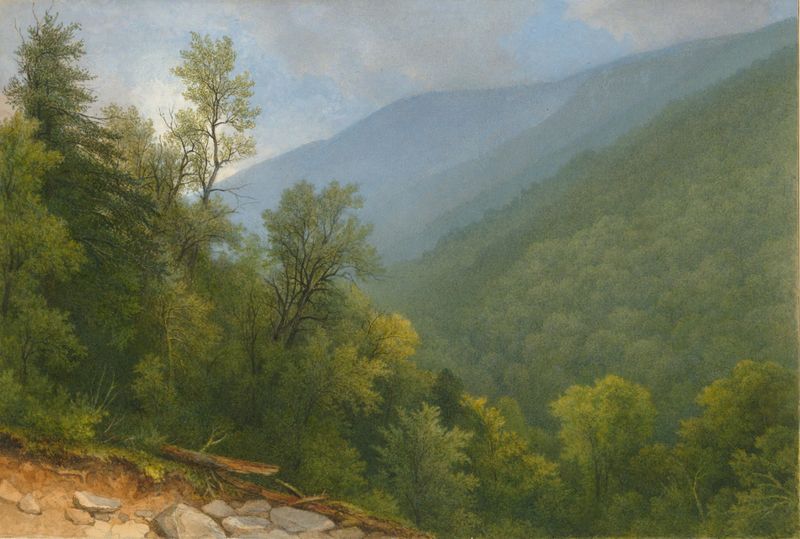
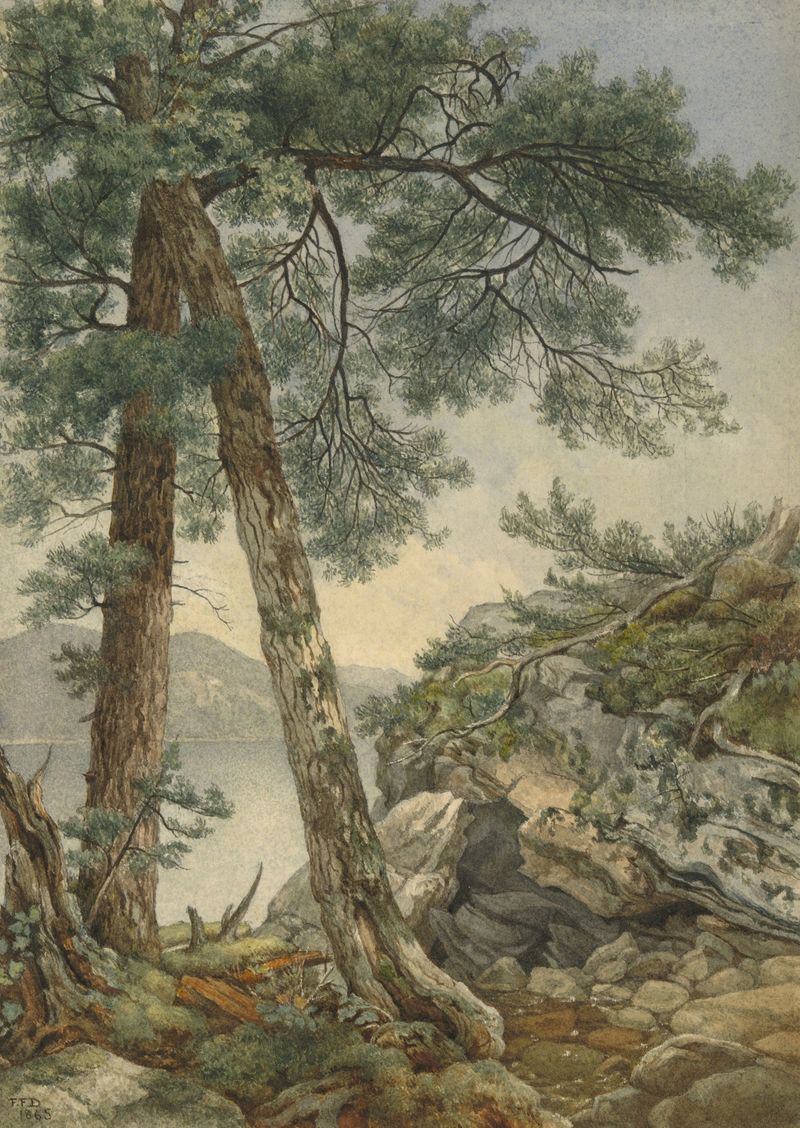
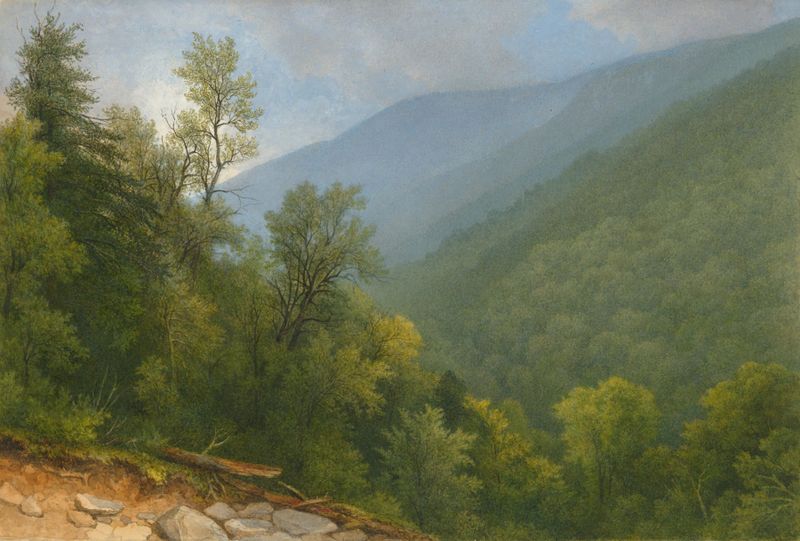
Can paint confess what words never could? In Through the Trees, the silent whispers of rebirth find their voice through vibrant greens and earthy browns, inviting us into a world of renewal. Look to the center of the canvas, where a dappled light filters through the branches, creating a mosaic of shadow and illumination on the forest floor. The brushstrokes dance with a lively energy, capturing the delicate texture of leaves and the sturdy embrace of the trunks. Notice how the contrasting warm and cool tones breathe life into the landscape, as if every hue stands ready to tell its own story of growth and transformation. In this lush scene, the play between light and dark symbolizes the duality of existence: the struggle between decay and vitality.
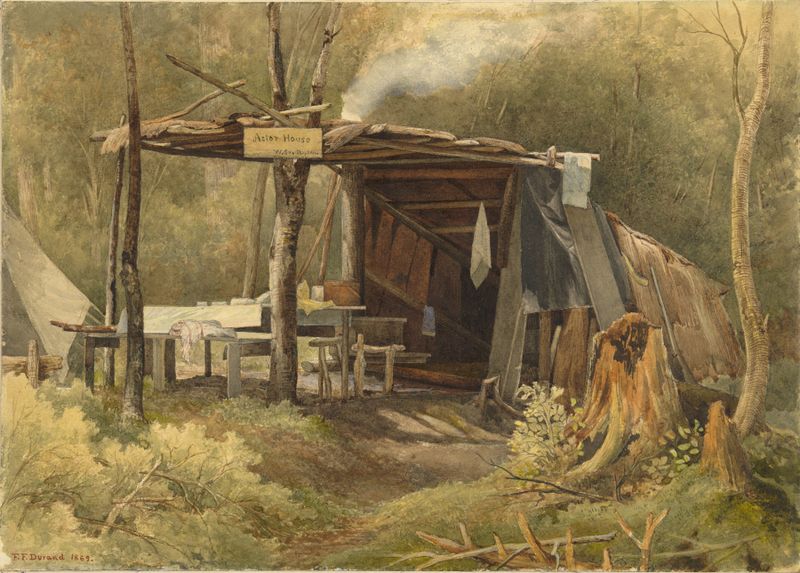
The trees, tall and steadfast, seem to guard the secrets of the past, while the scattering of light beckons the viewer to embrace the future. Each element, from the hidden pathways to the soft foliage, speaks of possibilities, reminding us that every ending carries the seed of a new beginning. Frederick Frank Durand painted this piece in 1865 during a period marked by artistic exploration and the rise of the American landscape movement. He was influenced by the Hudson River School, yet sought to establish his own voice, capturing the essence of nature's cycles.
This painting emerges from a time of personal evolution for the artist, reflecting both his artistic ambitions and the broader cultural shifts of his era.