
Thurnen — History & Facts
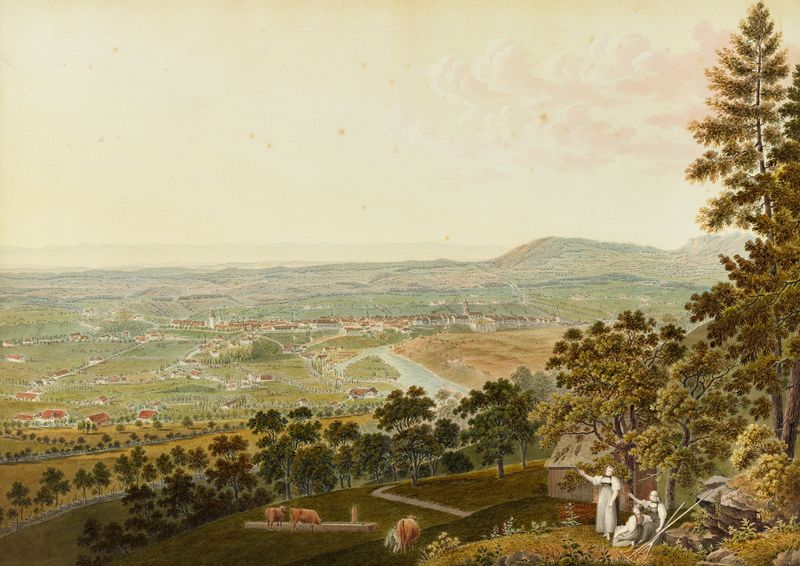
In moments of loss, the quiet speaks louder than words ever could, laying bare our deepest vulnerabilities. Look to the center of the canvas, where muted tones intertwine, creating a hauntingly poignant atmosphere. The soft, diffused light casts long shadows, suggesting an absence that lingers in the air. The composition feels both intimate and expansive, inviting the viewer to explore the interplay of light and dark, as if each brushstroke seeks to articulate unspoken grief.
Colors blend seamlessly, evoking a sense of nostalgia while transporting us to a space that feels both familiar and distant. Notice the delicate details woven into the fabric of the scene, from the subtle textures that hint at memories long gone to the contrasting elements of hope and despair. Each shadow seems to resonate with a story, echoing the complexities of mourning. The absence of defined figures amplifies the emotional weight; it feels as if the viewer is left alone to confront their own losses, grappling with the silence enveloping them.
This deep emotional tension generates a profound connection, urging introspection and reflection. Jakob Samuel Weibel painted Thurnen during a time marked by personal and artistic upheaval. Although the exact date remains uncertain, it is believed to have been created in the early 20th century, amid a post-war Europe grappling with existential questions and searching for meaning. This backdrop undoubtedly influenced his exploration of loss, inviting viewers to confront the fragility of existence and the haunting nature of absence within their own lives.
More Artworks by Jakob Samuel Weibel
Browse all →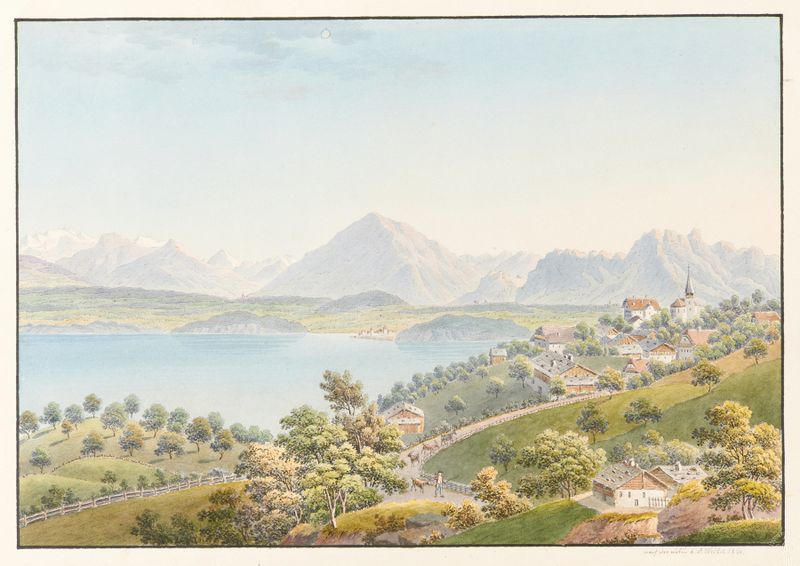
Vue dessiné depuis le Village de Sigriswil, audessus du Lac de Thoune
Jakob Samuel Weibel
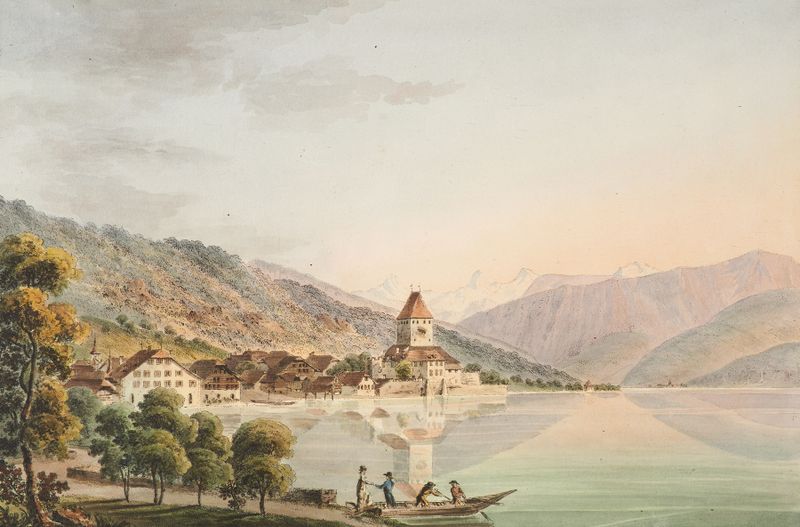
Vûe du Chateau d’Oberhofen au Lac de Thoune
Jakob Samuel Weibel
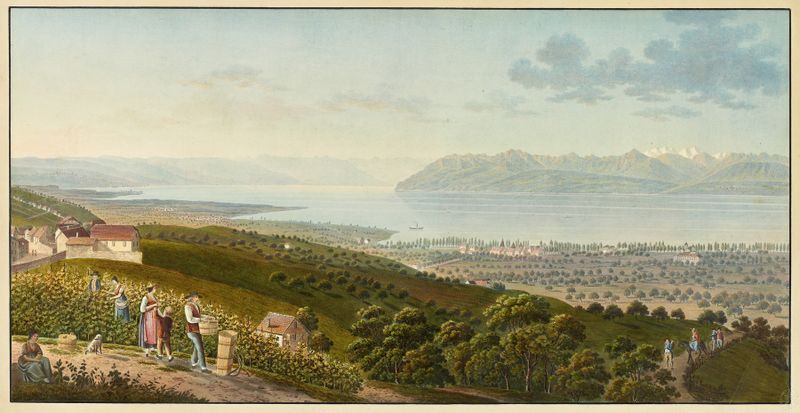
Vue genérale du Lac de Geneve
Jakob Samuel Weibel
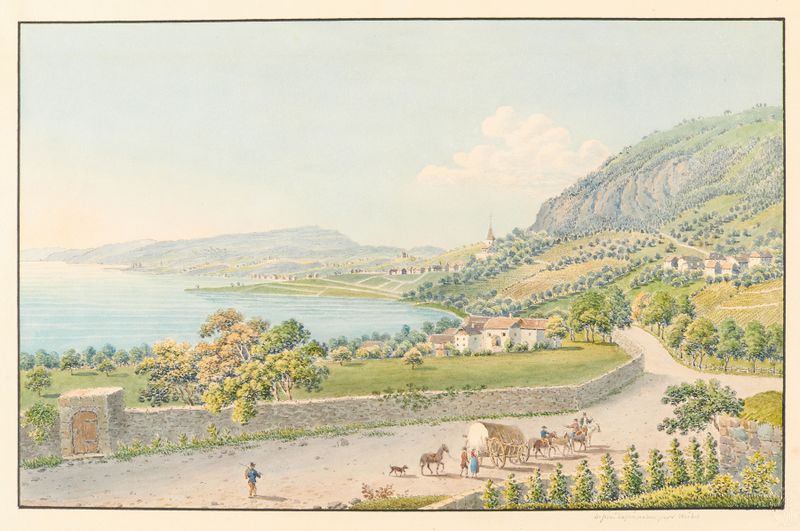
Vue des environs de Montreux et de Clarens
Jakob Samuel Weibel
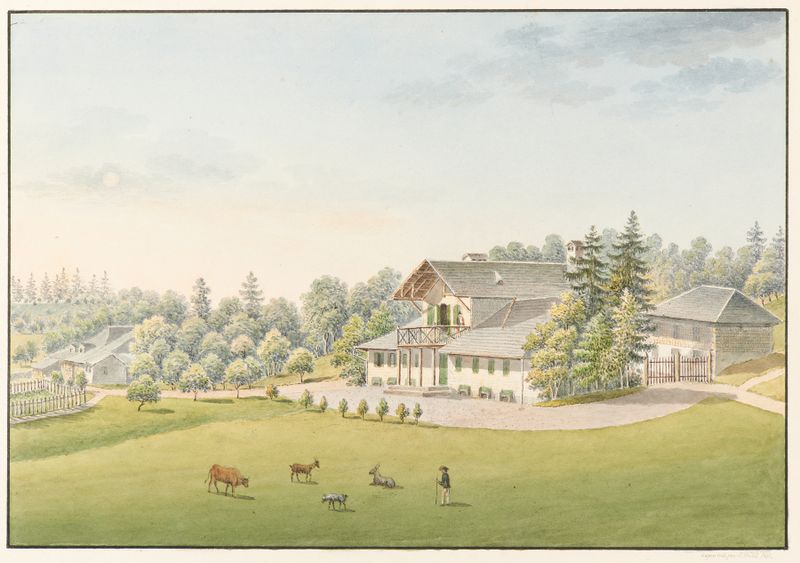
Vue du nouveau Châlet de Vernand
Jakob Samuel Weibel
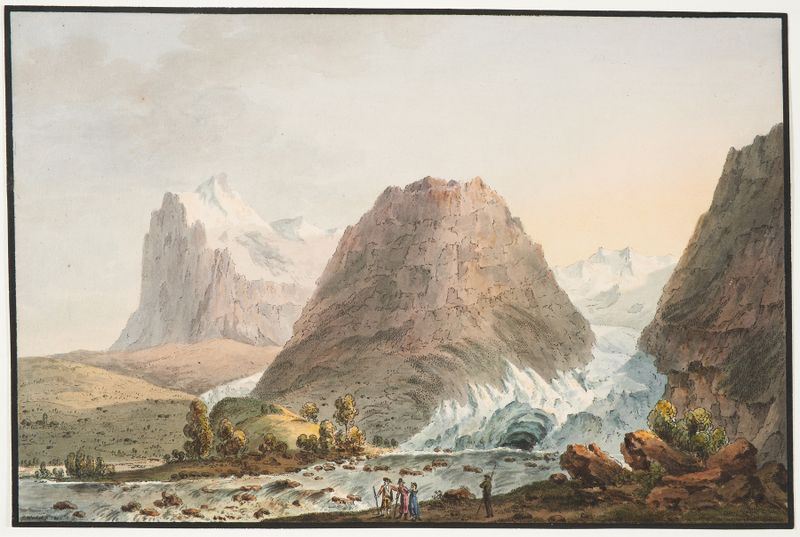
Vûe des Glacieres de Grindelwald
Jakob Samuel Weibel
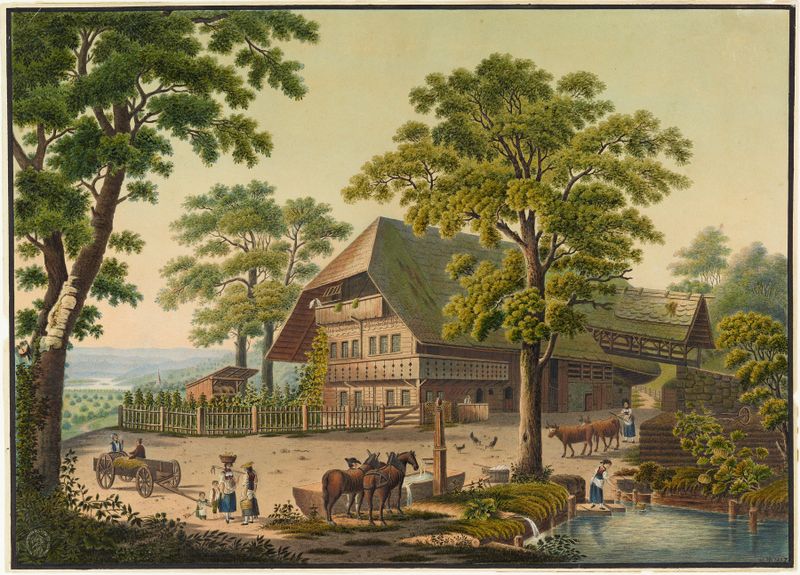
Maison de paysan près Wichtrach
Jakob Samuel Weibel
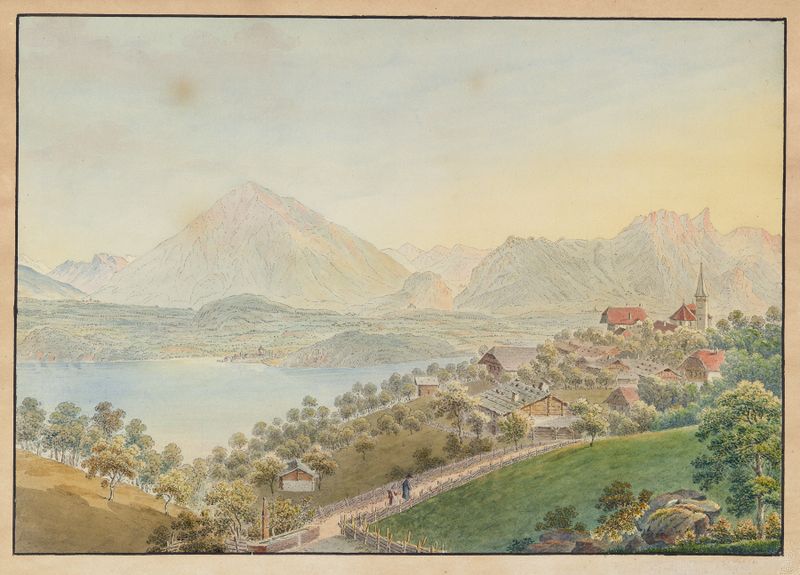
Ansicht von Sigriswil mit Niesen und Thunersee
Jakob Samuel Weibel
Ansicht Berns und der Aare vom Gurten aus
Jakob Samuel Weibel

Lausanne Ville capitale du Canton de Vaud
Jakob Samuel Weibel





