
Tivoli, Rom — History & Facts
The hush of melancholy hangs heavily in the air, draping the scene in a kind of unspoken yearning. What stories lie beneath the surface of this serene landscape, where nature seems to embody the weight of unvoiced emotions? Focus on the lush greenery that envelops the foreground, each leaf meticulously painted to capture the gentle dance of light filtering through the trees. Notice how the winding pathway invites the viewer's gaze deeper into the composition, drawing them towards the distant architecture nestled among the hills.
The soft palette of greens and earthy tones evokes a sense of tranquility, yet there lies an undercurrent of nostalgia that resonates throughout the piece. Delve into the details: the delicate interplay of shadows suggests a fleeting moment, perhaps a reminder of impermanence. The architecture, though serene, feels distant and unreachable, symbolizing lost dreams or unresolved pasts. Each brushstroke, imbued with longing, evokes the passage of time, as if the landscape itself has borne witness to a multitude of silent confessions whispered by those who once roamed its paths. In 1904, the artist created this work while living amidst the vibrant evolving art scene in Europe, where the transition from the 19th century was palpable.
Lach was influenced by the natural beauty of Italy during his time in Rome, seeking to capture both the physical landscape and the emotional landscapes of the human experience. This period marked a significant exploration of impressionism and the subtleties of light, setting the stage for his unique style to flourish.
More Artworks by Fritz Lach
Browse all →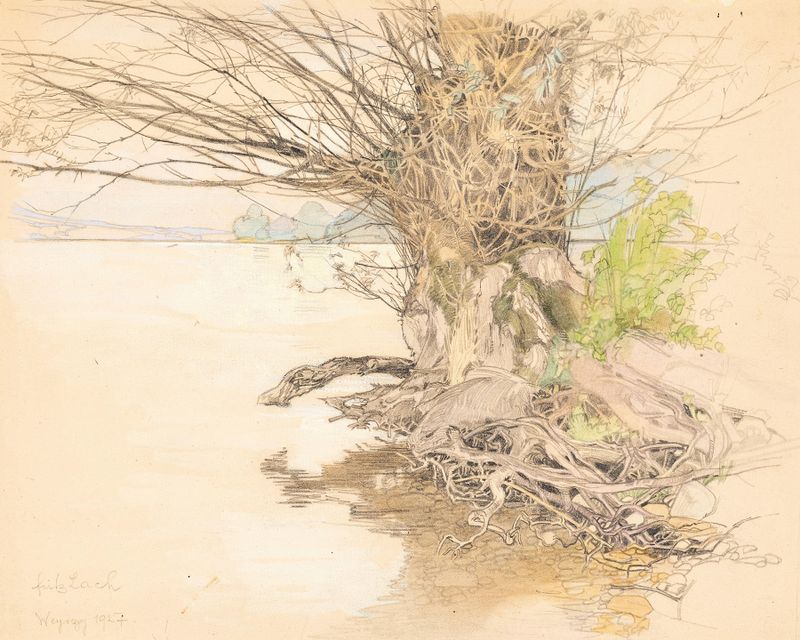
A willow tree at the lake shore
Fritz Lach
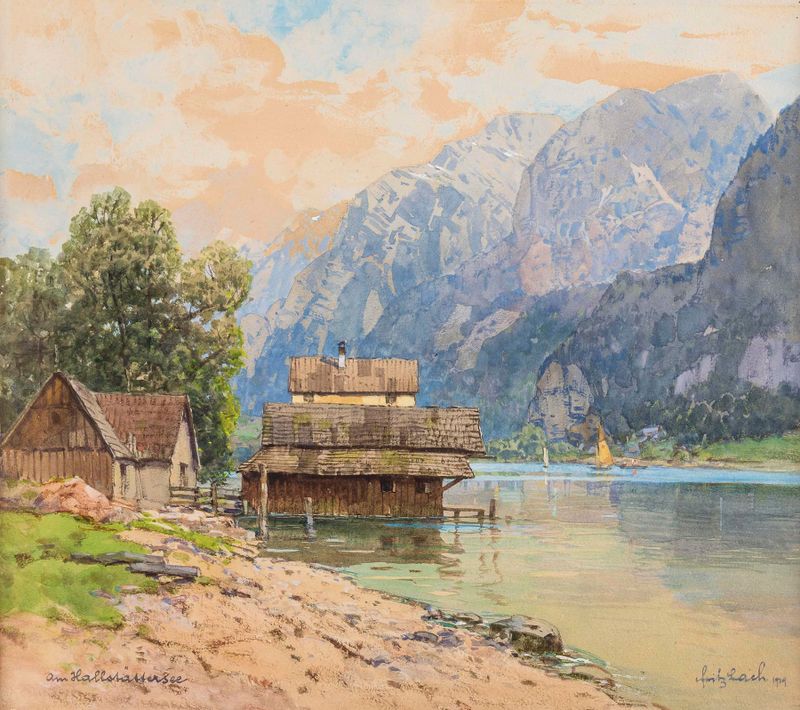
Bootshäuser am Hallstätter See
Fritz Lach
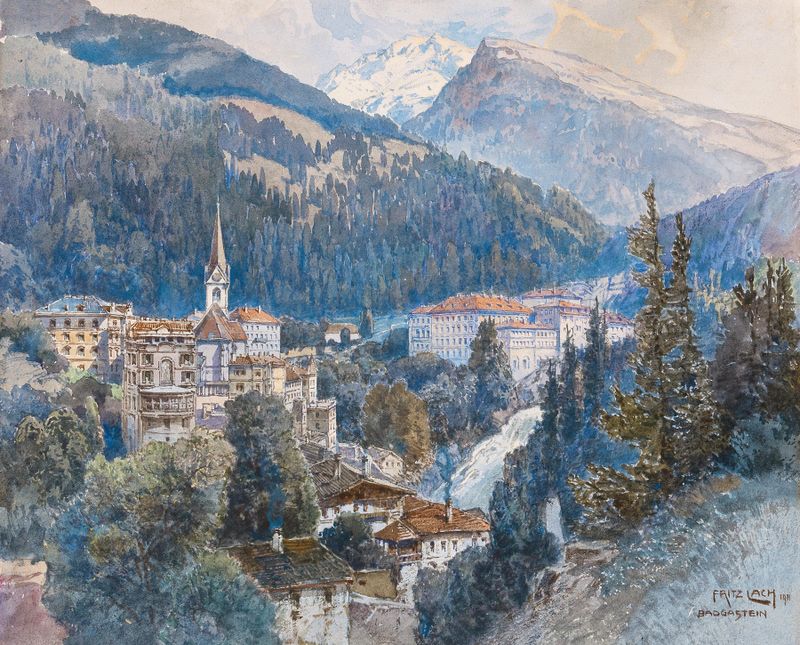
A view of Bad Gastein and the waterfall
Fritz Lach
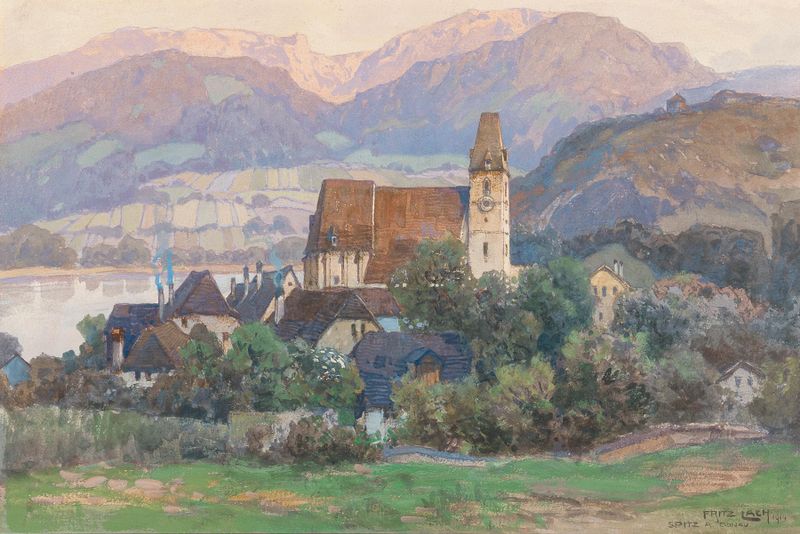
A view of Spitz in the Wachau valley
Fritz Lach
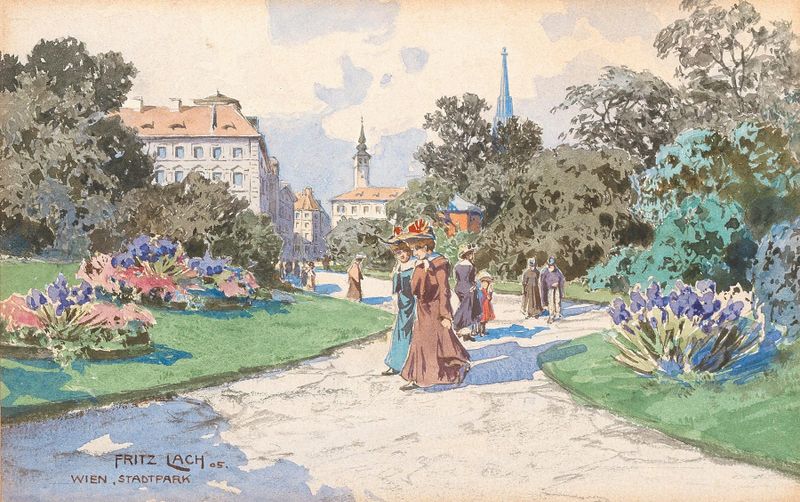
A walk in Vienna’s Stadtpark
Fritz Lach
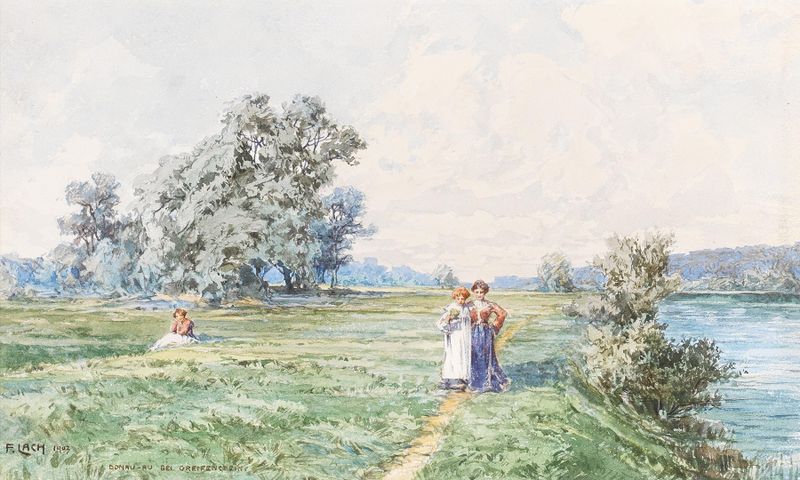
At the Danube near Greifenstein
Fritz Lach
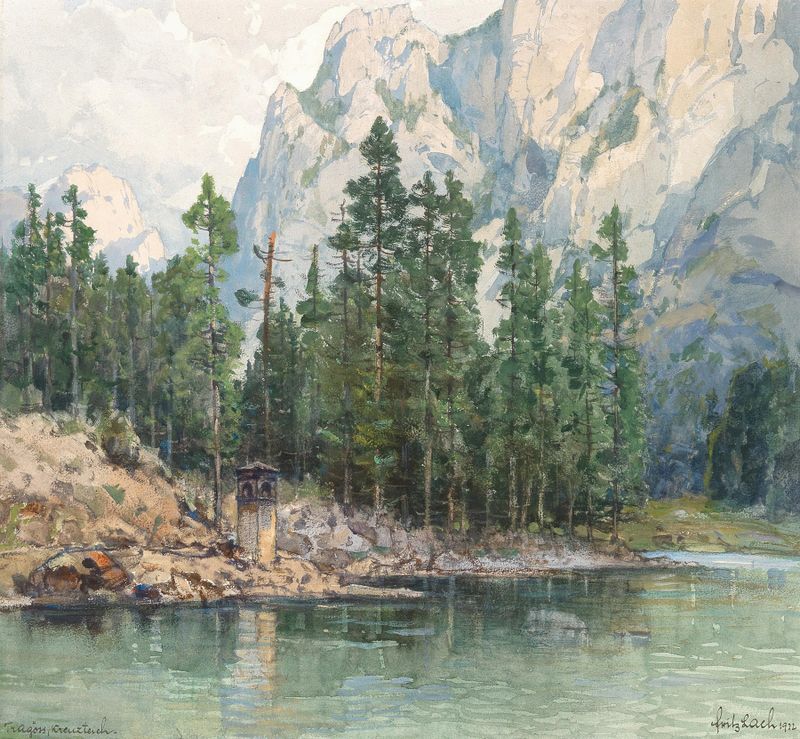
Kreuzteich near Tragöss
Fritz Lach
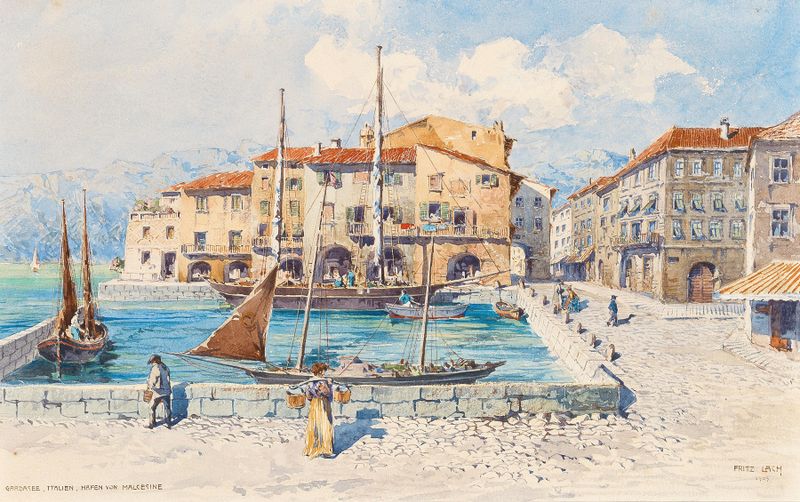
Malcesine near Gardasee
Fritz Lach
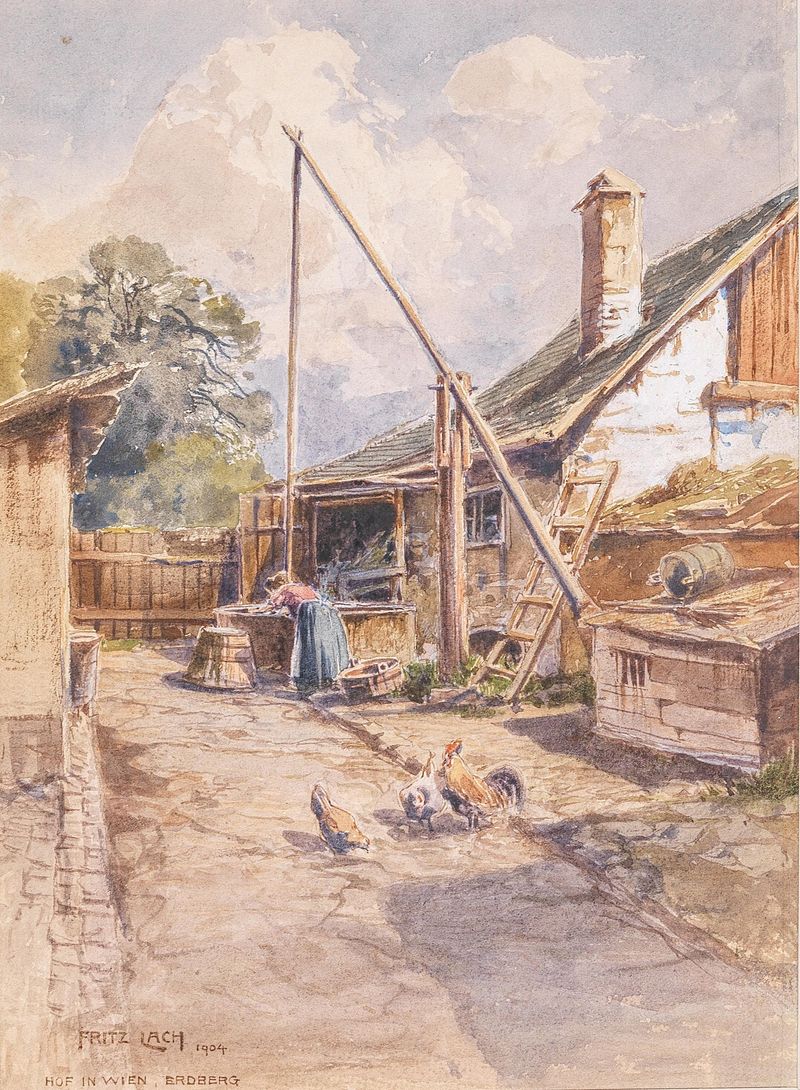
Hof in Wien Erdberg
Fritz Lach
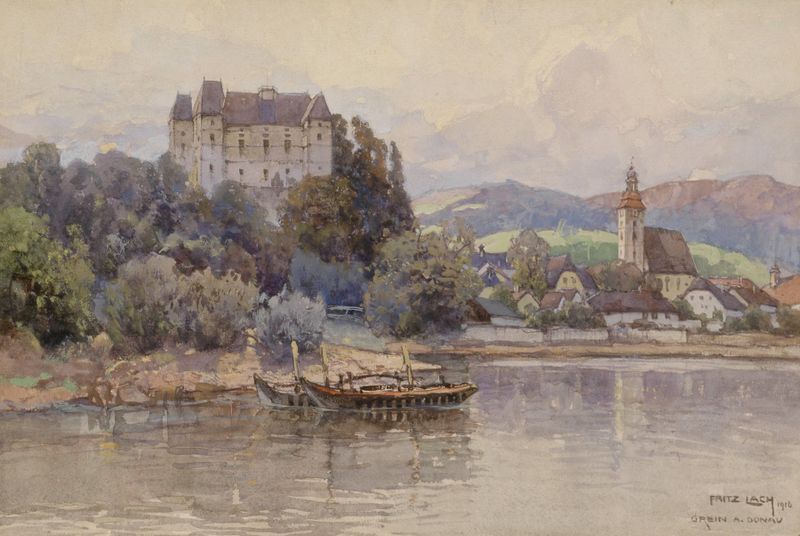
Blick auf Grein an der Donau
Fritz Lach





