
Torre Dos Clerigos, Oporto, Portugal — History & Facts
In moments of solitude, the heart whispers its deepest yearnings against the backdrop of a vibrant world, yet here, loneliness finds its canvas. Look closely at the towering silhouette that dominates the left of the painting, a church spire stretching towards the heavens. Notice the intricate details etched into the stone, illuminated by dappled sunlight that dances across the facade, creating a dialogue between shadow and light. The palette, a blend of muted earth tones and soft blues, evokes a sense of tranquility amidst the bustling life of Oporto, while the surrounding architecture gently frames the tower, inviting your gaze to linger on this monument of solitude. As you explore the scene, consider the emotional tension between the towering structure and the empty streets below.
The sparse presence of human figures imbues the work with a haunting stillness, suggesting that this place, once alive with activity, now bears the weight of forgotten stories. The contrast between the solidity of the tower and the delicate whispers of the surrounding landscape speaks of permanence and transience, where moments are frozen in time yet echo the loneliness that lingers in the heart of a city. James Holland painted this work during a period of artistic exploration in the 19th century, when the Romantic movement was at its peak. Influenced by his travels across Europe, Holland sought to capture the essence of place and emotion in his landscapes.
In Oporto, amidst the shifting tides of change in both society and art, Holland found inspiration in the ephemeral beauty of architecture set against the passage of time.
More Artworks by James Holland
Browse all →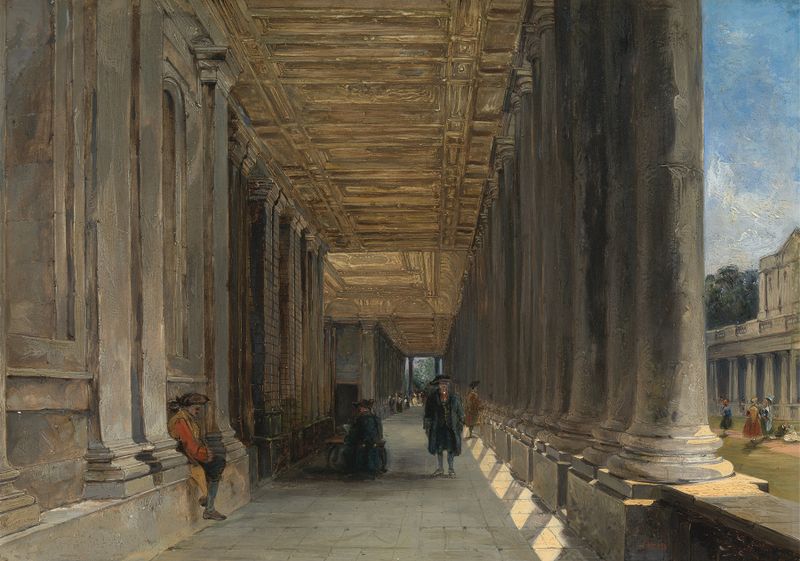
The Colonnade of Queen Mary’s House, Greenwich
James Holland
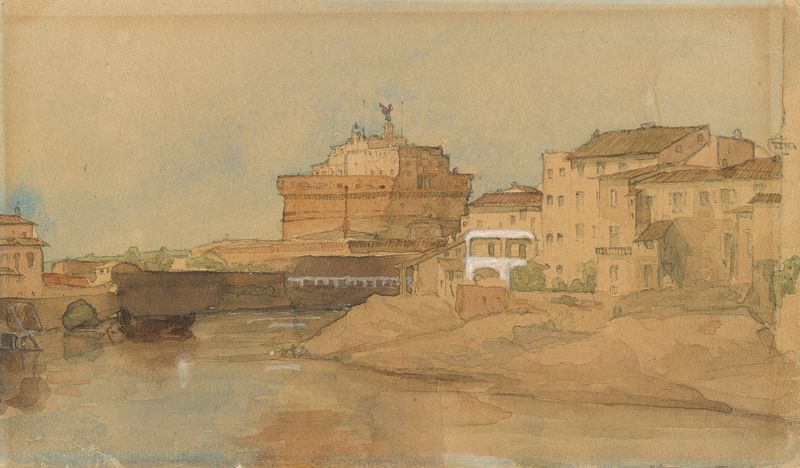
View of Castel Sant’ Angelo from the Tiber
James Holland
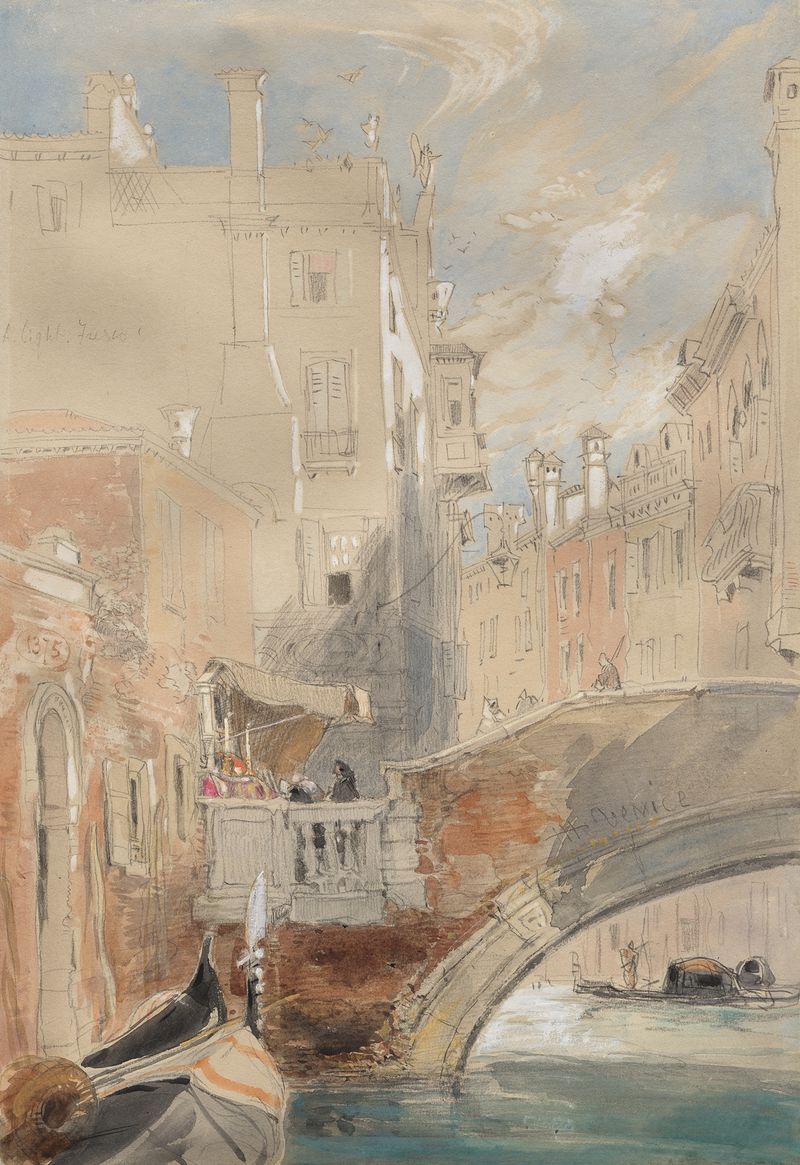
A Canal, Venice
James Holland
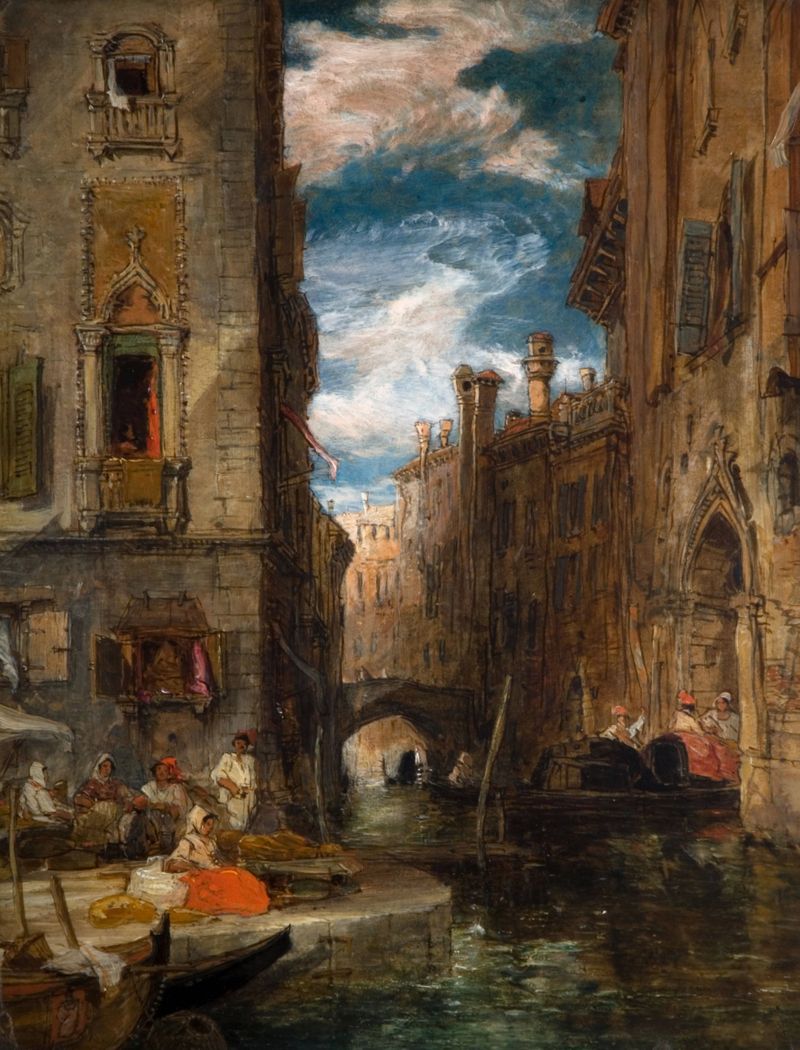
A Recollection Of Venice
James Holland
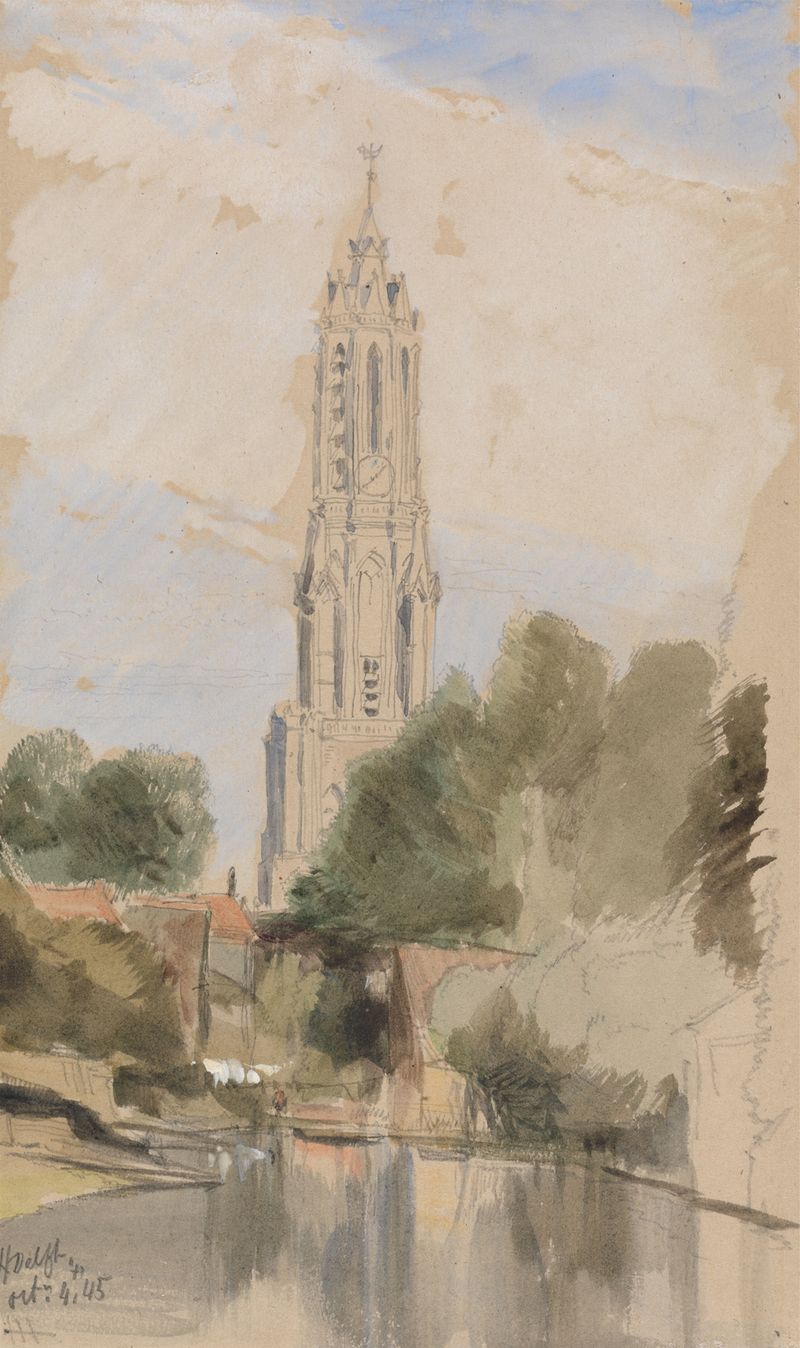
Delft
James Holland
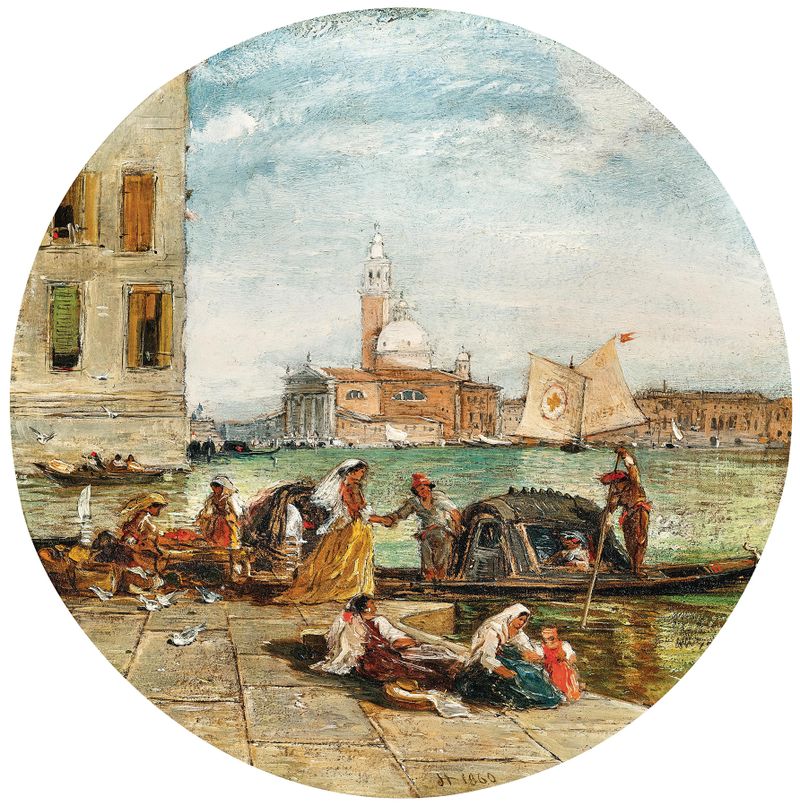
Venice, a view of San Giorgio Maggiore
James Holland
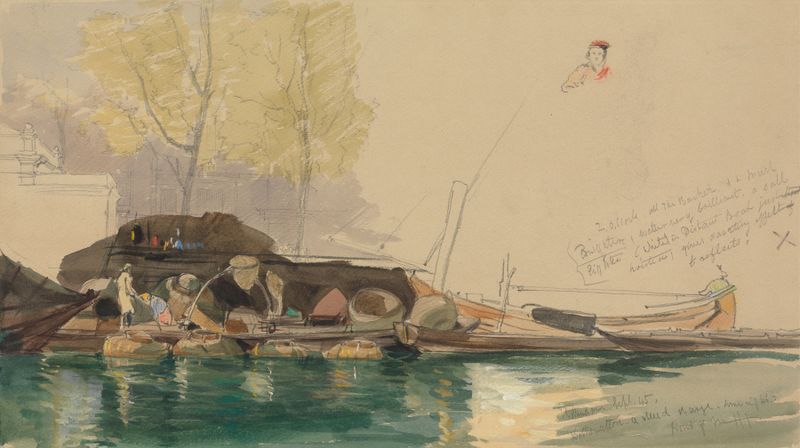
Barges on a Canal in Rotterdam
James Holland

Landschap bij Sintra, Portugal
James Holland
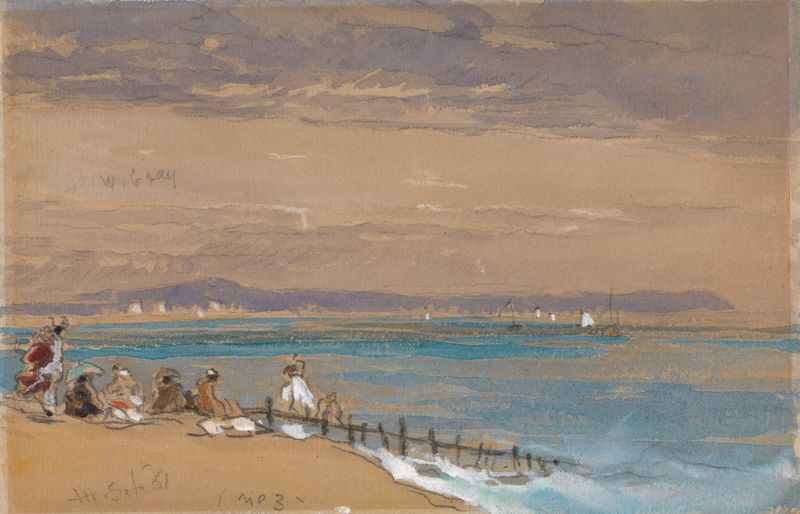
Beach Scene with Figures by a Breakwater
James Holland
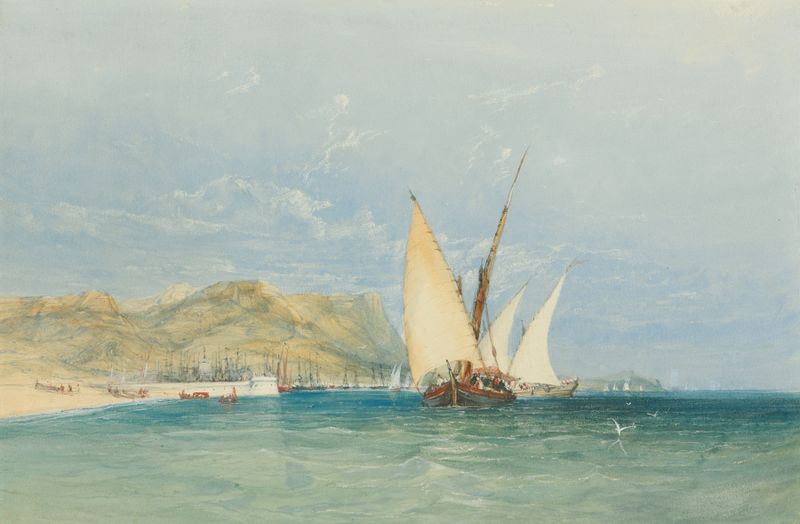
Coast Scene with Sailing Boats
James Holland
More Architecture Art
Browse all →
The statue of Liberty
Frédéric Auguste Bartholdi

View of Houses in Delft, Known as ‘The Little Street’
Johannes Vermeer

View of Houses in Delft, Known as ‘The Little Street’
Johannes Vermeer

The Cathedral in Rouen. The portal, Grey Weather
Claude Monet

The yellow house
Vincent van Gogh

The Church in Auvers-sur-Oise, View from the Chevet
Vincent van Gogh