
Tour de Montalban, Amsterdam — History & Facts
In the quiet contemplation of a solitary landscape, loneliness becomes a poignant character, whispering through the strokes of the canvas. Look closely at the soft, muted tones that envelop the scene. The winding path leads the eye to a distant horizon, where trees stand tall yet isolated, their branches stretching like arms in search of connection. Notice how the gentle interplay of light and shadow creates a sense of depth, suggesting both the beauty and the desolation of this tranquil moment.
The clouds, painted with a delicate touch, hover low, reflecting the melancholic yet serene atmosphere of the surroundings. There’s an emotional tension present in the stark contrast between the expansive sky and the secluded earth below. The viewer may sense a longing for the connection that the figures seem to miss, almost as if the landscape itself laments the absence of human presence. Each brushstroke evokes a sense of nostalgia, allowing one to feel the weight of solitude while simultaneously appreciating the beauty of the untouched natural world. Maxime Lalanne created Tour de Montalban in 1881 during a time when the Impressionist movement was gaining momentum in France.
Based in Paris, Lalanne was deeply influenced by his contemporaries but often preferred to explore quieter, less populated scenes. This painting reflects his desire to capture the essence of solitude within landscapes, marking his unique contribution to the evolving narratives of art during that period.
More Artworks by Maxime Lalanne
Browse all →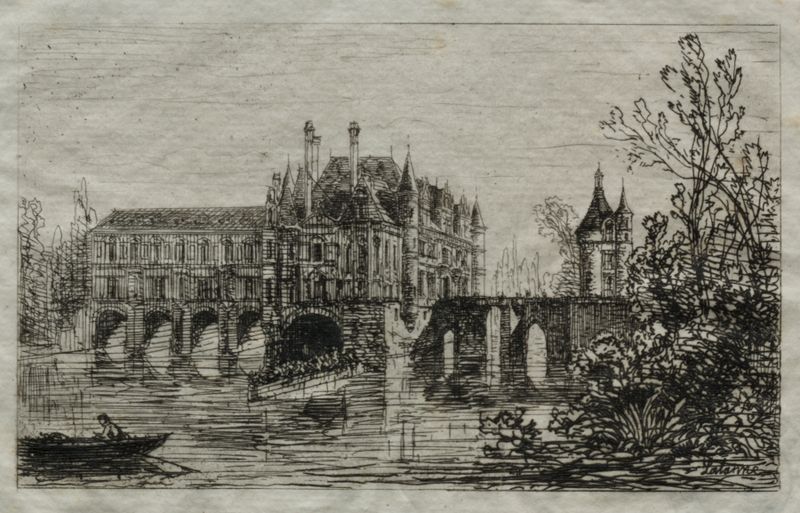
Château de Chenonceau
Maxime Lalanne
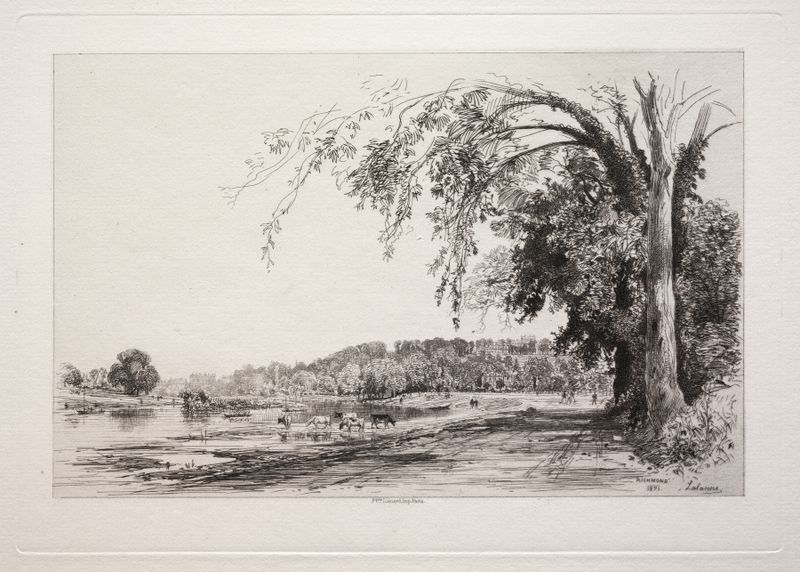
Richmond
Maxime Lalanne
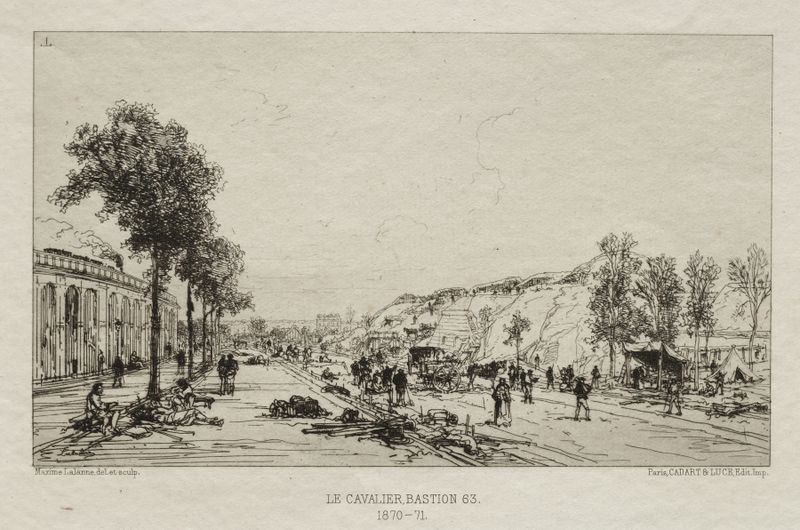
Souvenirs artistiques du Siège de Paris; Le Cavalie (Bastion 63)
Maxime Lalanne
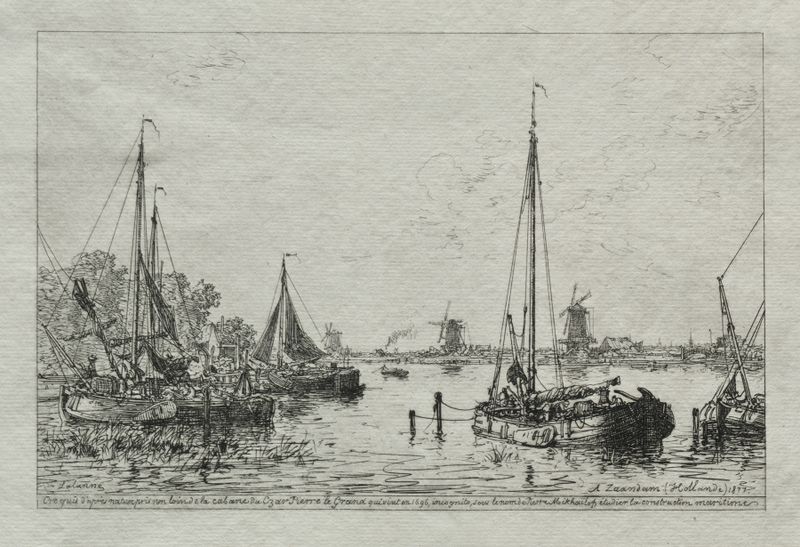
Sketch from Nature
Maxime Lalanne
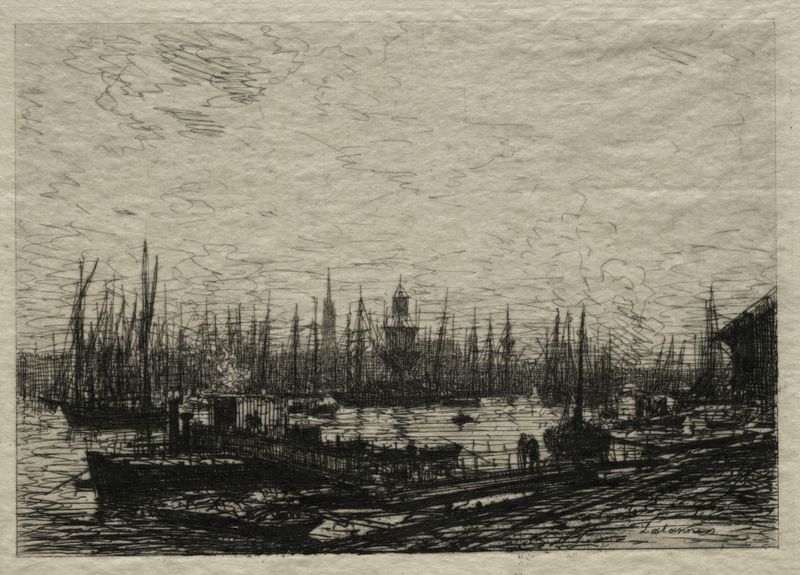
In the Bordeaux Harbor
Maxime Lalanne
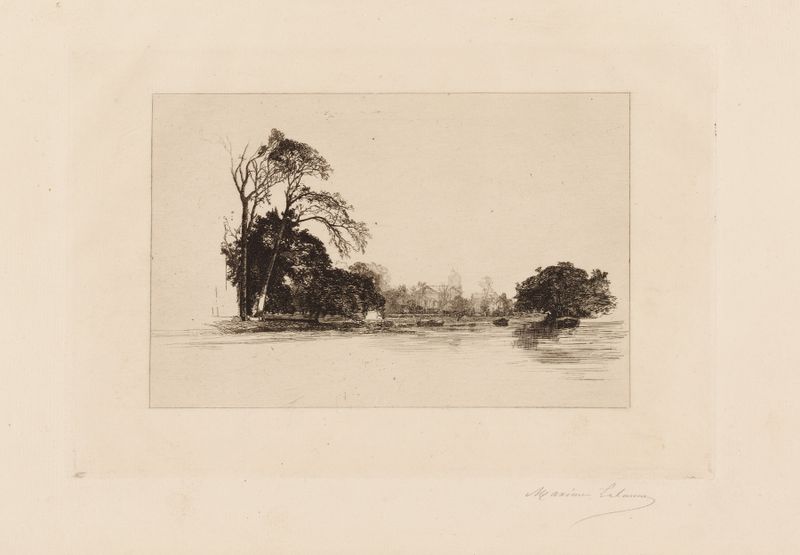
Bank of the Thames
Maxime Lalanne
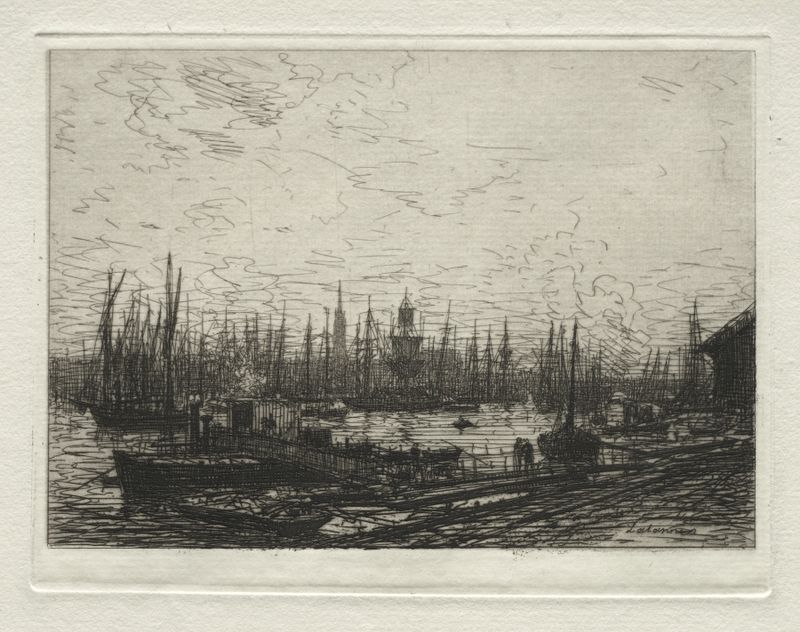
Port of Bordeaux
Maxime Lalanne
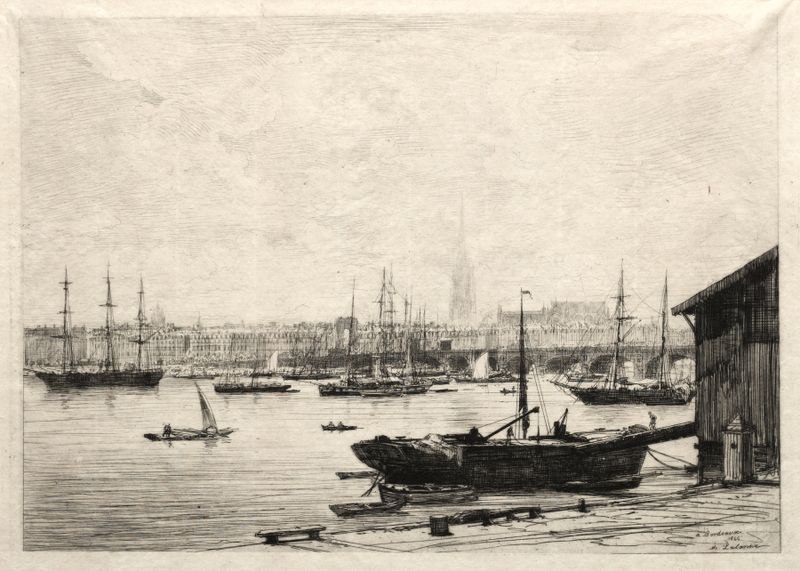
Bordeaux
Maxime Lalanne
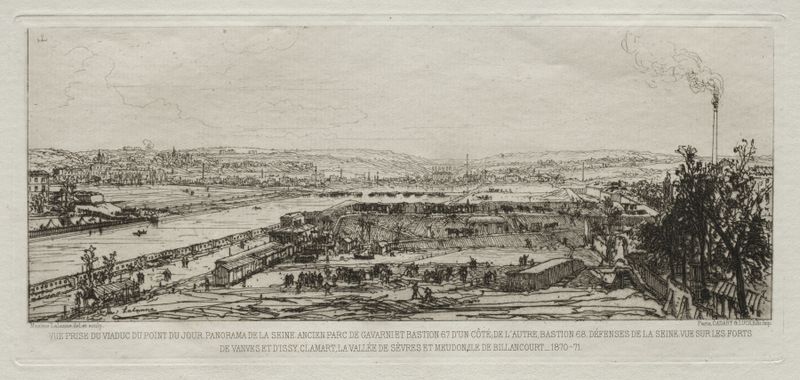
View from the Viaduct at the Pont-du-Jour, Panorama de la Seine
Maxime Lalanne
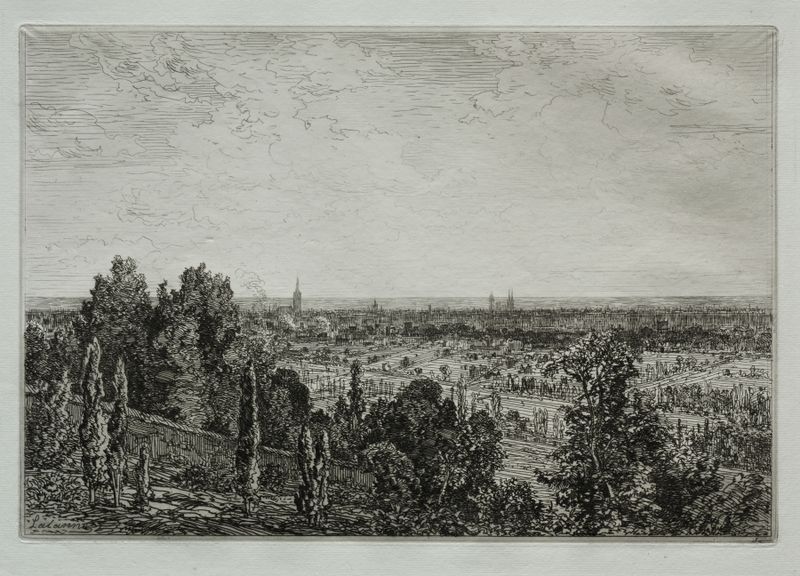
Bordeaux, View from the Coast of Cénon
Maxime Lalanne





