
Tour Du Prieuré De St. Nicolas-Au-Bois (Aisne) — History & Facts
When did color learn to lie? In the realm of beauty, what is real and what is mere illusion often intertwine. Look to the left at the soft hues of lavender and gold that cascade over the landscape. The light dances subtly across the fields, revealing the delicate brushwork that hints at an ethereal quality, inviting the viewer into a tranquil moment. The gentle sweep of the foreground leads the eye towards the church steeple, a steadfast presence amid the undulating landscape, while the sky above swells with a spectrum of blues that gradually fade into soft whites.
Each stroke reveals Petit’s mastery in capturing an ephemeral beauty that feels almost palpable. As layers of color build upon one another, a rich tapestry of emotion unfolds. The tranquil scene is both serene and poignant, suggesting a fleeting beauty that is ever so fragile. The juxtaposition between the vibrant flora and the stark architecture of the steeple sharpens the viewer’s awareness of time’s passage, illuminating the ephemeral nature of life itself.
There is an underlying tension between the permanence of the building and the lush yet fleeting blooms, a metaphor for human existence woven delicately into the fabric of nature. Victor Petit created this work in 1860, during a period marked by a growing interest in the natural world and its representation in art. Living in France amid a shifting artistic landscape, he was influenced by the burgeoning Impressionist movement, which sought to capture the transient effects of light and color. This painting emerges as a testament to that evolution, reflecting a time when artists began to embrace the beauty of the ordinary and the profound in the everyday.
More Artworks by Victor Petit
Browse all →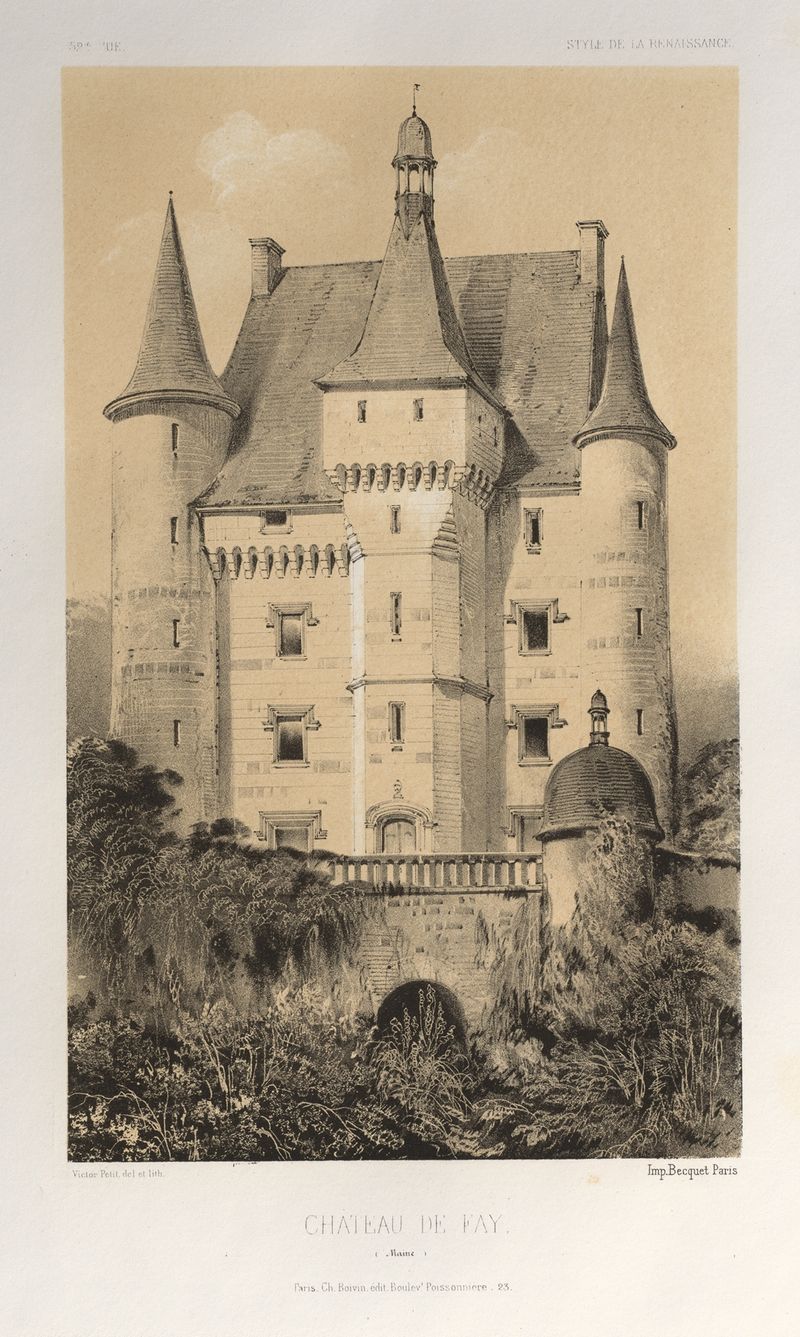
Château De Fay (Maine)
Victor Petit
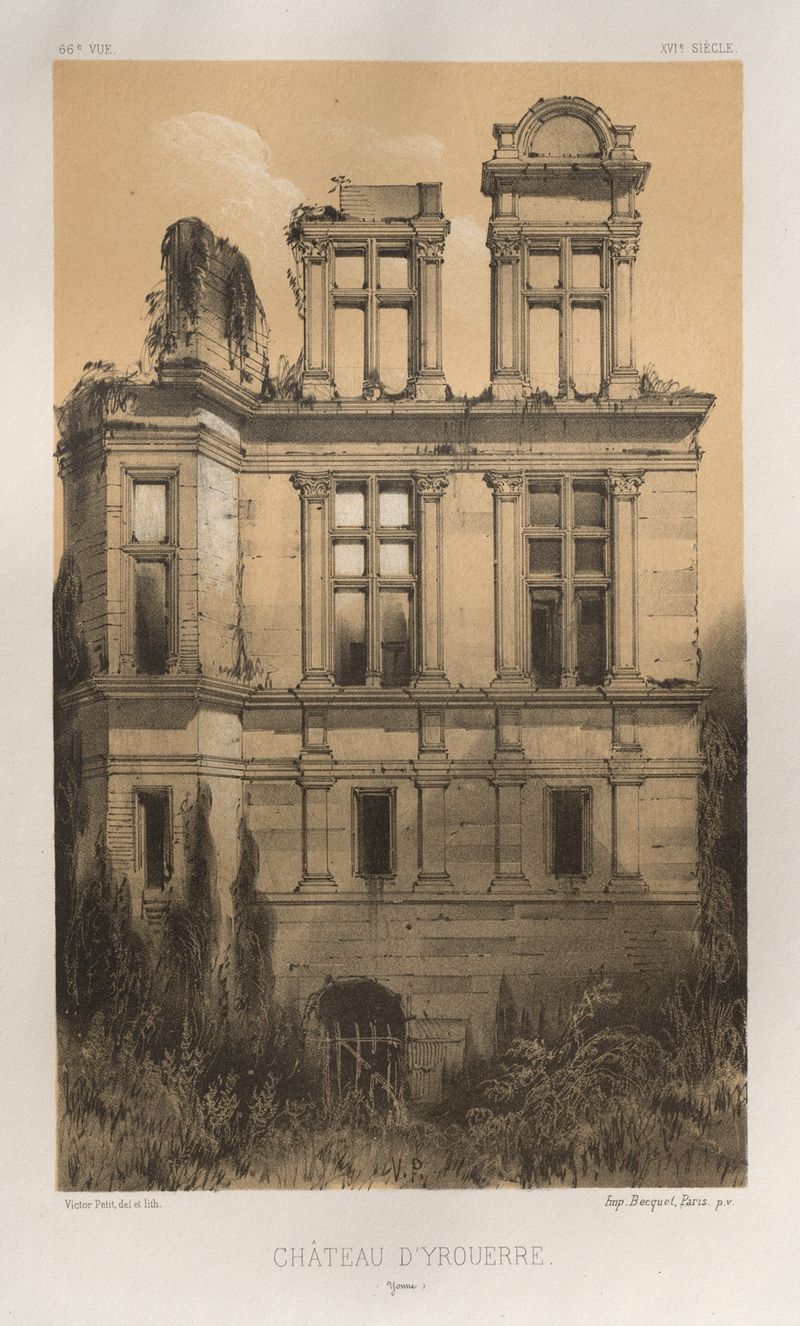
Château D’Yrouerre (Yonne)
Victor Petit
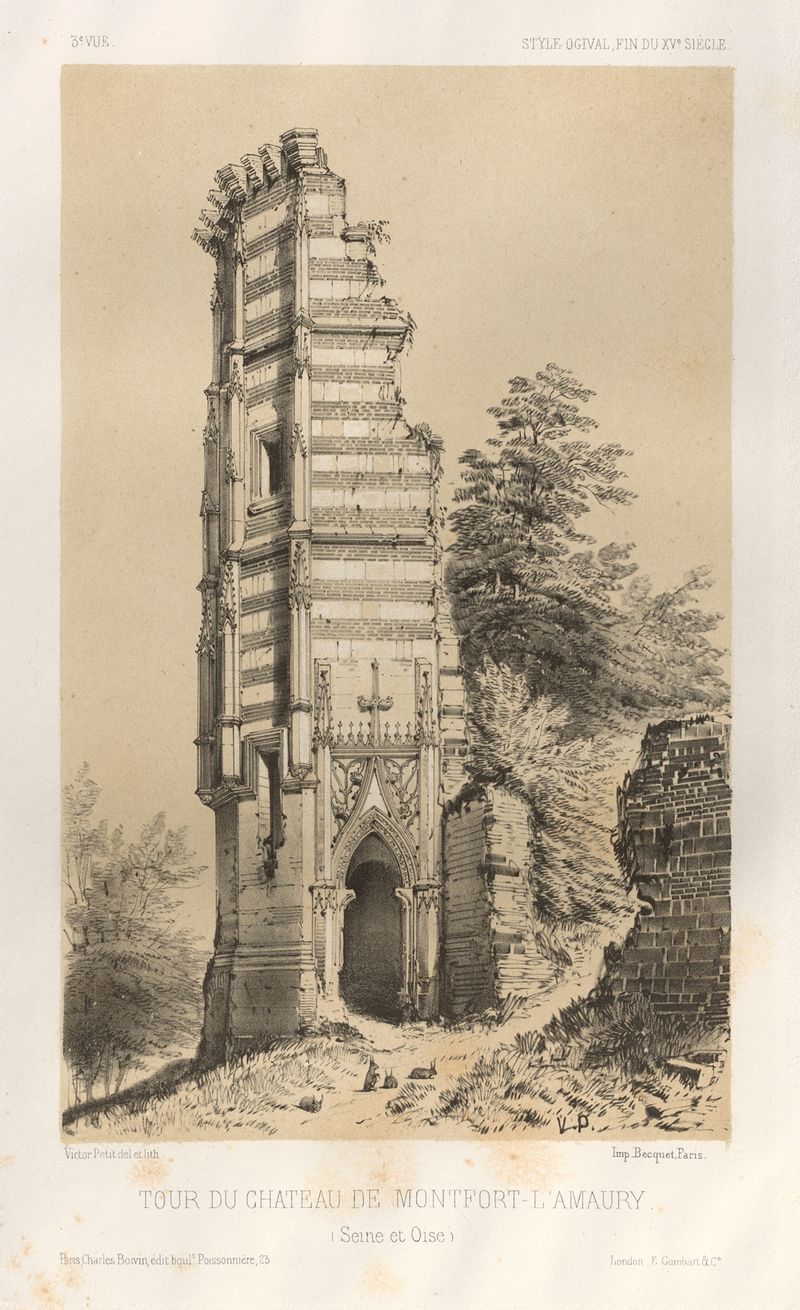
Tour du chateau de Montfort-l’Amaury (Seine-et-Oise)
Victor Petit

Tour Du Port De Marseille (Bouches Du Rhône)
Victor Petit
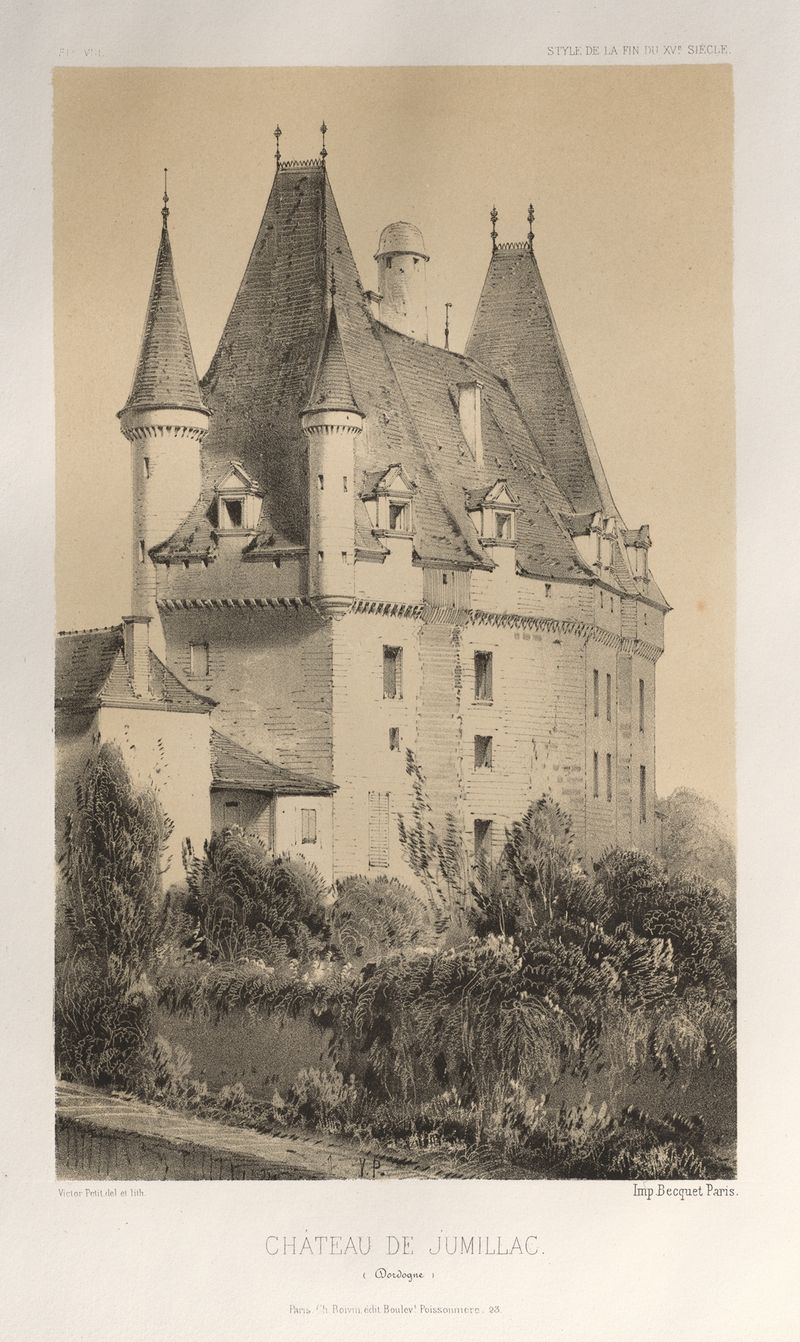
Château De Jumillac (Dordogne)
Victor Petit

Château de Tévray (Eure)
Victor Petit

Galerie Du Château De Jouancy (Saone et Loire)
Victor Petit

Château De Mello (Oise)
Victor Petit
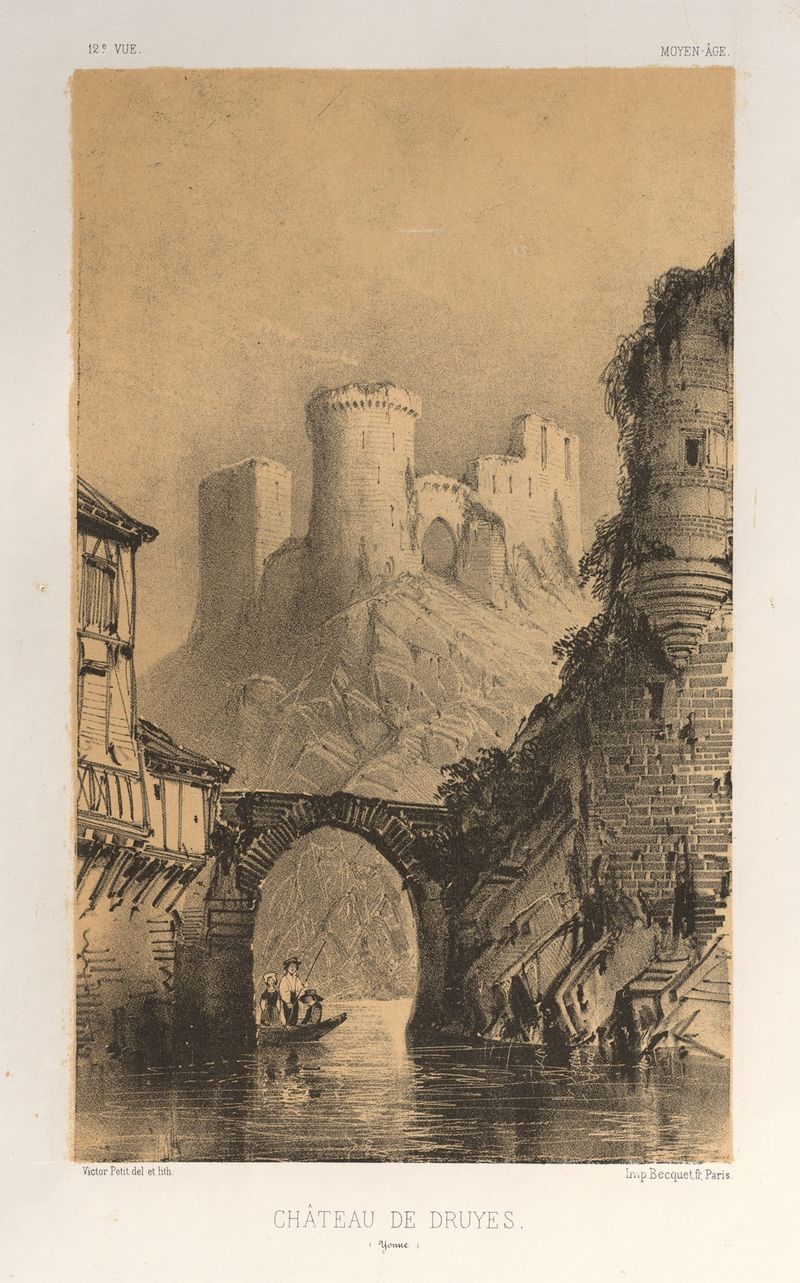
Chateau De Druyes (Yonne)
Victor Petit

Le ChasteLet-Neuf (Corrèze)
Victor Petit





