
Tournant de rivière — History & Facts
Is this a mirror — or a memory? The shimmering surface of the river draws you in, inviting introspection and contemplation of truth, reality, and the passage of time. Look to the center of the composition, where the river bends gracefully, reflecting a soft palette of blues and greens. The water's undulating form captures the fleeting light of dusk, creating a luminescent dance on its surface. Notice how the trees on the riverbank, painted with intricate brushwork, seem to cradle the water, their dark trunks and leaf-laden branches contrasting with the ethereal brightness of the scene.
Each stroke reveals Ziem's mastery in depicting both the beauty and the complexity of nature. Delving deeper, one can sense the tension between stillness and movement in this serene landscape. The juxtaposition of the tranquil water and the dynamic foliage suggests a moment caught between two states of being — the peaceful present and the inevitable change of the future. Additionally, the subtle variations in color evoke emotions of nostalgia and longing, suggesting that what lies beneath the surface is as significant as what is seen. In the years between 1850 and 1860, Ziem created Tournant de rivière amidst a vibrant art world transitioning towards realism.
He painted this work in France during a period marked by both political upheaval and artistic exploration. As a prominent figure in the Barbizon school, Ziem was influenced by the natural landscapes of his surroundings, yet he sought to transcend mere representation, merging observation with emotional resonance in his landscapes.
More Artworks by Félix Ziem
Browse all →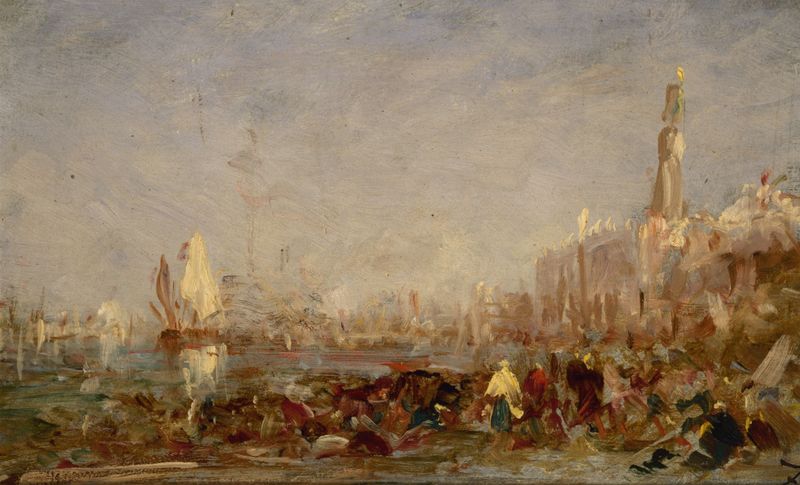
Venise
Félix Ziem
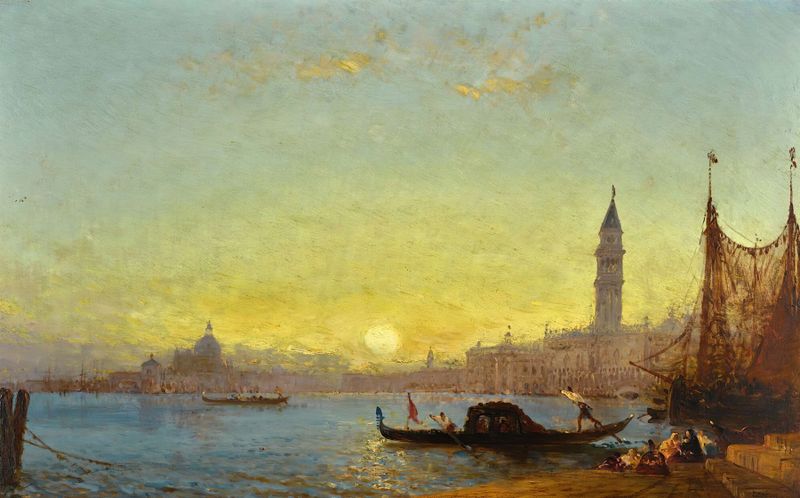
Coucher De Soleil À Venise
Félix Ziem
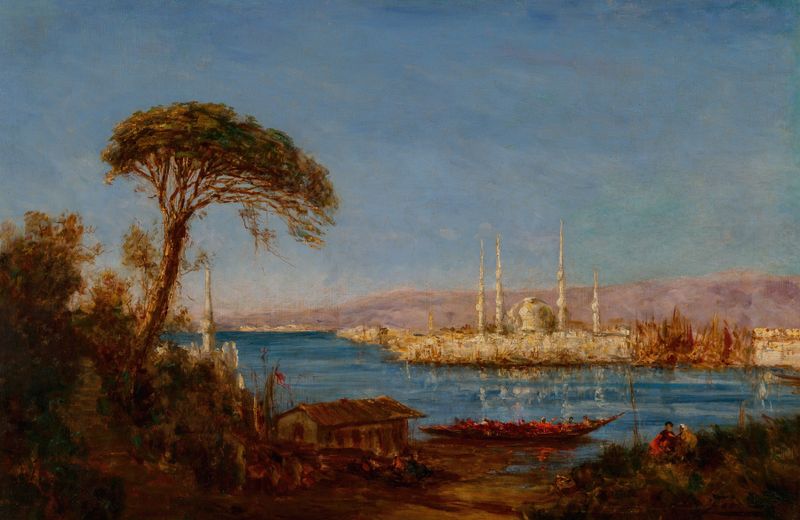
Constantinople
Félix Ziem
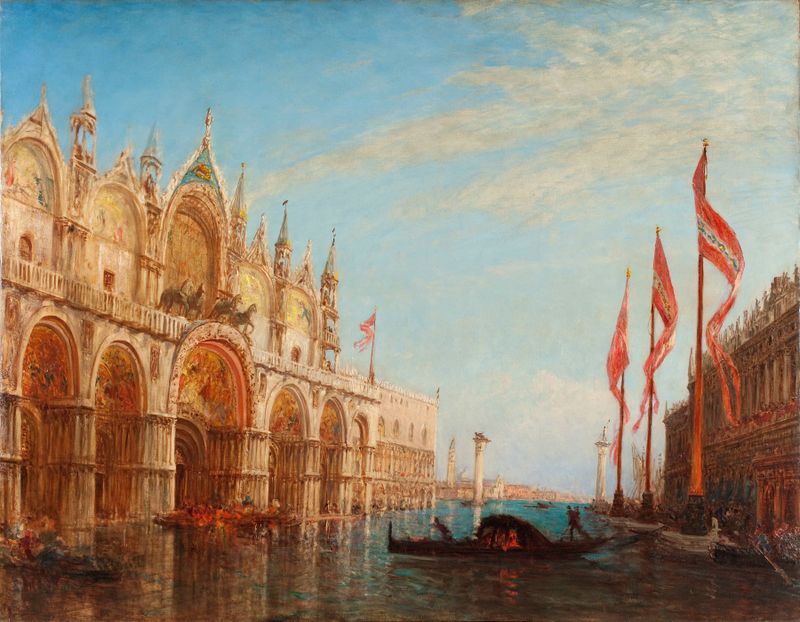
La place Saint-Marc, inondation de 1863
Félix Ziem
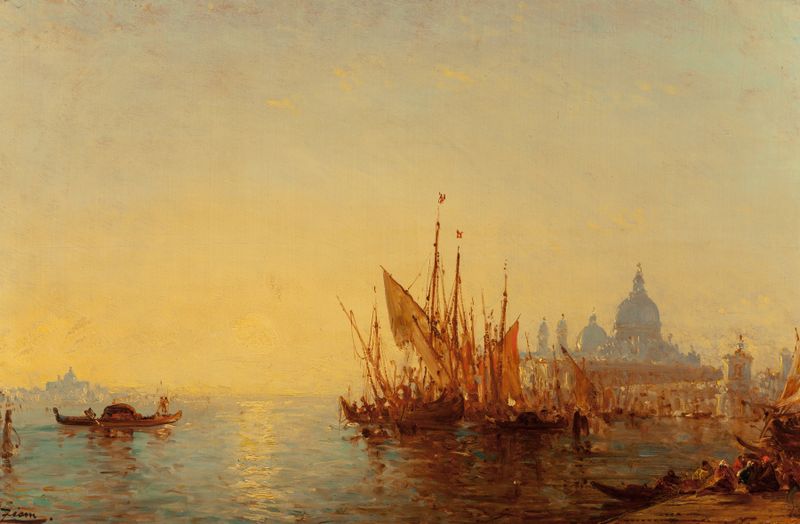
Bacino di San Marco
Félix Ziem
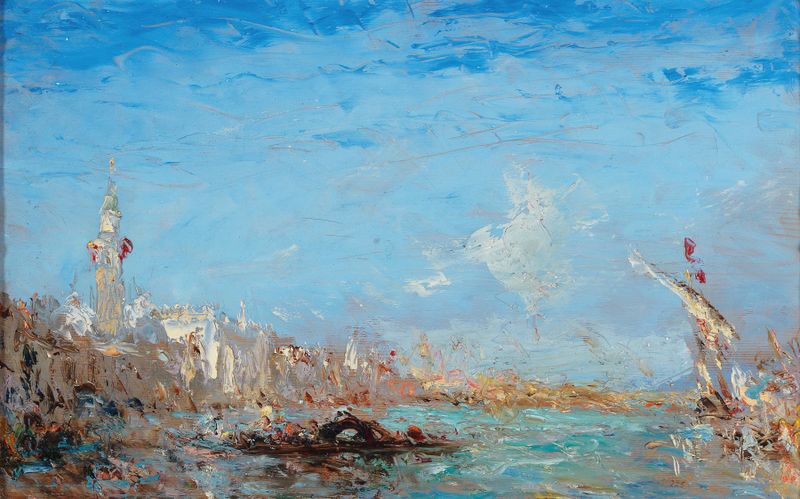
Canal Grande
Félix Ziem
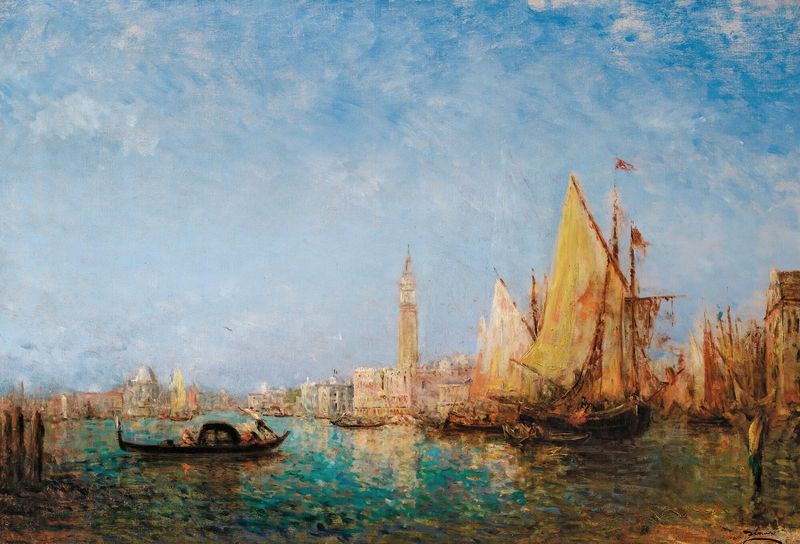
Le Palais Du Doge, Venise
Félix Ziem
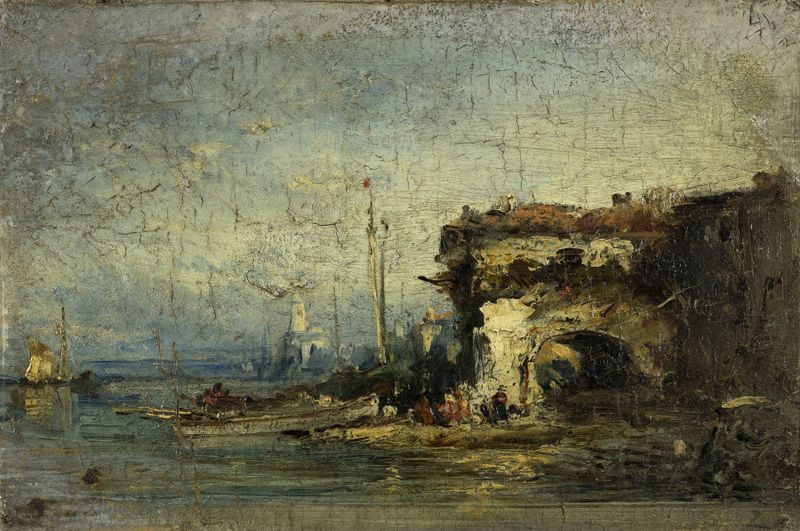
Vue d’Italie; la vieille porte
Félix Ziem
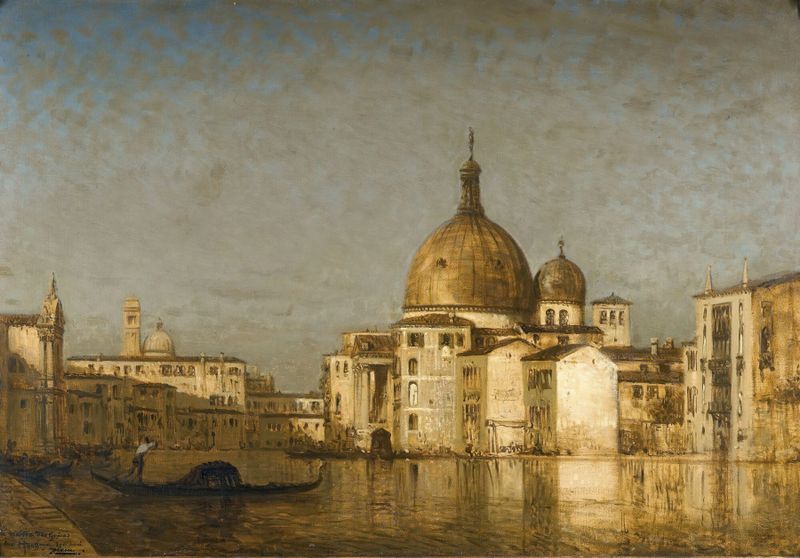
San Simeone Piccolo Au-Delà Du Grand Canal, Venis
Félix Ziem
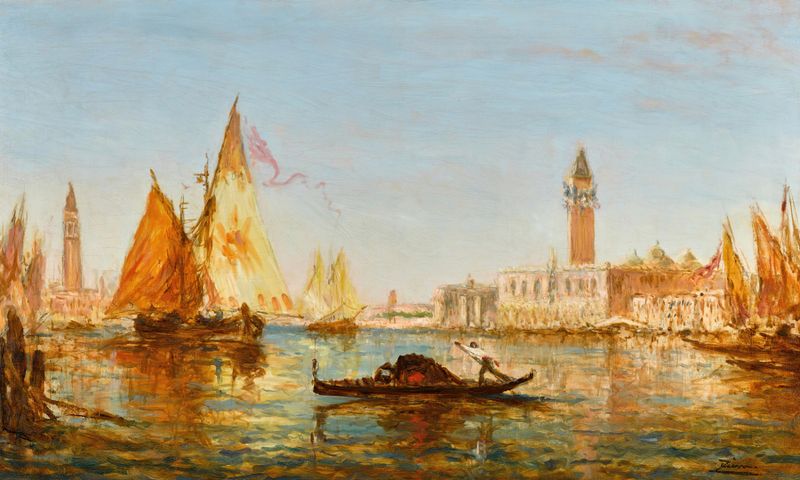
Venise, gondole et voiliers devant le Palais des doges et San Giorgio Maggiore
Félix Ziem





