
Traveler on a Road in a Forest — History & Facts
When did color learn to lie? It whispers of vibrant journeys yet conceals the solitary truth of the traveler’s path. Look to the left at the winding road, its earthy tones leading into a dense thicket of trees. The greens are deep and mossy, while dappled sunlight filters through the canopy, creating a dance of light and shadow that invites the eye forward. The solitary figure, draped in muted colors, stands as a stark contrast against the lush backdrop, embodying the weight of isolation amidst nature's embrace.
This visual tension between the vibrant world and the lone wanderer highlights an intricate balance between belonging and solitude. Delve deeper into the painting and notice the subtle details—the gnarled roots and fallen leaves that appear to whisper secrets of the forest. The traveler’s uncertain posture, slightly hunched as if bearing the weight of the world, hints at an inner turmoil. It is as if he treads the fine line between adventure and desolation, suggesting that while the forest is alive and thriving, his journey is marked by a profound sense of loneliness that echoes through the vibrant hues. Maxime Lalanne created this evocative piece in 1866, during a time when he was deeply engaged with landscape painting in France.
The burgeoning movement of realism was taking hold, and artists were increasingly focused on capturing the authentic experience of nature. Amidst personal challenges and a shifting art world, Lalanne's work emerged as a testament to the emotional depth that could be found in landscapes, blending beauty with poignant introspection.
More Artworks by Maxime Lalanne
Browse all →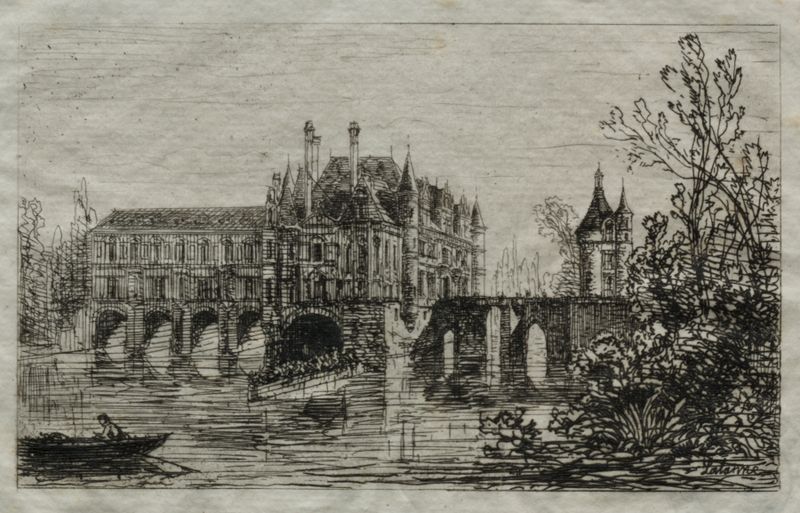
Château de Chenonceau
Maxime Lalanne
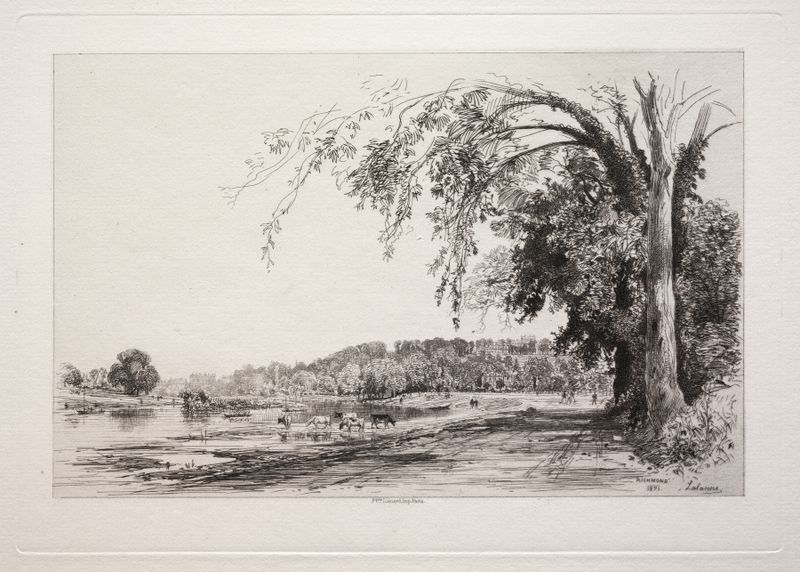
Richmond
Maxime Lalanne
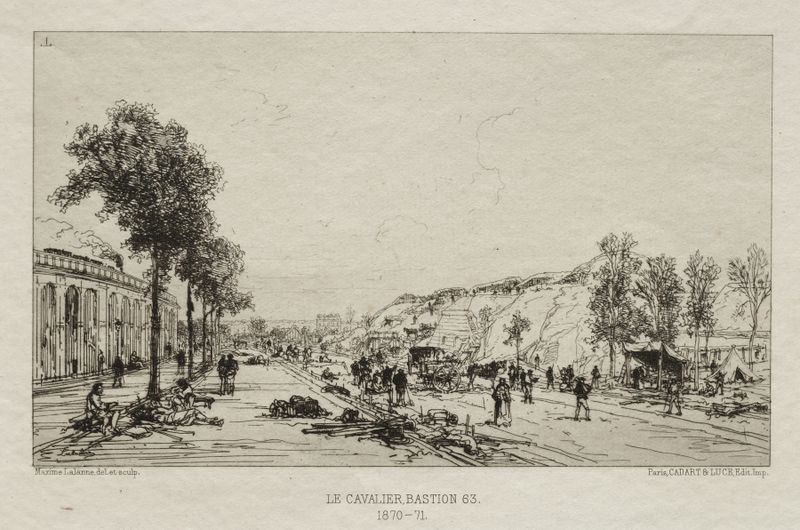
Souvenirs artistiques du Siège de Paris; Le Cavalie (Bastion 63)
Maxime Lalanne
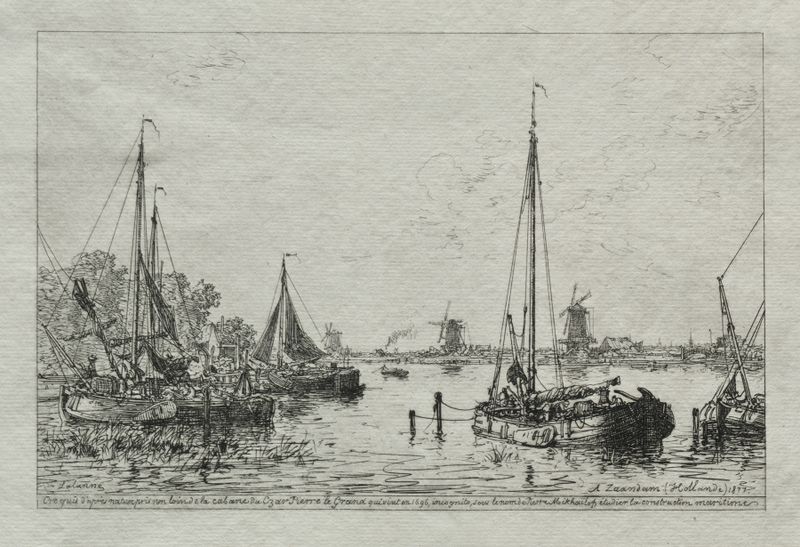
Sketch from Nature
Maxime Lalanne
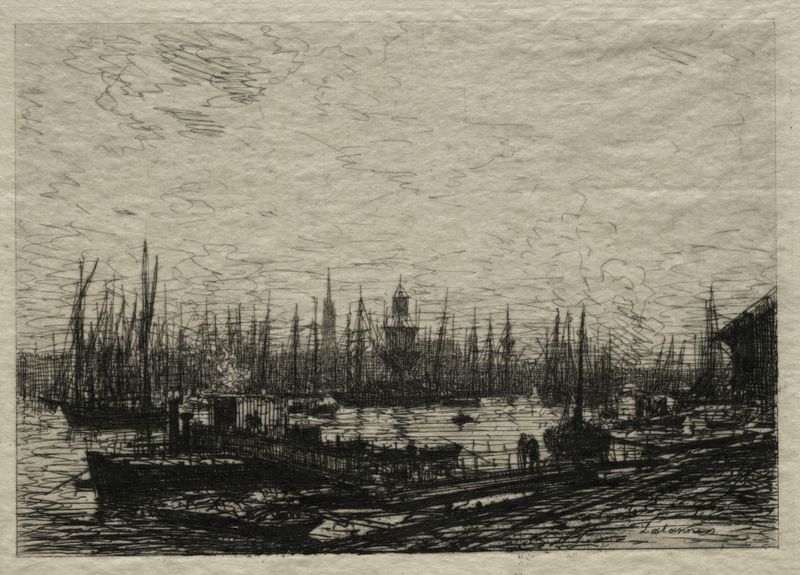
In the Bordeaux Harbor
Maxime Lalanne
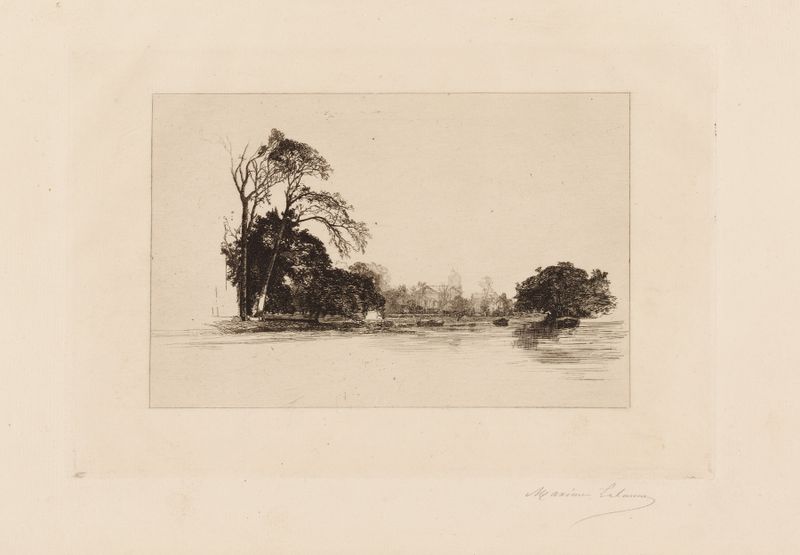
Bank of the Thames
Maxime Lalanne
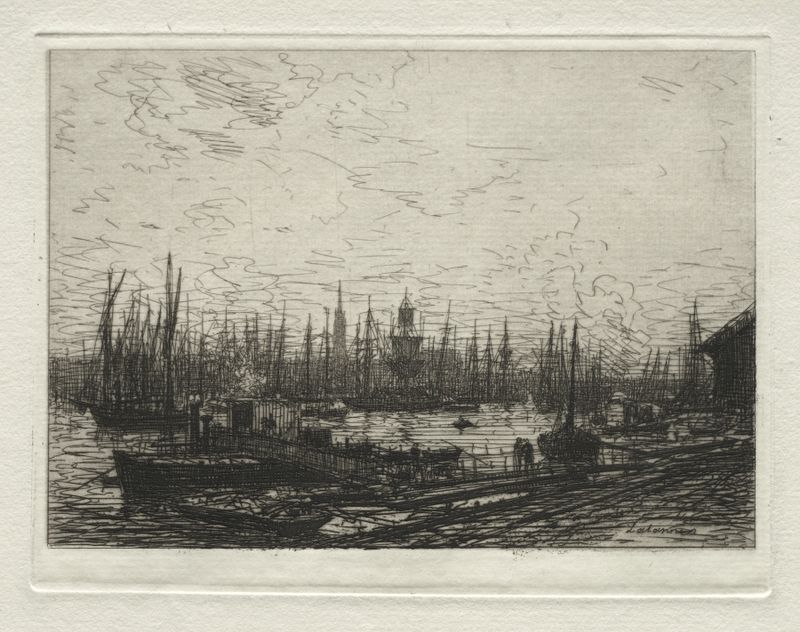
Port of Bordeaux
Maxime Lalanne
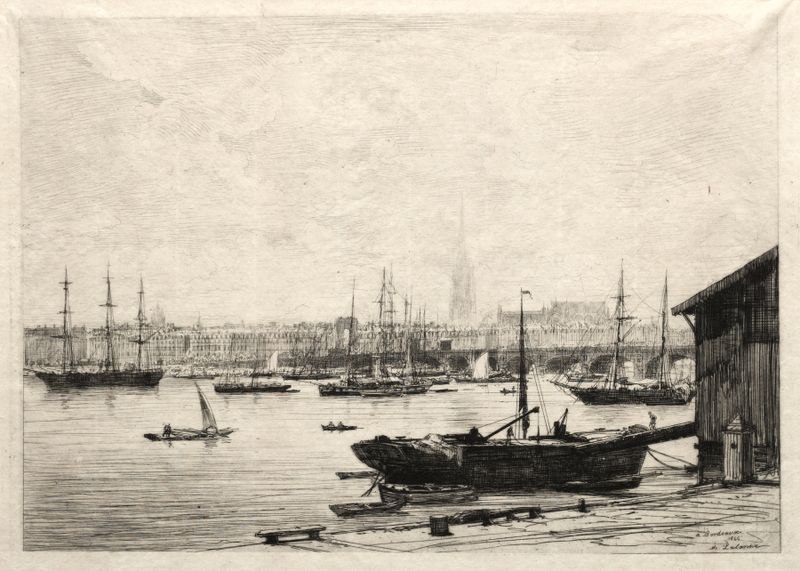
Bordeaux
Maxime Lalanne
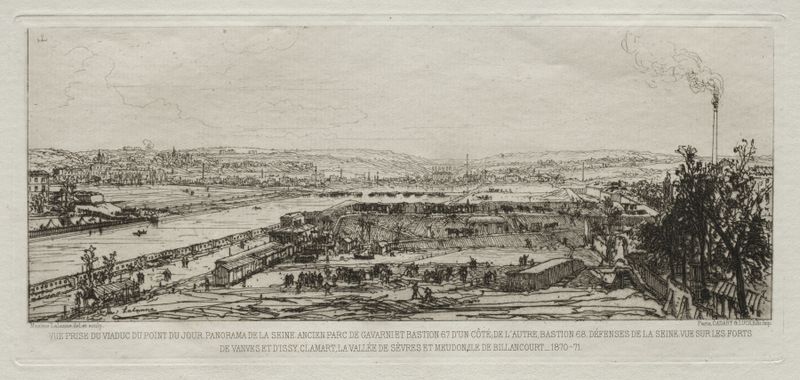
View from the Viaduct at the Pont-du-Jour, Panorama de la Seine
Maxime Lalanne
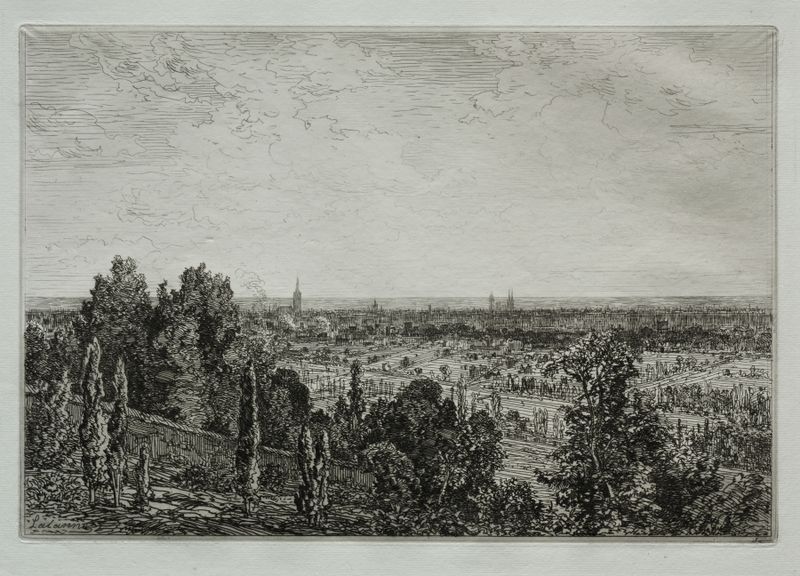
Bordeaux, View from the Coast of Cénon
Maxime Lalanne





