Tree — History & Facts
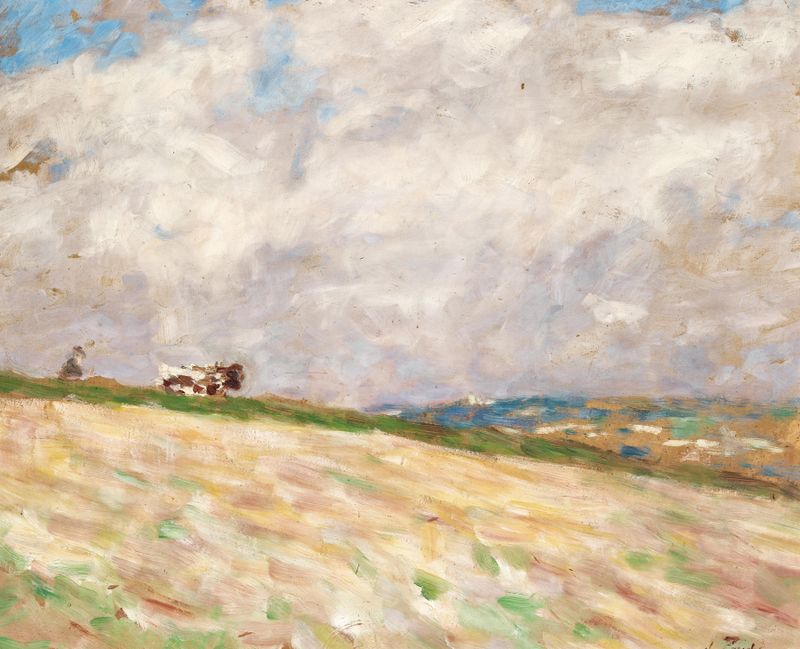
In its stillness, a profound balance unfolds, waiting for a moment of recognition. Focus on the vibrant contrasts of color — the deep greens and browns that stroke the canvas with a sense of vitality. Look to the center, where the tree stands tall and proud, its bark textured with palpable depth. Notice how the interplay of light delicately illuminates the leaves, casting a serene glow that feels almost alive.
The composition invites the viewer's eye to wander, tracing the lines from the trunk upwards, where branches stretch gracefully against a serene backdrop. Within this natural scene lies a tension between strength and vulnerability. The tree symbolizes resilience, yet its delicate leaves flutter in a whisper of uncertainty, hinting at the fragility of life. The balance of colors encapsulates the harmony of nature; each hue contributes to a dialogue of tranquility and strength.
This juxtaposition encourages introspection, prompting the viewer to consider their own connection to nature's oscillating rhythms. In the early 20th century, Jindrich Prucha was immersed in the burgeoning art movements of his time, exploring Symbolism and Impressionism. Painted around 1912, Tree reflects a moment of transition for the artist, who sought to capture the essence of the natural world amidst a rapidly changing society. During this period, Prucha was beginning to carve out his unique visual language, embracing both the emotional and the observational in his work.