
Discover insights about this artwork
Tree Stump — History & Facts
In Tree Stump, Caspar David Friedrich presents a detailed depiction of a tree stump set against a muted landscape. The colors are earthy, with browns and greens dominating the scene. The stump appears weathered, suggesting the passage of time, while the surrounding foliage adds a sense of tranquility.
This natural setting invites viewers to reflect on the beauty of decay and the cycle of life. The painting is executed in oil on canvas, a medium that allows for rich texture and depth. Friedrich's technique showcases his ability to capture light and shadow, enhancing the three-dimensionality of the stump. The approximate dimensions of the work are 50 x 70 cm, making it a modestly sized piece that draws the viewer in for a closer look.
The careful brushwork and attention to detail highlight Friedrich's skill as a Romantic artist. Caspar David Friedrich was a leading figure in the Romantic movement, known for his landscapes that often evoke deep emotional responses. 'Tree Stump' reflects his fascination with nature and the passage of time. An interesting fact about this work is that it embodies the Romantic ideal of finding beauty in the ordinary, elevating a simple stump to a subject of contemplation.
Friedrich's art continues to inspire discussions about the relationship between humanity and nature.
More Artworks by Caspar David Friedrich
Wanderer above the Sea of Fog
Caspar David Friedrich
The Abbey in the Oakwood
Caspar David Friedrich
The Monk by the Sea
Caspar David Friedrich
Two Men Contemplating the Moon
Caspar David Friedrich
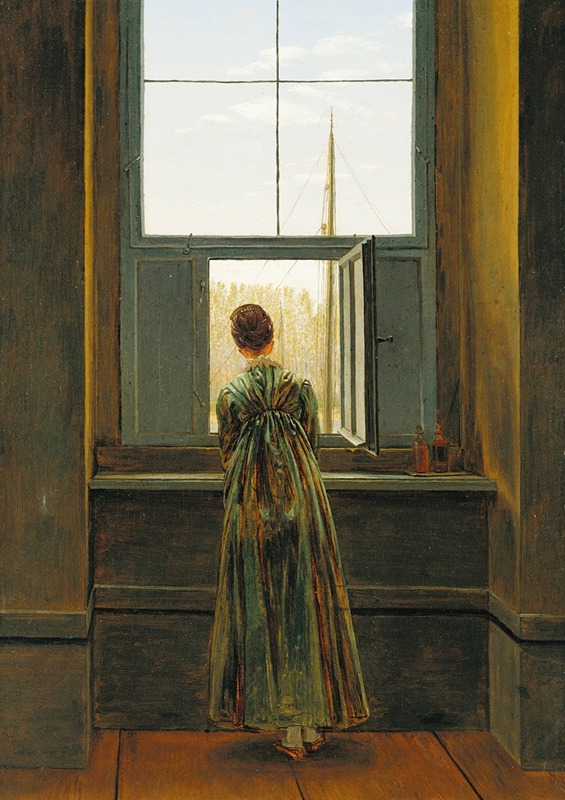
Woman at a Window
Caspar David Friedrich
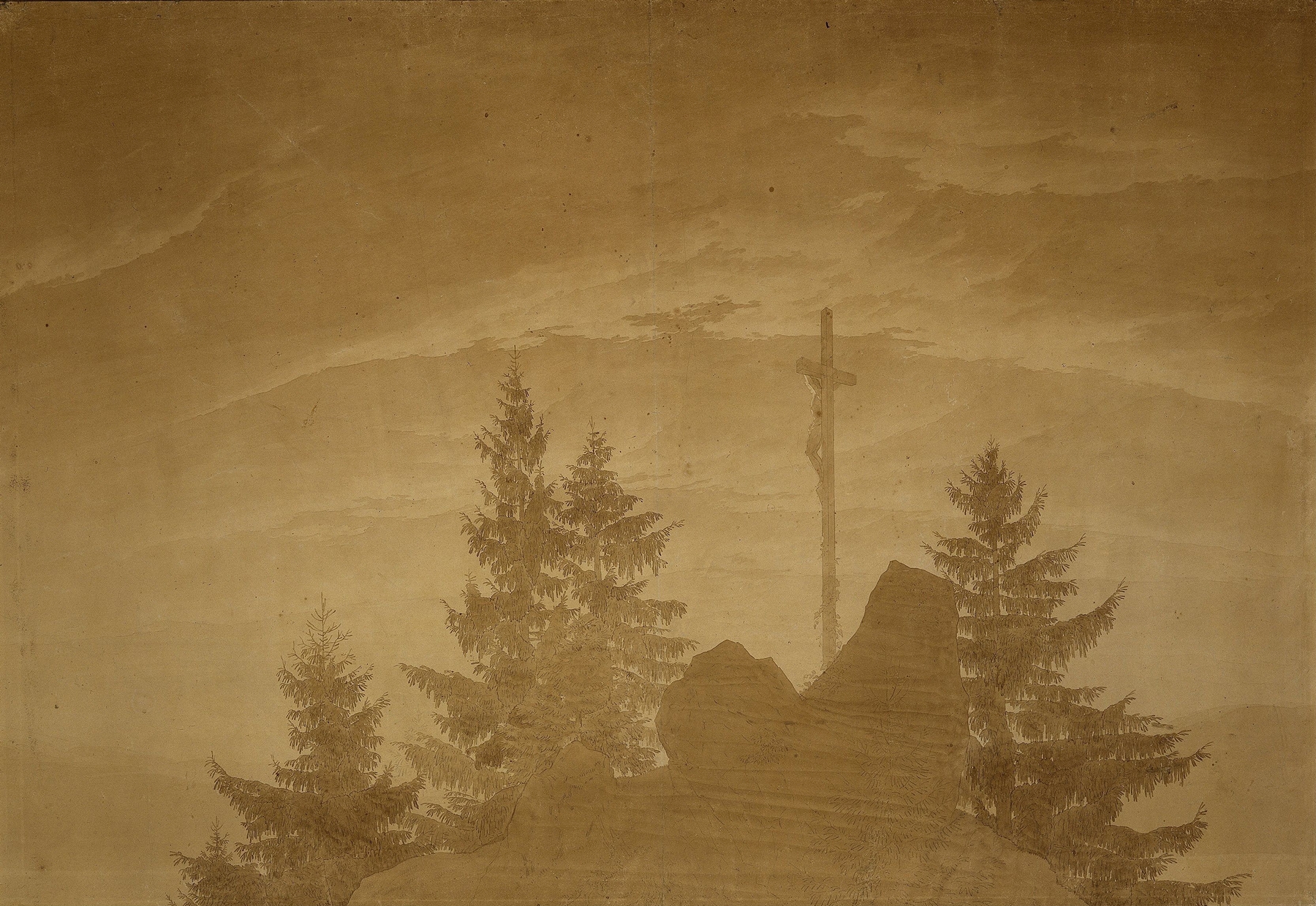
Cross in the Mountains
Caspar David Friedrich
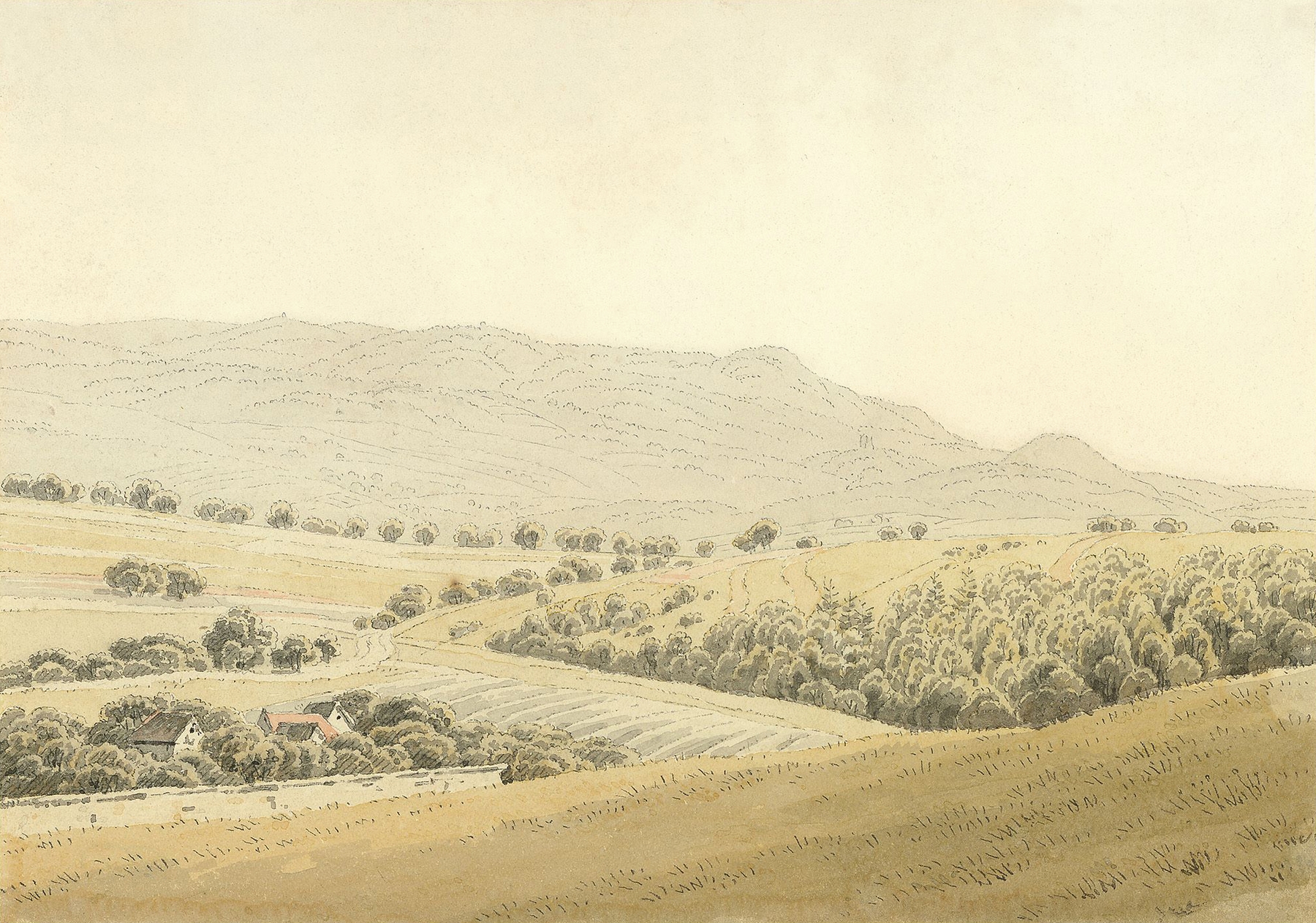
Mittelgebirgslandschaft
Caspar David Friedrich
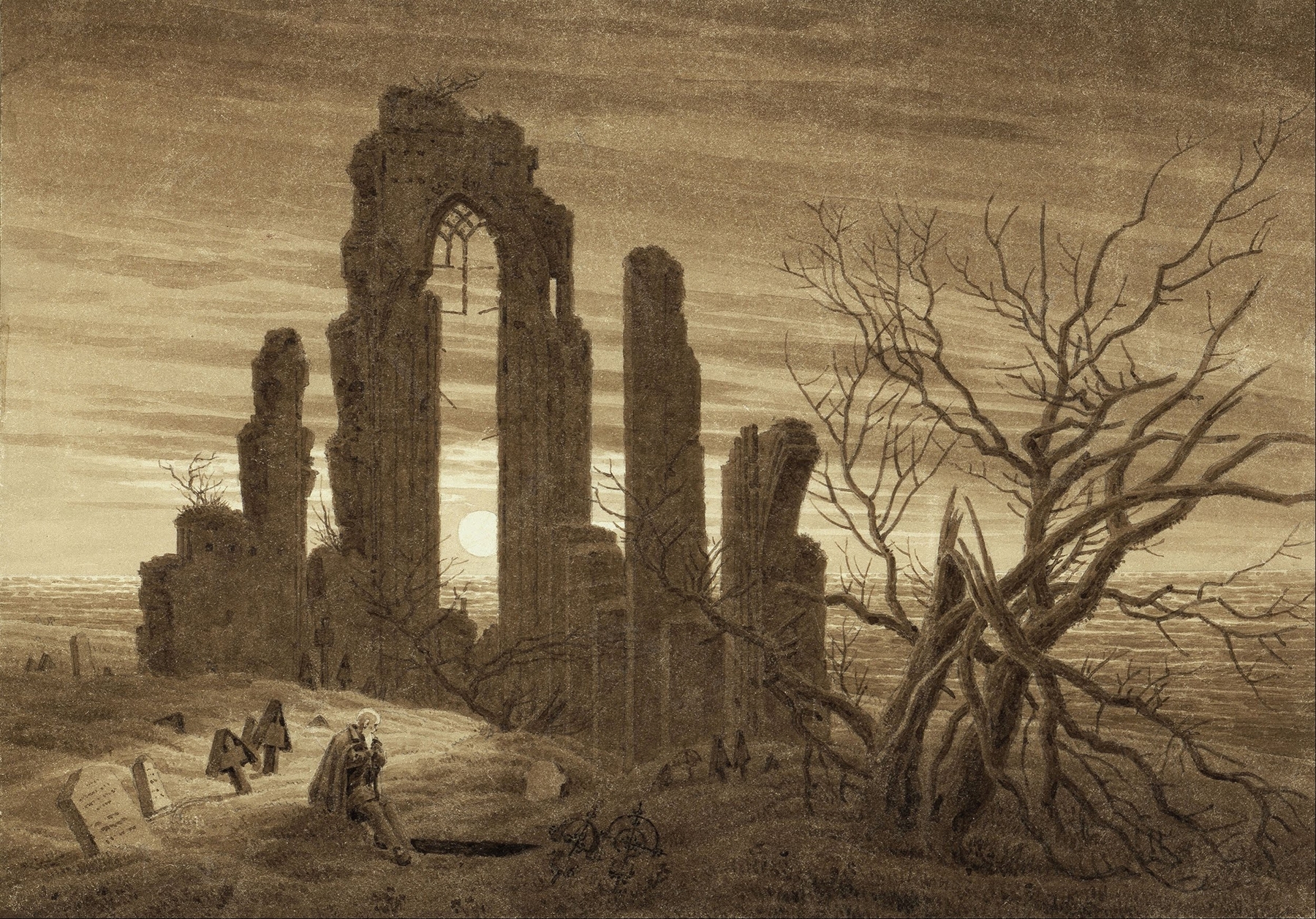
Winter – Night – Old Age and Death (from the times of day and ages of man cycle of 1803)
Caspar David Friedrich
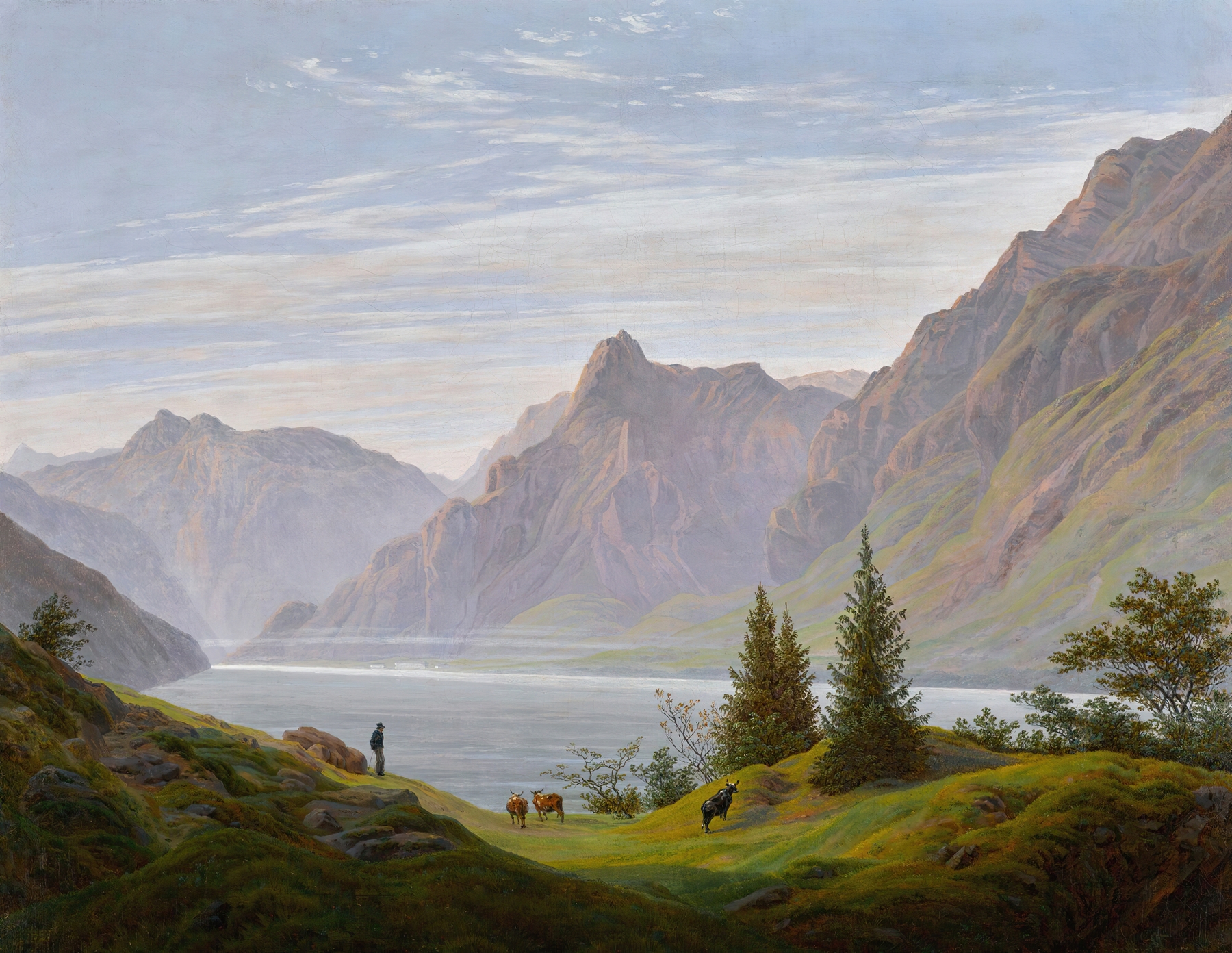
Landschaft mit gebirgsee, morgen
Caspar David Friedrich
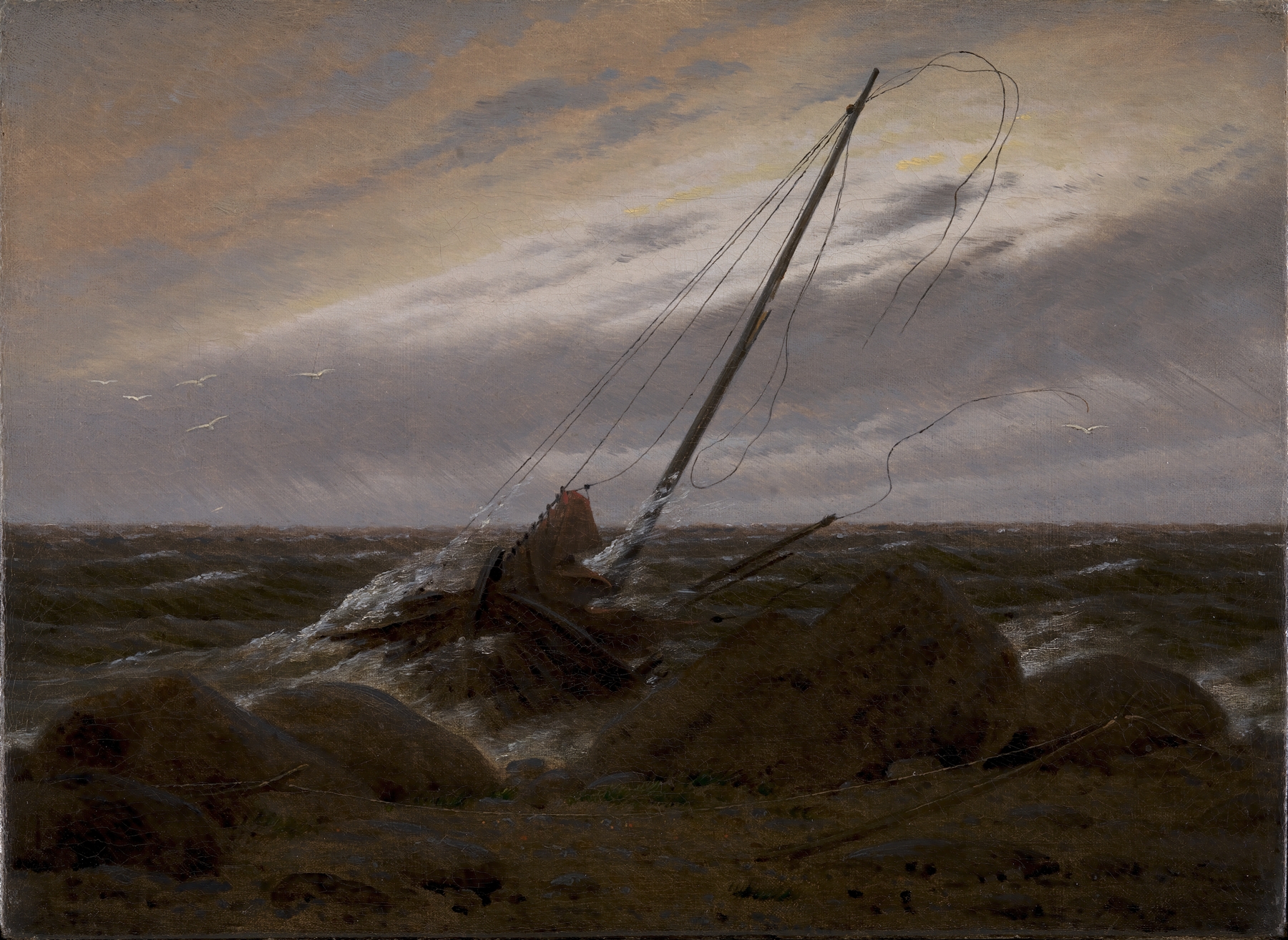
After the Storm
Caspar David Friedrich
More Landscape Art
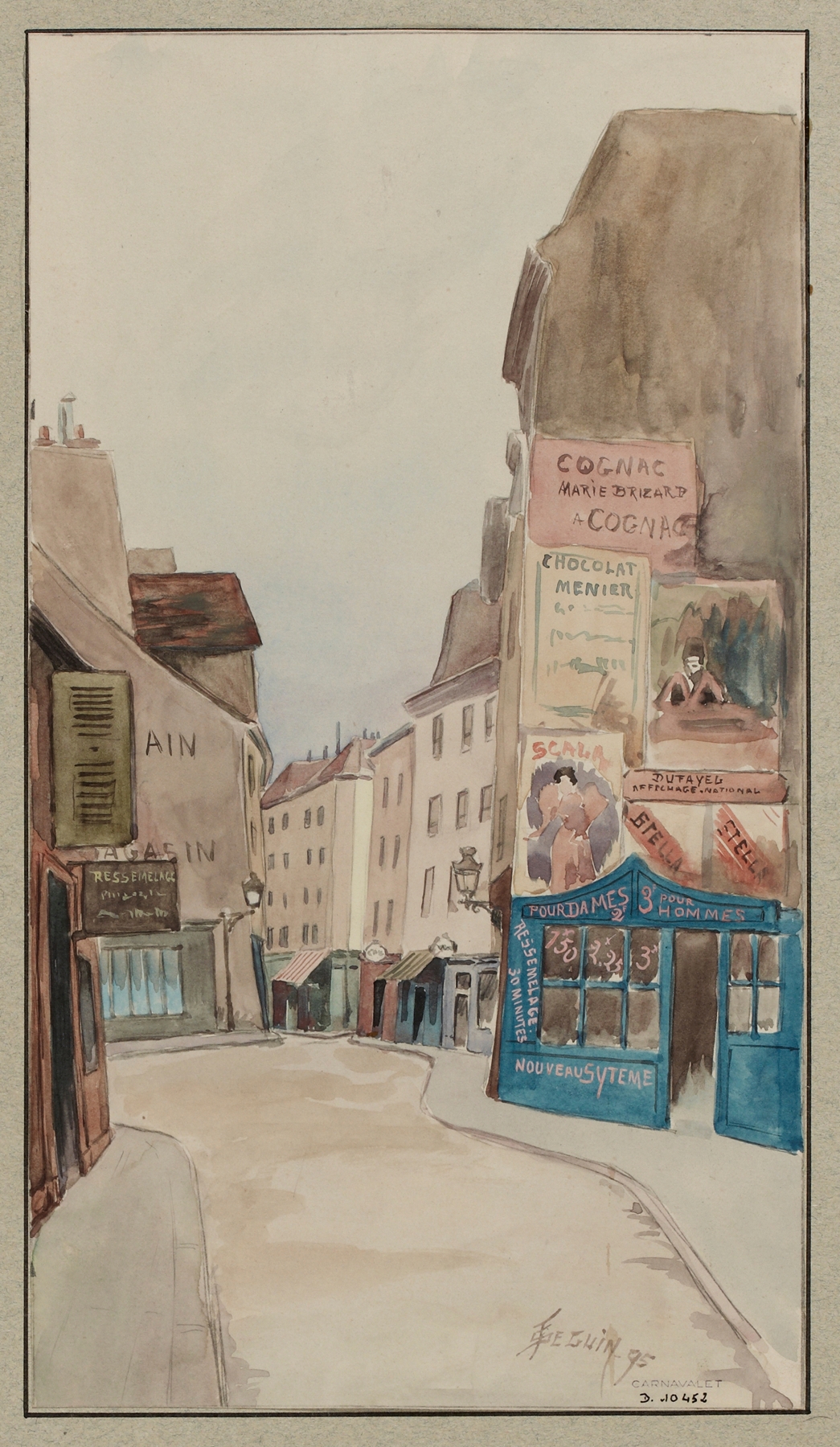
Rue Descartes
F. Séguin
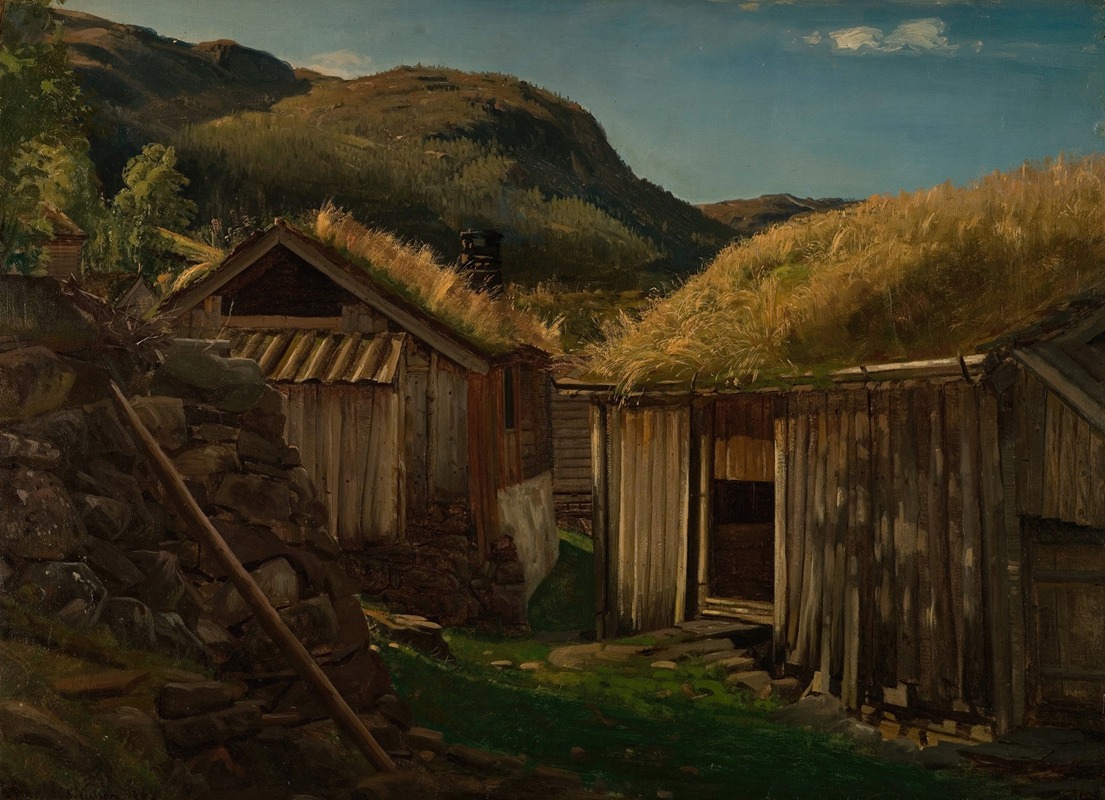
Aarhus, Suldal, Ryfylke
Amaldus Nielsen
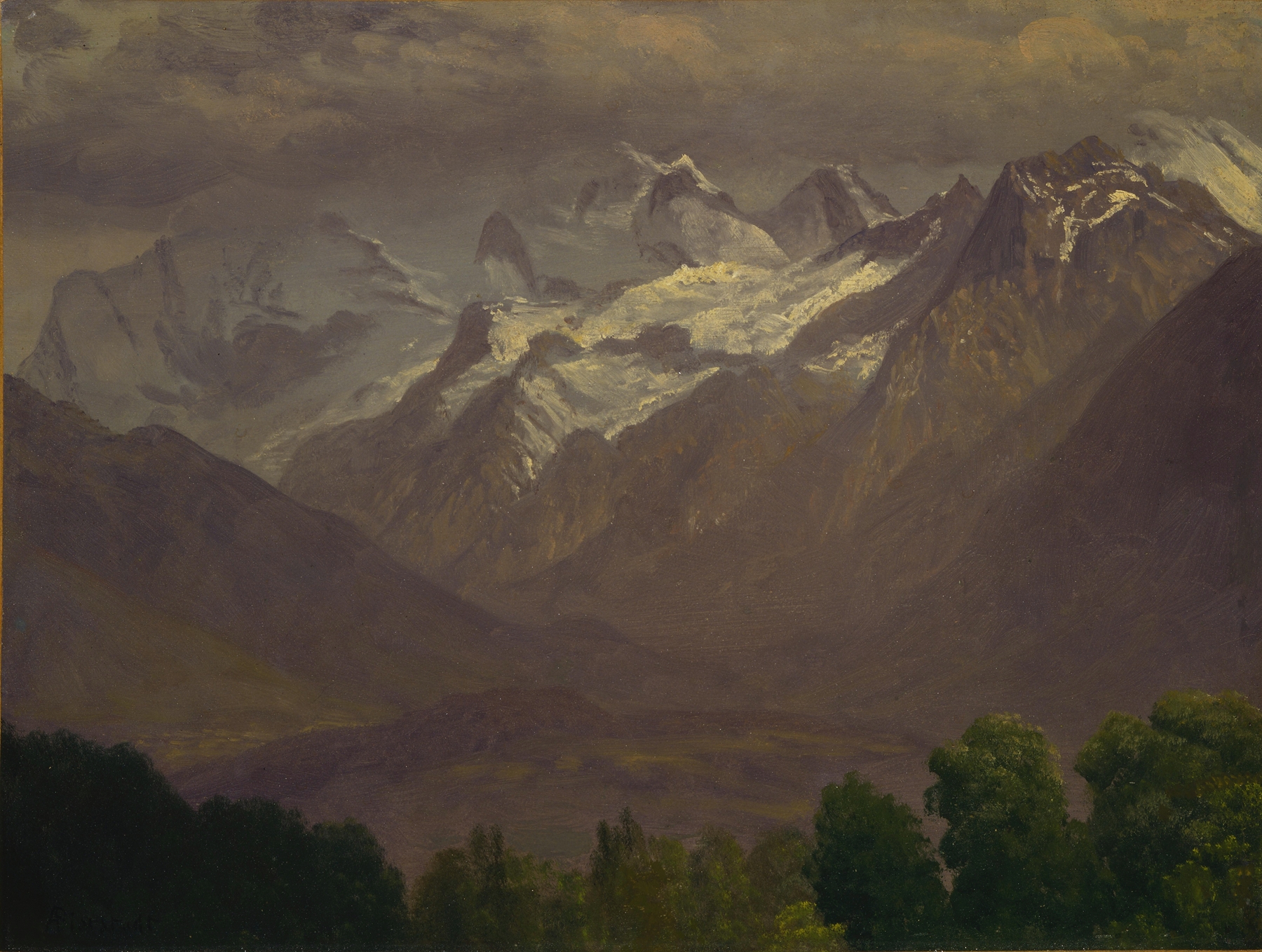
In the High Mountains
Albert Bierstadt
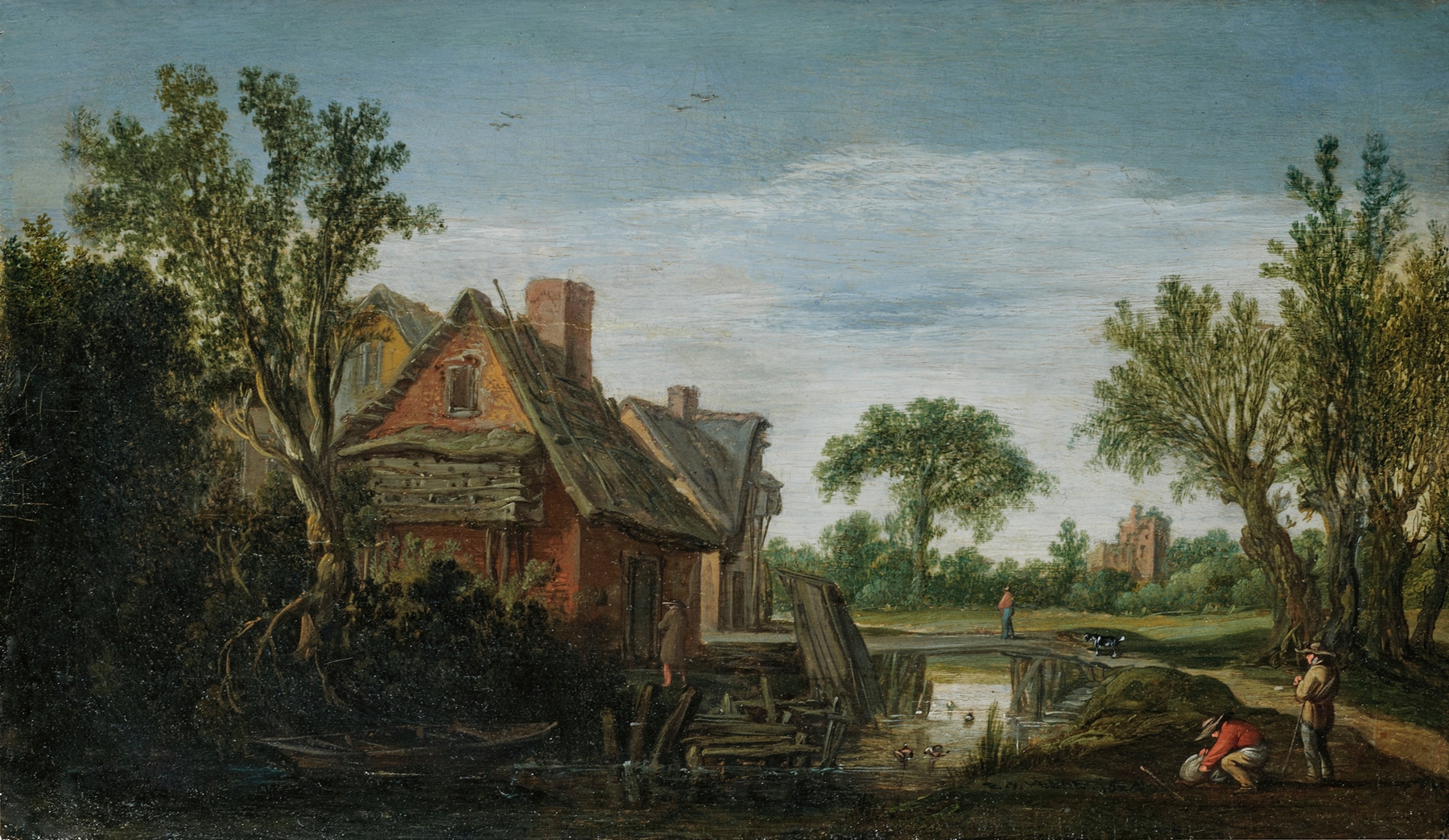
The Hague A Wooded River Landscape With Figures On A Path On A River Bank Beside A Village, A Bridge Beyond
Esaias van de Velde
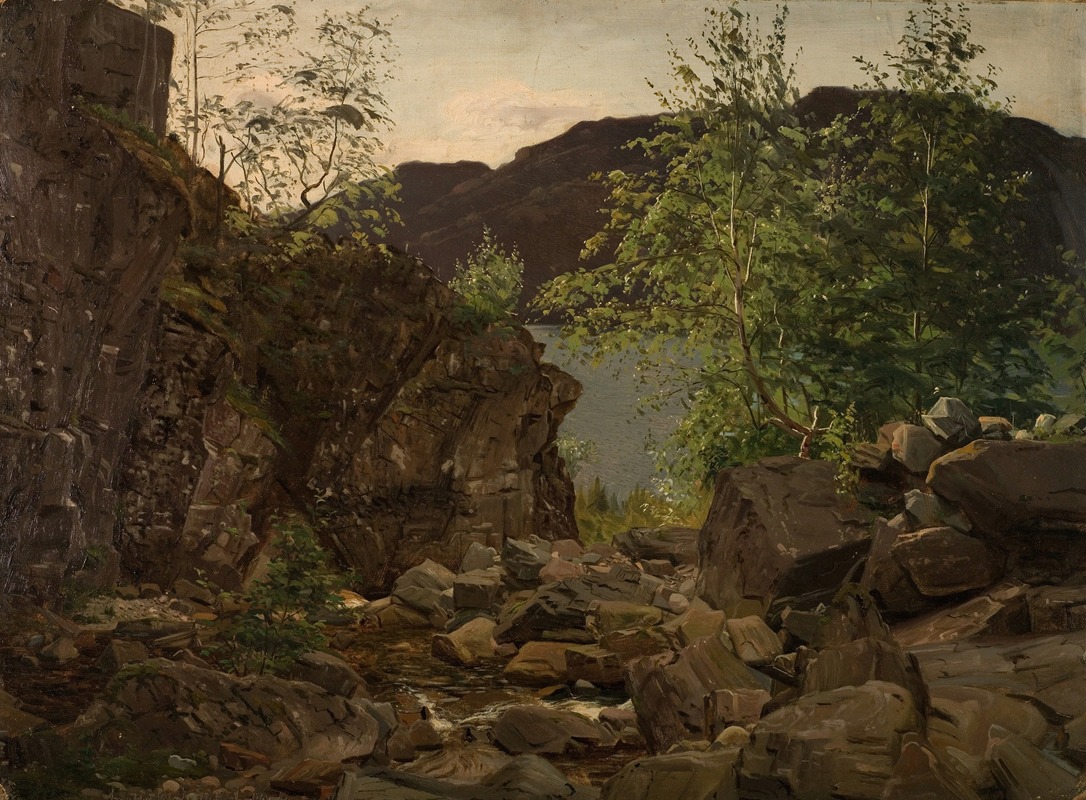
Aarhus, Suldal, Ryfylke
Amaldus Nielsen
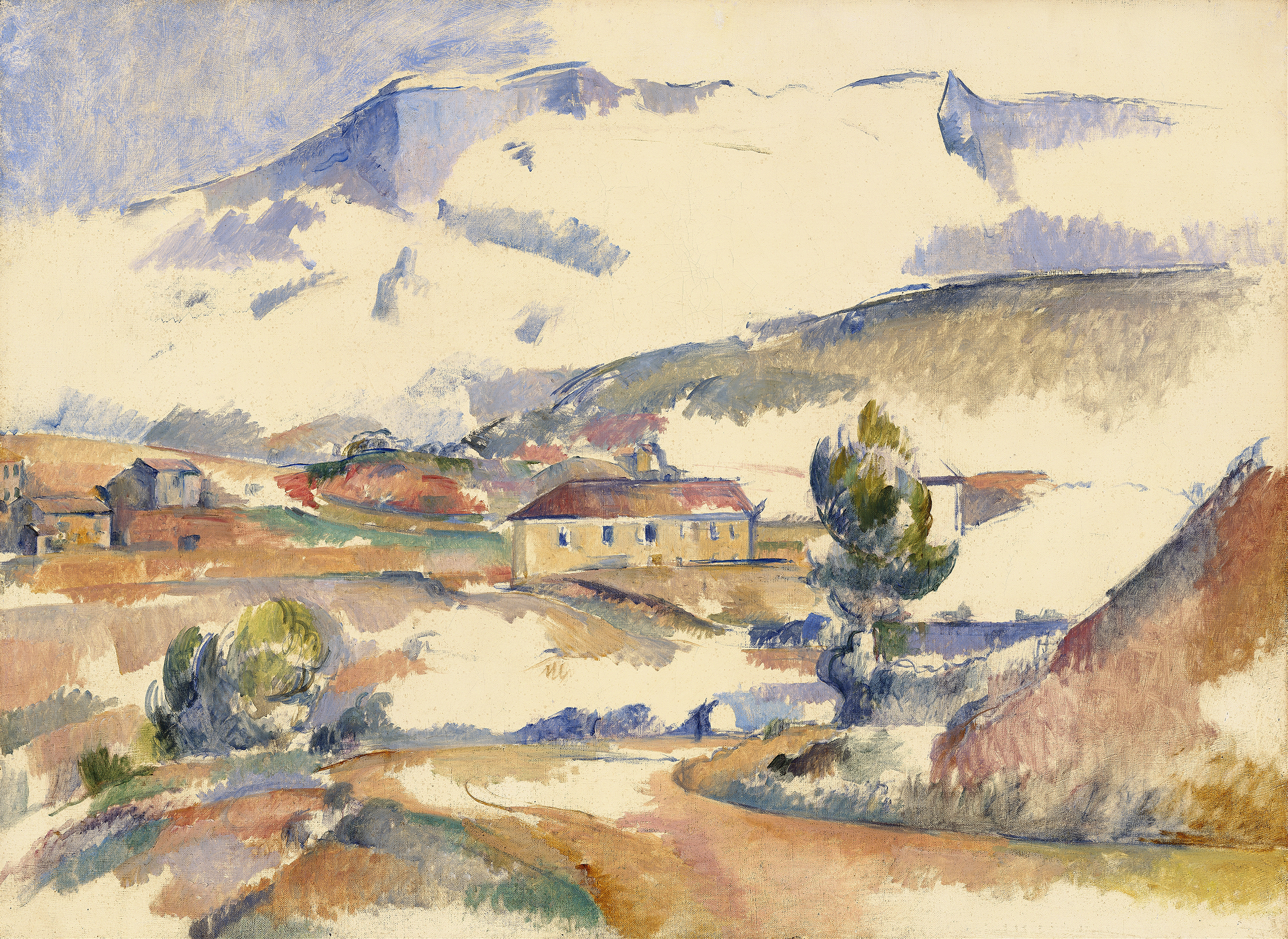
Montagne Sainte-Victoire,from near Gardanne
Paul Cezanne