
Tree Trunk — History & Facts
In Tree Trunk, light becomes the silent storyteller, revealing the intricate texture of bark and the dance of shadow across its surface. The artwork beckons viewers to explore its depths, drawing them into the heart of nature's resilience and beauty. Focus on the interplay of light and shadow in the trunk’s rugged surface; the way the artist has captured variegated hues of browns and greens creates a tangible sense of life. Notice how the light falls upon the gnarled bark, illuminating crevices and highlighting the organic patterns carved by time and the elements.
The composition, grounded by the sturdy trunk, evokes a sense of stability while inviting exploration of the surrounding nature that feels almost tactile. Yet beneath the physicality of this tree lies a deeper resonance. The intricate detailing speaks to the passage of time, suggesting both growth and decay in the natural world. Bridgman’s choice to focus solely on this singular form emphasizes the strength found in solitude, as well as the fragility that comes with it.
There’s a profound contrast here between the solid permanence of the tree and the delicate play of light that hints at the ever-changing world around it. In 1885, Bridgman was immersed in the artistic currents of the American West, capturing the essence of nature during a time of exploration and discovery. This piece reflects his commitment to realism and his fascination with the natural world, a prominent theme in his body of work. With the growing appreciation for plein air painting, his attention to light and detail positioned him within a pivotal moment in the dialogue between art and nature.
More Artworks by Frederick Arthur Bridgman
Browse all →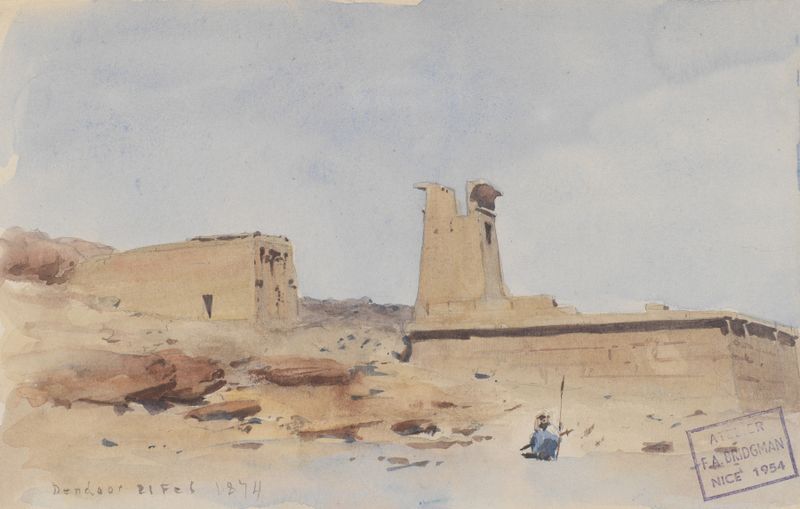
The Temple of Dendur, Showing the Pylon and Terrace
Frederick Arthur Bridgman
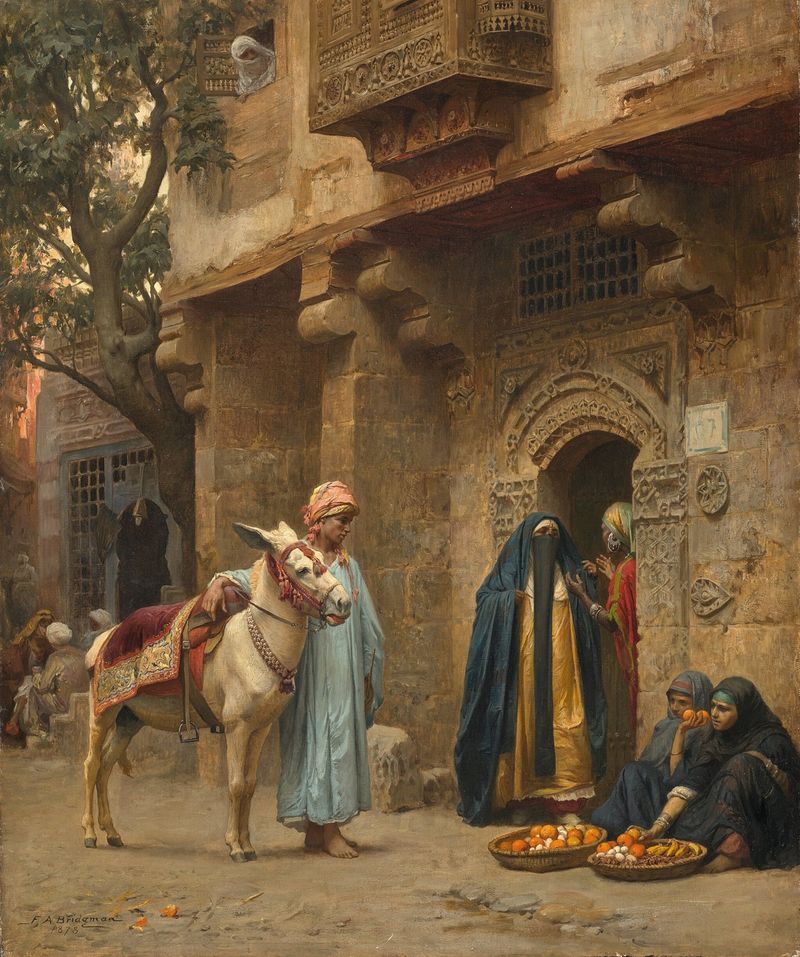
A Cairo Street
Frederick Arthur Bridgman
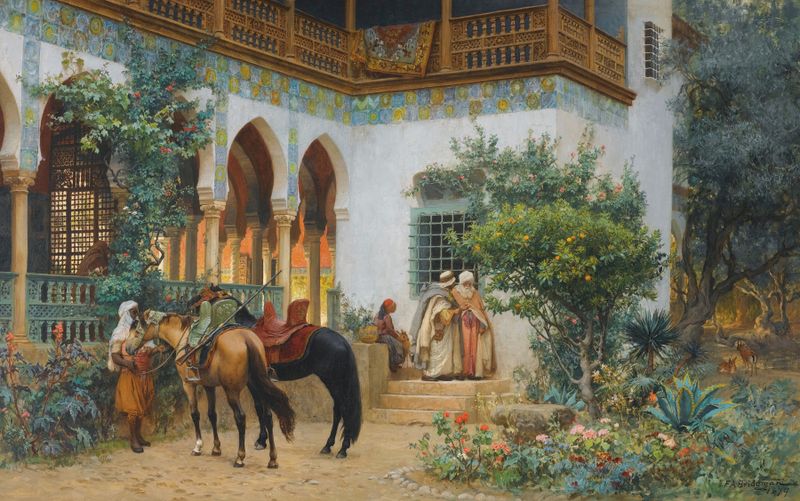
A North African Courtyard
Frederick Arthur Bridgman
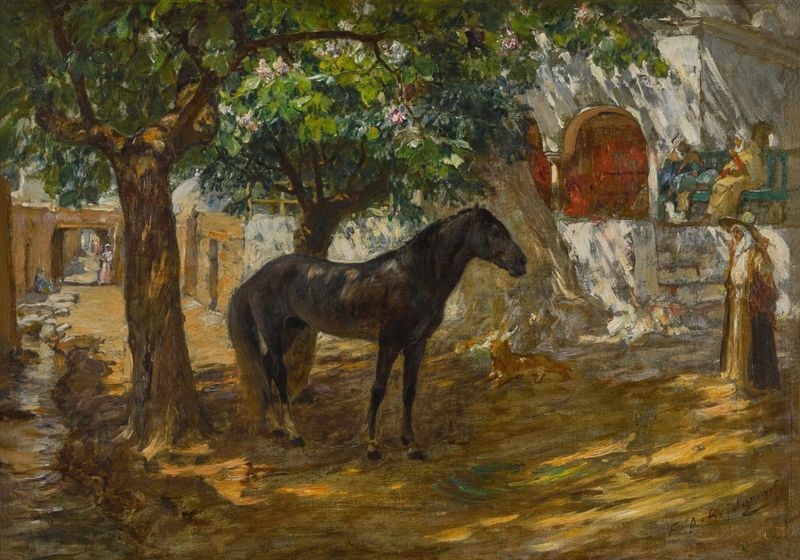
Village in the Sahara
Frederick Arthur Bridgman
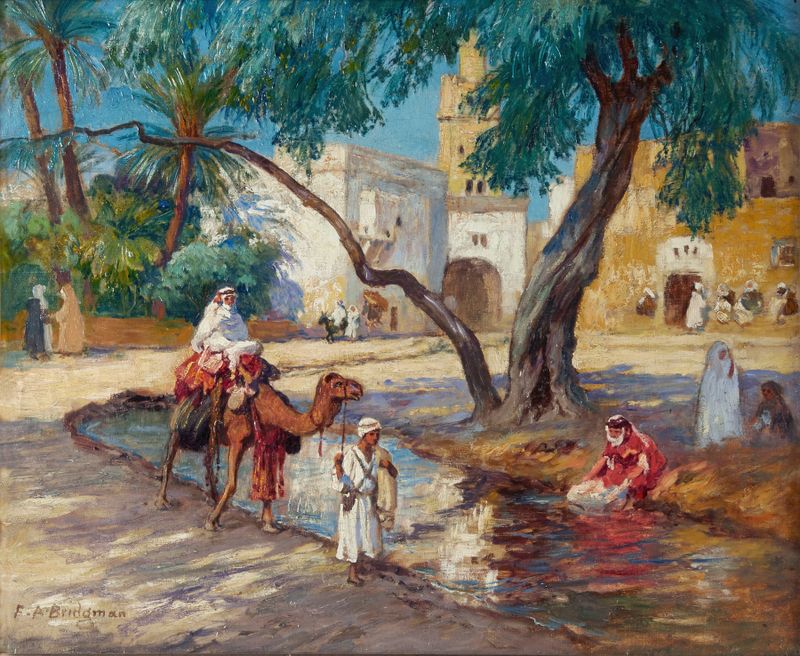
A view of an Algerian village
Frederick Arthur Bridgman
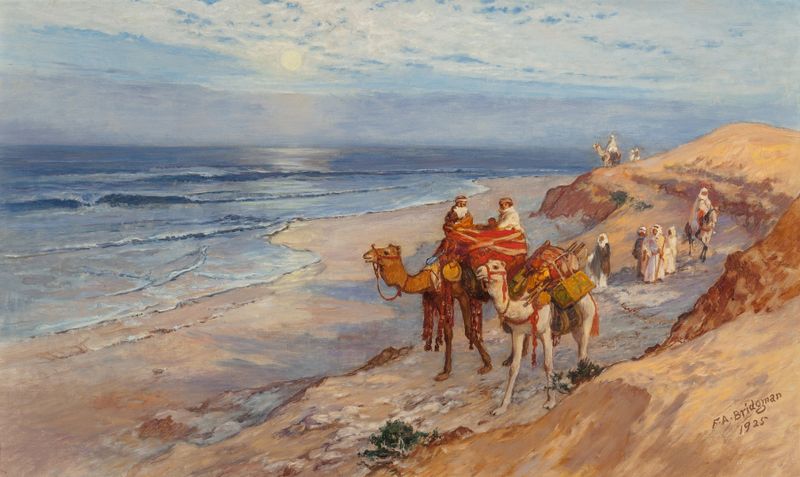
Sur la côte de Tanger l’Atlantique
Frederick Arthur Bridgman
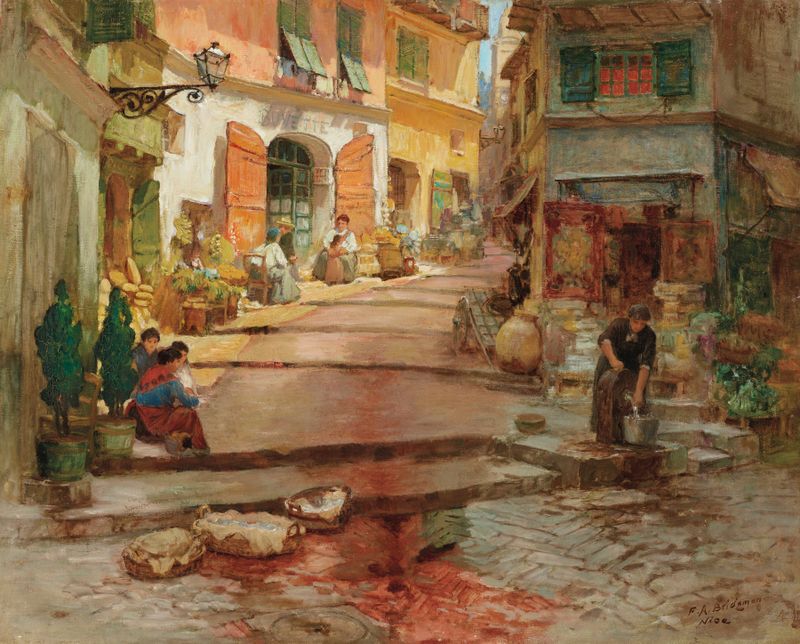
Rue Droite, dans le vieux Nice
Frederick Arthur Bridgman
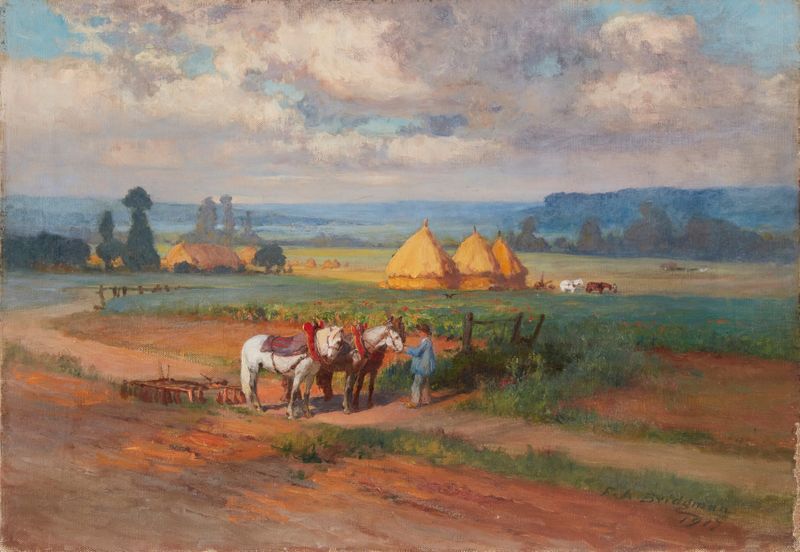
En Normandie
Frederick Arthur Bridgman
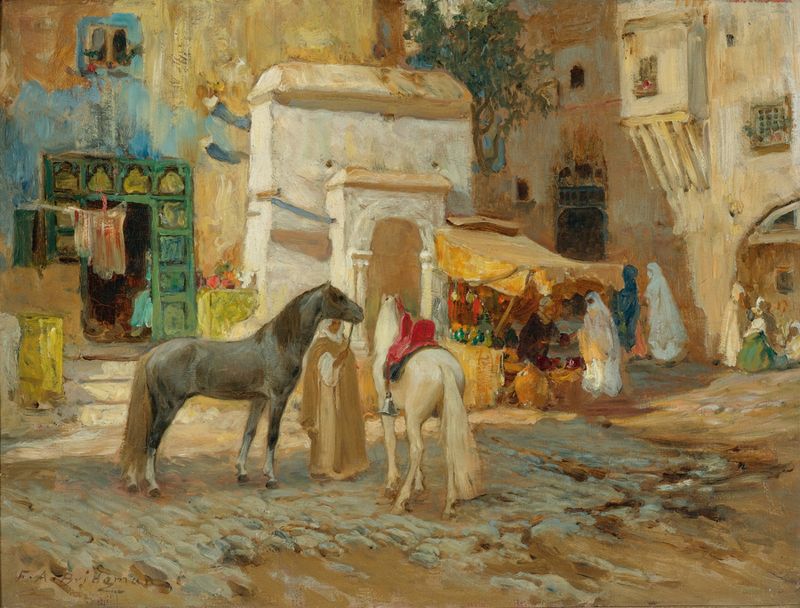
The Market Square
Frederick Arthur Bridgman
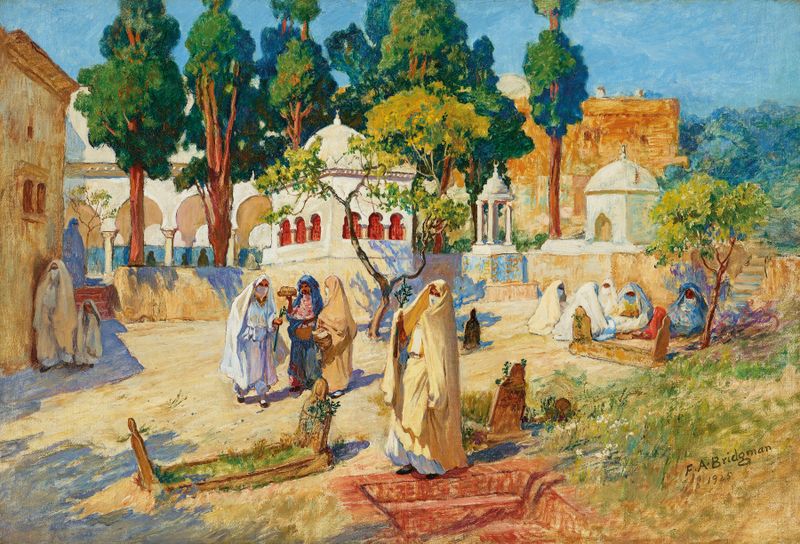
Arab Women’s Day in the Cemetery, Bou-Kobrine
Frederick Arthur Bridgman





