
Rue Droite, dans le vieux Nice — History & Facts
Who listens when art speaks of silence? In the stillness of Rue Droite, dans le vieux Nice, a profound revelation unfolds, inviting viewers into a world suspended in time. Look to the left at the narrow cobblestone street, where soft light spills between the aged buildings, illuminating the vibrant hues of ochre and deep blues. Notice how the artist's deft brushwork captures the intricacies of texture on the weathered walls, creating a warm embrace that invites exploration. The composition is intimate, drawing you in with its inviting pathways while hints of shadow evoke a quiet mystery that lingers just out of sight. In the heart of this scene, we sense a dichotomy between the bustling life of the city and the serene solitude within its corners.
The quietude suggests a pause, a moment of reflection amidst the vibrant chaos of daily life. Each brushstroke conveys the passage of time, revealing stories worn into the cobblestones and the whispered secrets held by the walls. There’s an emotional tension here, a reminder that even in busy places, moments of revelation can be found in the silence. Frederick Arthur Bridgman painted Rue Droite, dans le vieux Nice between 1904 and 1919, during a period marked by his deepening engagement with light and atmosphere.
Working primarily in Paris and later in the south of France, he found inspiration in the interplay of color and emotion, reflecting a broader movement among artists of the time to capture everyday scenes with a new sensitivity. This work encapsulates his mastery of light and form, establishing him as a significant figure in the post-impressionist landscape.
More Artworks by Frederick Arthur Bridgman
Browse all →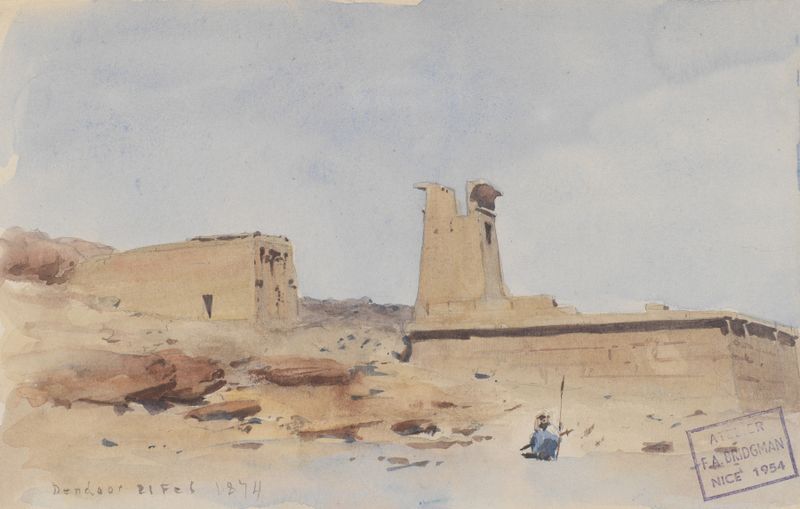
The Temple of Dendur, Showing the Pylon and Terrace
Frederick Arthur Bridgman
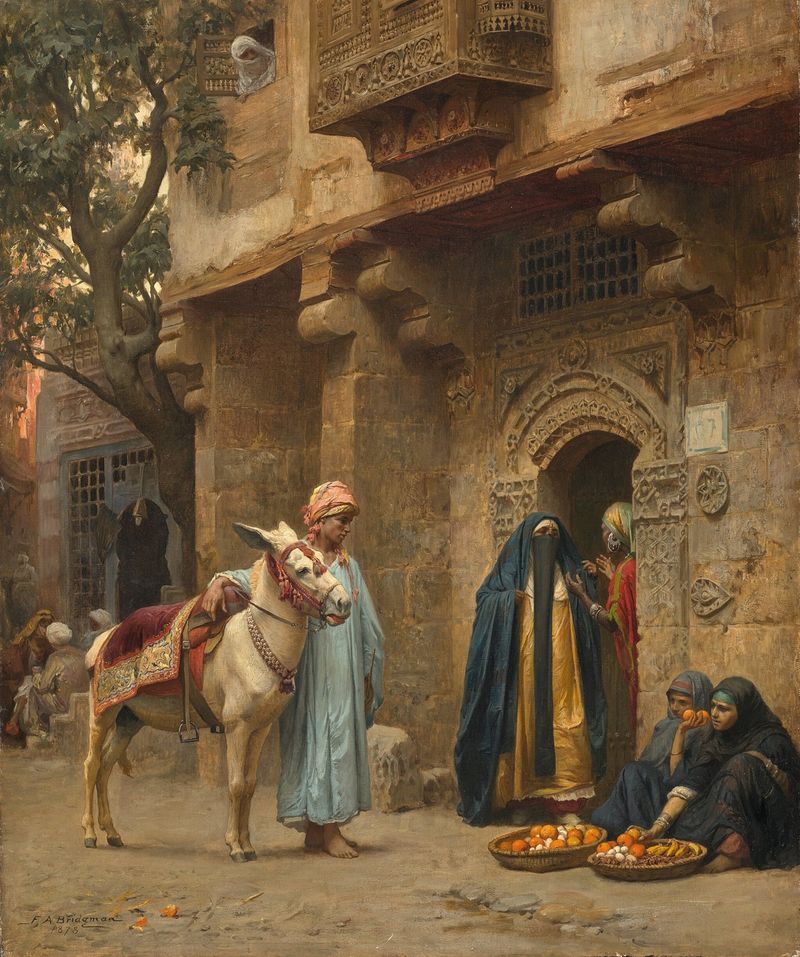
A Cairo Street
Frederick Arthur Bridgman
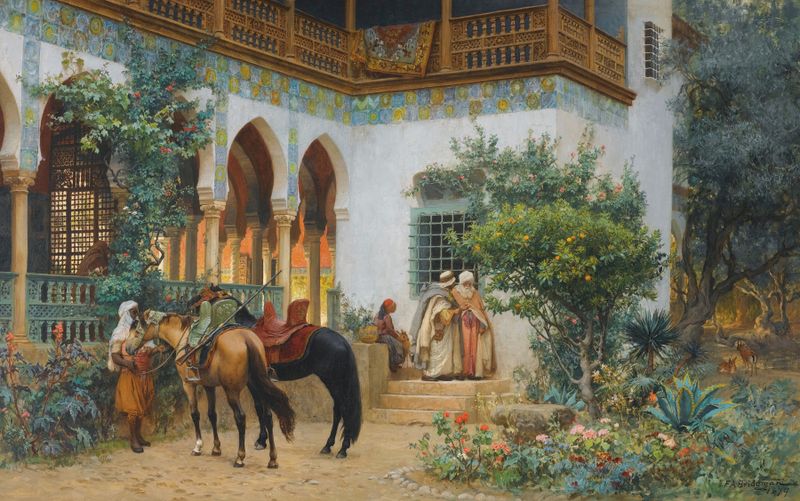
A North African Courtyard
Frederick Arthur Bridgman
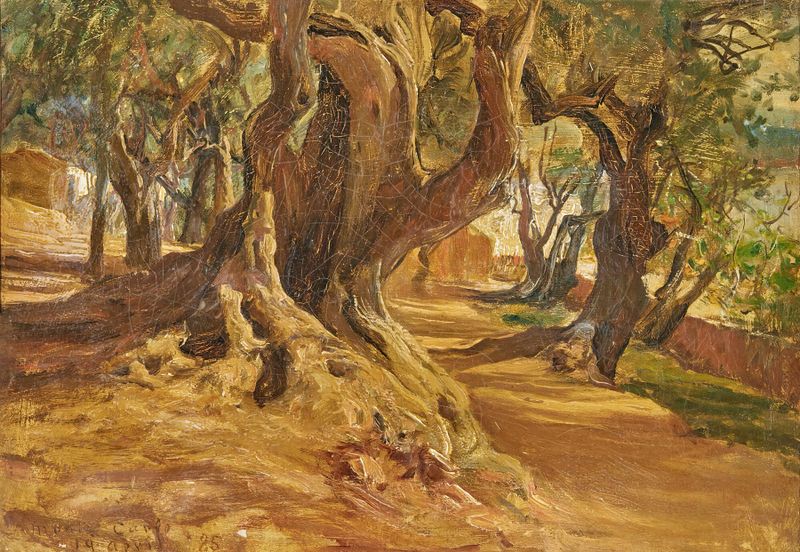
Tree Trunk
Frederick Arthur Bridgman
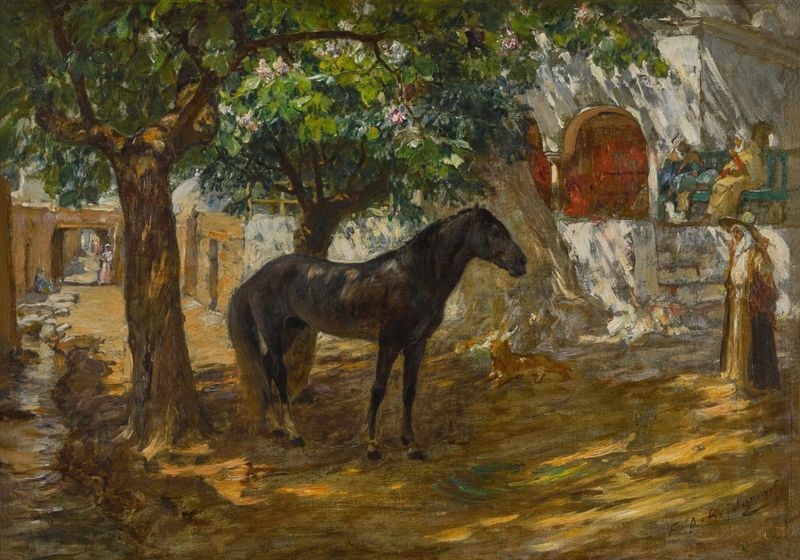
Village in the Sahara
Frederick Arthur Bridgman
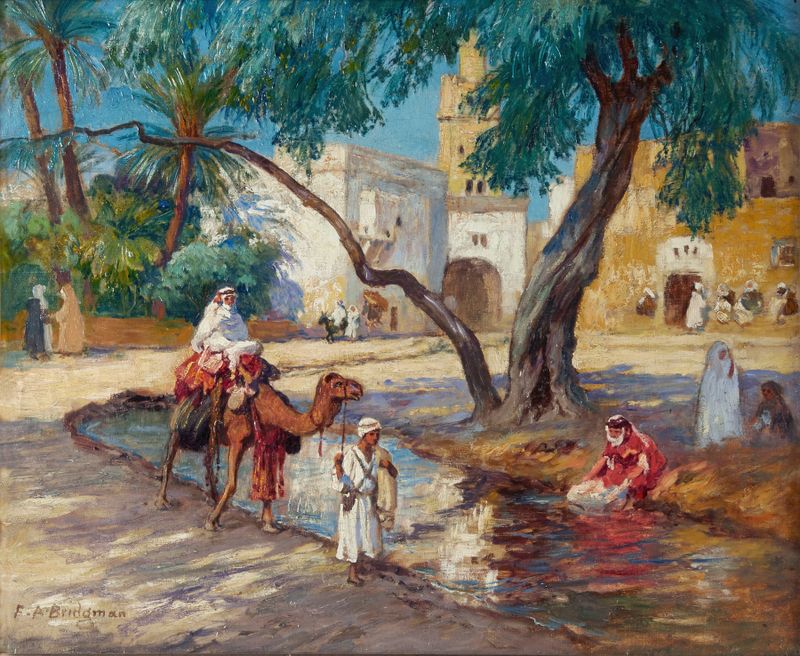
A view of an Algerian village
Frederick Arthur Bridgman
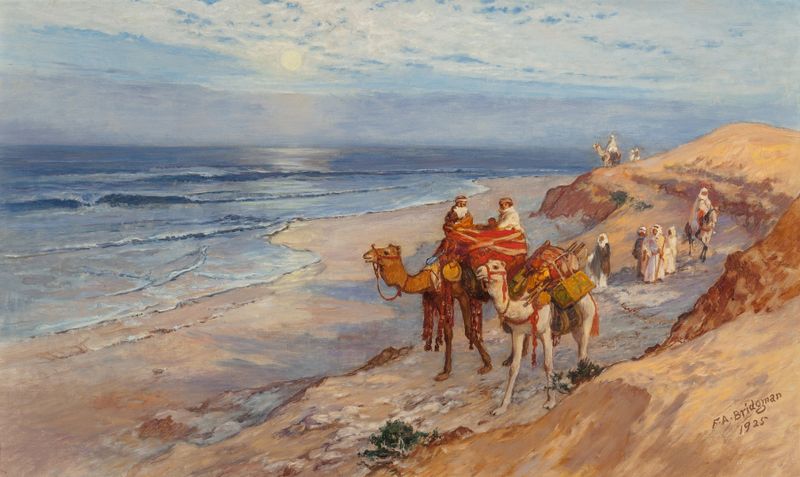
Sur la côte de Tanger l’Atlantique
Frederick Arthur Bridgman
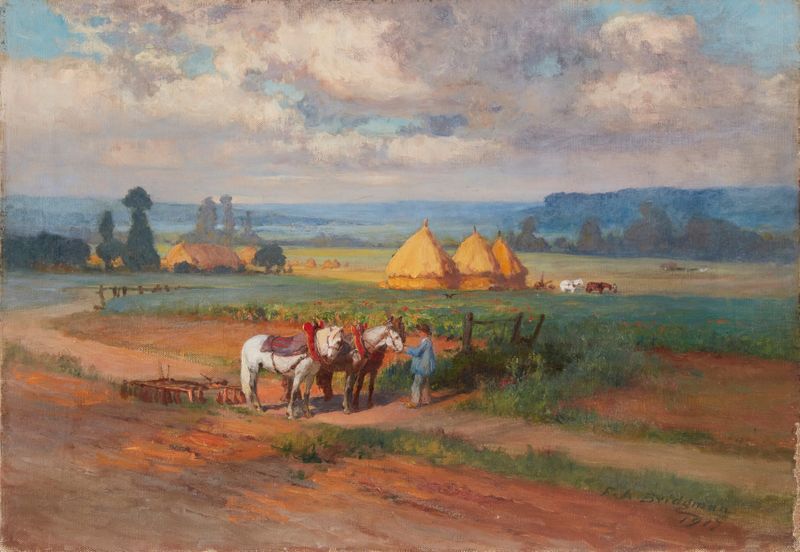
En Normandie
Frederick Arthur Bridgman
The Market Square
Frederick Arthur Bridgman
Arab Women’s Day in the Cemetery, Bou-Kobrine
Frederick Arthur Bridgman





