
Trees — History & Facts
In a time of hurried lives and bustling cities, the stillness of nature invites reflection in its quiet embrace. Look closely at the lush canopy, where various shades of green dance together in harmony. The brushstrokes are both loose and deliberate, intertwining to create a sense of movement that feels alive yet serene. Notice how the light filters through the leaves, casting delicate shadows on the ground, inviting you to step into this tranquil moment.
Sargent’s masterful use of color transforms a simple grove into a sanctuary, offering an escape from the chaos beyond the canvas. As you delve deeper, observe the contrast between the vibrant foliage and the subtle emptiness of the surrounding space. This dichotomy evokes a sense of solitude—the trees stand tall and proud yet exist in isolation, suggestive of a longing for connection. The painting captures the duality of life, as the dense greenery thrives while whispering the absence of human presence, evoking both vitality and a poignant sense of emptiness. In 1913, Sargent painted this piece during a period of personal and professional transition.
Having established his reputation as a portrait artist, he sought solace in the natural world, stepping away from the portraiture that defined his career. His exploration of landscape painting emerged alongside the broader movement towards modernism in art, reflecting a shift towards introspection and the emotional resonance found within nature.
More Artworks by John Singer Sargent
Browse all →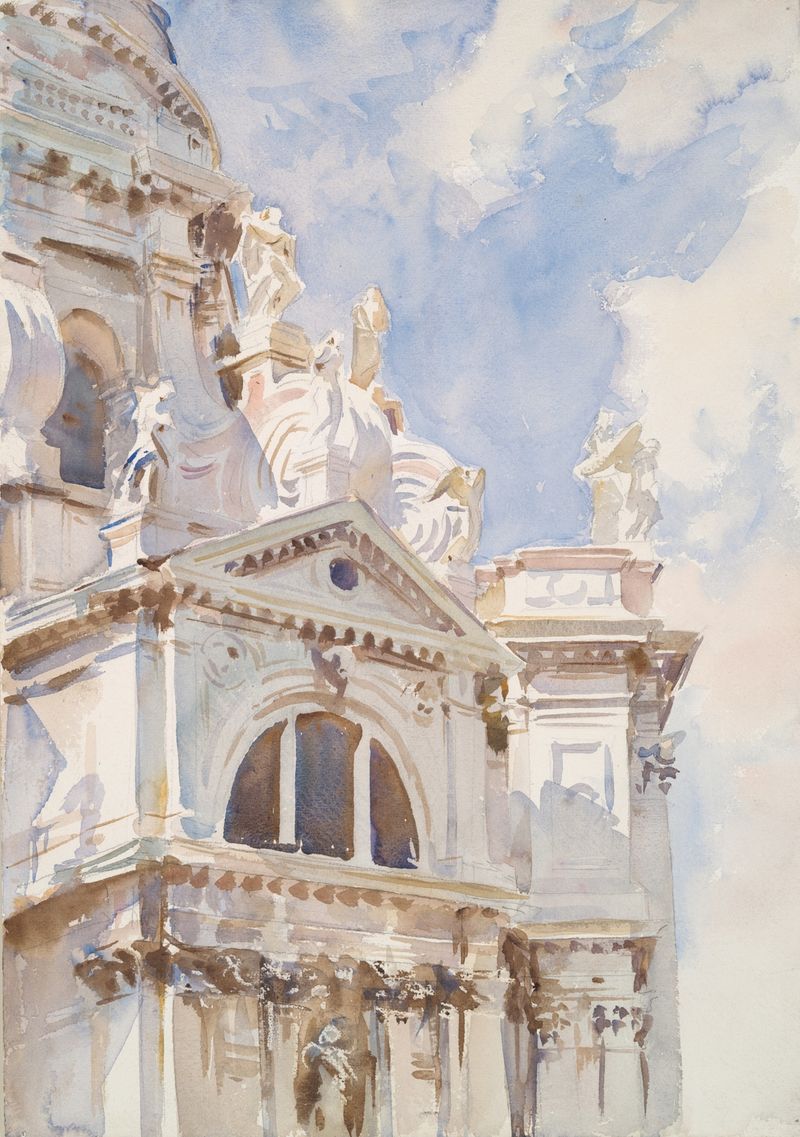
The Salute, Venice
John Singer Sargent

Mrs. Charles Deering (Marion Denison Whipple)
John Singer Sargent
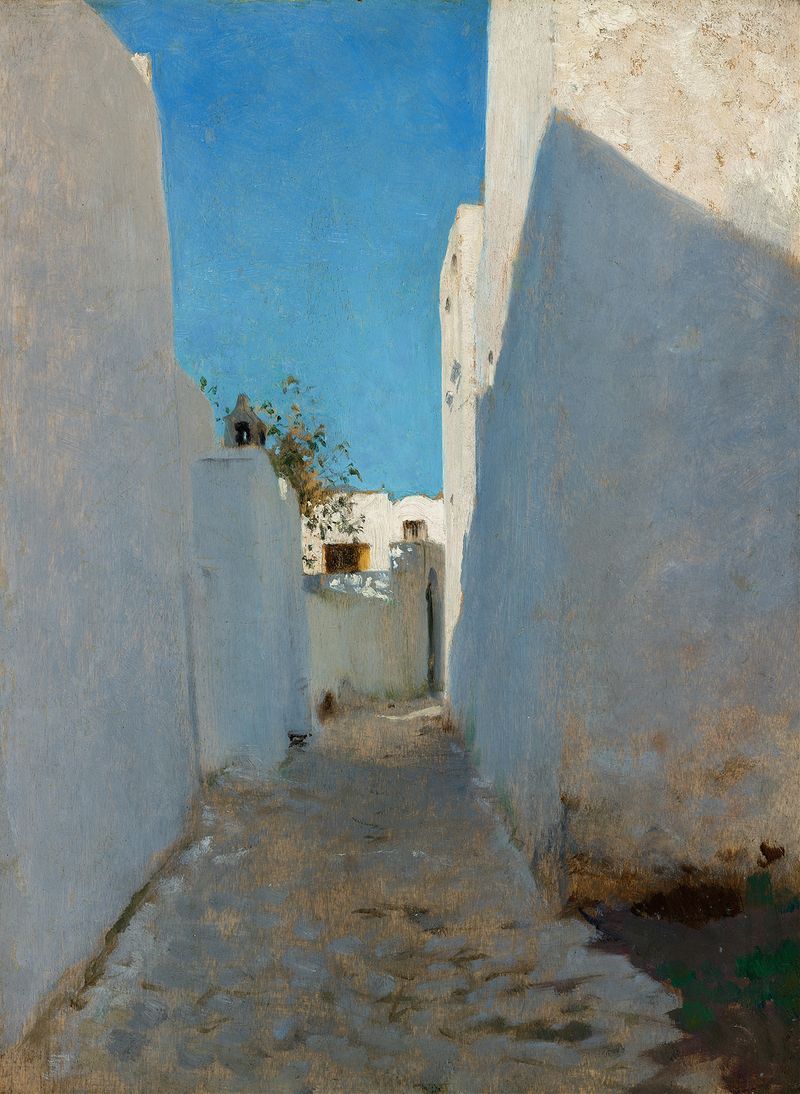
A Moroccan Street Scene
John Singer Sargent
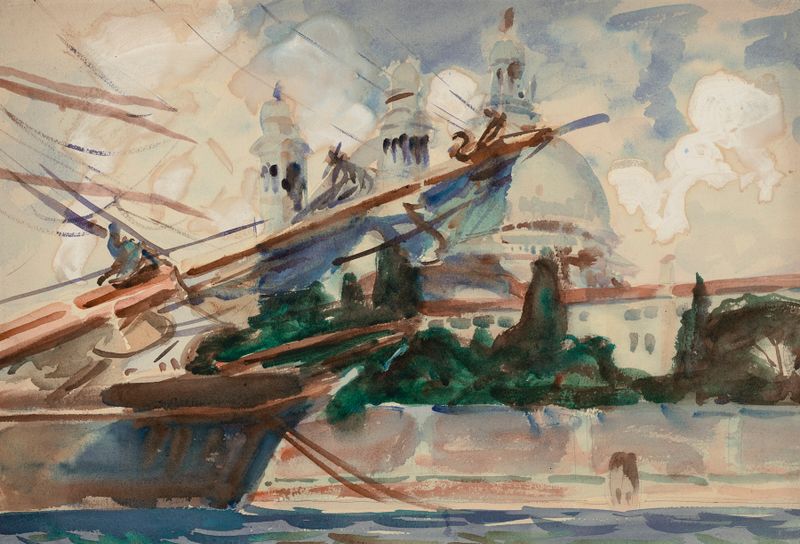
The Salute, Venice
John Singer Sargent
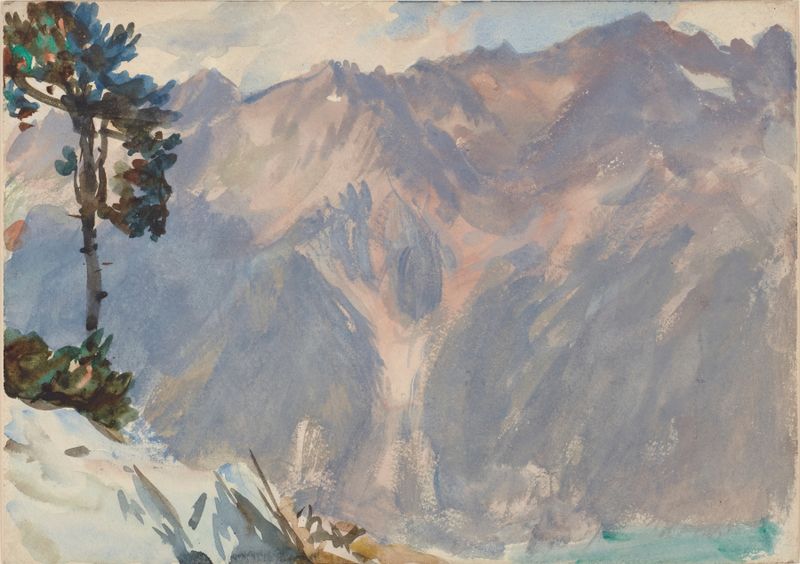
Tyrol
John Singer Sargent
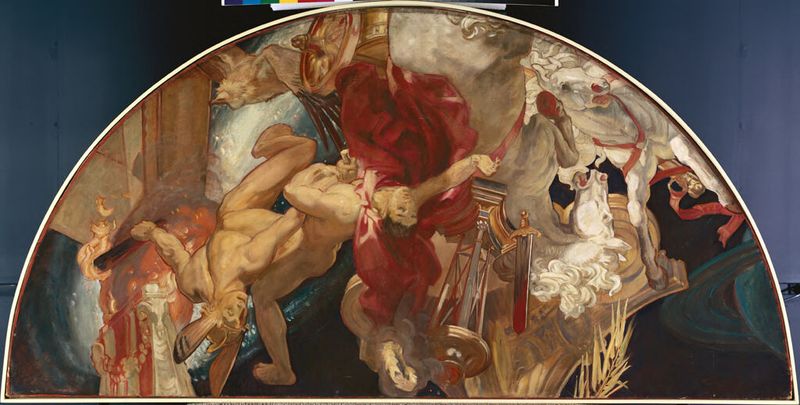
Study for "Gog and Magog," for the Boston Public Library
John Singer Sargent
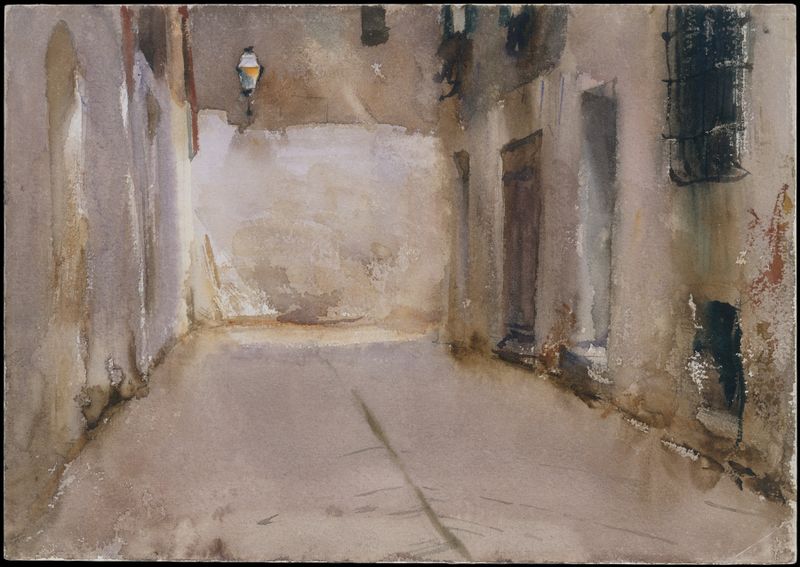
Venice
John Singer Sargent
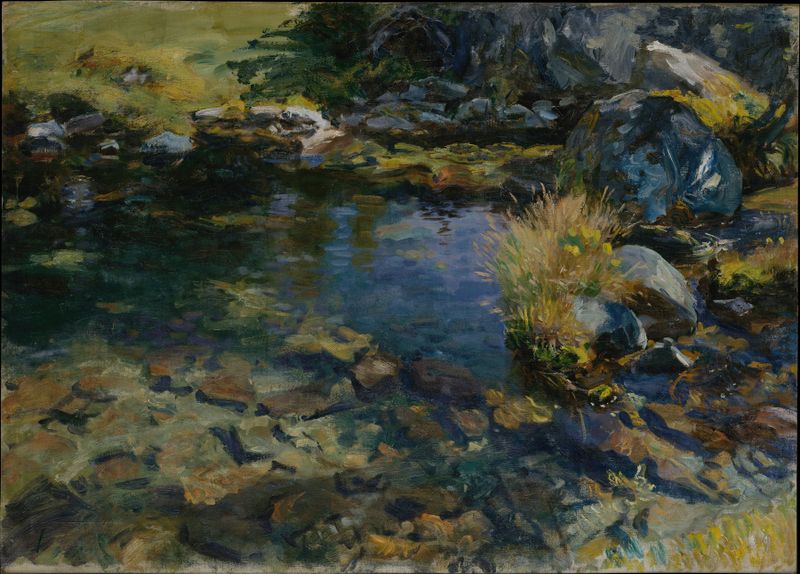
Alpine Pool
John Singer Sargent
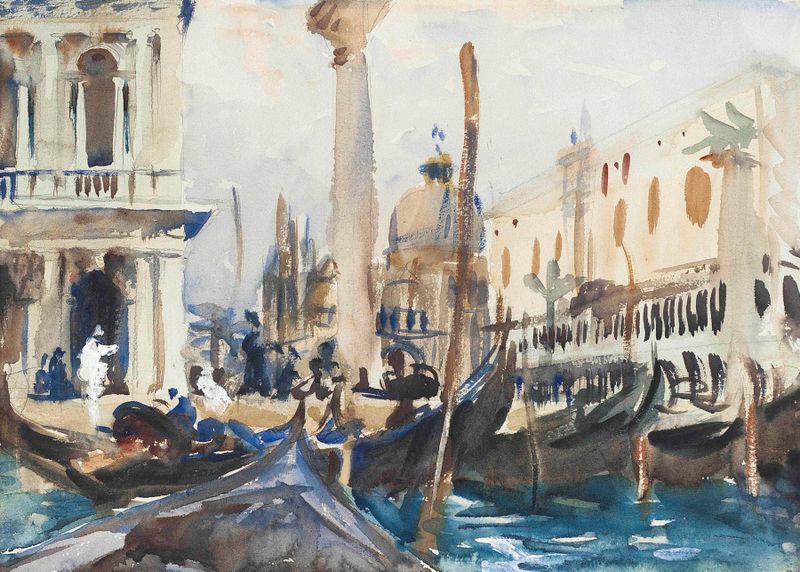
The Piazzetta with Gondolas
John Singer Sargent
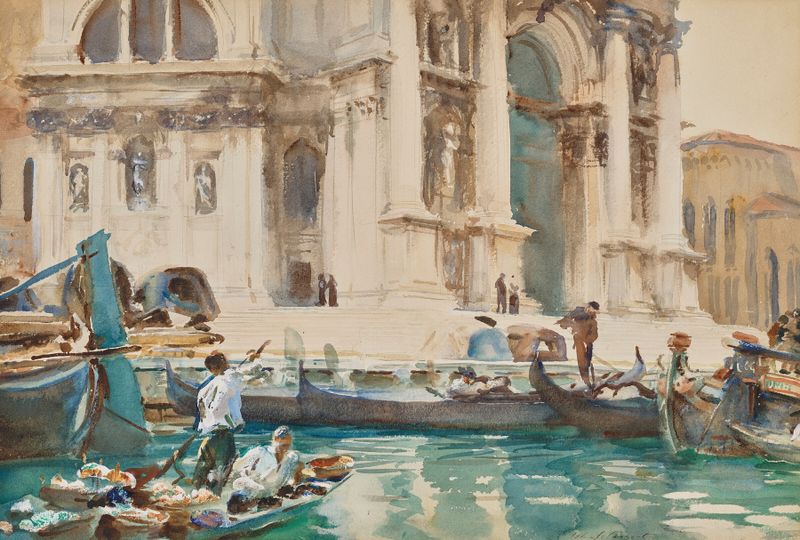
The Façade of La Salute, Venice
John Singer Sargent





