
Trees — History & Facts
In the delicate interplay of nature, innocence flutters like leaves in the wind, whispering secrets to those who pause to listen. Look to the left at the tall, slender trunks that stretch upward, their bark a warm tapestry of browns and greens. Notice how the dappled light filters through the canopy, casting a gentle glow upon the forest floor, where shadows dance playfully. Bacher’s brushstrokes evoke a sense of tranquility, blending realism with a hint of impressionistic flair, as soft edges and vibrant hues breathe life into the scene. The composition invites contemplation, revealing a quiet conversation between the trees and the viewer.
Each trunk stands as a sentinel of time, bearing witness to the innocence of nature untouched by the turmoil of human existence. The subtle variations in foliage and the interplay of light and shadow suggest a deeper reverence for the natural world, evoking feelings of nostalgia and peace, while hinting at fleeting moments of purity. In 1878, Otto Henry Bacher was immersed in the artistic milieu of America, having recently returned from Europe where he had absorbed the influences of the Impressionists. Living in New York City, he was surrounded by vibrant discussions on the evolving styles of landscape painting.
The creation of Trees reflects not only his technical prowess but also a growing yearning for the simplicity and innocence that nature embodies amidst the complexities of urban life.
More Artworks by Otto Henry Bacher
Browse all →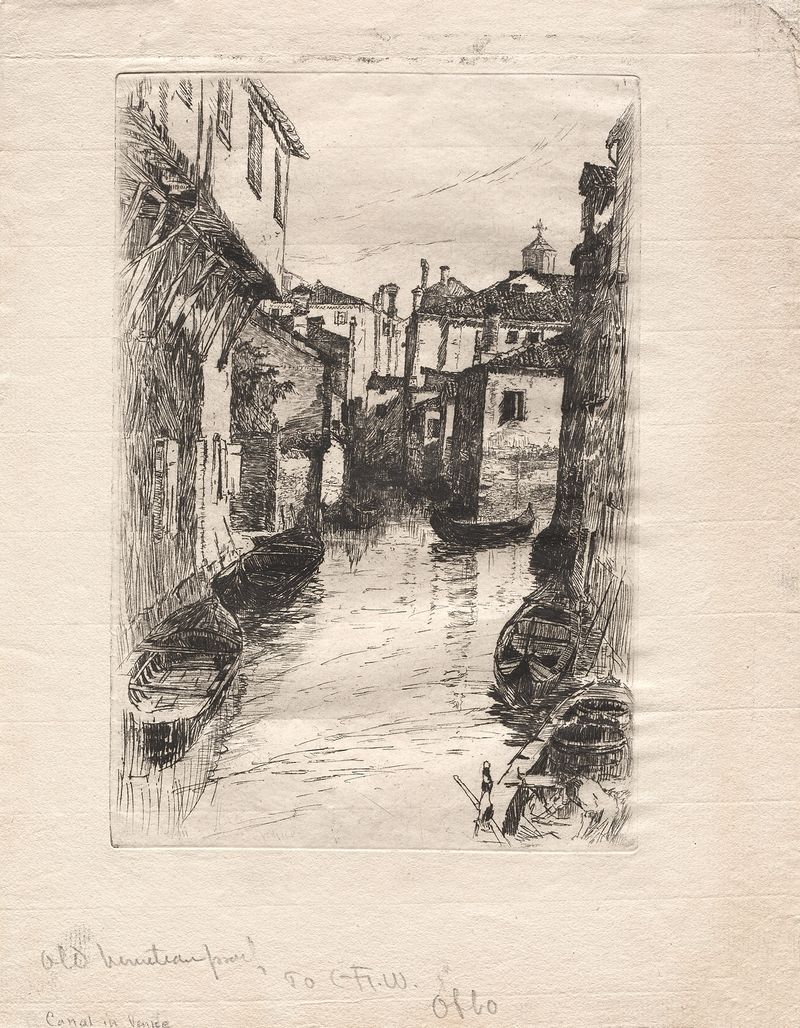
Canal in Venice
Otto Henry Bacher
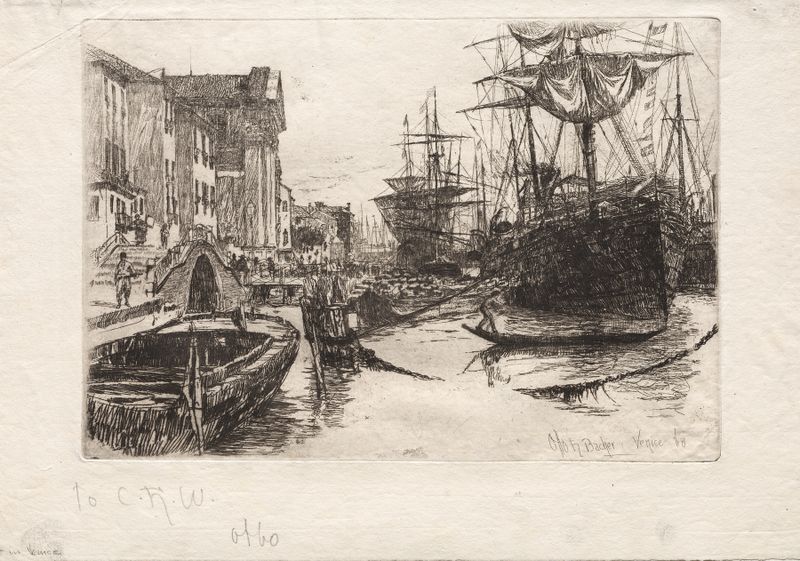
View in Venice
Otto Henry Bacher
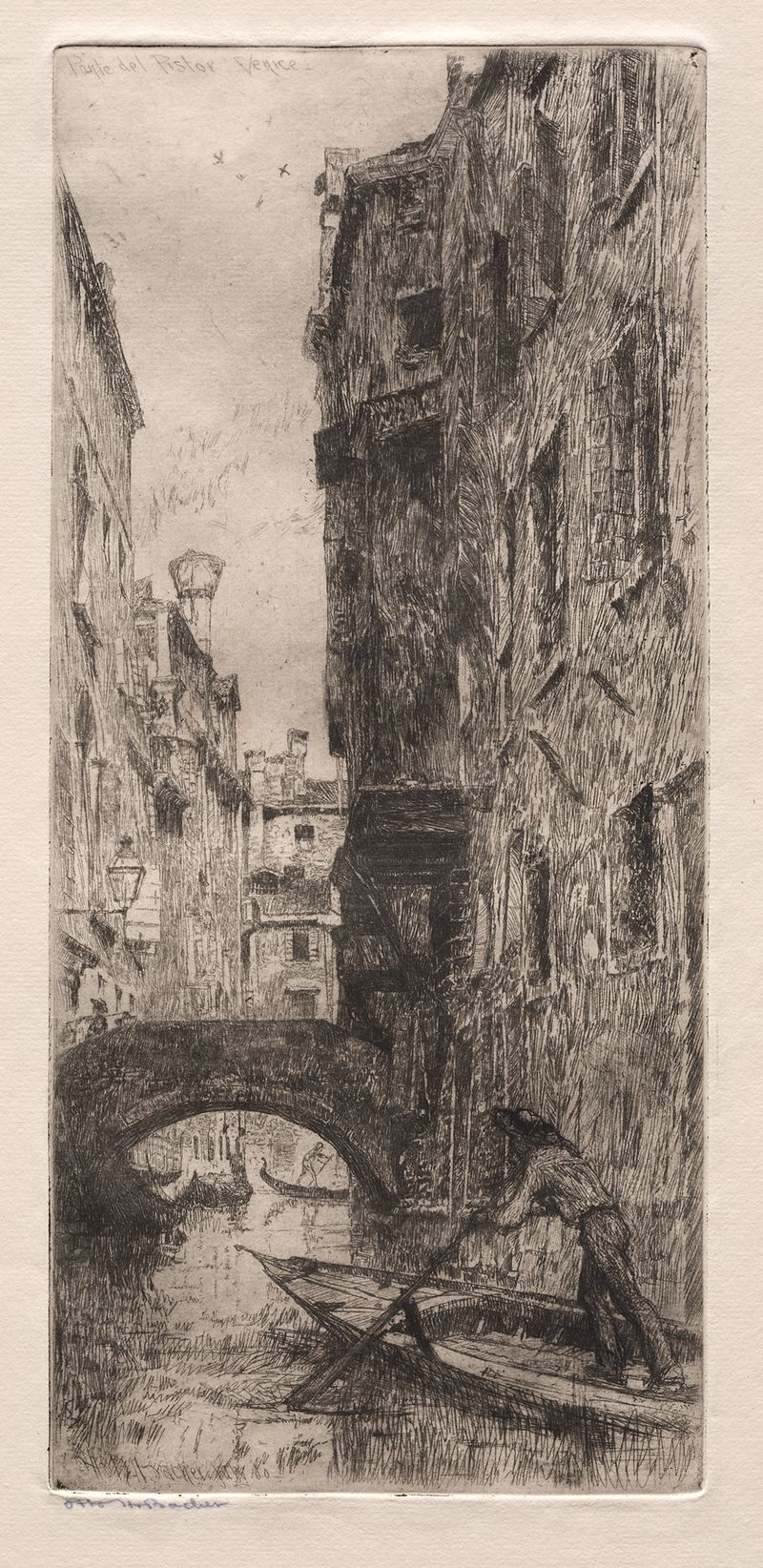
Ponte del Pistor, Venice
Otto Henry Bacher
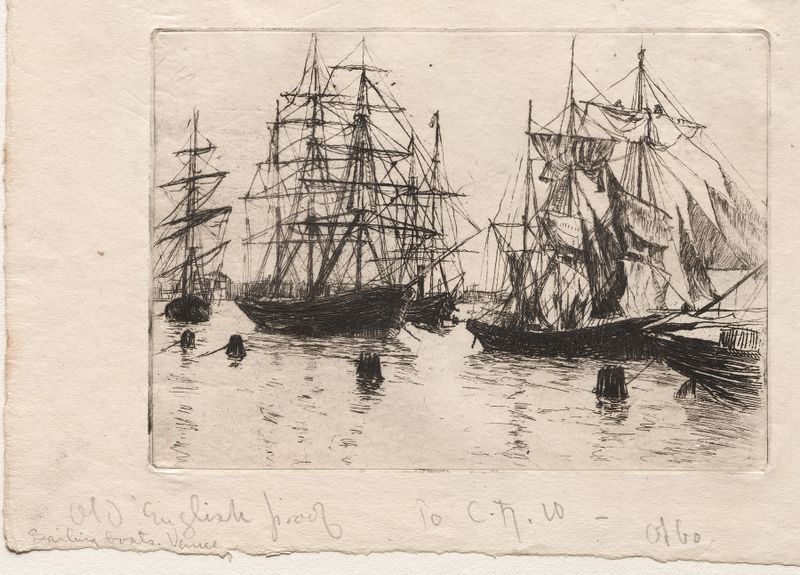
Sailing Boats, Venice
Otto Henry Bacher
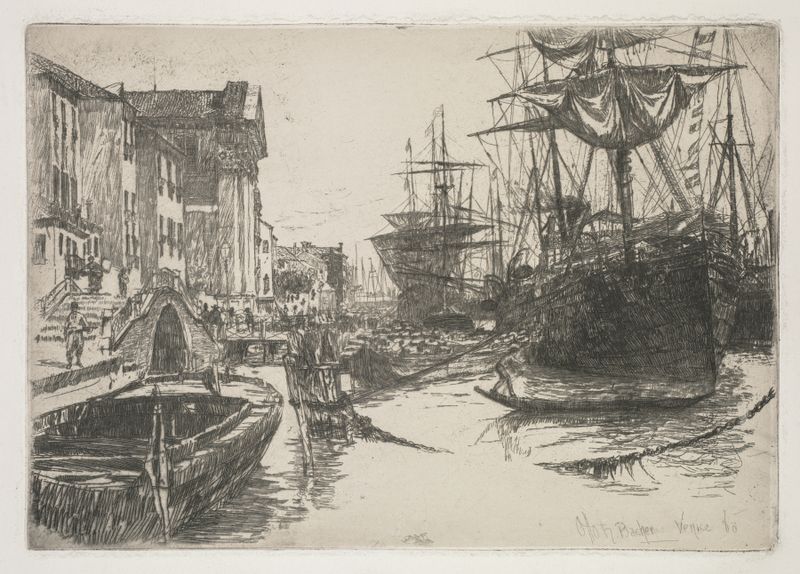
Fondamenta della Zattere
Otto Henry Bacher
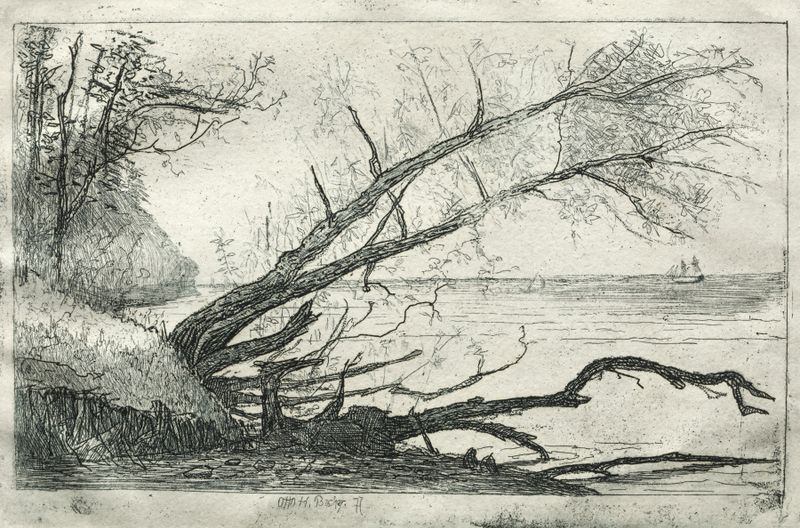
Old Sycamore
Otto Henry Bacher
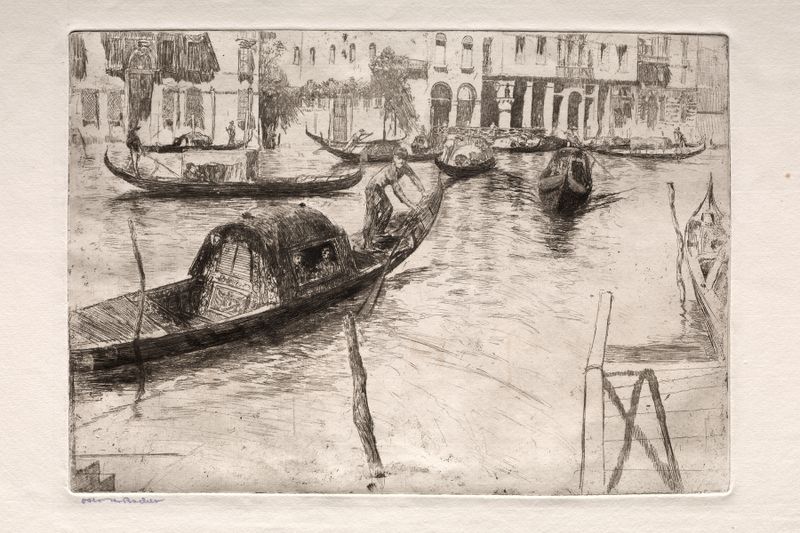
Traghetto San Felice
Otto Henry Bacher
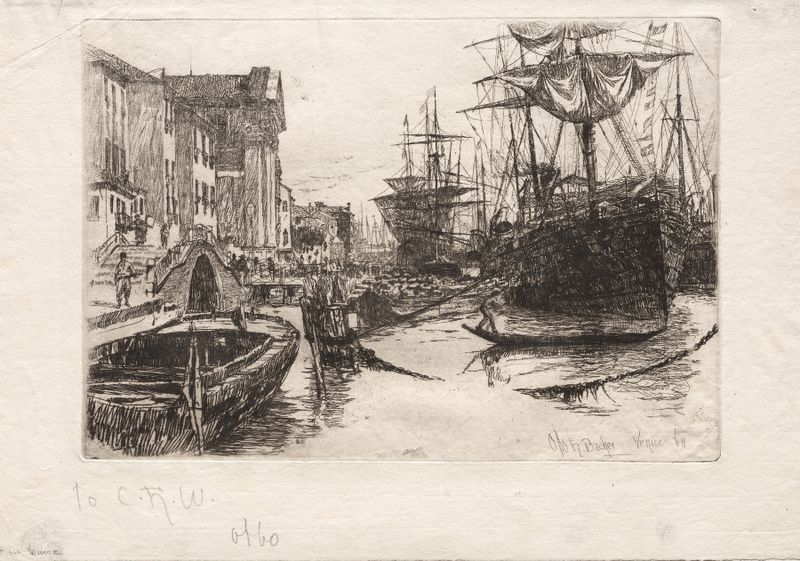
View in Venice
Otto Henry Bacher
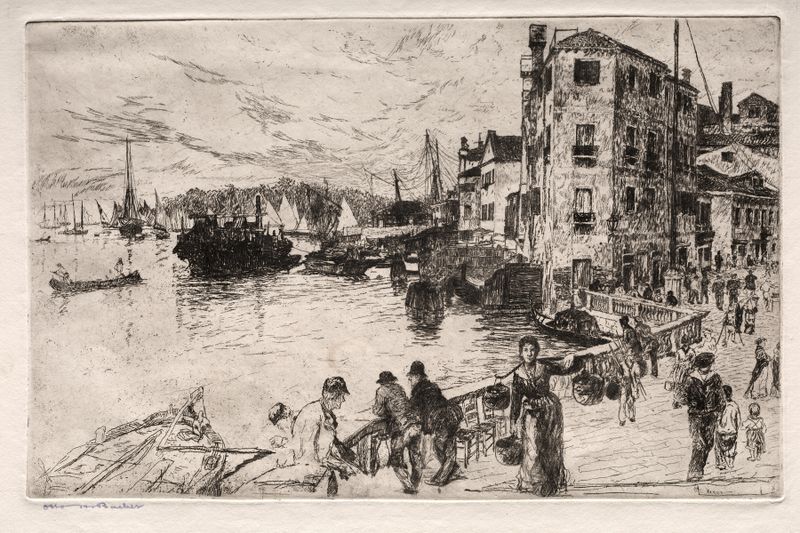
Castello Quarters, Riva
Otto Henry Bacher
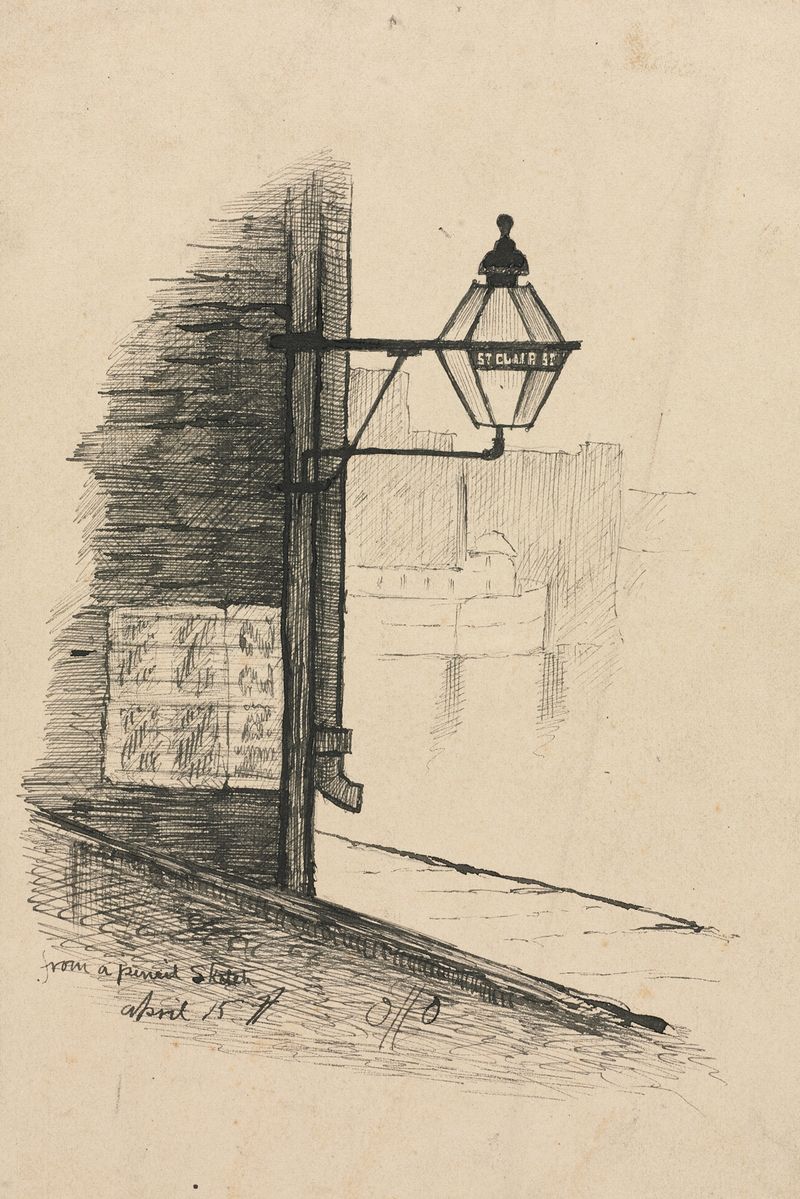
St. Clair Street, Cleveland
Otto Henry Bacher





