
Trees in Alupka. From the journey to Crimea — History & Facts
Is this a mirror — or a memory? In Trees in Alupka, the brushstrokes seem to whisper secrets of longing and bitterness, capturing a moment suspended between reality and remembrance. Look to the left at the dense foliage, where verdant greens intermingle with strokes of gold and ochre, each leaf dancing in the gentle touch of sunlight. Notice how the trees stand tall, their gnarled trunks echoing resilience despite the shadow they cast, hinting at a past laced with sorrow. The sky above transitions from a deep azure to soft pastels, creating a soothing backdrop that contrasts the tumultuous undercurrents of the scene below.
The interplay between light and shadow reveals the painting's intricate depth, pulling the viewer into a contemplative embrace. As you delve deeper, consider the emotional layers present in the work. The trees, while sturdy, seem to harbor secrets, their trunks twisted in a way that suggests both strength and vulnerability. The vibrant colors evoke an unfurling of life yet hint at a poignant betrayal — memories entwined with the beauty of nature often conceal the darker truths of human experience.
Each glance at the foliage prompts questions of loyalty and the scars left by time, echoing the complexities of relationships that end in disillusionment. Painted between 1887 and 1899, the artist was deeply influenced by the shifting tides of European art and personal upheaval. During this period, Ciągliński was exploring the Russian and Ukrainian landscapes, allowing his brush to unfurl the emotional landscape of his own life. The era was marked by the rise of Impressionism, which encouraged a focus on light and color rather than mere representation, perfectly aligning with his quest to capture both the natural beauty of Alupka and the shadows lurking just beneath the surface.
More Artworks by Jan Ciągliński
Browse all →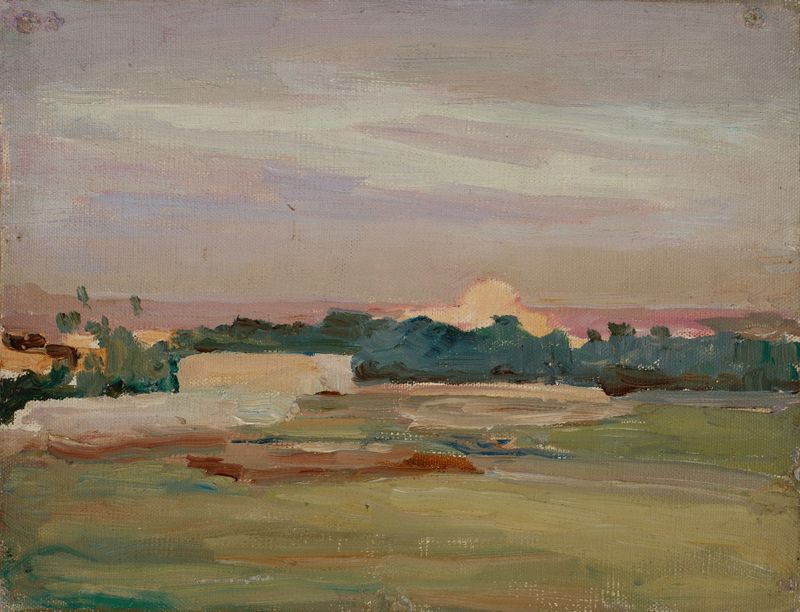
The Sirocco
Jan Ciągliński
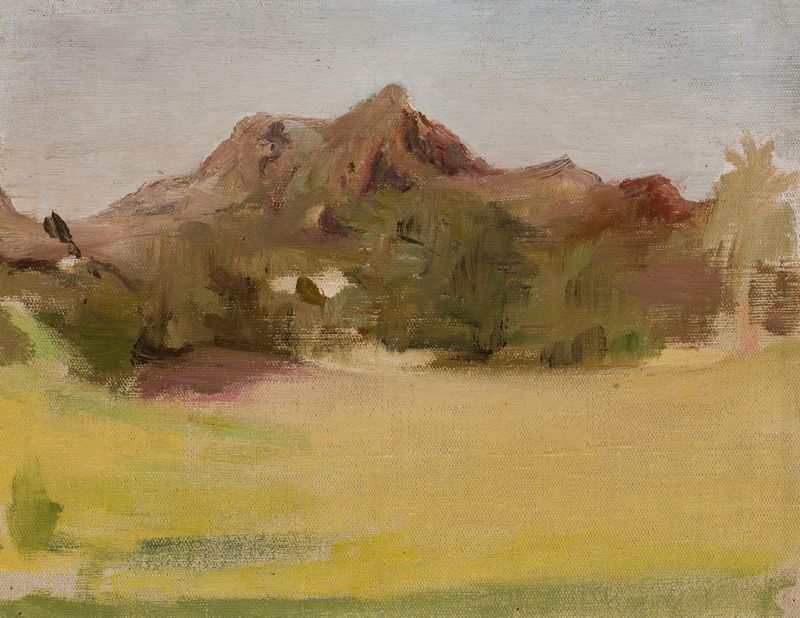
Mountain landscape. From the journey to India
Jan Ciągliński
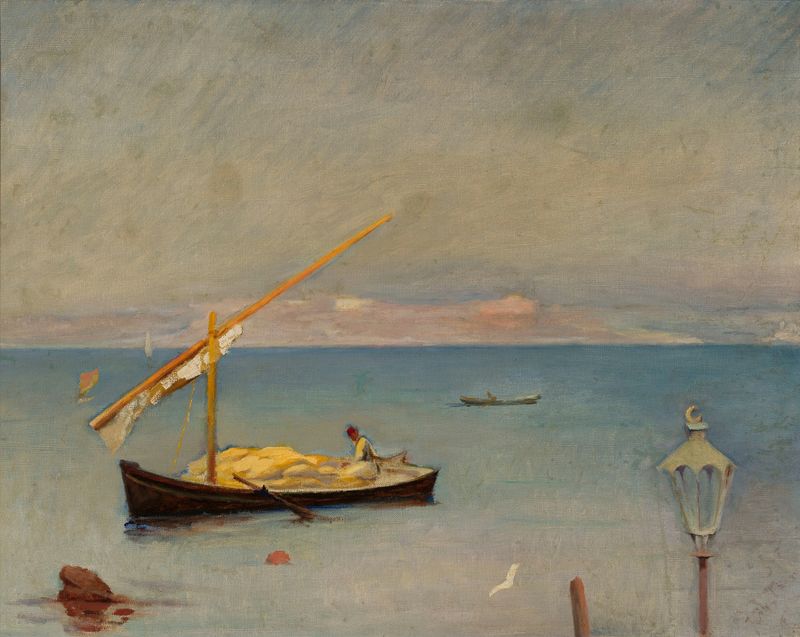
At Bosporus
Jan Ciągliński
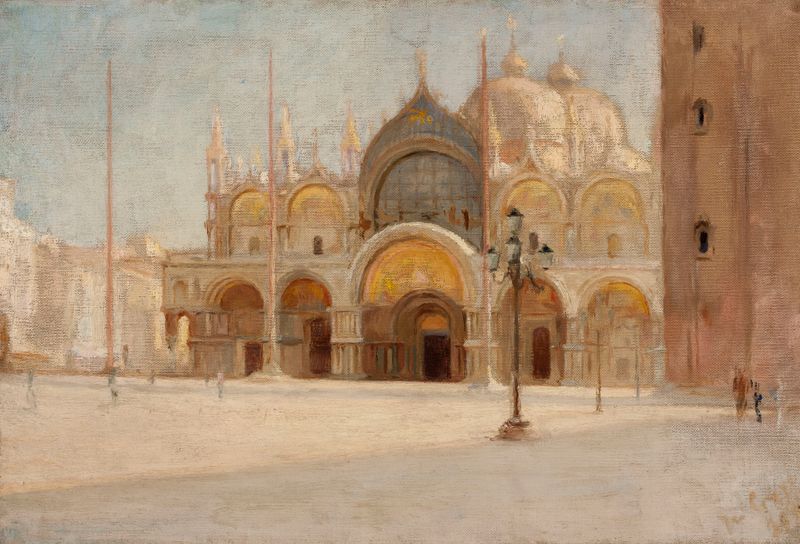
St Mark’s Square in Venice
Jan Ciągliński
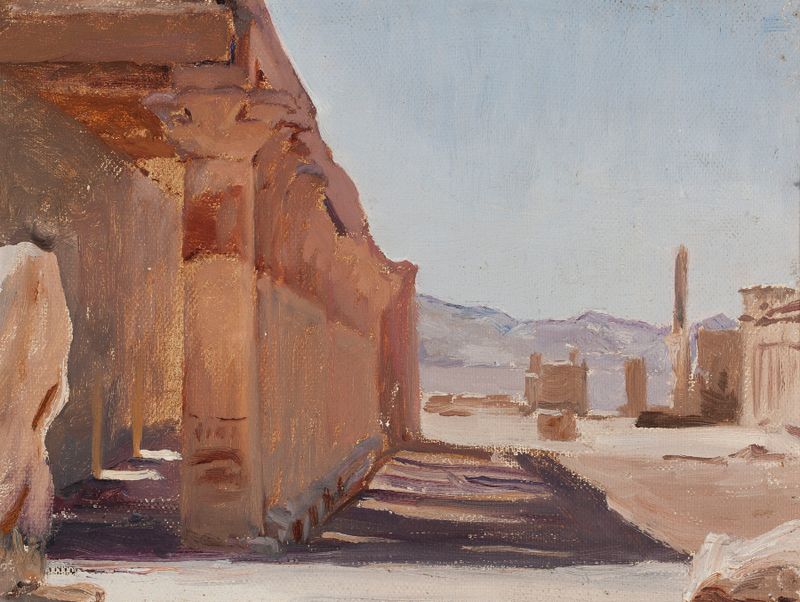
Temple. From the journey to Egypt
Jan Ciągliński
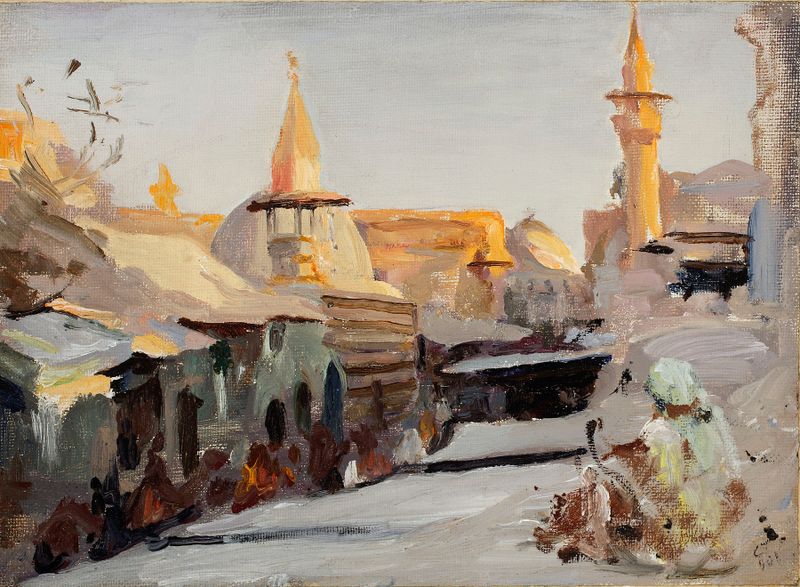
Street in Damascus. From the journey to Palestine
Jan Ciągliński
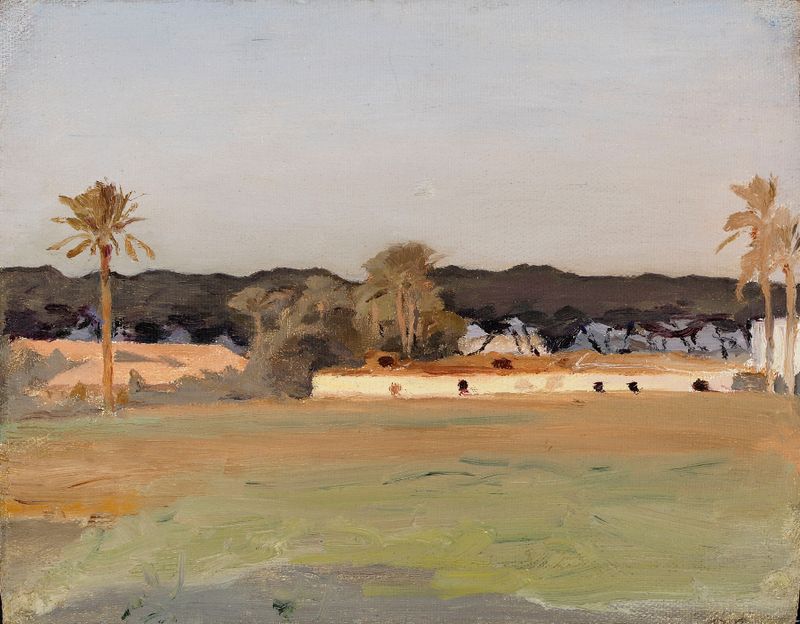
Evening. From the journey to Egypt
Jan Ciągliński
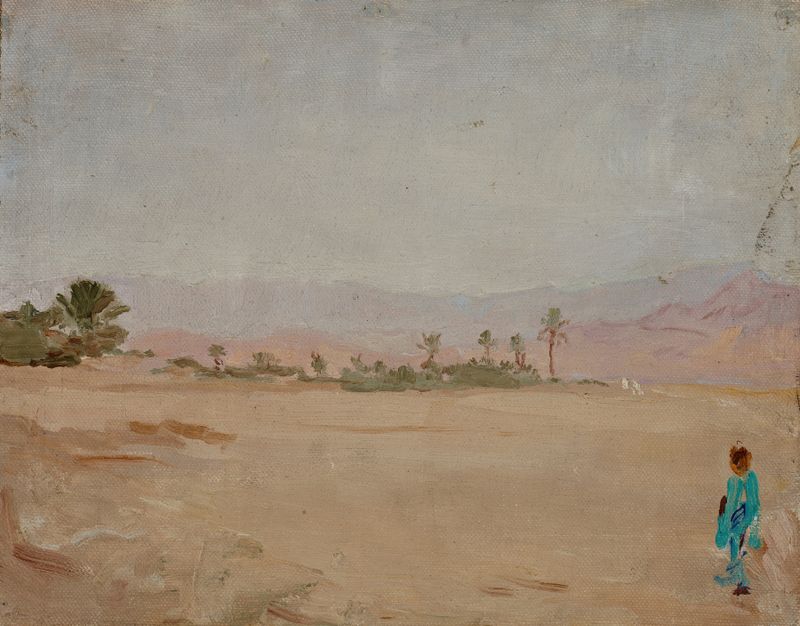
Sahara (Desert)
Jan Ciągliński
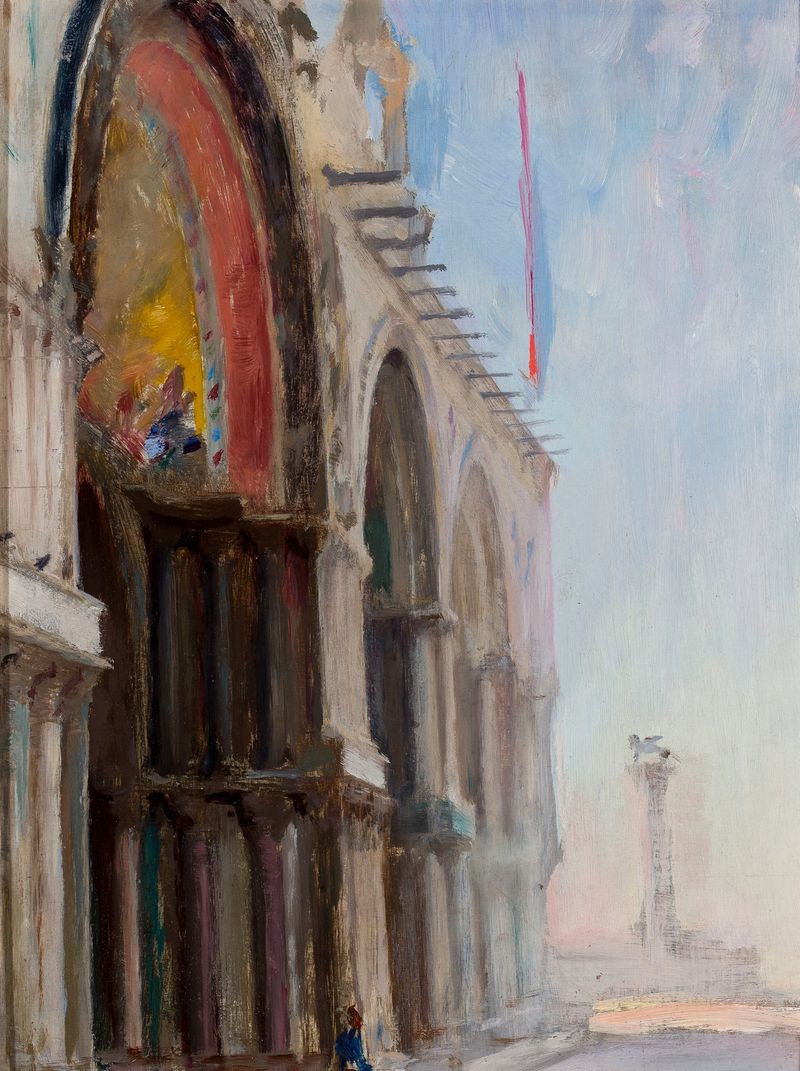
Venice – San Marco. From the journey to Italy
Jan Ciągliński
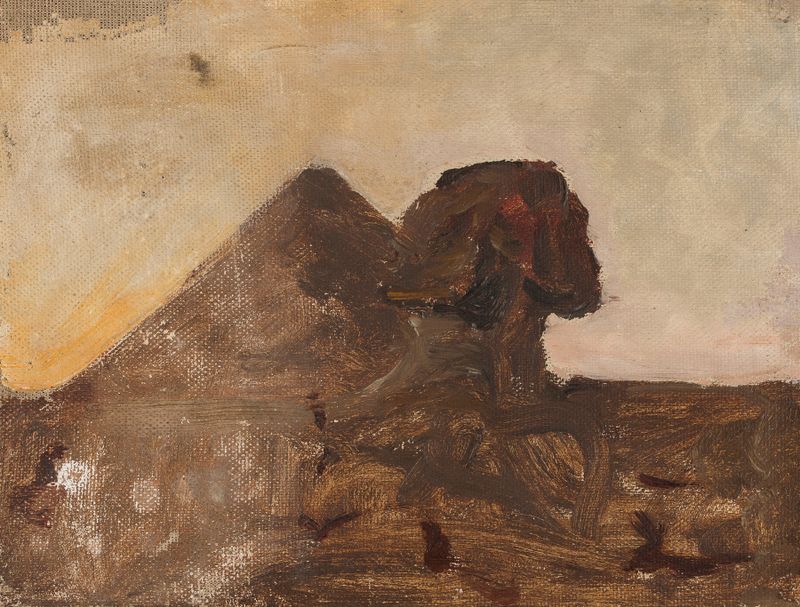
Evening in the desert – Sphinx and pyramid. From the journey to Egypt
Jan Ciągliński





