
Trento — History & Facts
Could a single brushstroke hold eternity? In Trento, serenity unfolds like a whispered promise, inviting the viewer to pause and breathe within its tranquil embrace. Look to the left at the soft undulation of the hills, where delicate greens blend with the muted browns of the earth, suggesting a gentle, almost meditative landscape. Notice how the light spills across the foreground, illuminating the quiet streets of the quaint village, inviting the eye to trace the path toward the distant mountains. The composition is balanced yet dynamic, as the soft brushwork creates a sense of movement, while the harmonious palette evokes a calmness that envelops the entire scene. There exists a subtle contrast between the lively brushstrokes that depict the bustling life within the village and the stillness of the mountains that loom silently in the background.
The interplay of light and shadow evokes a sense of time, suggesting both the passage of day and the permanence of the landscape. Small details, such as the glint of sunlight on a window or the soft rustle of leaves, emphasize a serene coexistence between nature and humanity, a moment frozen yet alive. Fritz Bamberger painted Trento in 1853 during his time in Italy, where he was deeply influenced by the Romantic movement. This period marked a significant shift in his artistic journey, as he sought to capture the emotional resonance of landscapes, reflecting both personal introspection and the broader cultural embrace of nature in art.
More Artworks by Fritz Bamberger
Browse all →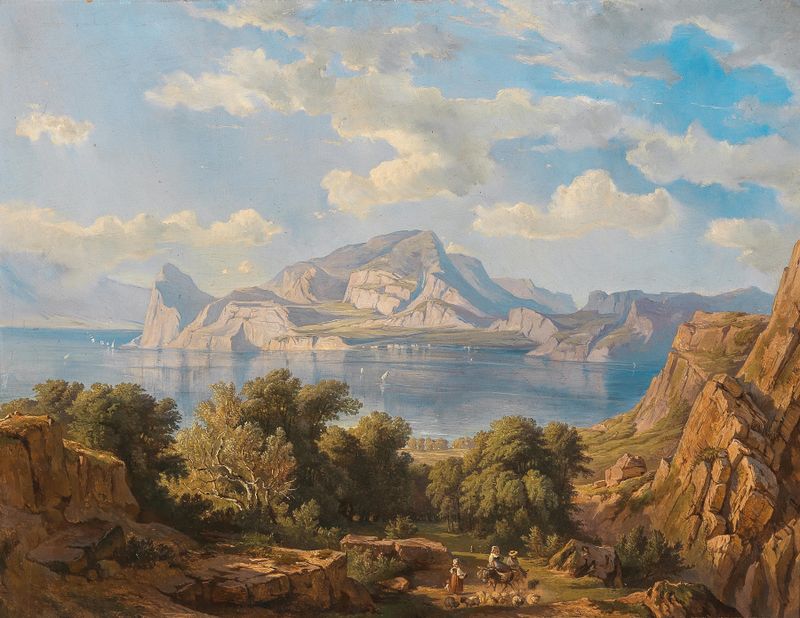
A View of Capo Miseno with Vesuvius in the Background
Fritz Bamberger

Spanische Küstenlandschaft zwischen Murcia und Almeria
Fritz Bamberger
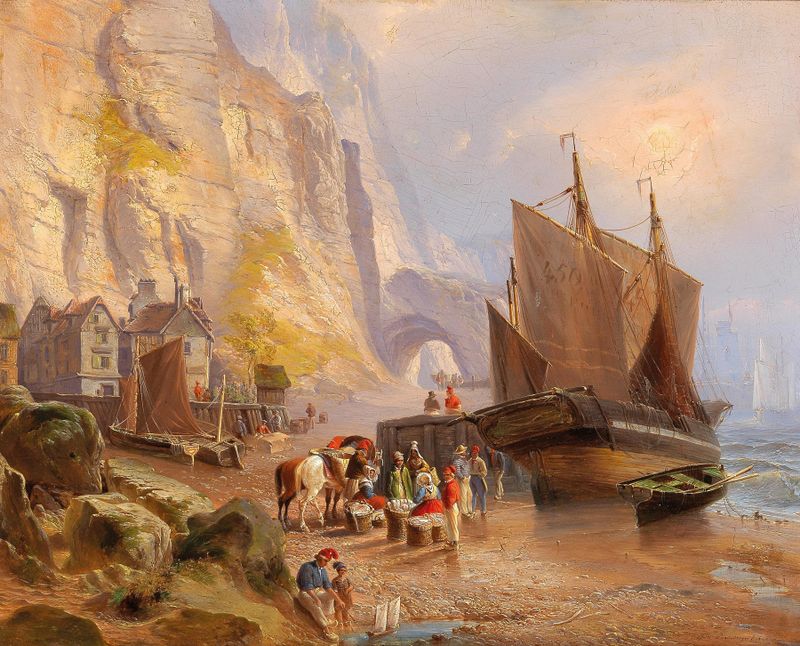
Fishermen on the Beach
Fritz Bamberger
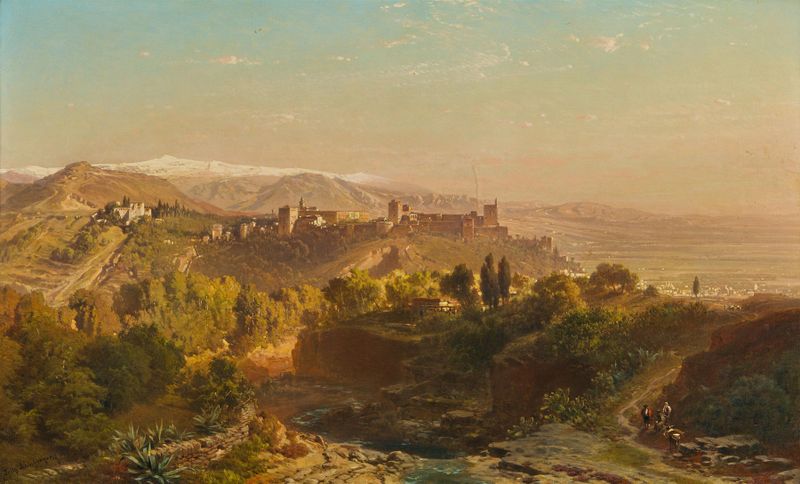
Spanische Landschaft mit Blick auf die Alhambra
Fritz Bamberger
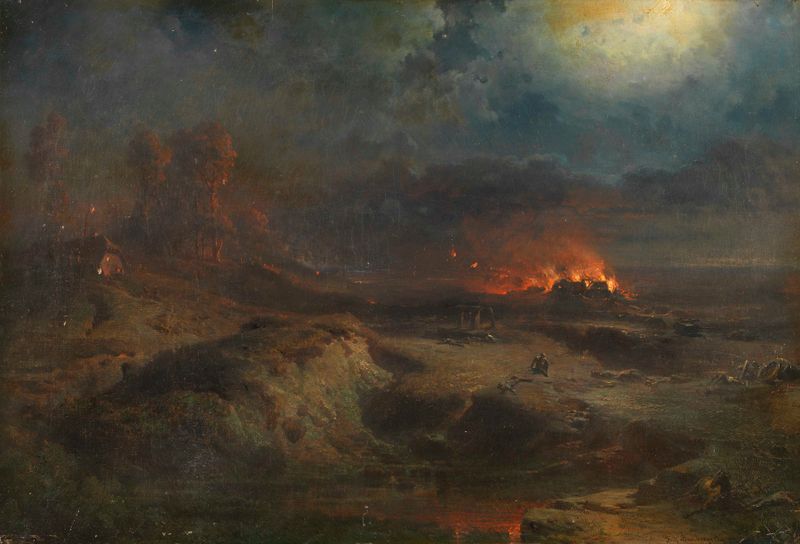
Nächtliche Szene mit brennendem Gehöft
Fritz Bamberger
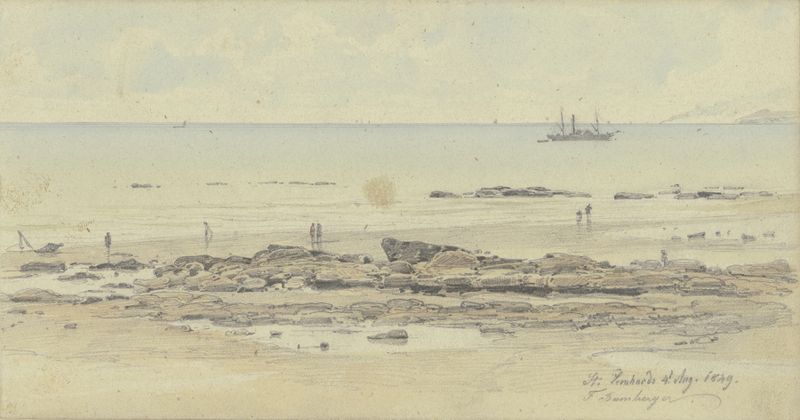
Küste bei Saint Leonards-on-Sea
Fritz Bamberger
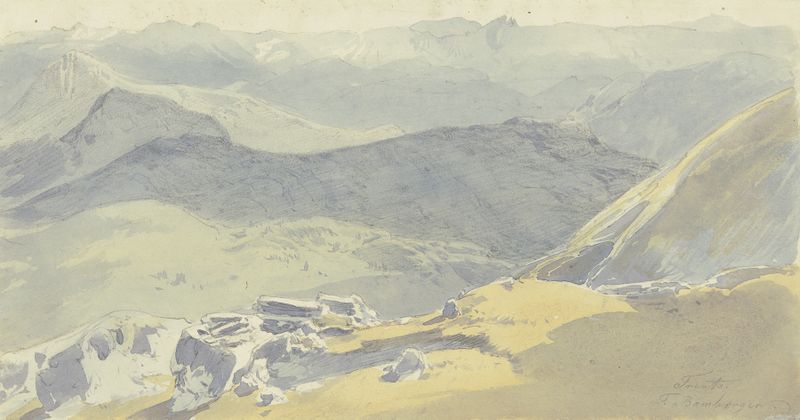
Trento
Fritz Bamberger

Weite Hochebene mit See, im Vordergrund Kastell und Aquädukt
Fritz Bamberger
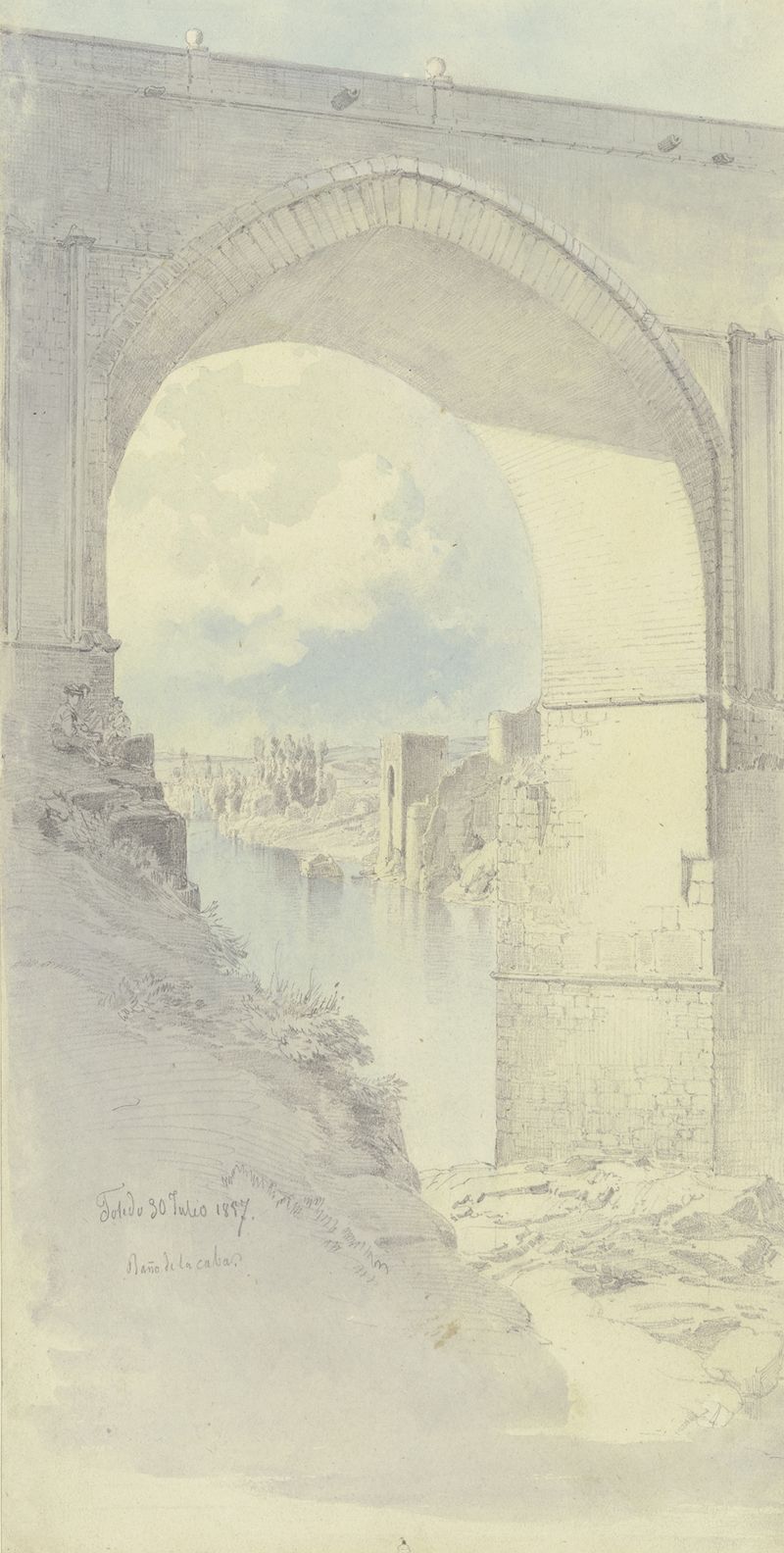
Durchblick durch den Bogen einer Brücke in Toledo
Fritz Bamberger
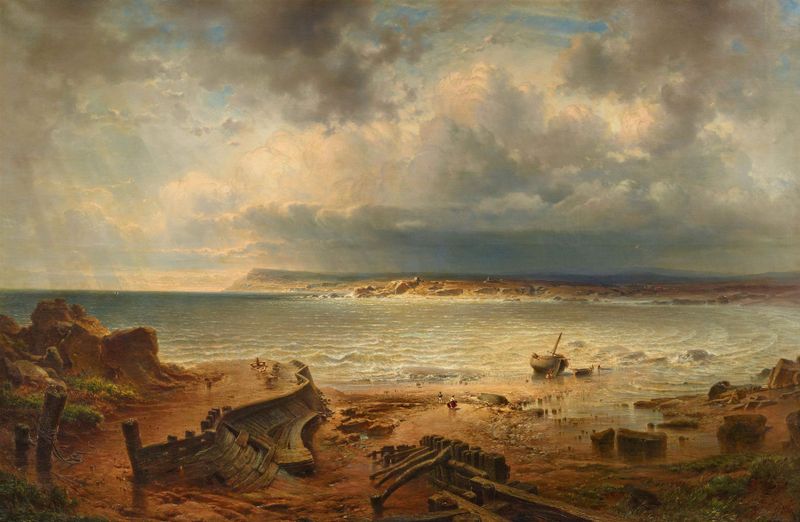
Englische Küste zwischen Hastings und Brighton
Fritz Bamberger





