
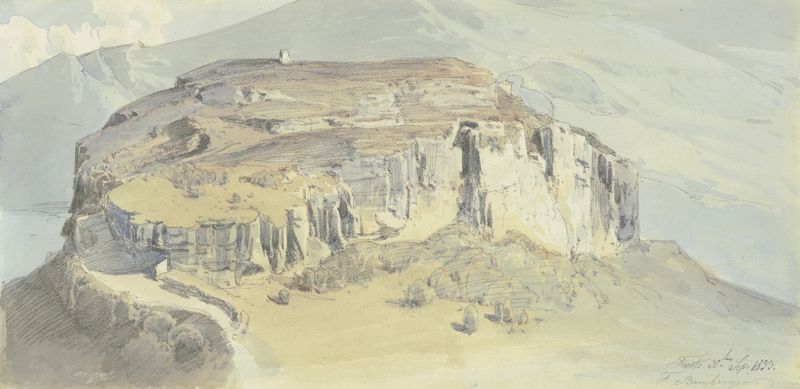
Weite Hochebene mit See, im Vordergrund Kastell und Aquädukt — History & Facts
In a world where color speaks louder than words, the silent conversations held within a painting can reveal the deepest emotions of the artist. Focus first on the lush greens that envelop the landscape, drawing your gaze to the tranquil lake nestled in the background. The cool blues and shimmering waters reflect the sky, bridging the serenity of the scene and the vibrancy of life below. Notice how the fortress stands resolutely in the foreground; its warm, earthy tones contrast sharply with the delicate arches of the aqueduct, creating a harmony between the natural and the manmade.
Each stroke pulsates with intent, a testament to the artist’s mastery in orchestrating color. Delve deeper into the composition, where the juxtaposition of the hard, structured forms and the fluidity of nature creates a tension between strength and fragility. The aqueduct, a symbol of ingenuity, seems to stretch endlessly, yet its elegance speaks to a transient beauty that might fade with time. The distant mountains, bathed in soft hues, evoke a sense of longing, suggesting that beyond the borders of this idyllic scene lies an ever-elusive journey. Fritz Bamberger created this work during a time rich with experimentation in the art world, particularly in the early 20th century.
Although the exact date is unknown, his exploration of color and form reflects the transition in artistic focus toward impressionism and post-impressionism. Living in Europe, he was not only influenced by his surroundings but also by the burgeoning movements that sought to capture the essence of light and emotion, forever changing the landscape of visual art.
More Artworks by Fritz Bamberger
Browse all →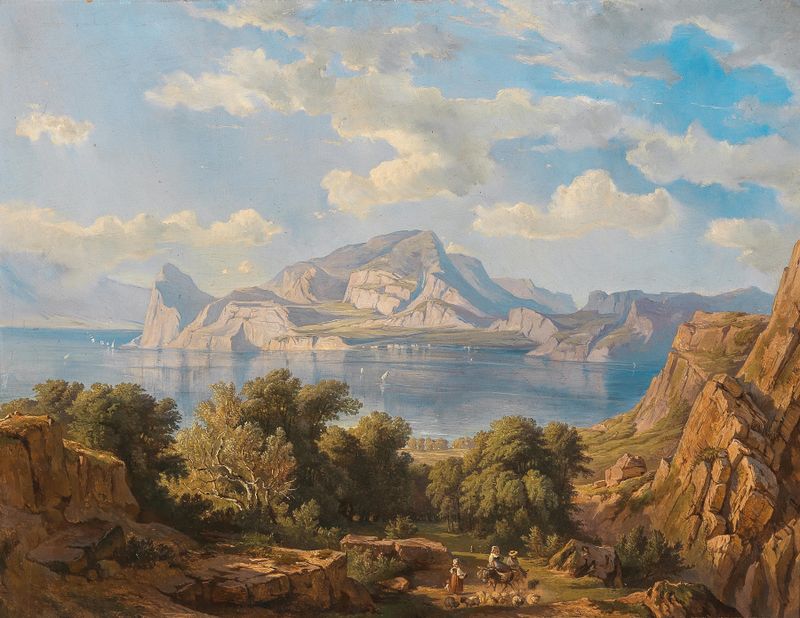
A View of Capo Miseno with Vesuvius in the Background
Fritz Bamberger

Spanische Küstenlandschaft zwischen Murcia und Almeria
Fritz Bamberger
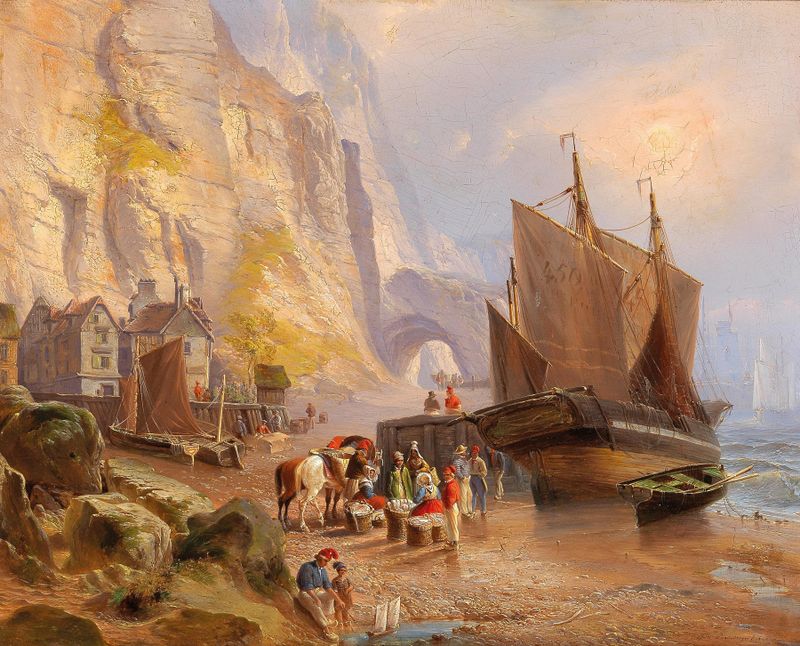
Fishermen on the Beach
Fritz Bamberger
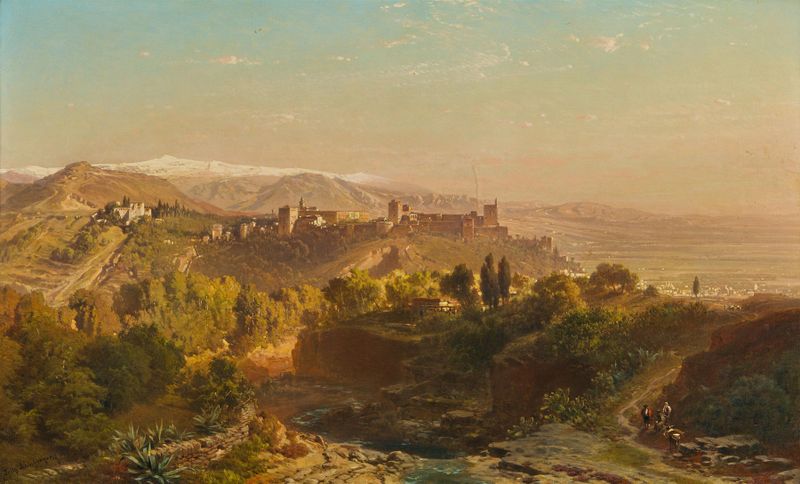
Spanische Landschaft mit Blick auf die Alhambra
Fritz Bamberger
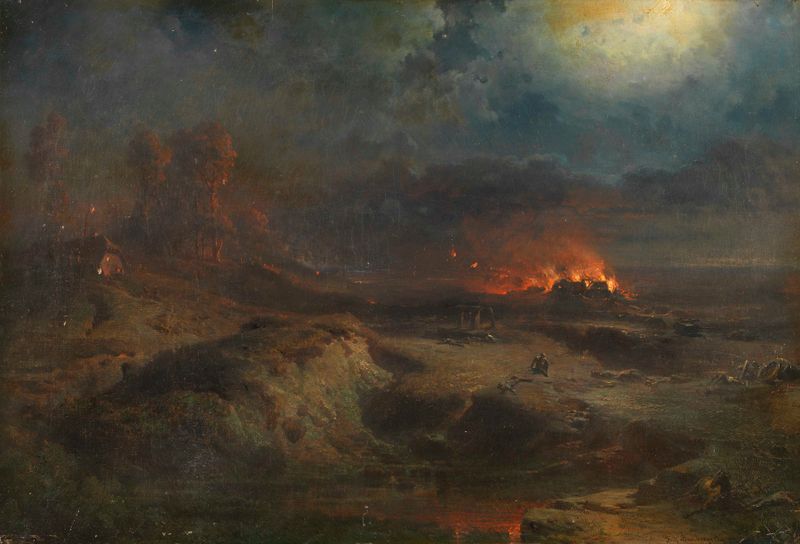
Nächtliche Szene mit brennendem Gehöft
Fritz Bamberger
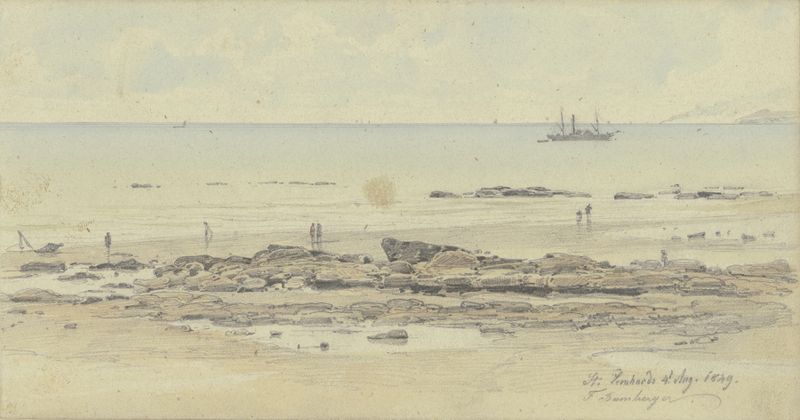
Küste bei Saint Leonards-on-Sea
Fritz Bamberger
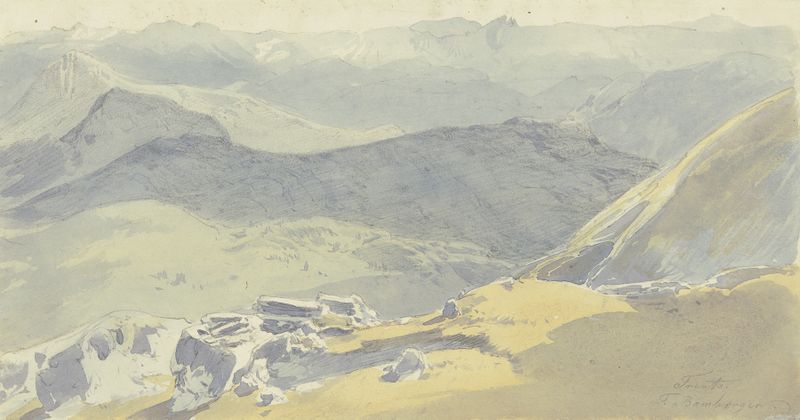
Trento
Fritz Bamberger
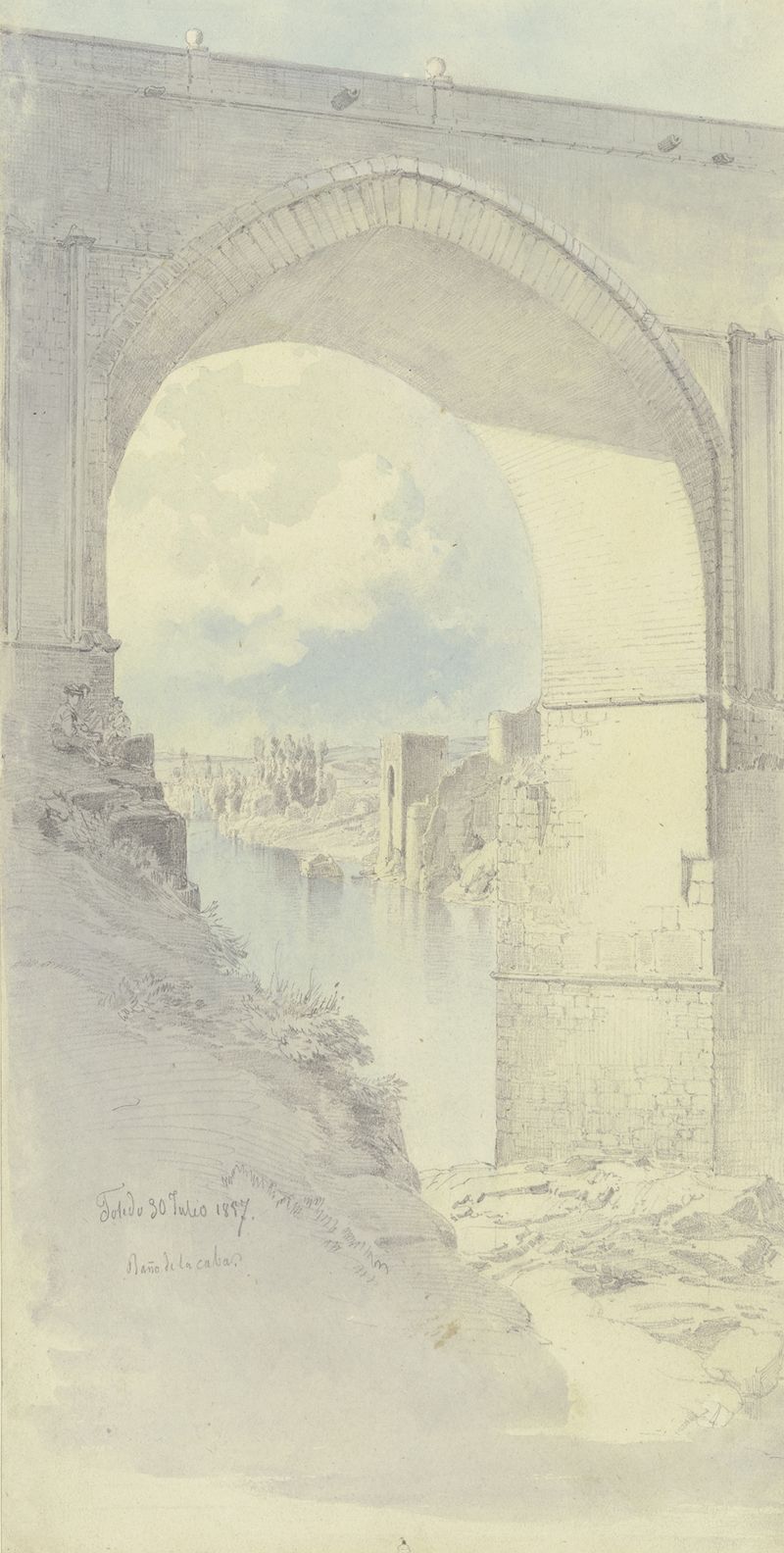
Durchblick durch den Bogen einer Brücke in Toledo
Fritz Bamberger
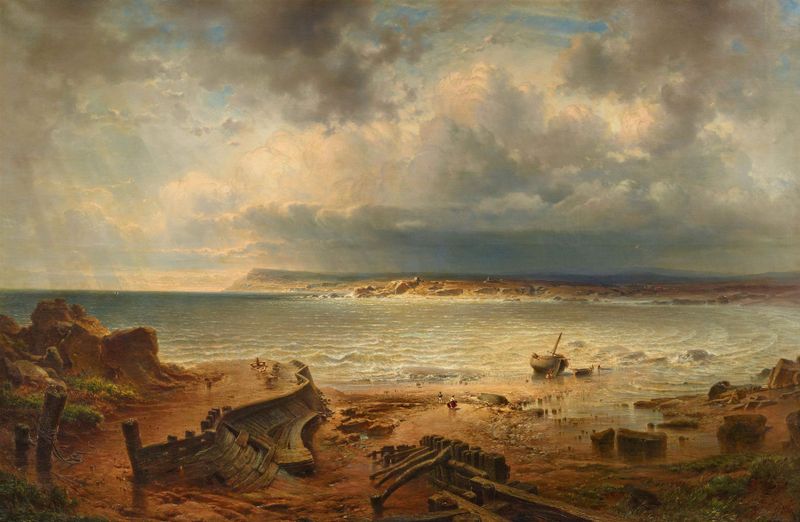
Englische Küste zwischen Hastings und Brighton
Fritz Bamberger
Trento
Fritz Bamberger





