
Englische Küste zwischen Hastings und Brighton — History & Facts
Art reveals the soul when the world turns away. In moments of quiet reflection, beauty emerges, untouched by the rush of time and circumstance. Look to the left at the soft, undulating hills that cradle the coastline. The gentle strokes of greens and browns convey the lushness of the landscape, while the shimmering blues of the sea contrast starkly, inviting the viewer's eye to wander.
Notice how the pale light of dawn spreads across the sky, casting a serene glow that envelops the entire scene. Bamberger’s masterful brushwork captures both the tranquility and the dynamic movement of the waves, suggesting a rhythm that resonates with the viewer’s own heartbeat. The interplay between land and sea evokes a sense of harmony, yet there is a subtle tension in the looming clouds on the horizon, hinting at nature's unpredictability. The distant figures, small and serene against the vastness of the landscape, reflect humanity’s vulnerability amid the awe-inspiring beauty of the world.
Each element is meticulously placed, creating a visual dialogue between the idyllic scenery and the emotional weight of existence. Fritz Bamberger painted Englische Küste zwischen Hastings und Brighton in 1861, during a period when the art world was shifting towards Impressionism. Living in Germany, Bamberger was influenced by the changing perspectives of Romanticism and realism, as artists began to explore the beauty of nature and everyday life. This work, rooted in a transitional moment in art history, speaks to the enduring relevance of beauty, even as new movements were beginning to emerge.
More Artworks by Fritz Bamberger
Browse all →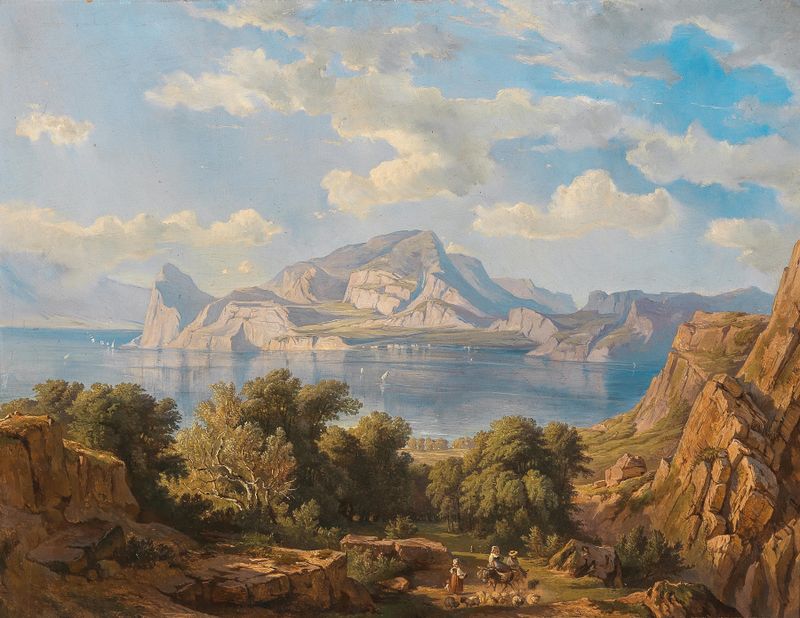
A View of Capo Miseno with Vesuvius in the Background
Fritz Bamberger

Spanische Küstenlandschaft zwischen Murcia und Almeria
Fritz Bamberger
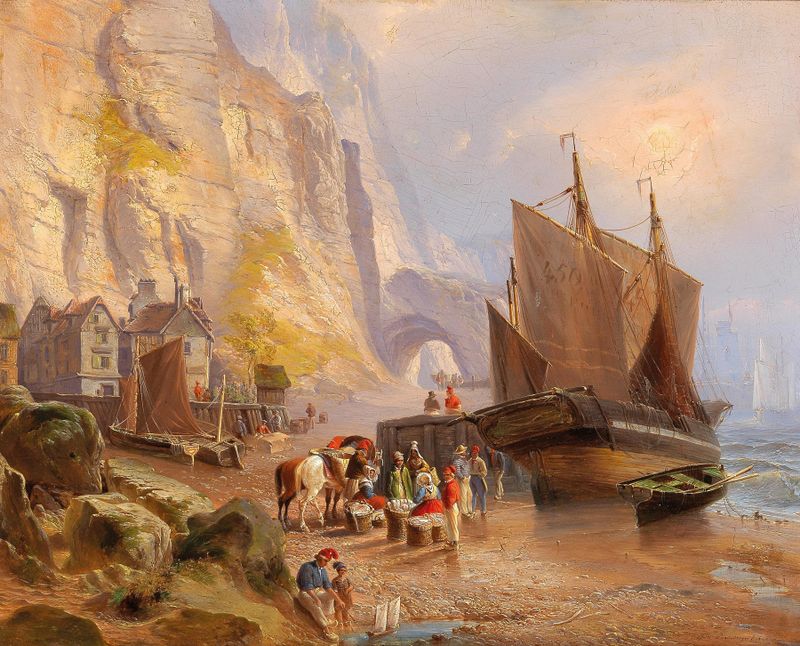
Fishermen on the Beach
Fritz Bamberger
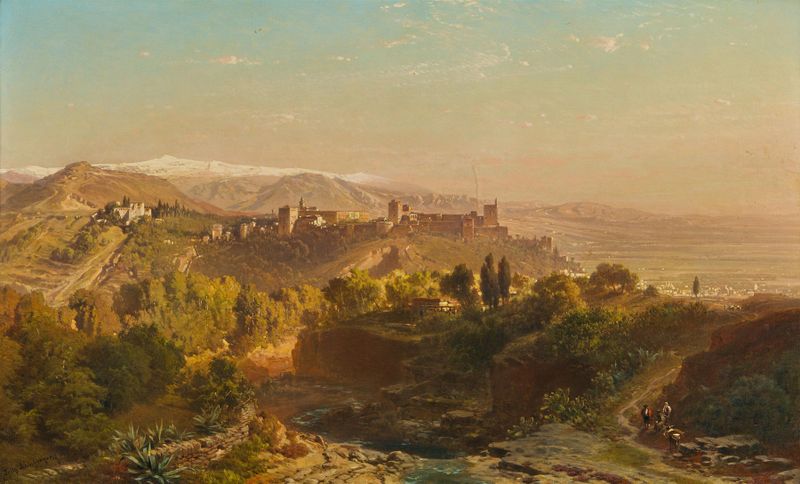
Spanische Landschaft mit Blick auf die Alhambra
Fritz Bamberger
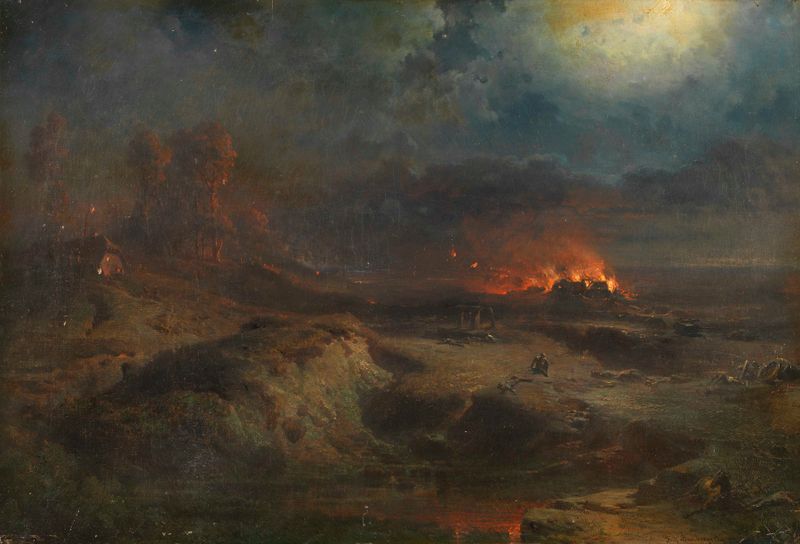
Nächtliche Szene mit brennendem Gehöft
Fritz Bamberger
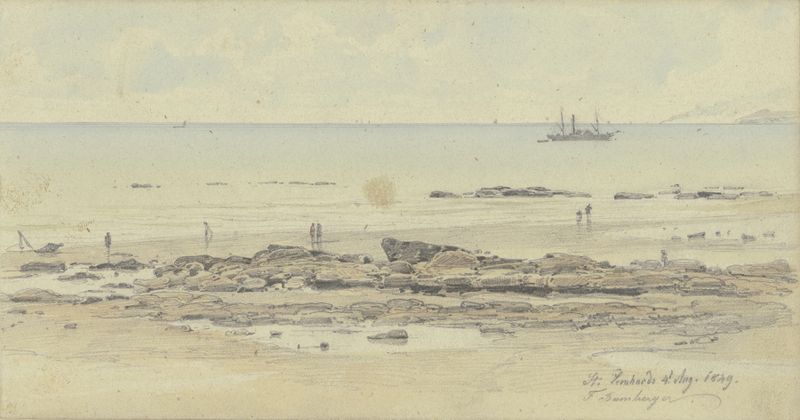
Küste bei Saint Leonards-on-Sea
Fritz Bamberger
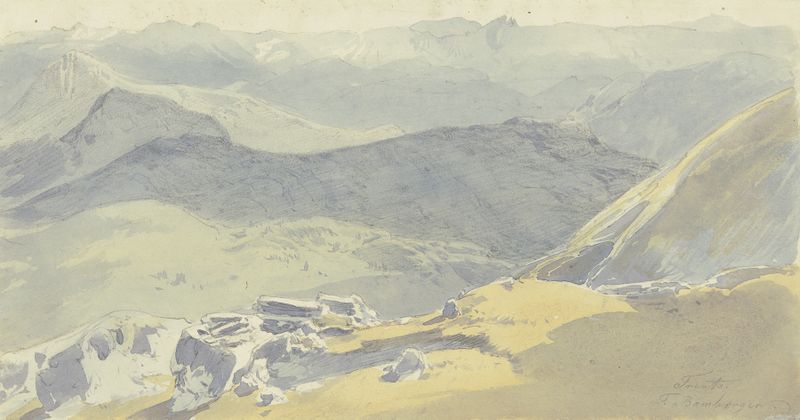
Trento
Fritz Bamberger

Weite Hochebene mit See, im Vordergrund Kastell und Aquädukt
Fritz Bamberger
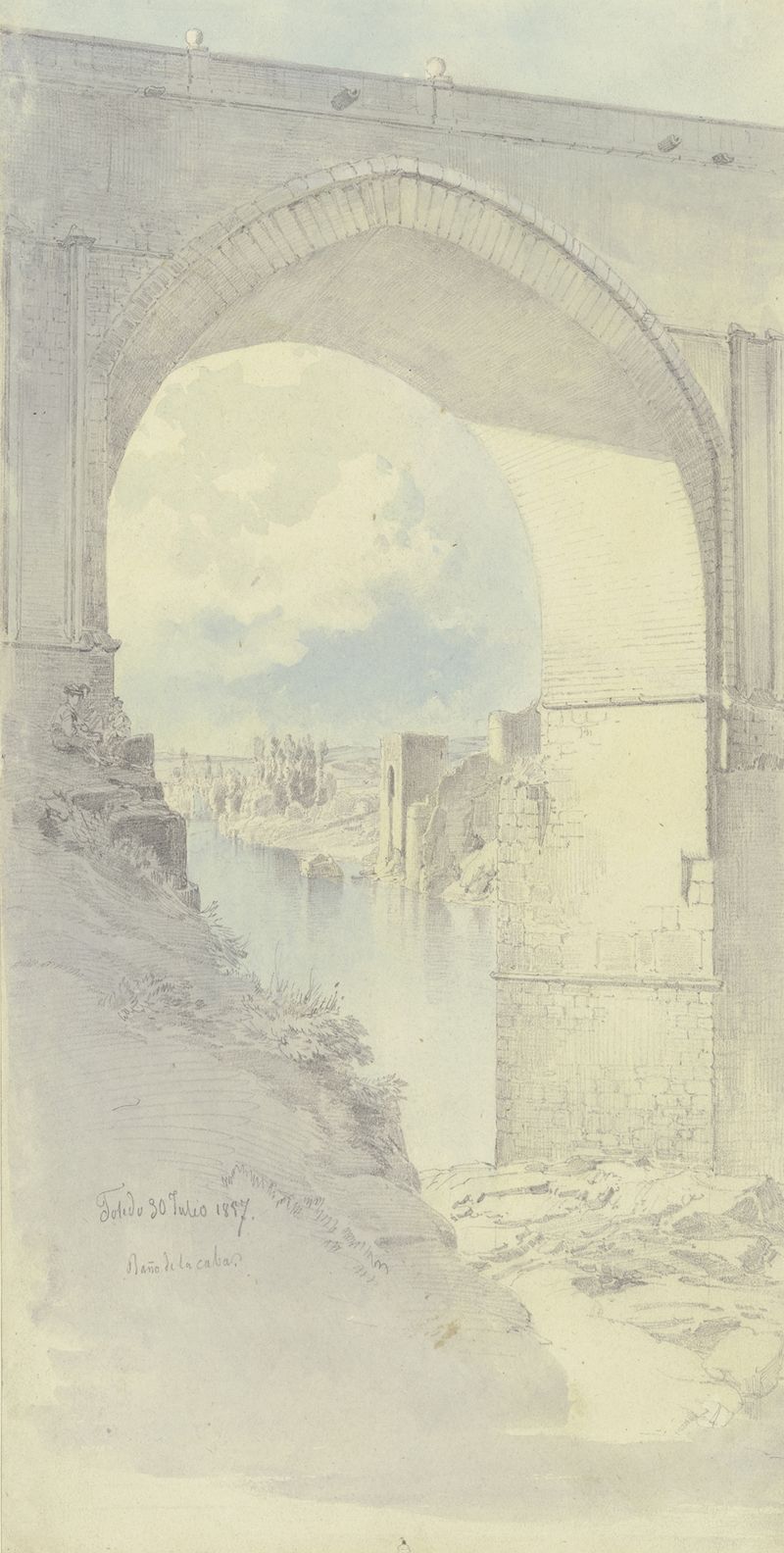
Durchblick durch den Bogen einer Brücke in Toledo
Fritz Bamberger
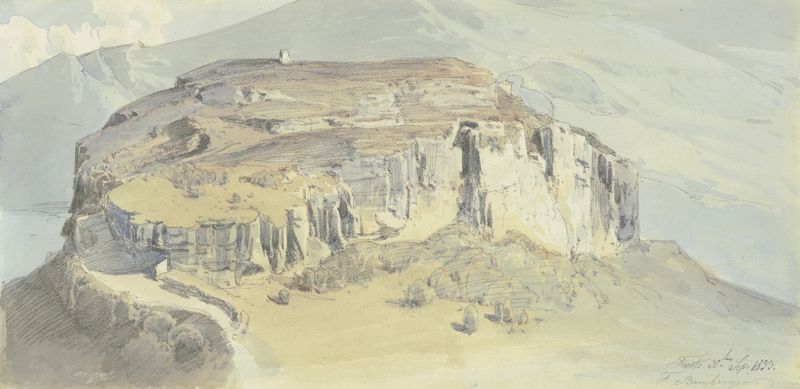
Trento
Fritz Bamberger





