
Tripoli d’Afrique — History & Facts
When did color learn to lie? In the hands of a master, hues can seduce the eye and veil the truth, revealing more than mere appearances. Look to the lush foreground, where vibrant greens intertwine with earthy browns, drawing you in as if you were stepping onto the warm, sun-kissed soil of North Africa. Notice how the cerulean sky meets the horizon, its brilliant blues contrasting sharply with the muted tones of the distant mountains. The artist’s deft brushwork creates a sense of motion in the clouds, as if the air itself is alive with anticipation, all the while anchoring the viewer with the steadfastness of the land below. Beneath the surface of this striking landscape lies a delicate balance between tranquility and tension.
The composition invites contemplation, as the idyllic scenery masks an underlying discourse on permanence versus transience. The shimmering water reflects both the heavens and the earth, symbolizing the ephemeral nature of beauty and life—a poignant reminder of the interplay between light and shadow. Each stroke reveals not just the landscape, but also the artist's contemplation of existence itself. Félix Ziem created this piece during a time of significant artistic experimentation in the 19th century, likely while immersed in the vibrant art community of Paris.
His travels throughout North Africa influenced his palette and approach to color, as he sought to capture the essence of a world that seemed both foreign and familiar. This was a period marked by a burgeoning fascination with exotic locales, and Ziem’s work reflects a pivotal moment in the evolution of landscape painting.
More Artworks by Félix Ziem
Browse all →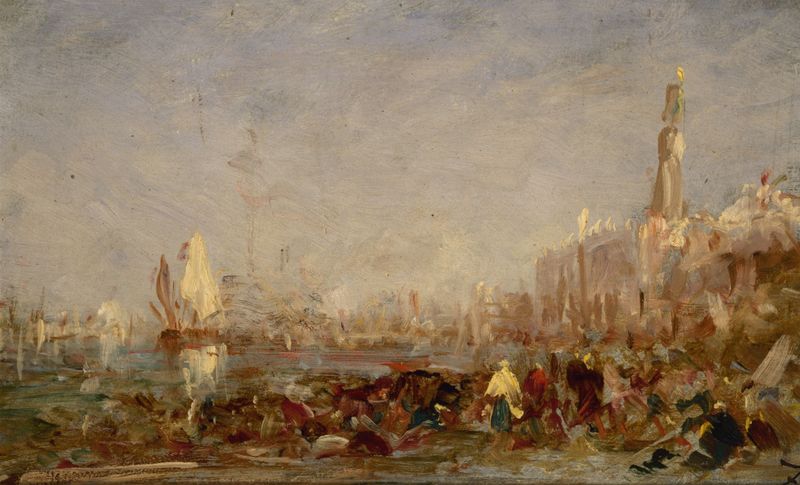
Venise
Félix Ziem
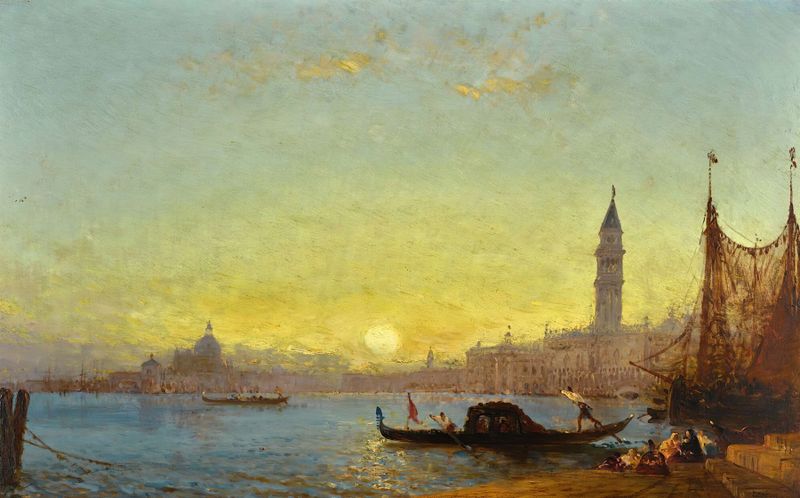
Coucher De Soleil À Venise
Félix Ziem
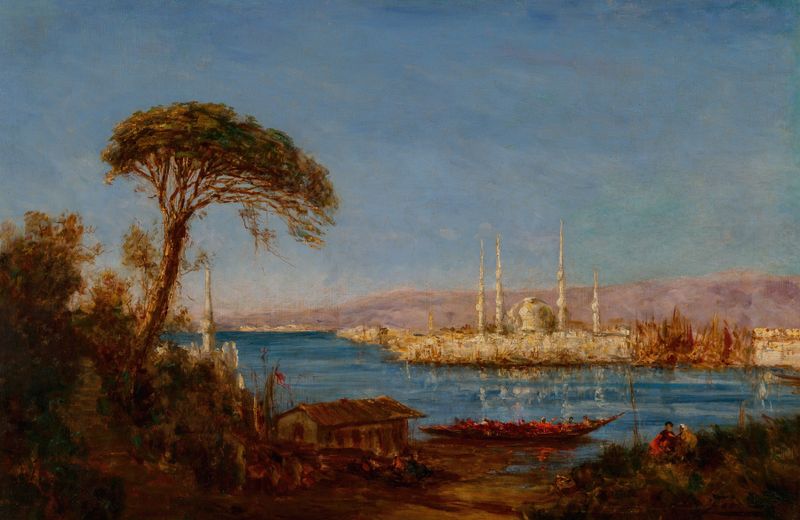
Constantinople
Félix Ziem
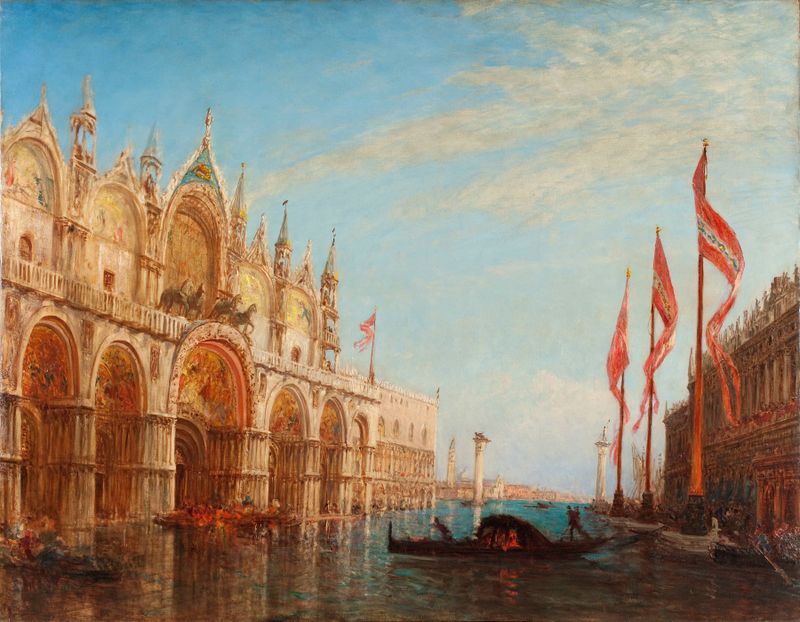
La place Saint-Marc, inondation de 1863
Félix Ziem
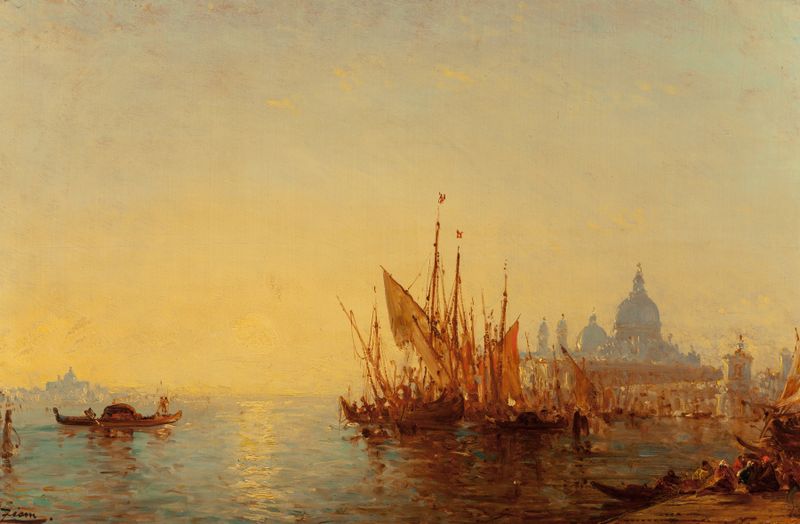
Bacino di San Marco
Félix Ziem
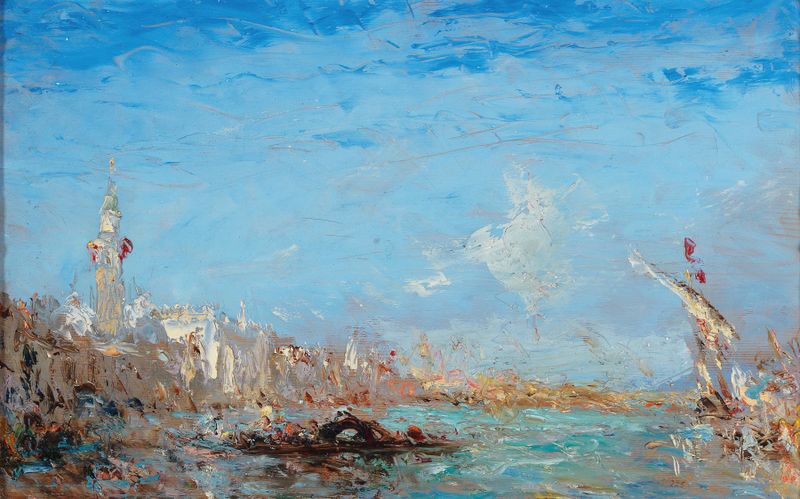
Canal Grande
Félix Ziem
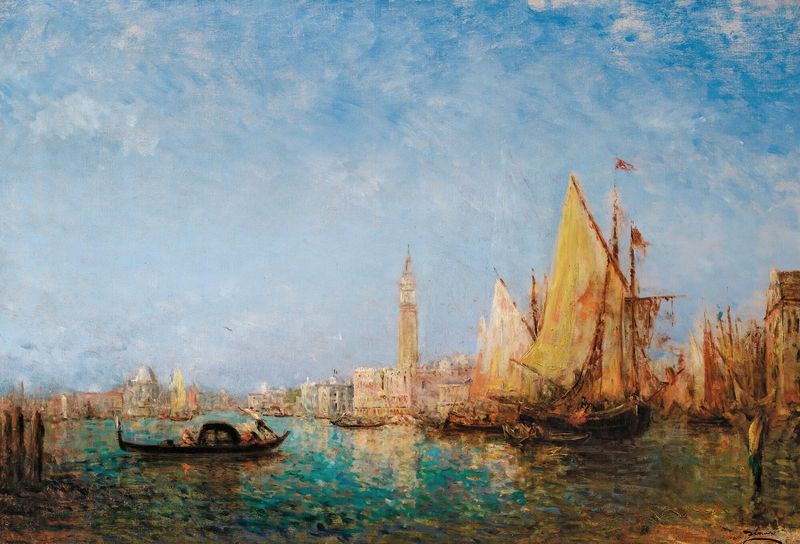
Le Palais Du Doge, Venise
Félix Ziem
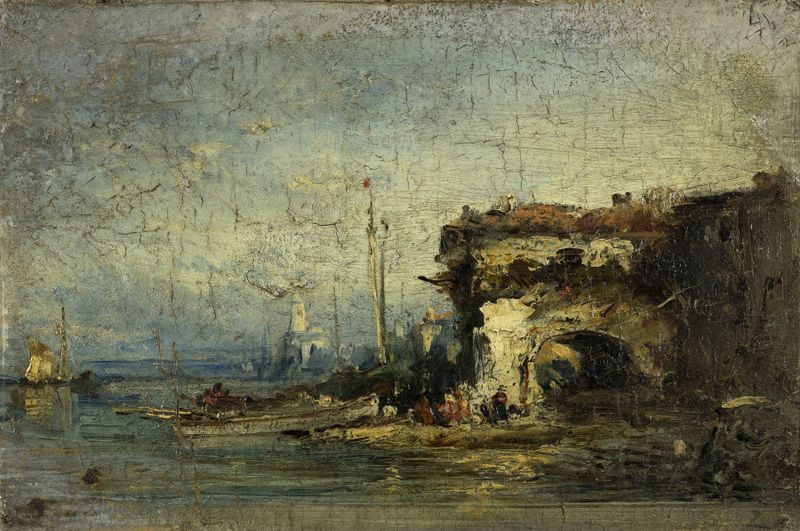
Vue d’Italie; la vieille porte
Félix Ziem
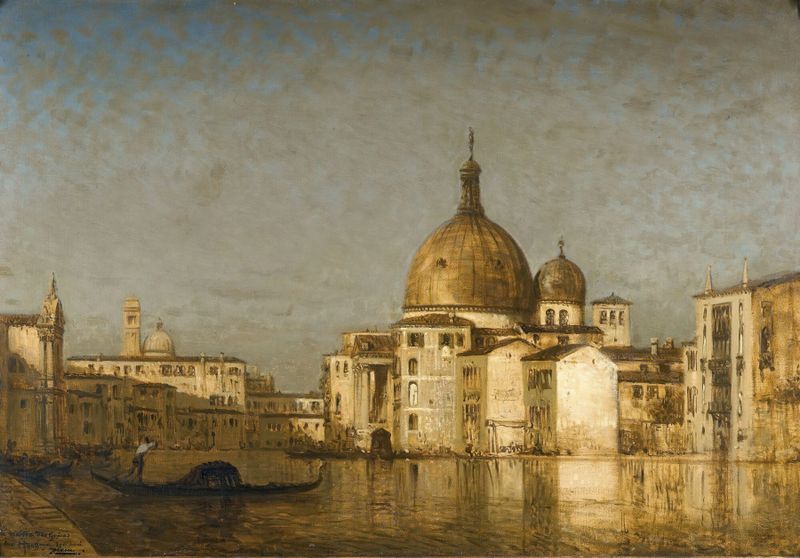
San Simeone Piccolo Au-Delà Du Grand Canal, Venis
Félix Ziem
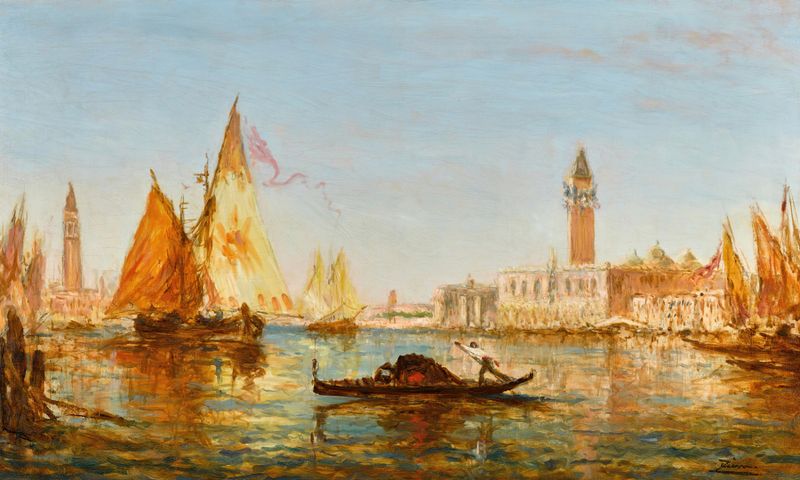
Venise, gondole et voiliers devant le Palais des doges et San Giorgio Maggiore
Félix Ziem





