
Tripoli in Syria. From the journey to Palestine — History & Facts
Could beauty survive in a century of chaos? The question lingers, echoing through time as we ponder the resilience of art amidst strife. Look to the left at the intricate details of the architecture, where the warm ochres of the buildings blend seamlessly with the vibrant blues of the sky. The artist masterfully uses light to cast shadows that dance across the cobblestone streets, inviting the viewer to wander deeper into this serene yet bustling scene. Each brushstroke conveys a sense of harmony, showcasing Ciągliński’s skill in capturing the essence of a place on the brink of change. If you examine the figures in the foreground, you’ll notice a subtle tension between the idyllic setting and the poignant expressions on their faces.
The juxtaposition of everyday life against a backdrop of looming political uncertainty suggests an underlying fragility. Here, the richness of culture and the beauty of the landscape are preserved even as the world around them begins to crumble, a poignant reminder of the duality of existence. In 1901, the artist created Tripoli in Syria during a time of personal exploration amidst a rapidly changing European art scene. Living in Paris, Ciągliński was influenced by the Impressionists while seeking to capture the vibrancy of his homeland and its landscapes.
This work reflects his longing for connection to a world filled with beauty, even as the shadows of upheaval gathered on the horizon.
More Artworks by Jan Ciągliński
Browse all →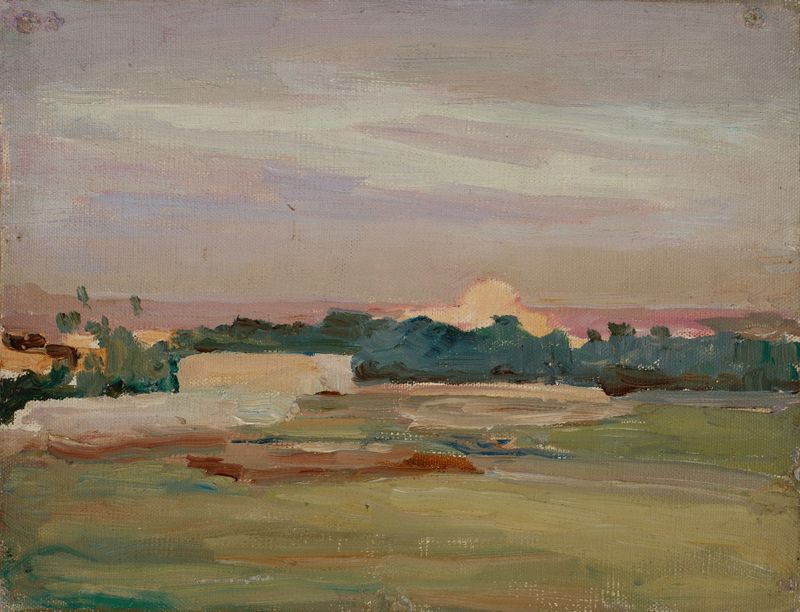
The Sirocco
Jan Ciągliński
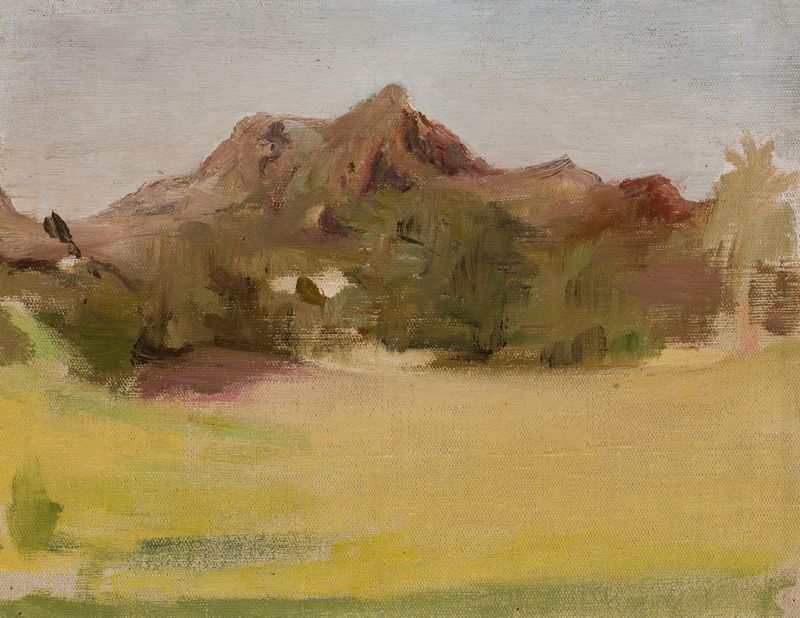
Mountain landscape. From the journey to India
Jan Ciągliński
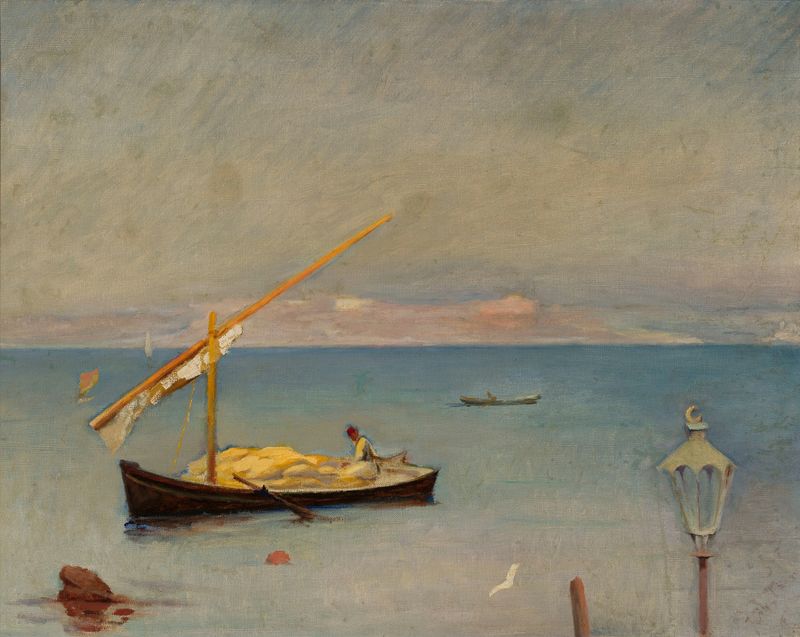
At Bosporus
Jan Ciągliński
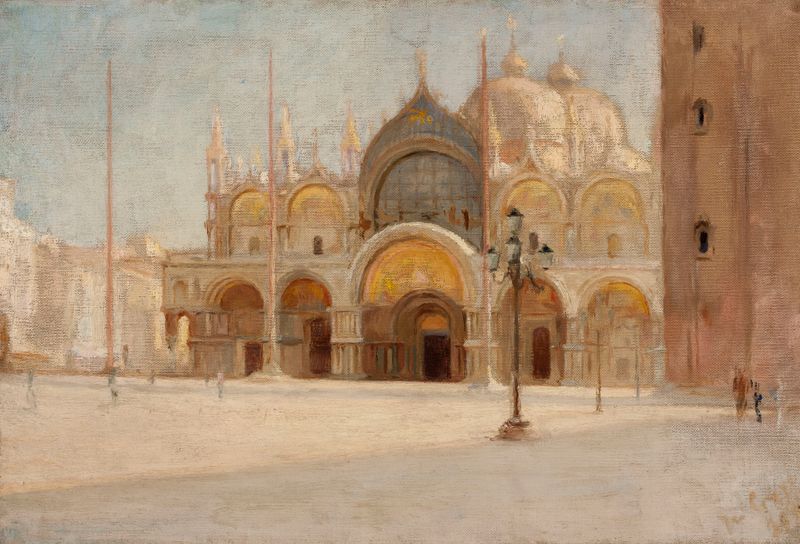
St Mark’s Square in Venice
Jan Ciągliński
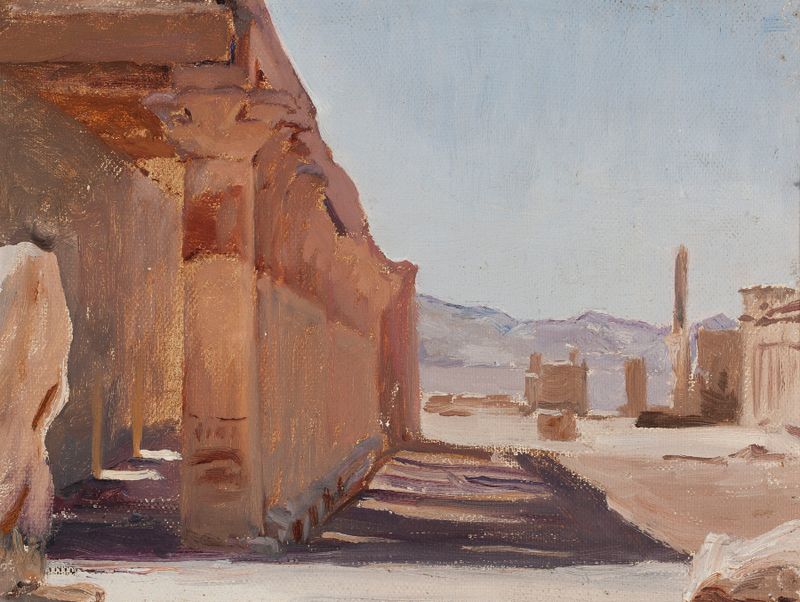
Temple. From the journey to Egypt
Jan Ciągliński
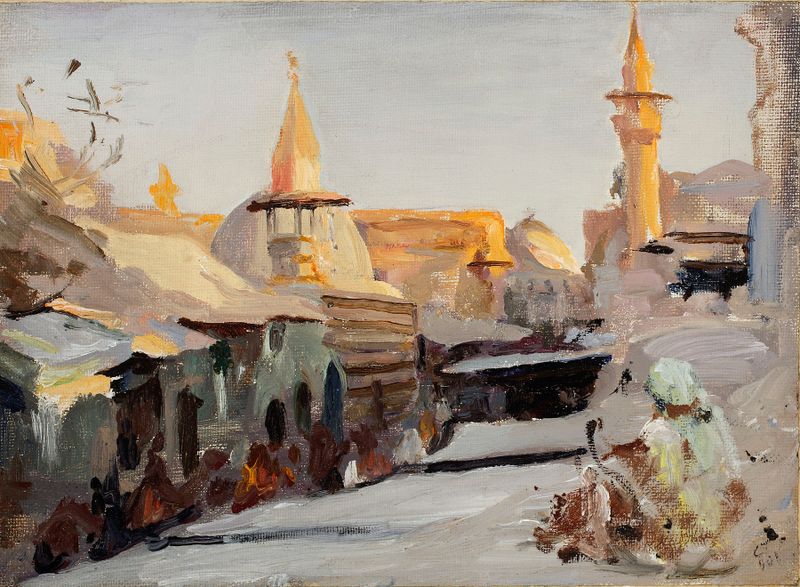
Street in Damascus. From the journey to Palestine
Jan Ciągliński
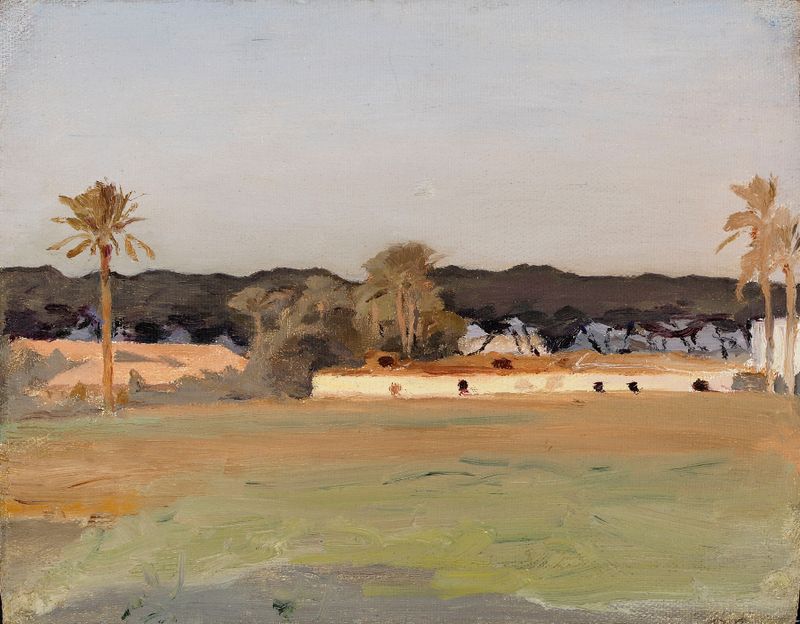
Evening. From the journey to Egypt
Jan Ciągliński
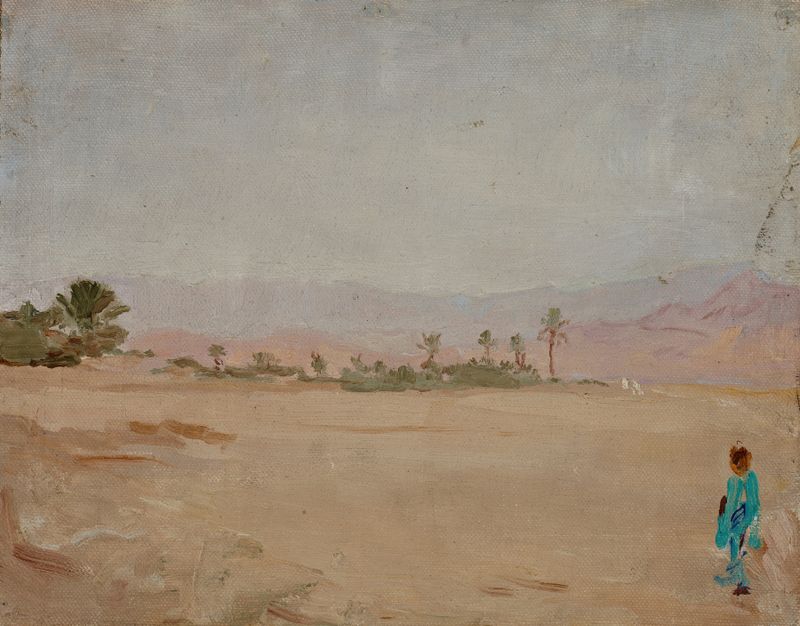
Sahara (Desert)
Jan Ciągliński
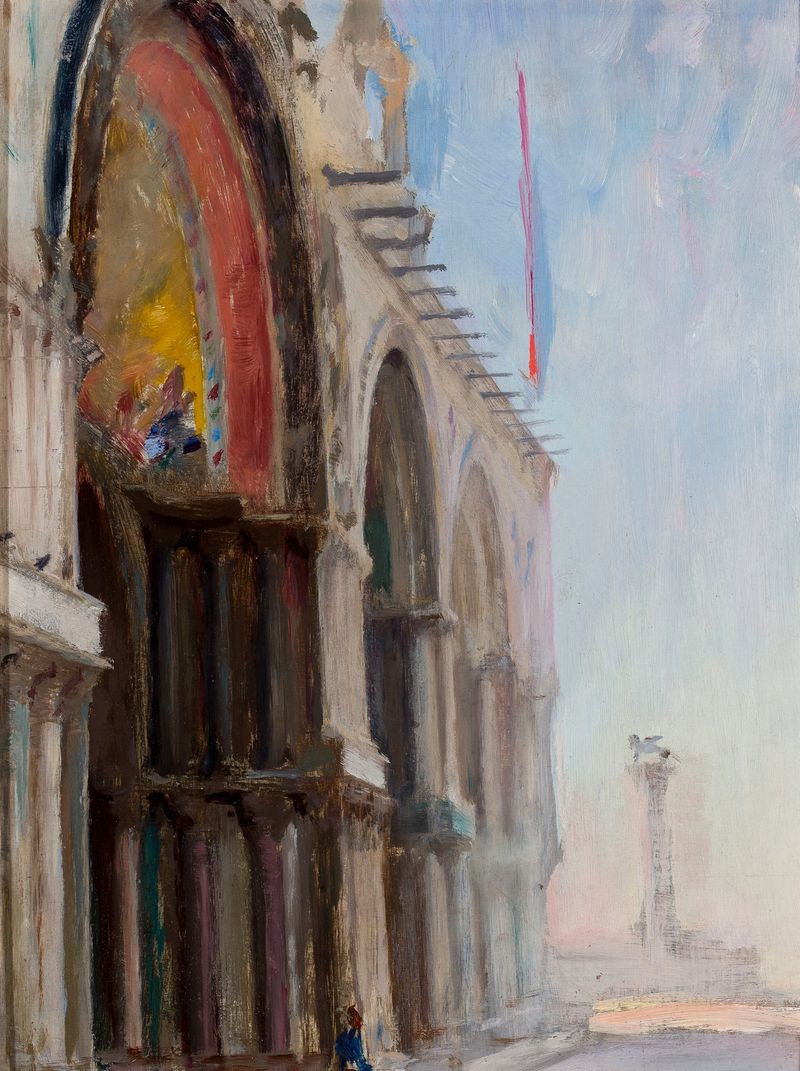
Venice – San Marco. From the journey to Italy
Jan Ciągliński
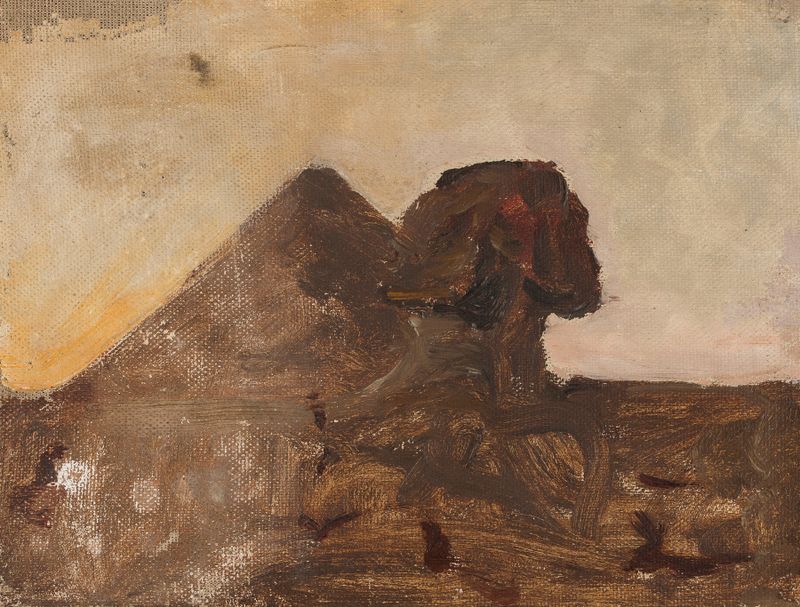
Evening in the desert – Sphinx and pyramid. From the journey to Egypt
Jan Ciągliński
More Architecture Art
Browse all →
The statue of Liberty
Frédéric Auguste Bartholdi

View of Houses in Delft, Known as ‘The Little Street’
Johannes Vermeer

View of Houses in Delft, Known as ‘The Little Street’
Johannes Vermeer

The Cathedral in Rouen. The portal, Grey Weather
Claude Monet

The yellow house
Vincent van Gogh

The Church in Auvers-sur-Oise, View from the Chevet
Vincent van Gogh