Triton en Nereïde — History & Facts
In its stillness, it beckons us to explore the whispers of its past, a testament to longing and nostalgia. Look to the left at the elegantly entwined figures of Triton and Nereïde, their forms poised with an intimate grace that draws you in. The artist’s delicate linework and rich yet muted palette create a dreamlike atmosphere, where the contours of their bodies blur with the swirling ocean behind them. The interplay of light on the water and the soft shadows cast upon their skin invites deeper contemplation, enhancing the ethereal quality of this mythological embrace. Beneath the surface of this idyllic scene lies a poignant contrast between love and transience.
The figures, caught in a moment of eternal bliss, evoke a sense of fleeting beauty that resonates with our deeper yearnings for connection and belonging. The gentleness of their touch is juxtaposed against the vast, restless sea, reminding us of life’s ceaseless ebb and flow, and how ephemeral moments of joy can be. This duality of existence, between what is felt and what must ultimately be lost, stirs an ache within us that lingers long after we leave the painting. Hans Sebald Beham created this artwork in 1523 during a time of artistic transformation in Europe.
Working in Nuremberg, he was influenced by the flourishing Renaissance, as well as the intricate detail and narrative quality of the Northern European tradition. The intersection of human emotion and mythological themes in Beham's work reflects the cultural shift towards exploring personal identity within the broader context of classical stories.
More Artworks by Hans Sebald Beham
Browse all →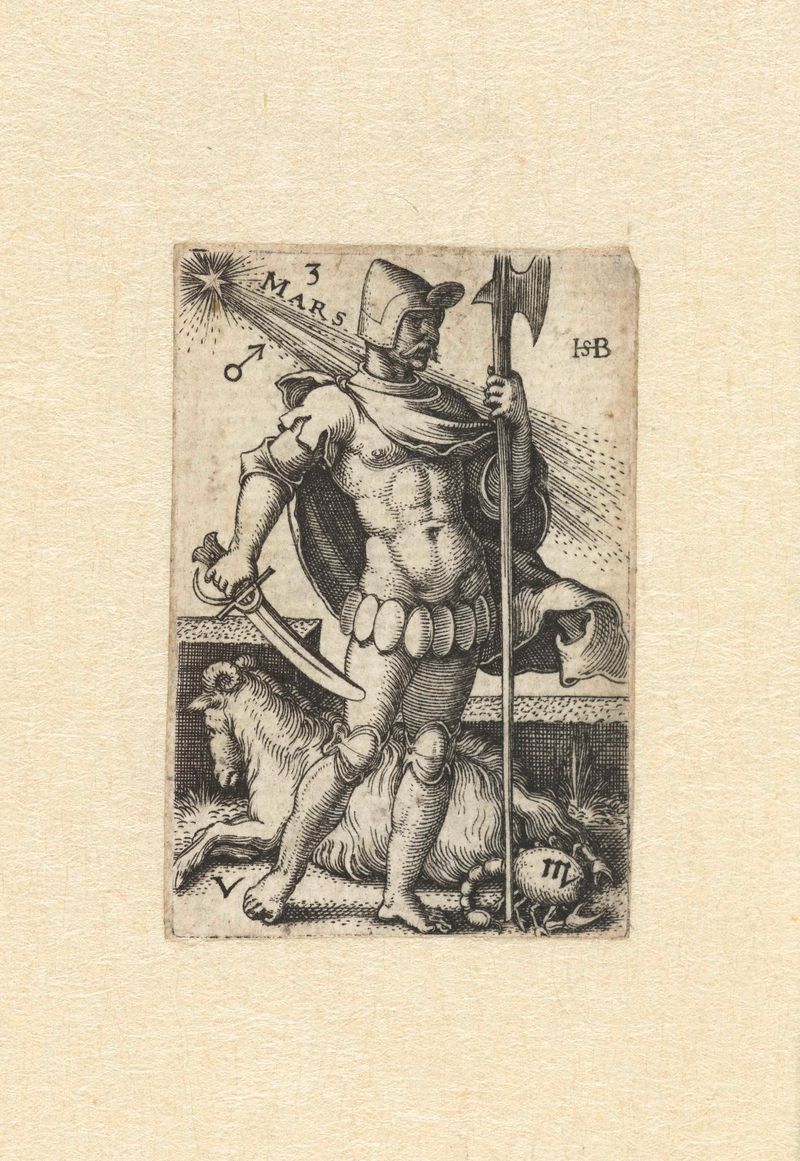
Mars met sterrenbeelden Ram en Schorpioen
Hans Sebald Beham

Achilles in gevecht met Hector
Hans Sebald Beham
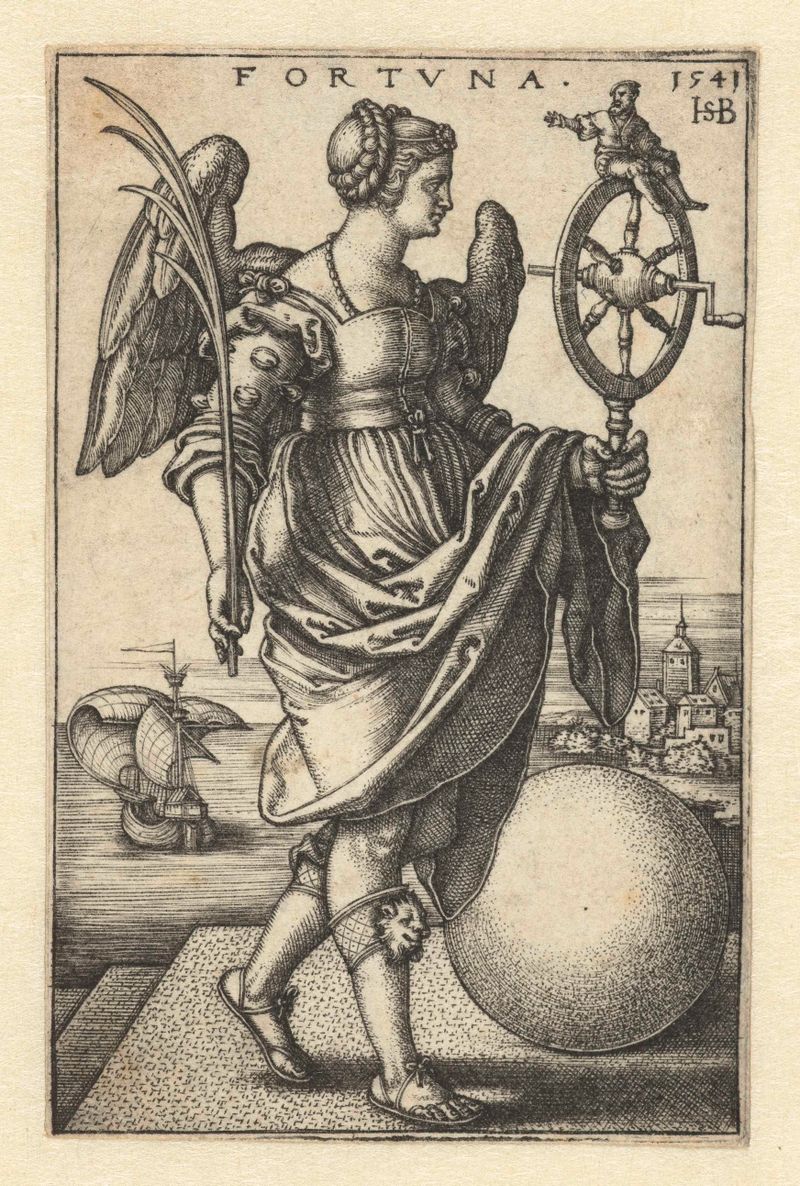
Fortuna
Hans Sebald Beham

Hercules worstelt met Antaeus
Hans Sebald Beham

Twee muzikanten met schalmey en doedelzak
Hans Sebald Beham

Voorzichtigheid (Prudentia)
Hans Sebald Beham

Hercules in gevecht met de Trojanen
Hans Sebald Beham
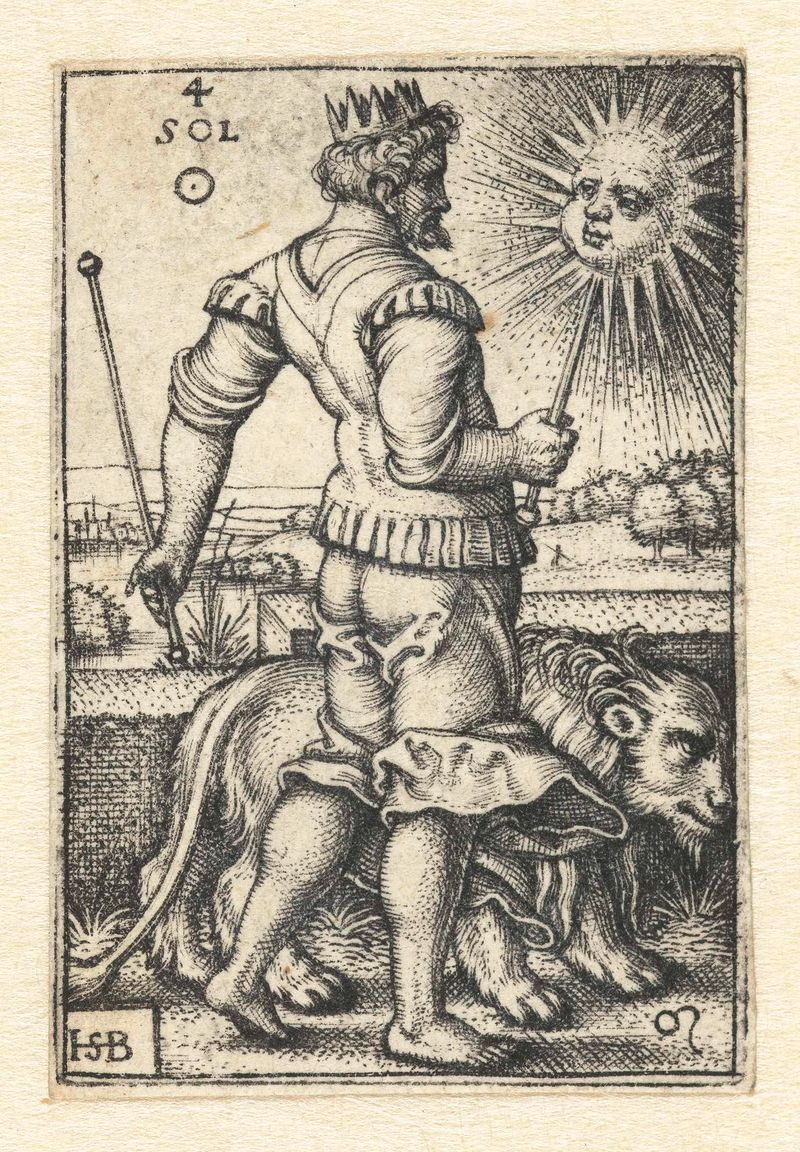
Apollo (Sol) met sterrenbeeld Leeuw
Hans Sebald Beham
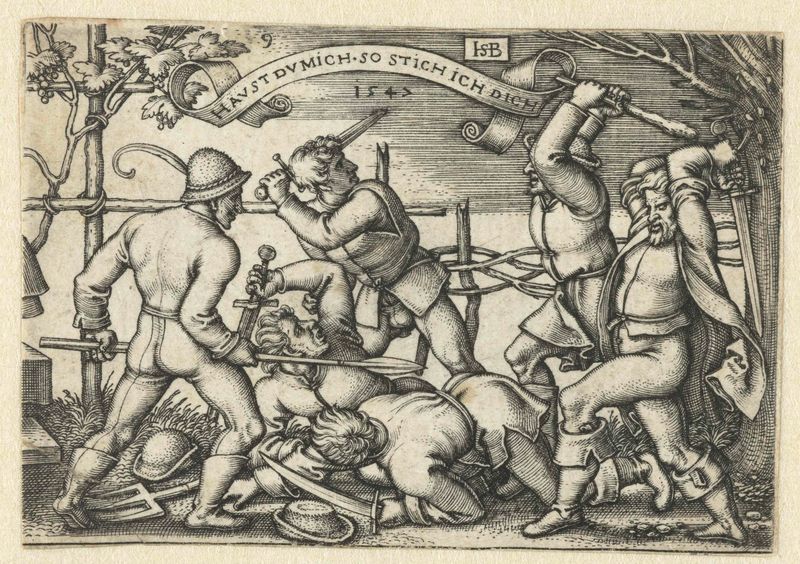
Vechtende boeren met zwaarden
Hans Sebald Beham
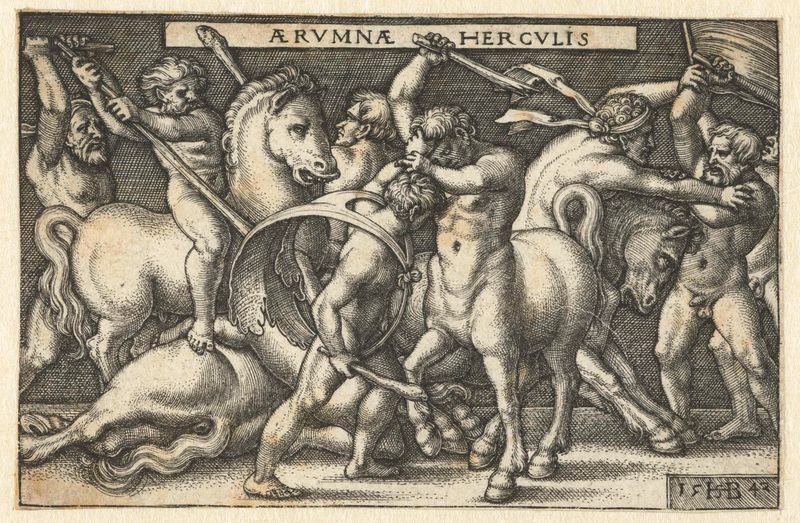
Hercules in gevecht met centaurs
Hans Sebald Beham