Triton en Nereïde — History & Facts
Who listens when art speaks of silence? In Hans Sebald Beham's Triton en Nereïde, a dream unfolds—a tableau of unspoken stories and ethereal encounters captured in the delicate interplay of light and shadow. Focus your gaze on the engaging figures at the center: Triton, his muscular form both commanding and fluid, emerges from the cool, shimmering waters. Notice how the gentle curves of the waves cradle the nymph, her serene expression reflecting an otherworldly calm. The color palette, with its soft blues and greens, enhances the idyllic dream-like quality, while the intricate details of the foliage and the rhythmic movement of the water invite you to get lost in a world beyond reality. Within this tranquil moment lies a profound tension.
The juxtaposition of Triton's powerful presence against the gentle grace of the nymph speaks to themes of duality—the balance between strength and vulnerability. Furthermore, the way their gazes intersect suggests an unvoiced connection, a moment suspended in time, echoing the silent conversations that linger just beneath the surface. Each element, from the fluidity of the water to the intricacy of the flora, is laden with meaning, inviting interpretations that delve into the depths of desire and longing. In 1523, Beham created this piece amidst the flourishing of the Northern Renaissance, where he was navigating the complexities of printmaking and painting.
His time in Nuremberg, surrounded by humanist ideals and the increasing prominence of mythological subjects, influenced his work significantly. This period was marked by a rich exchange of ideas and artistic techniques, allowing him to explore the realms of beauty and emotion, as vividly expressed within this enchanting scene.
More Artworks by Hans Sebald Beham
Browse all →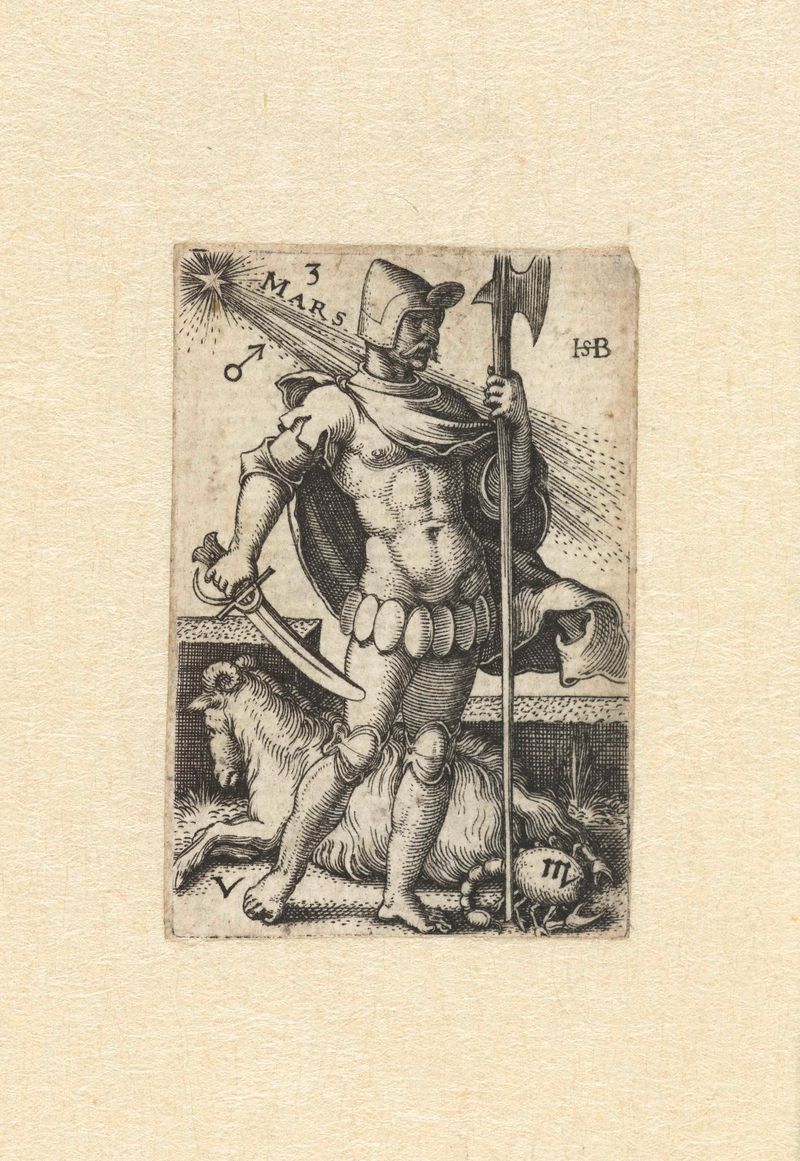
Mars met sterrenbeelden Ram en Schorpioen
Hans Sebald Beham

Achilles in gevecht met Hector
Hans Sebald Beham
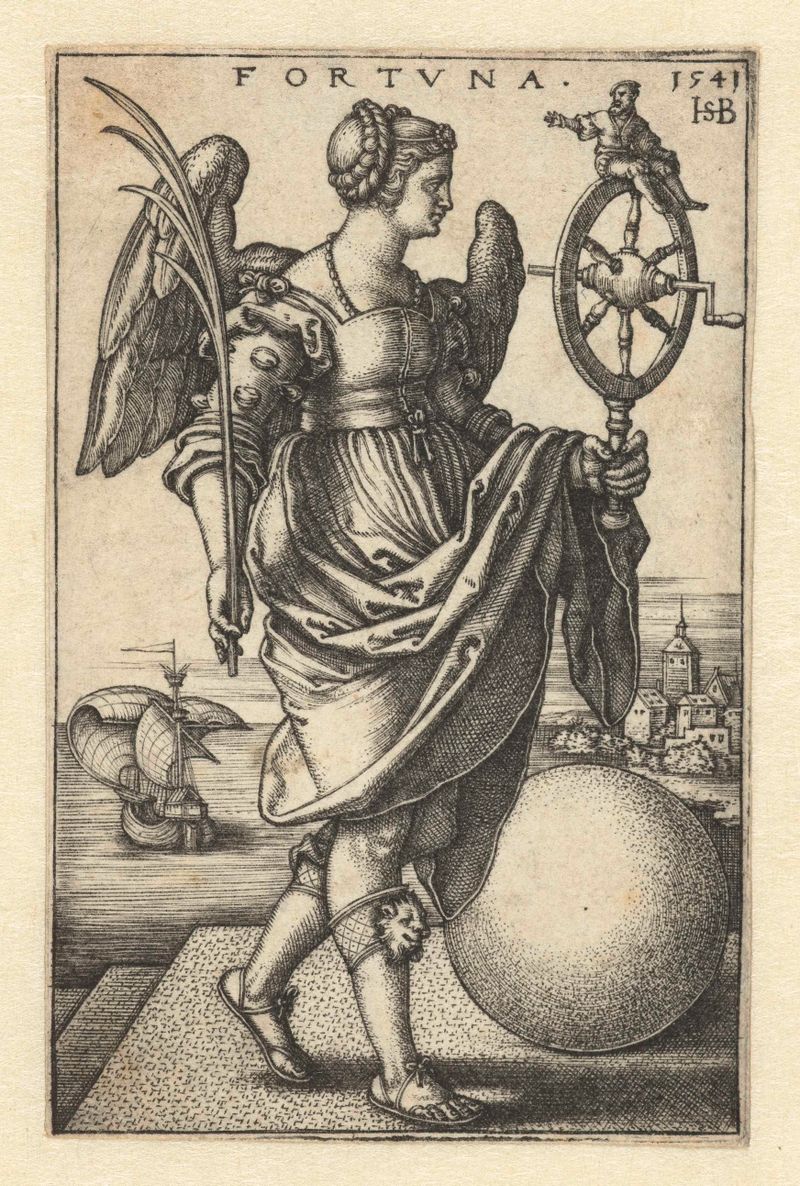
Fortuna
Hans Sebald Beham

Hercules worstelt met Antaeus
Hans Sebald Beham

Twee muzikanten met schalmey en doedelzak
Hans Sebald Beham

Voorzichtigheid (Prudentia)
Hans Sebald Beham

Hercules in gevecht met de Trojanen
Hans Sebald Beham
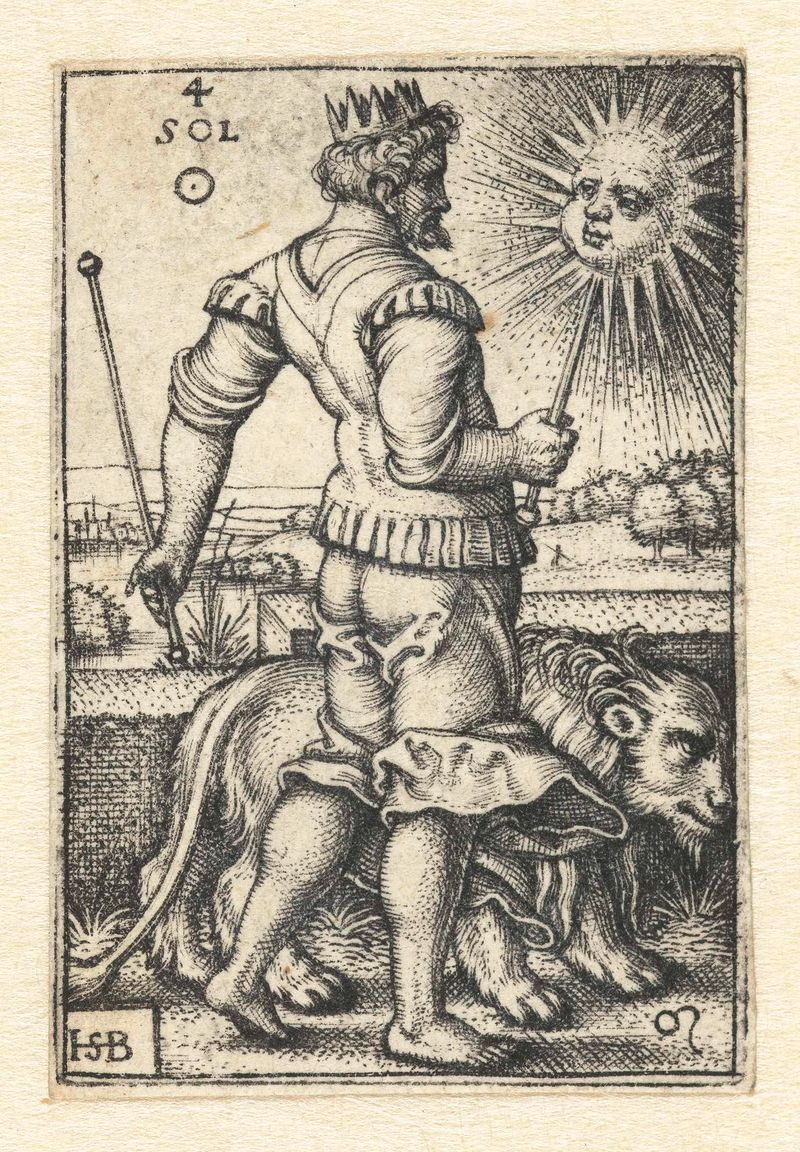
Apollo (Sol) met sterrenbeeld Leeuw
Hans Sebald Beham
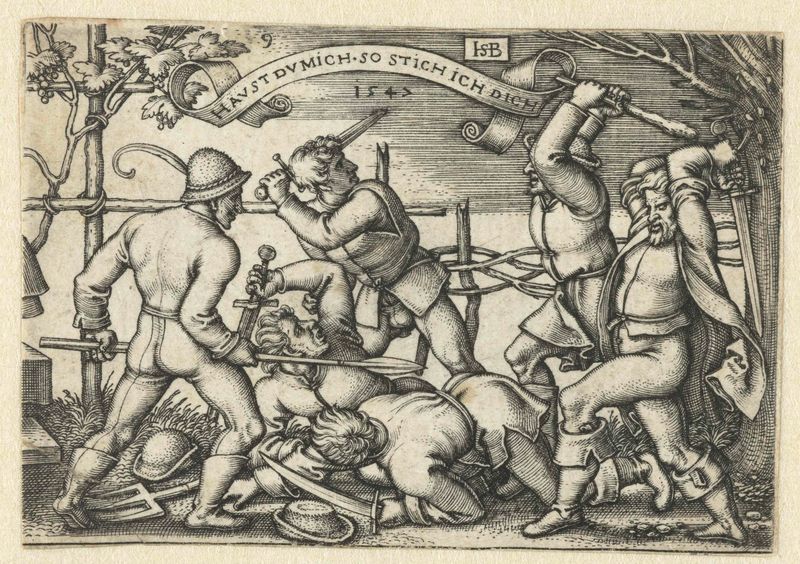
Vechtende boeren met zwaarden
Hans Sebald Beham
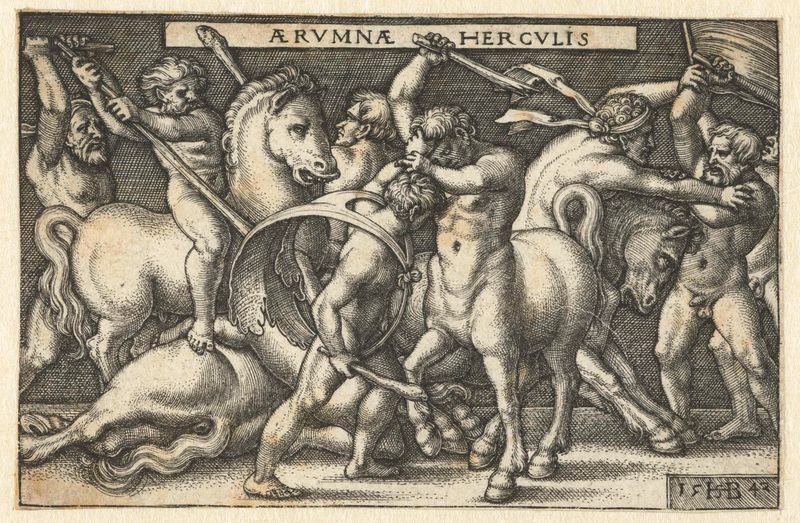
Hercules in gevecht met centaurs
Hans Sebald Beham