
Triumphal Arch of Bara — History & Facts
This notion reverberates through the intricate forms and textures of the Triumphal Arch of Bara. Each line and curve invites the viewer to contemplate the hidden revelations beneath the surface, where order emerges from disorder, revealing a deeper narrative waiting to unfold. Focus on the ornate details that define this archway, where a dance of light and shadow plays across the sculpted friezes. Notice how the artist employs a delicate color palette, evoking both historical reverence and a sense of timelessness.
The arch rises majestically, guiding your gaze upward, while each figure carved into its stone seems to tell a story of triumph and human endeavor, their expressions caught in a moment of celebration. Yet, there lies a tension within its beauty—a juxtaposition of aspiration and the weight of history. Each elaborately carved figure reflects not only the glory of victory but also the burdens borne by those who strive for greatness. As you study the arch, you might sense an underlying melancholy, a reminder that such triumphs are often interwoven with sacrifice and struggle.
The arch stands as both a monument to achievement and a call to reflect on the complexity of human ambition. Charles Hamilton Smith created this remarkable work during a period of artistic exploration when neoclassical ideas were fueling a revival of interest in ancient cultures. While the exact date of creation remains uncertain, it is clear that his attention to detail and narrative depth reflects a moment in the early 19th century when art sought to bridge historical reverence with contemporary expression.
More Artworks by Charles Hamilton Smith
Browse all →
Situation of H.M.S. Hecla & Griper
Charles Hamilton Smith
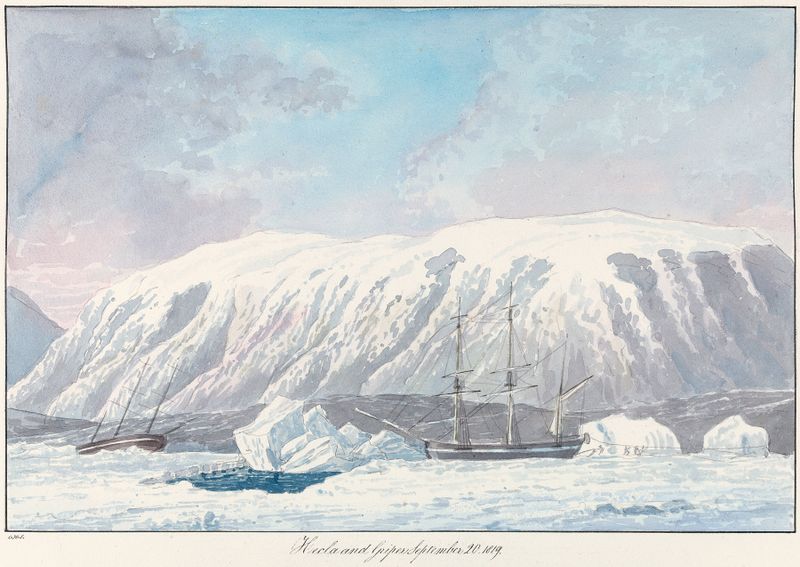
Hecla and Griper
Charles Hamilton Smith

Friendly Cove, Nootka Sound
Charles Hamilton Smith

Iceberg in Baffin’s Bay
Charles Hamilton Smith
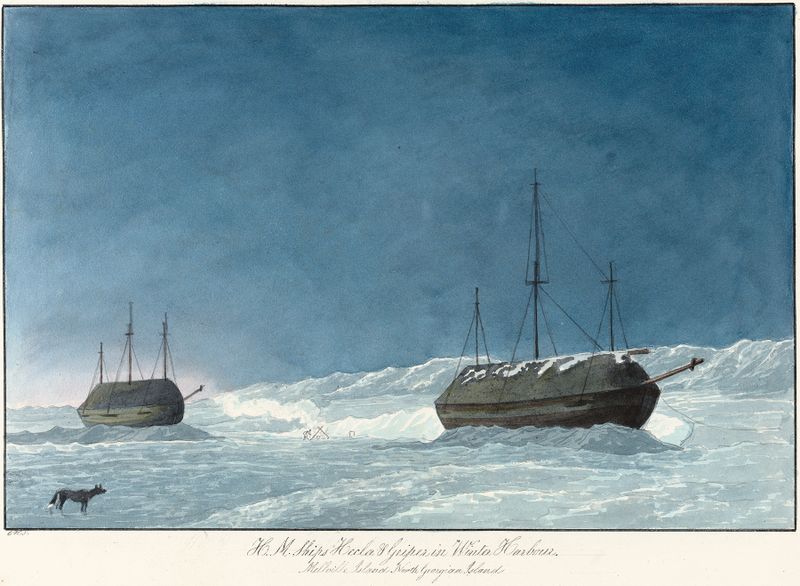
H. M. Ships Hecla and Griper in Winter Harbour
Charles Hamilton Smith

The Erebus & Terror in a Gale in the Pack of the Ice
Charles Hamilton Smith
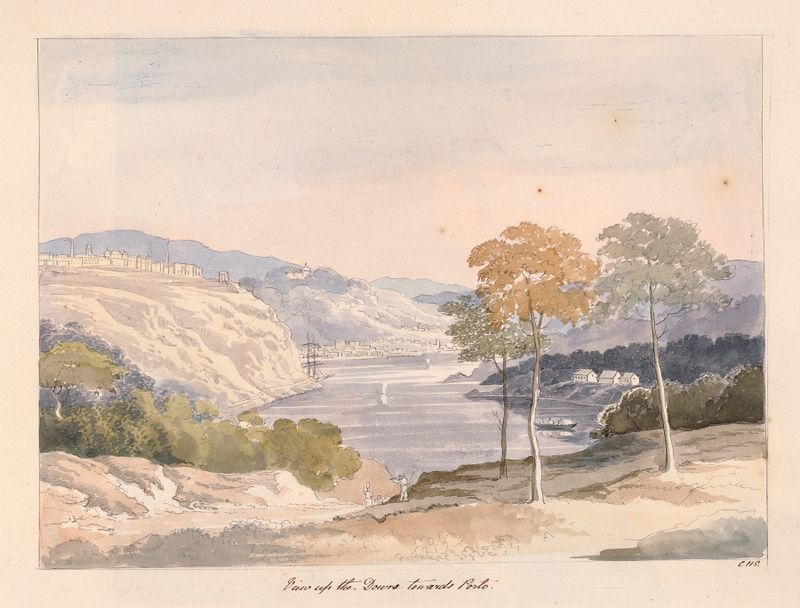
View of the Douro towards Porto
Charles Hamilton Smith
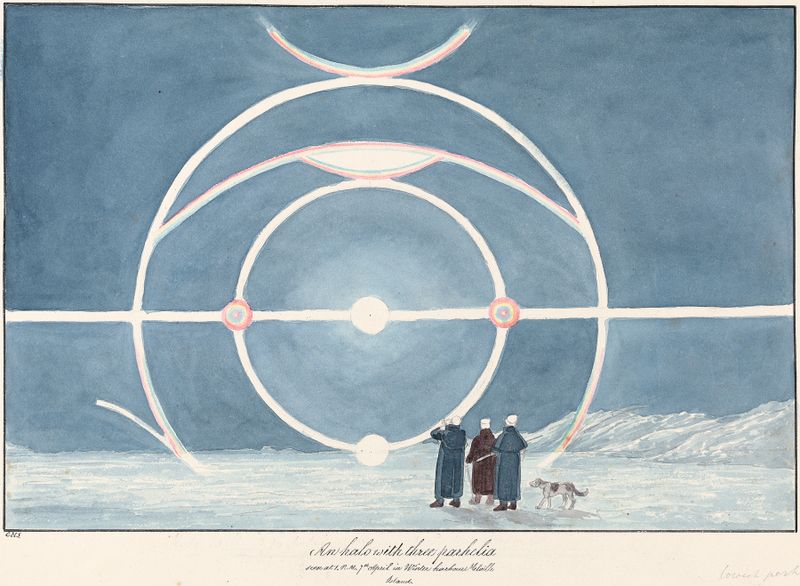
Halo with Three Parhelia, Winter Harbour Melville Island
Charles Hamilton Smith
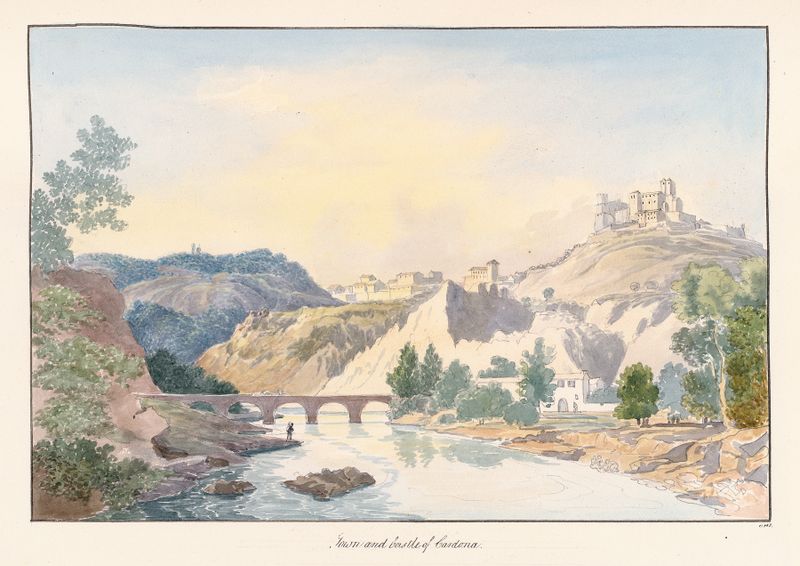
Town and Castle of Cardona
Charles Hamilton Smith
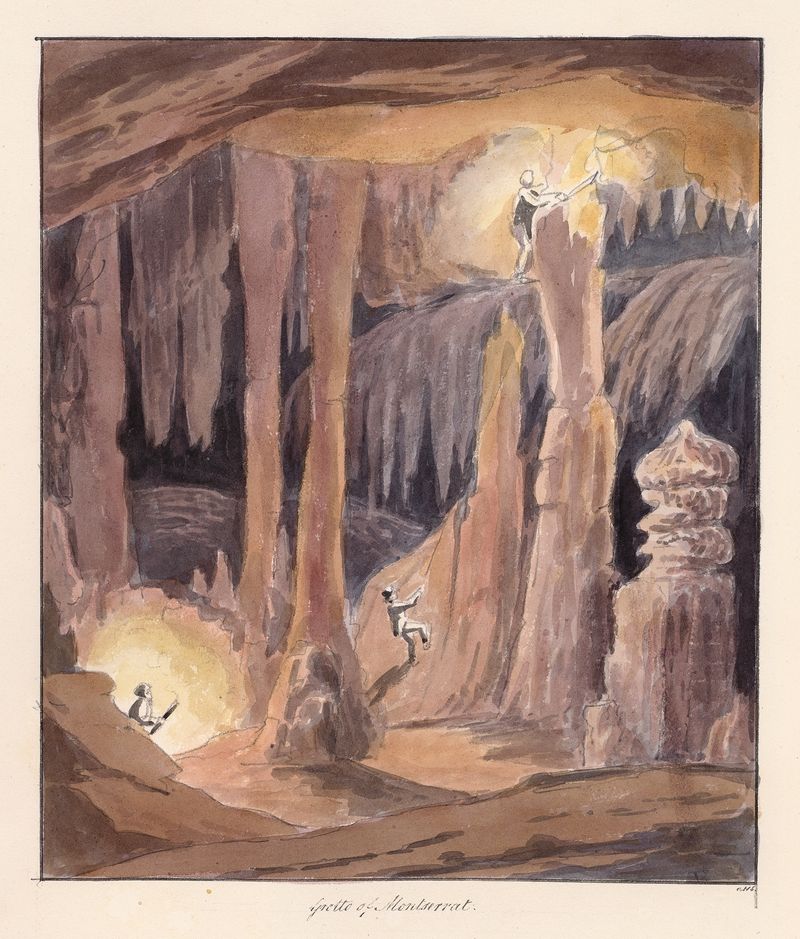
Grotto of Montserrat
Charles Hamilton Smith
More Architecture Art
Browse all →
The statue of Liberty
Frédéric Auguste Bartholdi

View of Houses in Delft, Known as ‘The Little Street’
Johannes Vermeer

View of Houses in Delft, Known as ‘The Little Street’
Johannes Vermeer

The Cathedral in Rouen. The portal, Grey Weather
Claude Monet

The yellow house
Vincent van Gogh

The Church in Auvers-sur-Oise, View from the Chevet
Vincent van Gogh