Trompe l´oeil — History & Facts
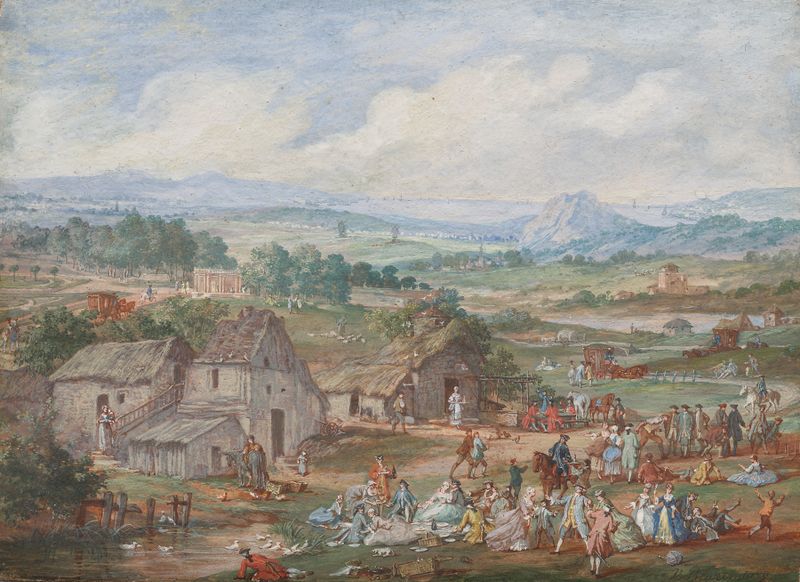
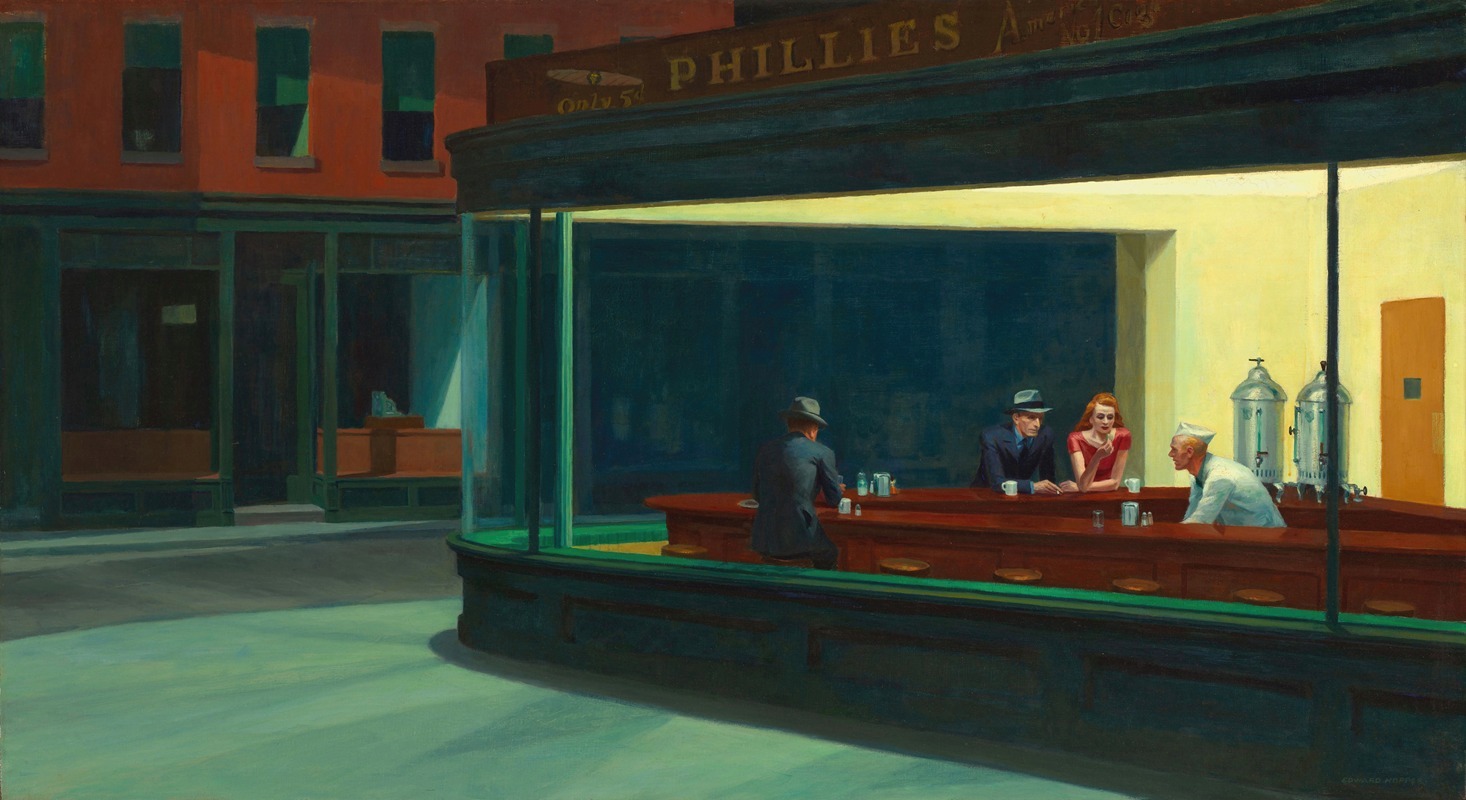
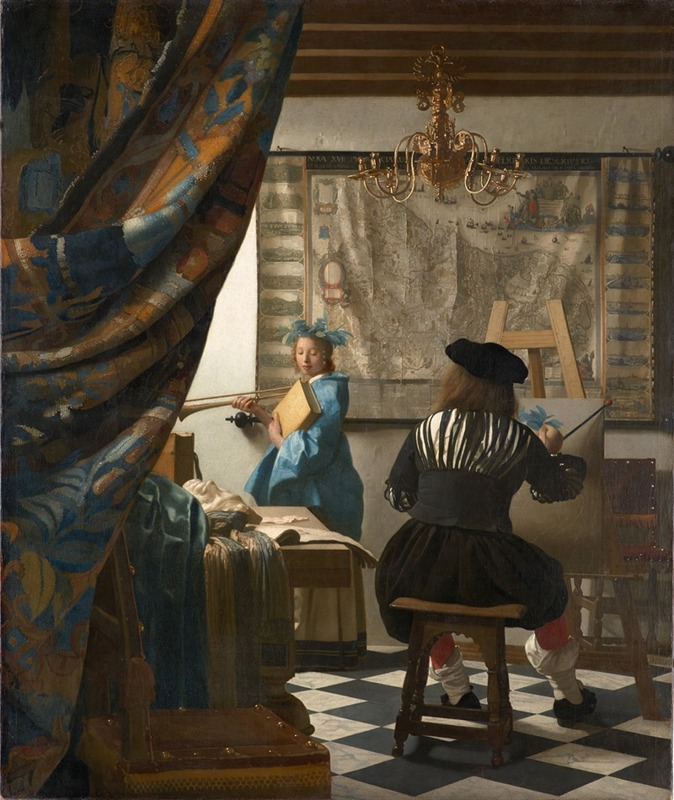
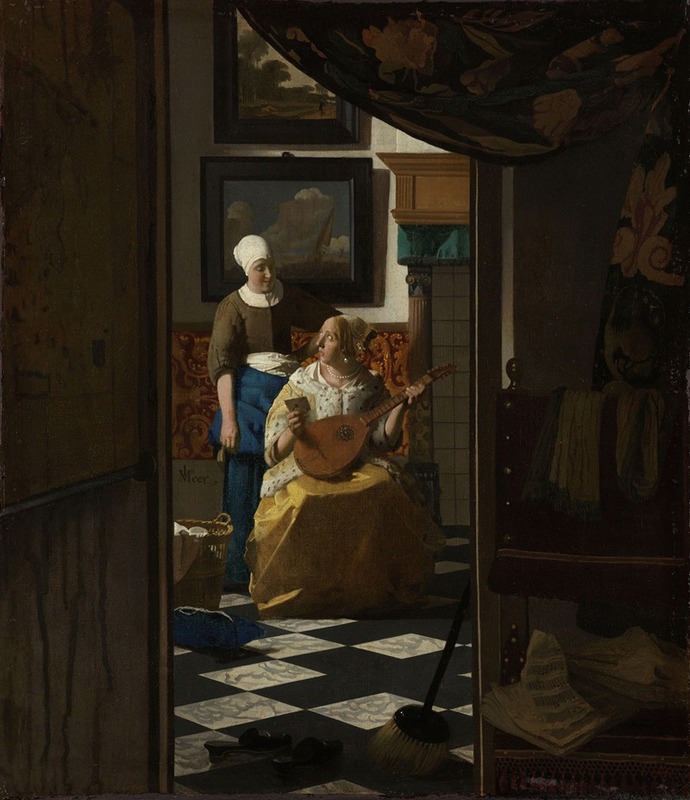
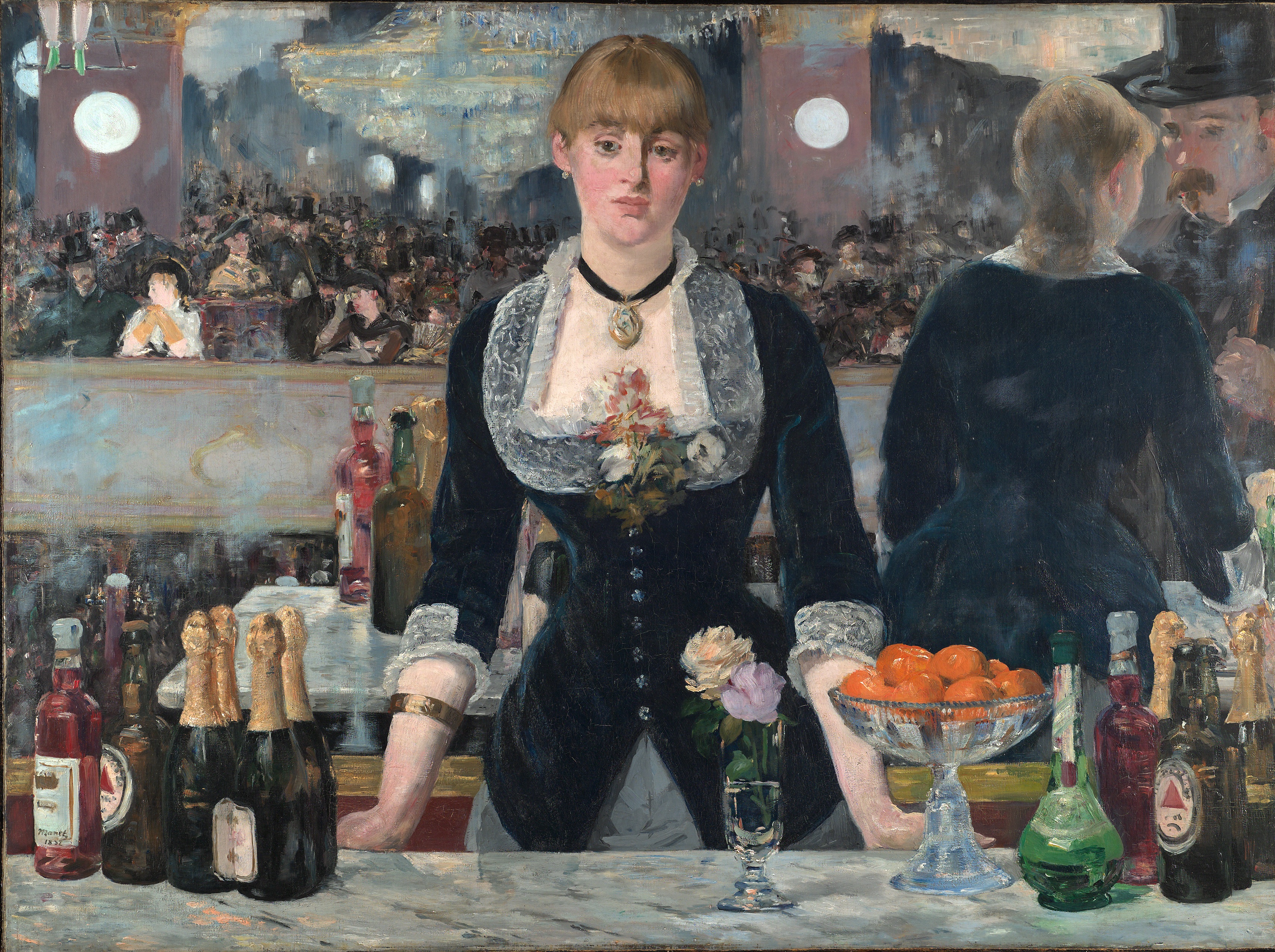
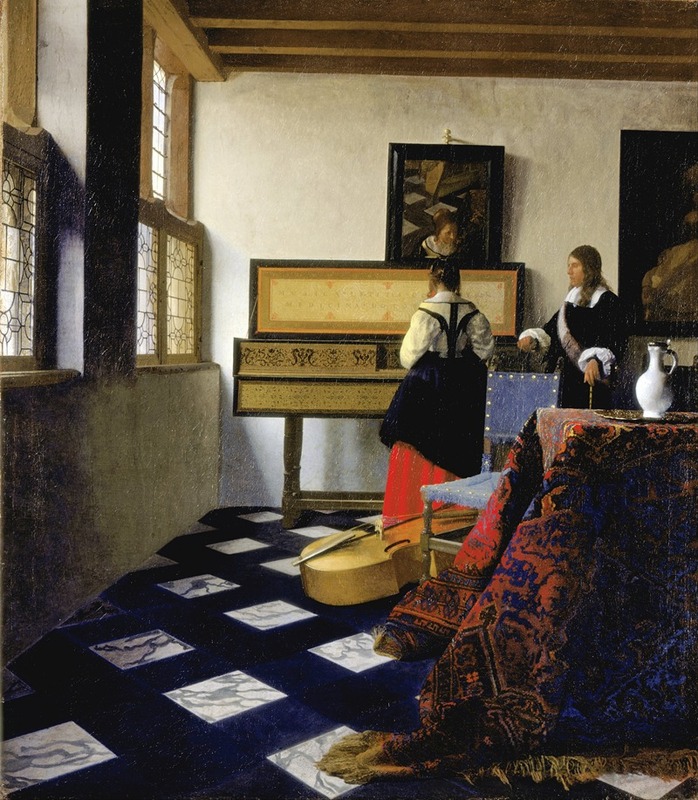
In the stillness of art, there lies an unspoken fear of what the truth may reveal. Each brushstroke whispers a tale, both inviting and daunting, leaving us to ponder the boundaries between reality and illusion. Look closely to the left, where a delicate interplay of light and shadow draws your eye to an intricately painted window frame. The meticulous detail captures every nuance, inviting you to question whether you’re gazing upon a real opening or a masterful deception.
Notice how the warm hues envelop the scene, suggesting a soft glow that breathes life into the painted world, while the cool shadows evoke an undercurrent of trepidation. Yet, within this façade lies a profound commentary on perception. The juxtaposition of the realistic elements against the potential for deception evokes a sense of unease, a reminder that what appears tangible may be a mere illusion. Each detail, from the texture of the wood to the carefully rendered shadows, reveals the artist’s command over the viewer’s experience, forcing us to confront our own interpretations and fears of uncertainty. During the time this piece was created, the artist was deeply influenced by the rise of trompe l’oeil techniques in 18th-century Europe.
Working meticulously to blur the lines of reality, his artistry was reflective of broader movements within the art world, where illusionism began to captivate audiences. This period saw a fascination with perspective and representation, and the artist sought to explore the depths of these themes while navigating the complexities of his own artistic identity.