Tropatchoh, Costume Design for Il pane altrui — History & Facts
A figure stands with one hand cocked at the hip, the other holding a hat, his posture radiating a certain theatrical confidence. The quick, energetic brushwork of Tropatchoh, Costume Design for Il pane altrui by Plinio Codognato invites the viewer to imagine the world beyond the page: a stage, perhaps, or the bustling preparations of a theater wardrobe. The costume itself—an olive coat, crimson waistcoat, and tall black boots—signals a character of some status, yet the loose, almost playful lines keep the mood light.
The artist’s choice to leave the background bare throws all attention onto the figure, making every detail of dress and gesture a clue to the wearer’s role. This design belongs to a tradition that flourished in the early twentieth century, when theater productions demanded ever more inventive and characterful costumes. In 1907, when this piece is dated, European theater was alive with experimentation, and artists like Codognato were essential collaborators, shaping not only how characters looked but how they moved and were perceived. The sheet itself, now part of the Boston Public Library’s collection, is a rare survivor of a working process—costume sketches were often discarded or lost.
Here, history has kept few traces of the production or its reception, but the lively immediacy of the drawing lets us glimpse a moment when art, fabric, and performance were about to merge. Look again at the confident tilt of the figure’s head; it suggests a whole story waiting in the wings.
More Artworks by Plinio Codognato
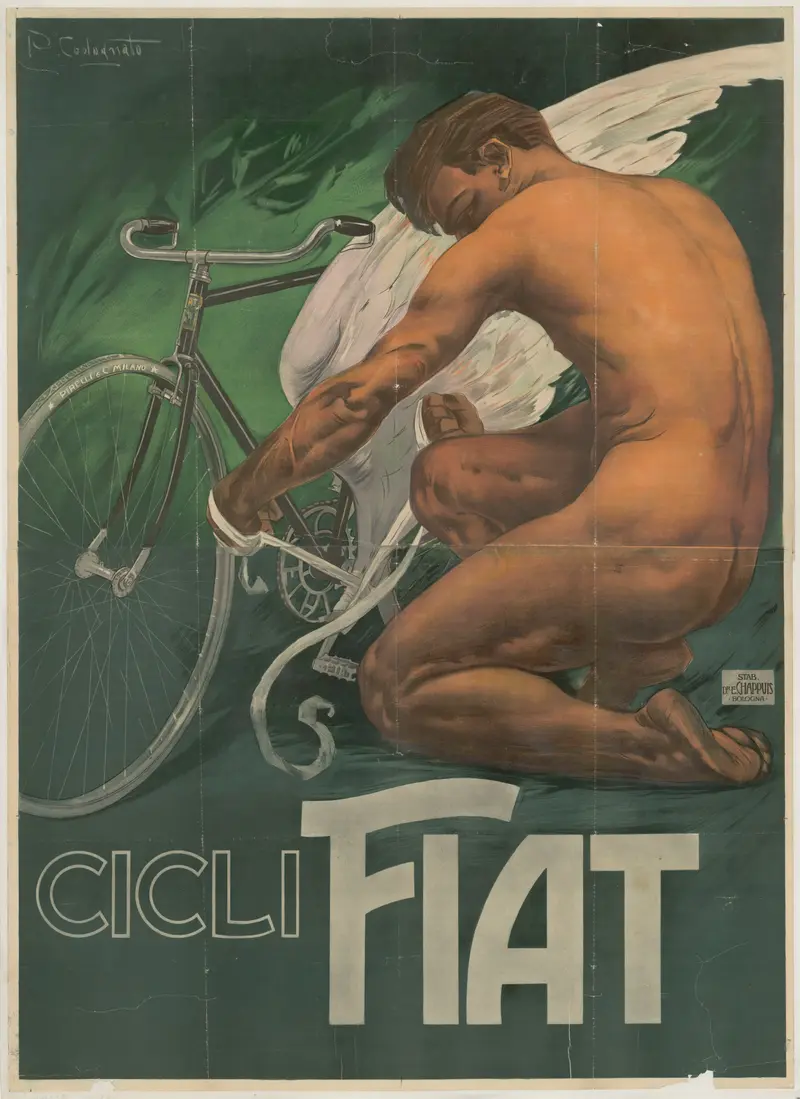
Cicli Fiat
Plinio Codognato
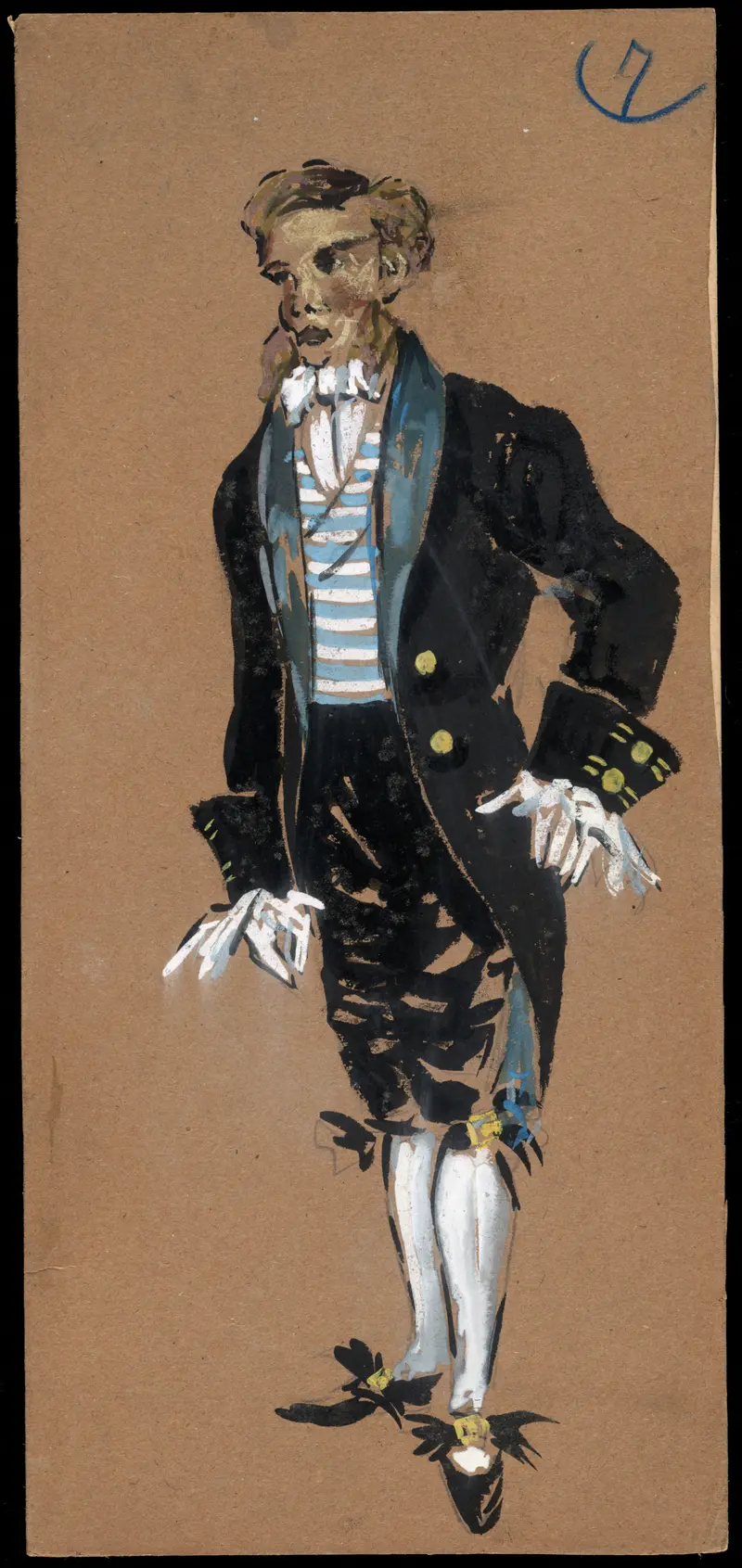
Trembinzki, Costume Design for Il pane altrui
Plinio Codognato
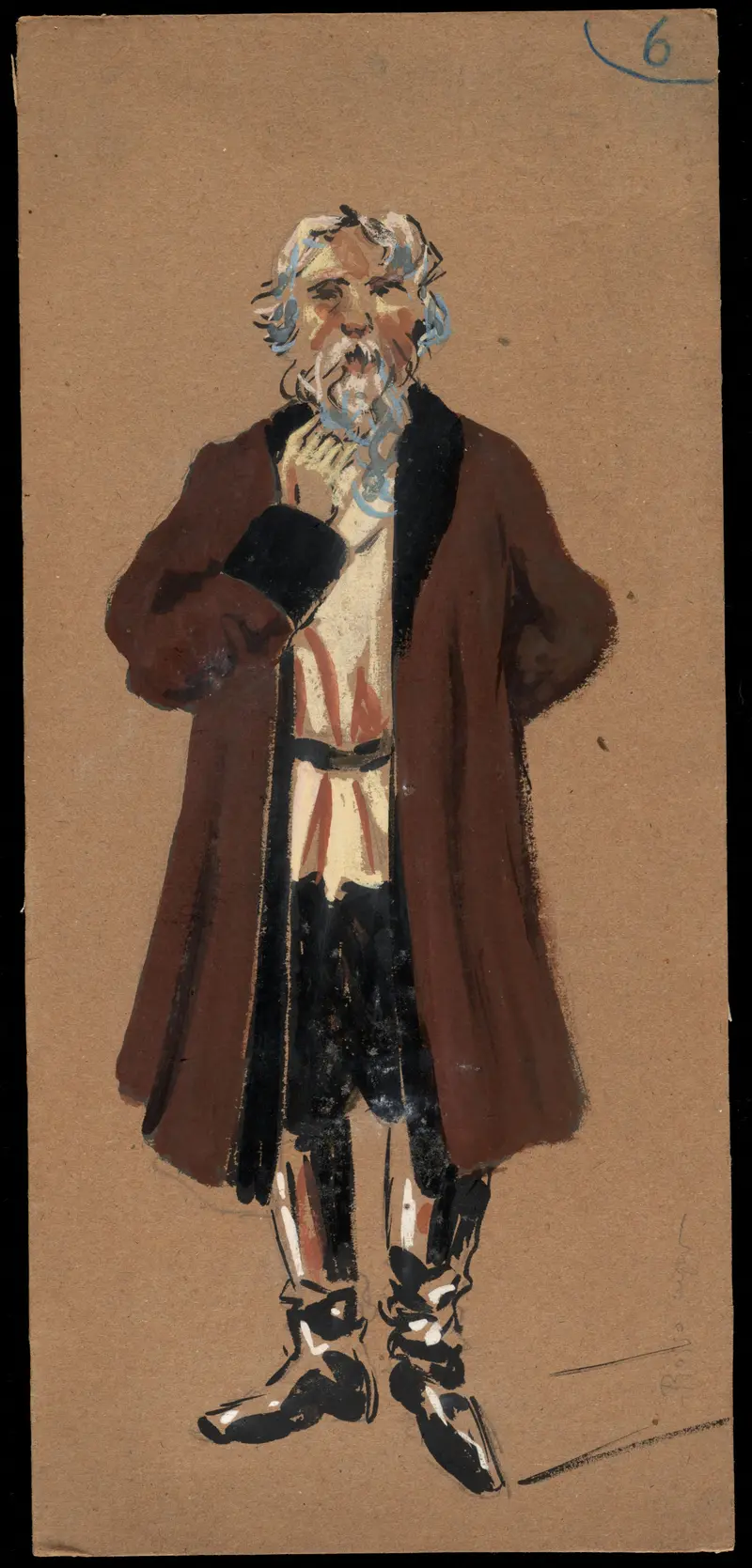
Ivan, Costume Design for Il pane altrui
Plinio Codognato
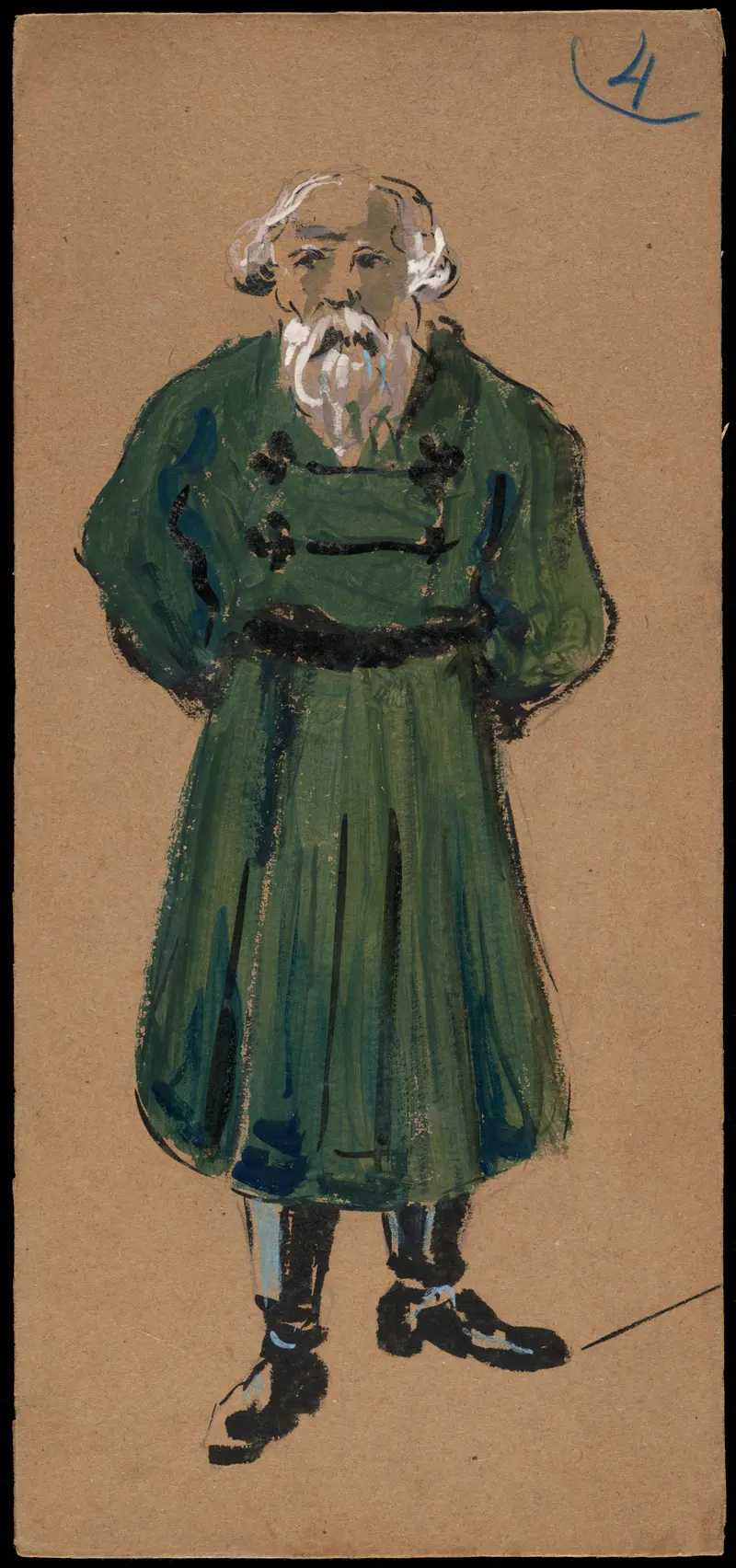
Kusofkine, Costume Design for Il pane altrui
Plinio Codognato
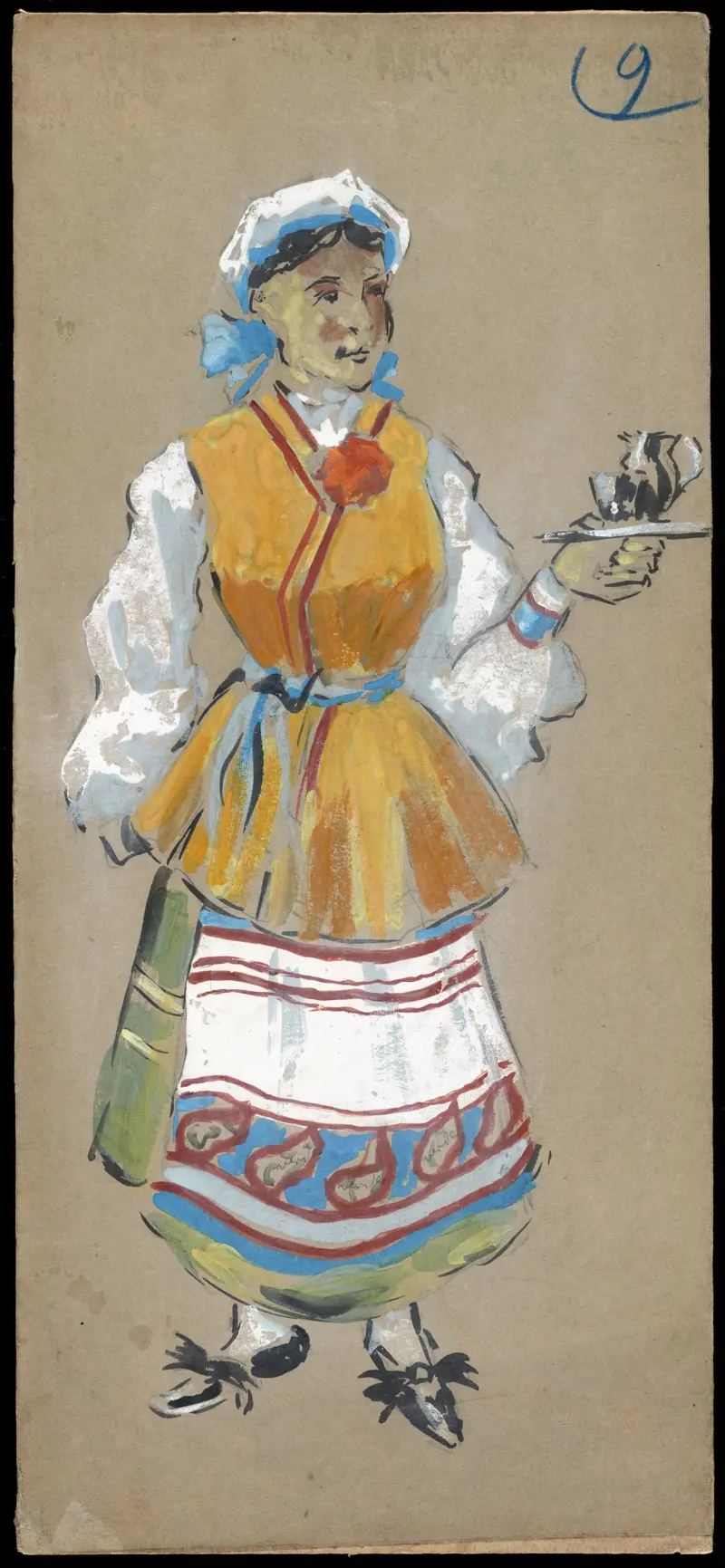
Macha, Costume Design for Il pane altrui
Plinio Codognato
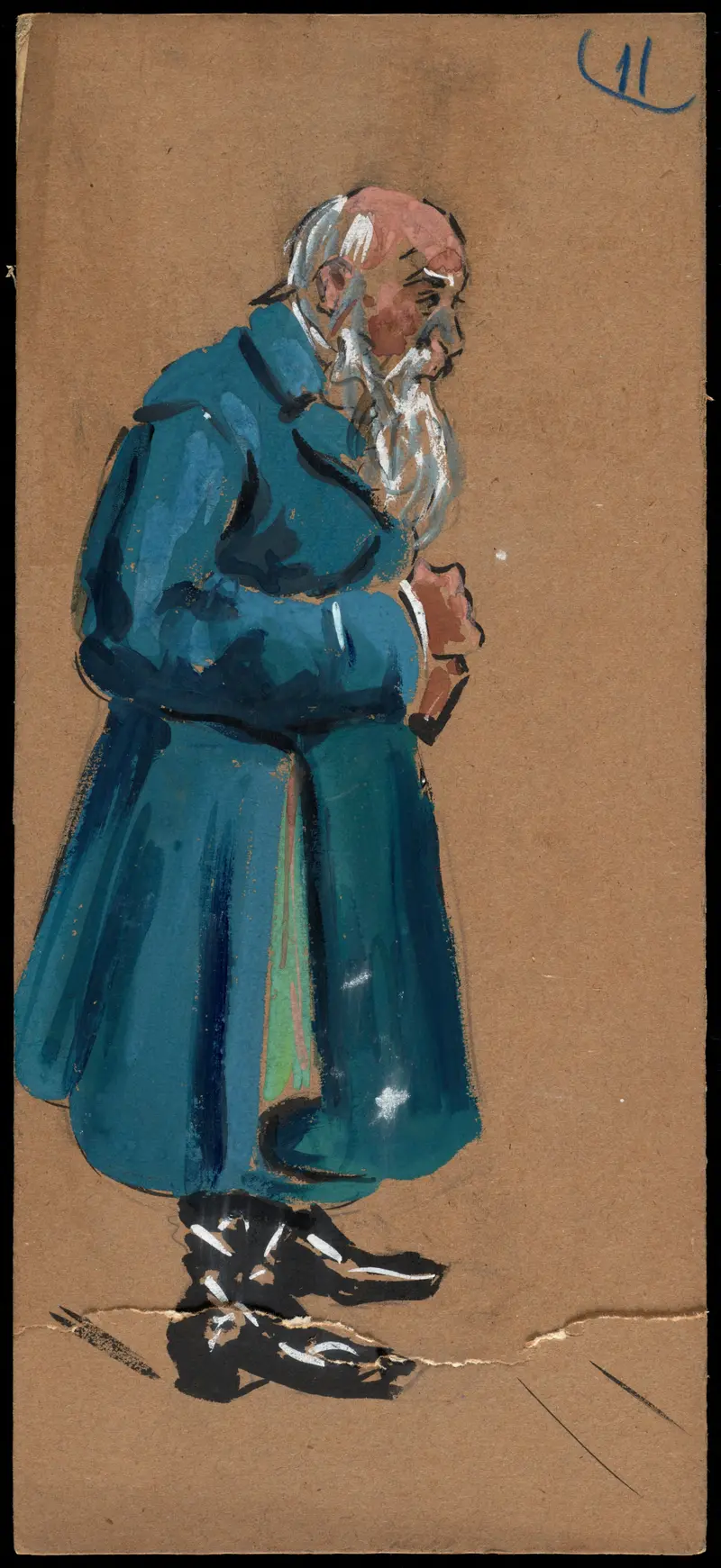
Ampadisto, Costume Design for Il pane altrui
Plinio Codognato
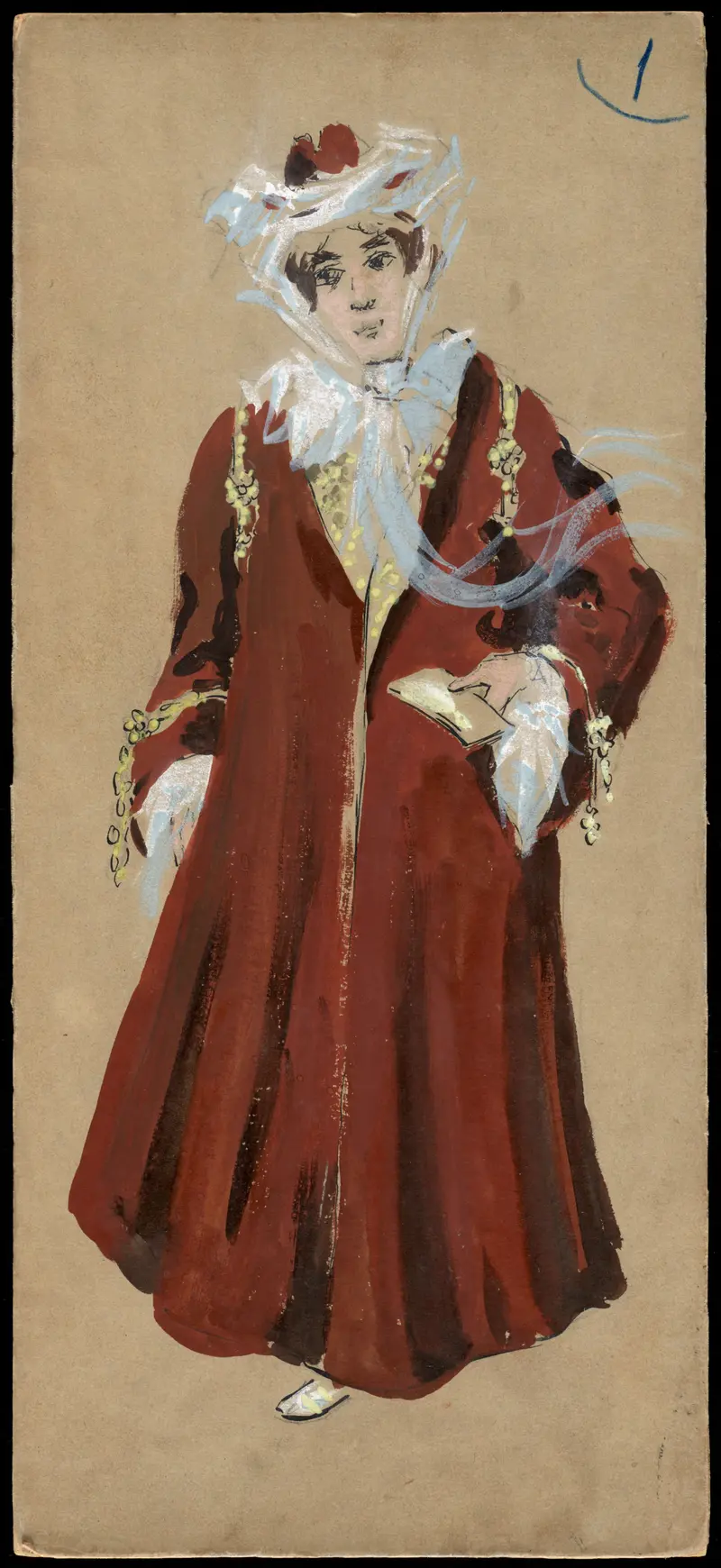
Olga in a Red Coat, Costume Design for Il pane altrui
Plinio Codognato
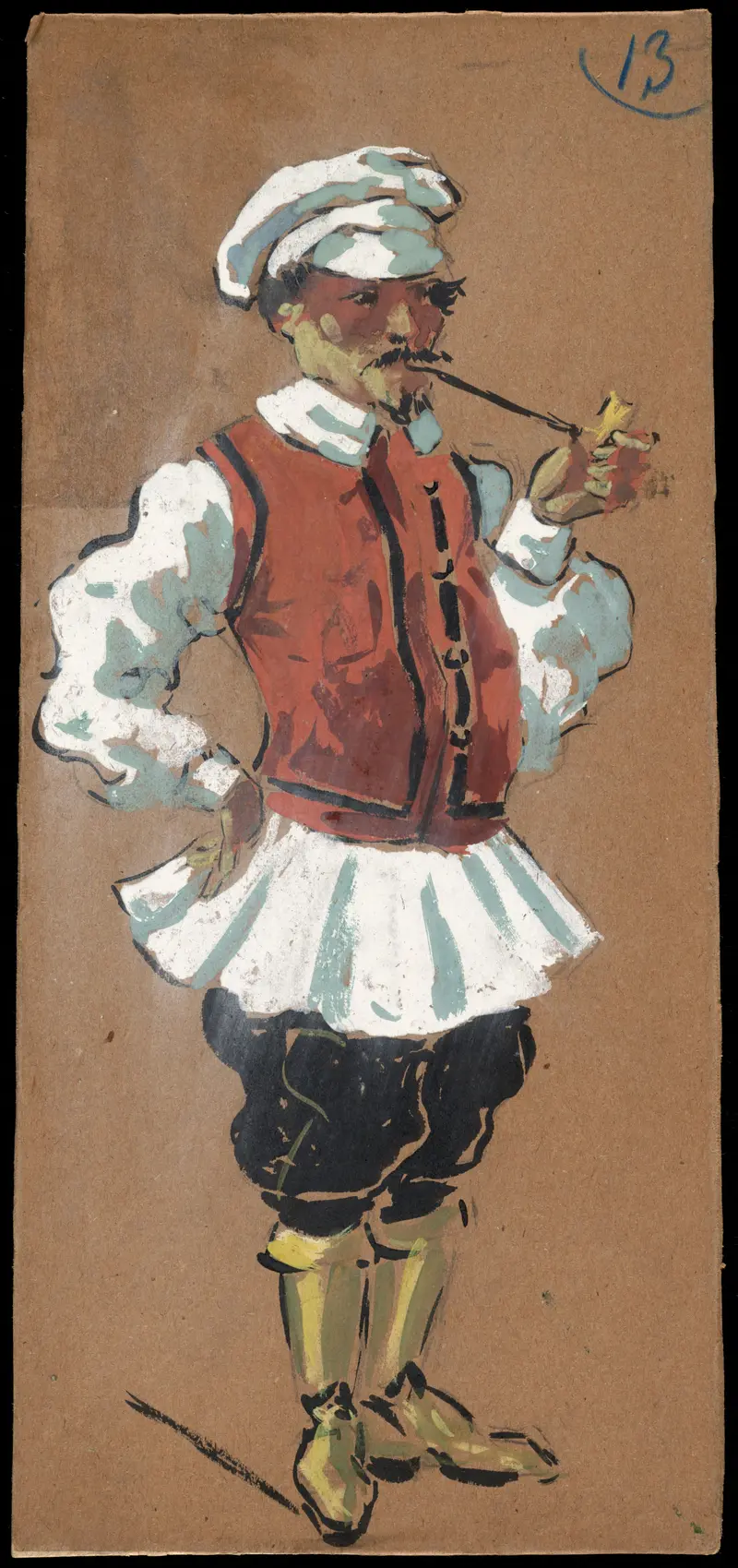
Pietro, Costume Design for Il pane altrui
Plinio Codognato
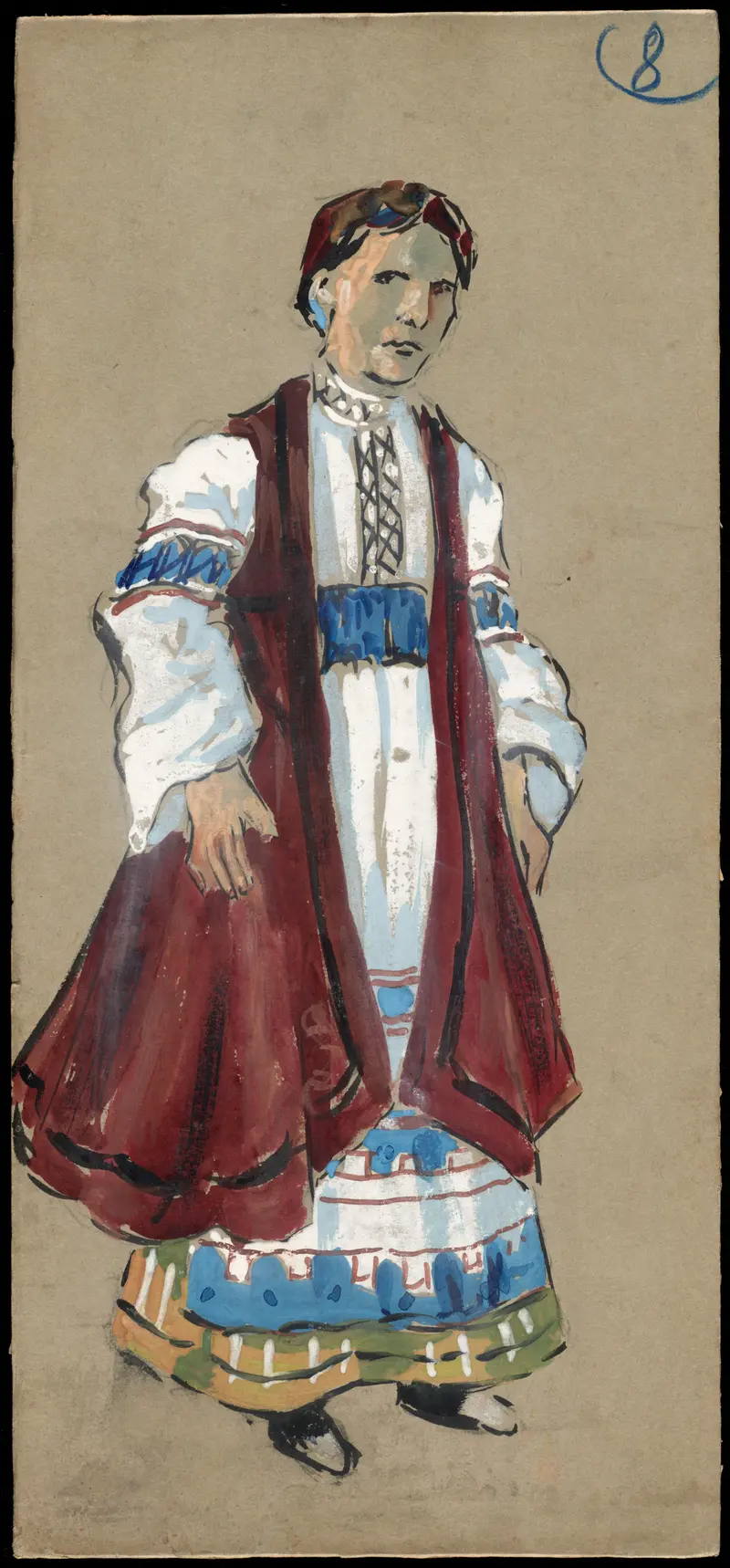
Praskovia, Costume Design for Il pane altrui
Plinio Codognato
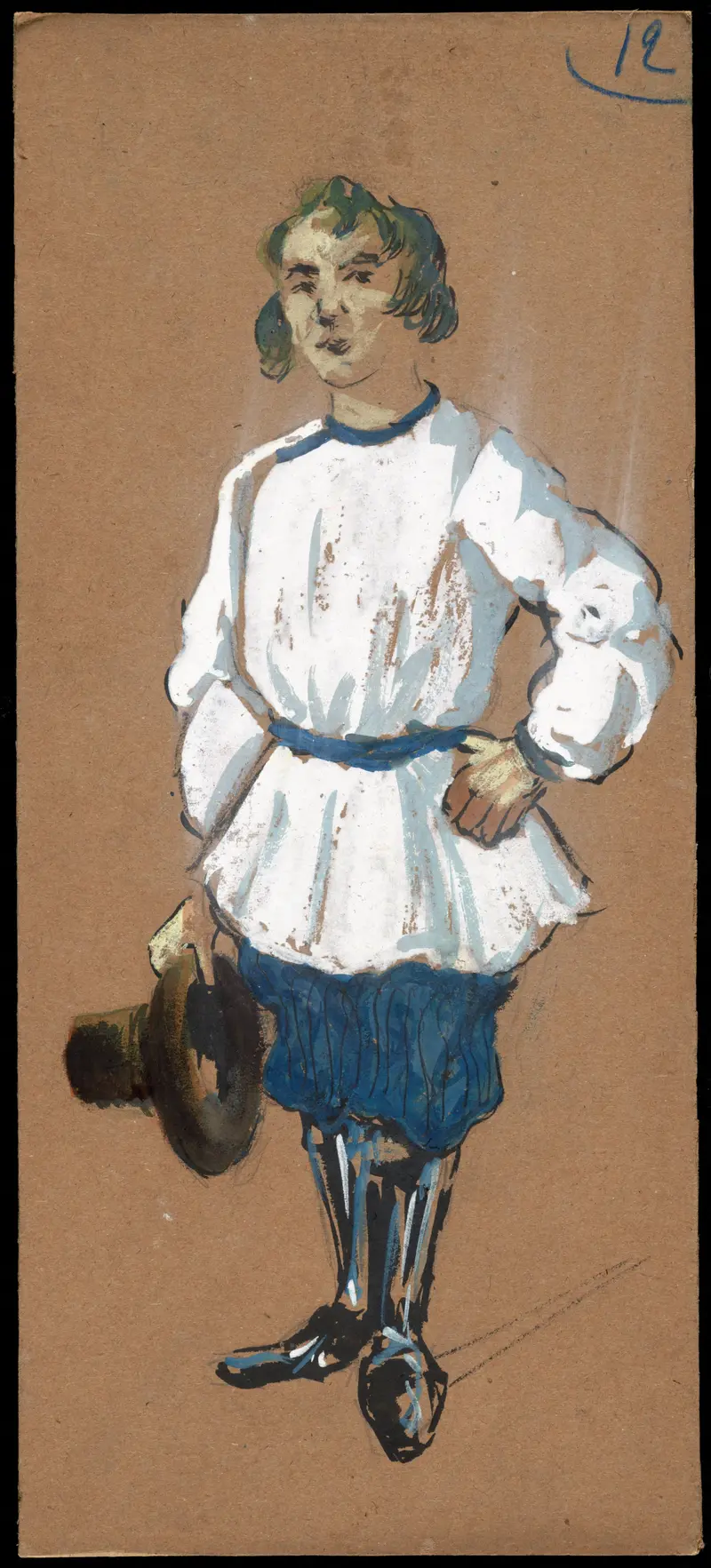
Vasca, Costume Design for Il pane altrui
Plinio Codognato