Macha, Costume Design for Il pane altrui — History & Facts
What first catches the eye in Macha, Costume Design for Il pane altrui is the lively immediacy of the figure: a woman mid-step, her body turned as if about to enter the stage, tray in hand and ribbons fluttering from her cap. The artist, Plinio Codognato, uses swift, confident brushstrokes to suggest both the crispness of starched linen and the weight of layered skirts, while the bold orange and blue accents draw attention to the character’s role and personality. The red flower pinned at her chest signals a touch of individuality or festivity, while the careful rendering of the apron’s border hints at folk traditions.
Even the smallest gesture—the tilt of her wrist balancing the tray—communicates readiness, service, and perhaps a hint of pride. Created in the early twentieth century, this design belongs to a world where theater and opera demanded not only dramatic performances but also richly imagined costumes to bring stories to life. Around 1907, designers like Codognato were essential collaborators, translating scripts into visual identities for each character. Such works were typically commissioned by theater companies or directors, and the finished sketches served as blueprints for the seamstresses and tailors backstage.
Today, this particular sheet survives in the Boston Public Library’s collection, a rare witness to the collaborative energy of the stage and the artistry of costume design. One can almost hear the rustle of fabric and the murmur of anticipation as the character prepares to step into the spotlight.
More Artworks by Plinio Codognato
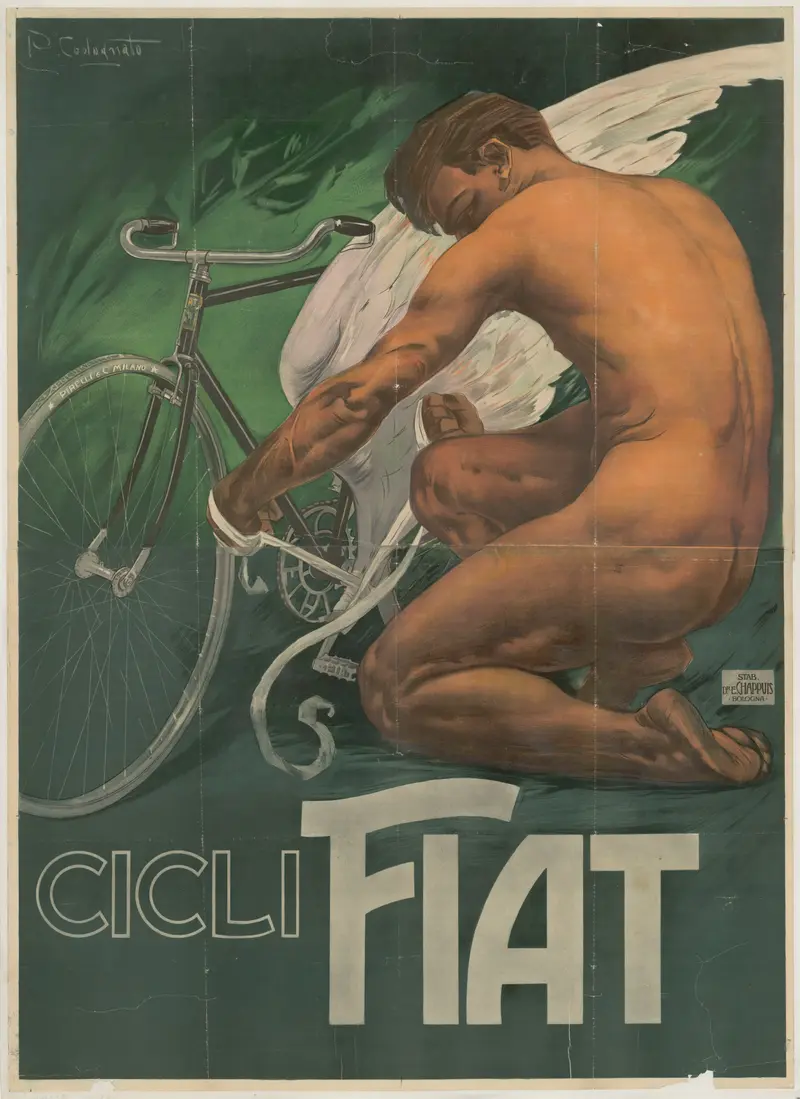
Cicli Fiat
Plinio Codognato
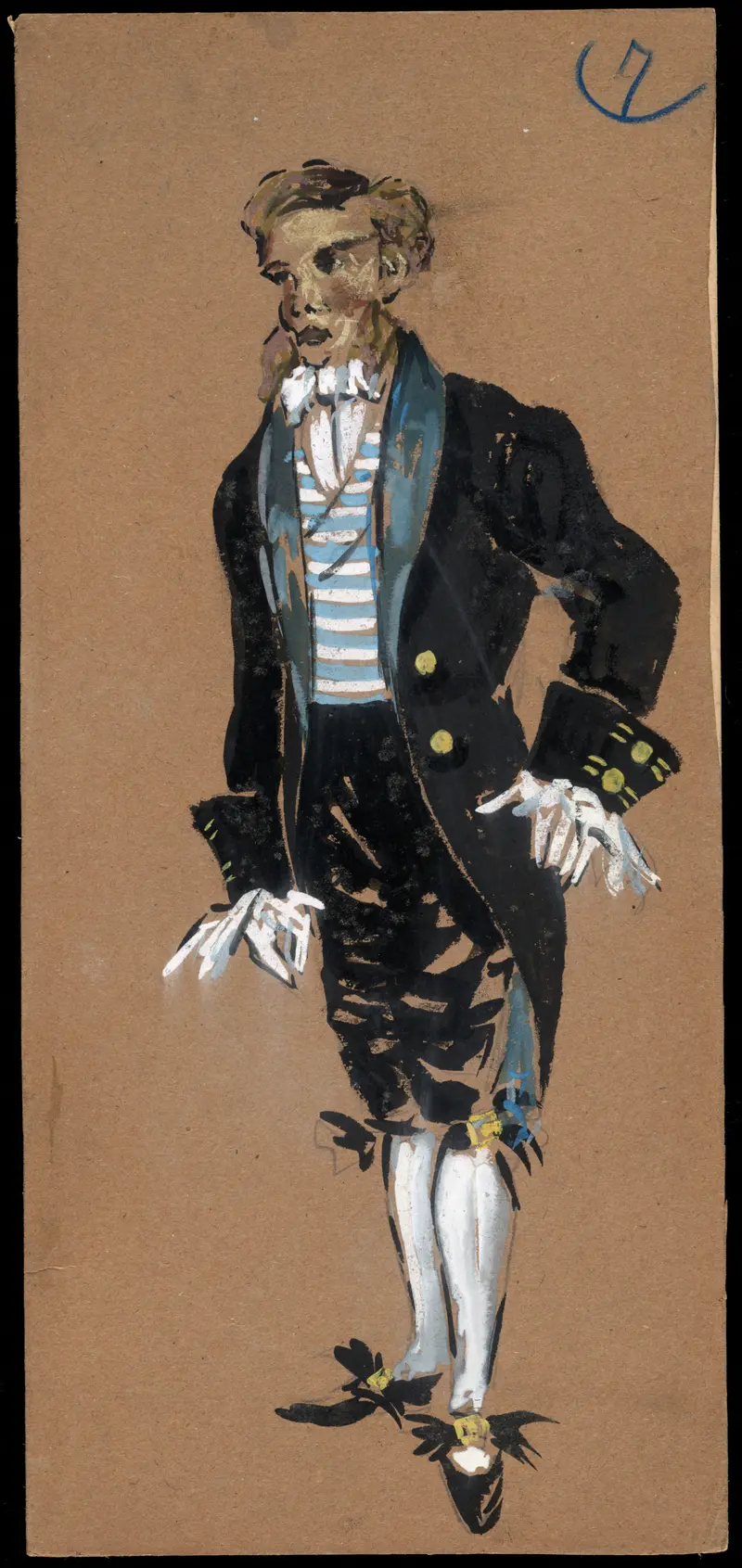
Trembinzki, Costume Design for Il pane altrui
Plinio Codognato
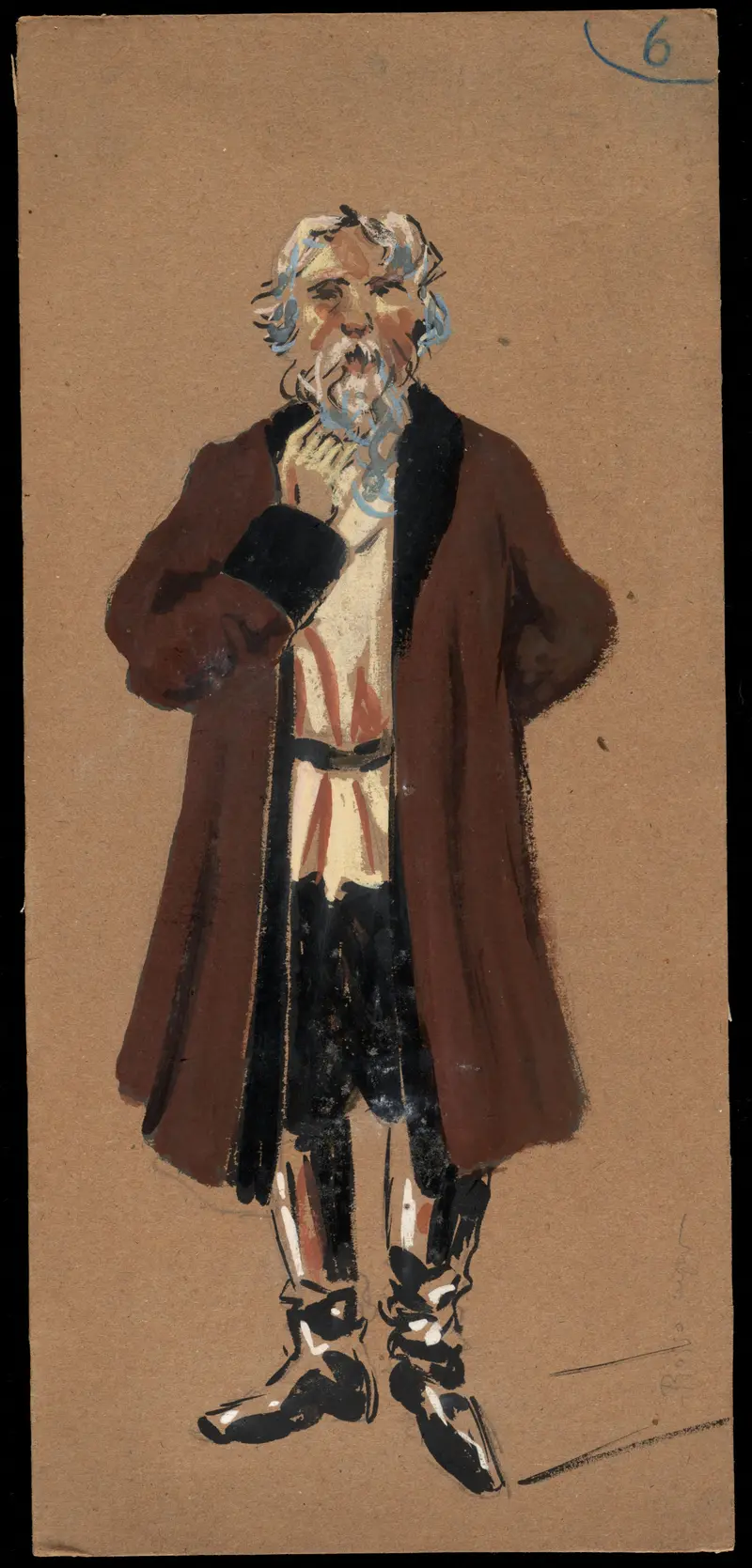
Ivan, Costume Design for Il pane altrui
Plinio Codognato
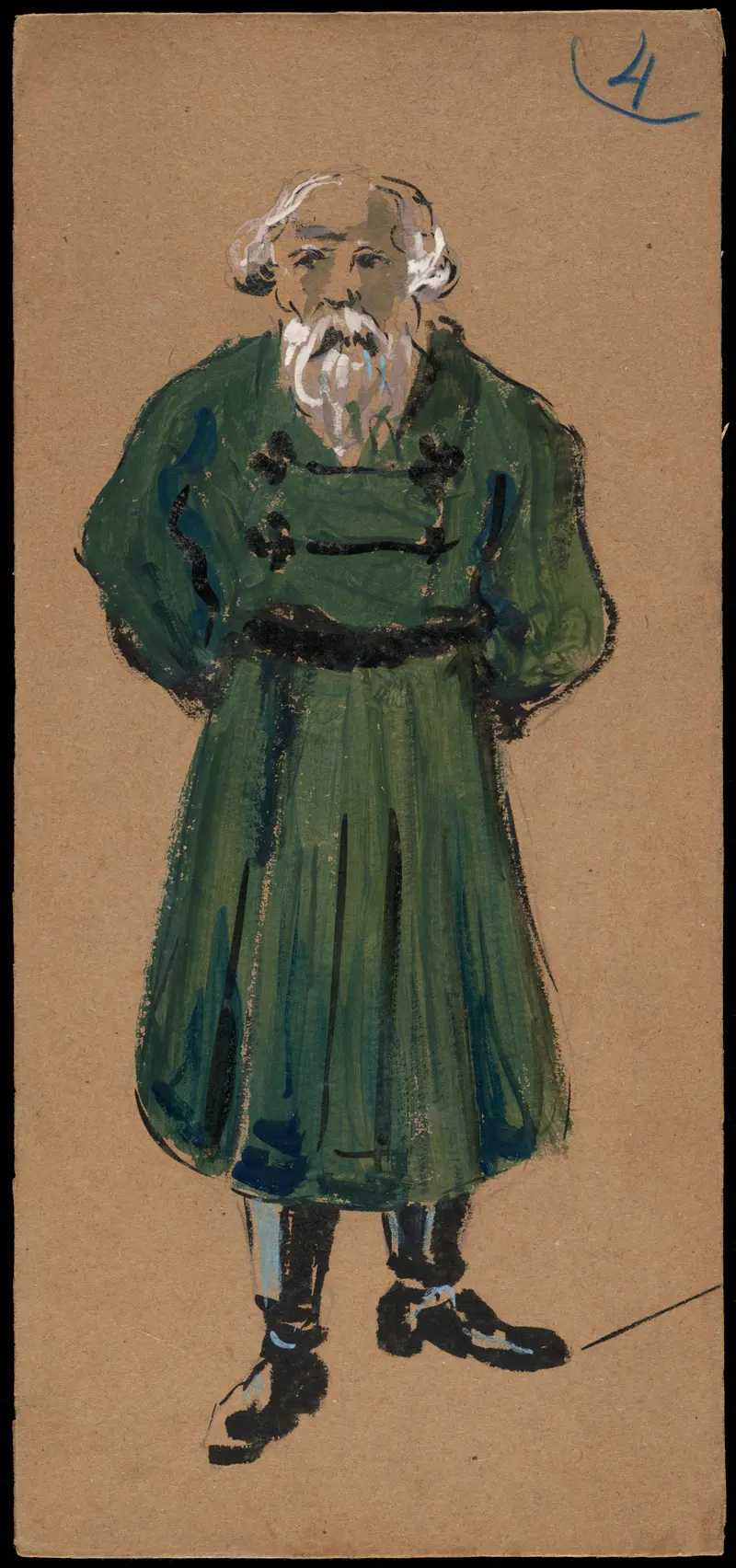
Kusofkine, Costume Design for Il pane altrui
Plinio Codognato
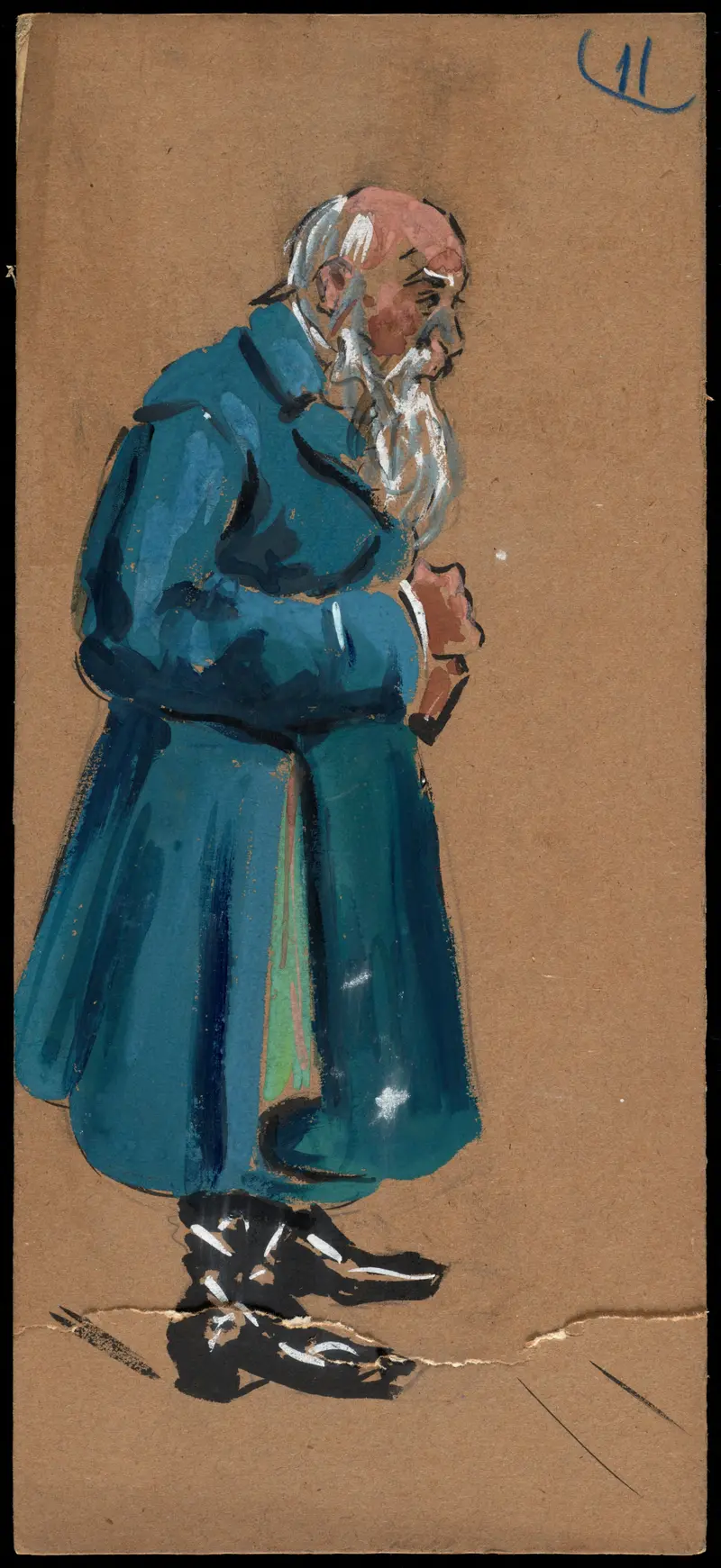
Ampadisto, Costume Design for Il pane altrui
Plinio Codognato
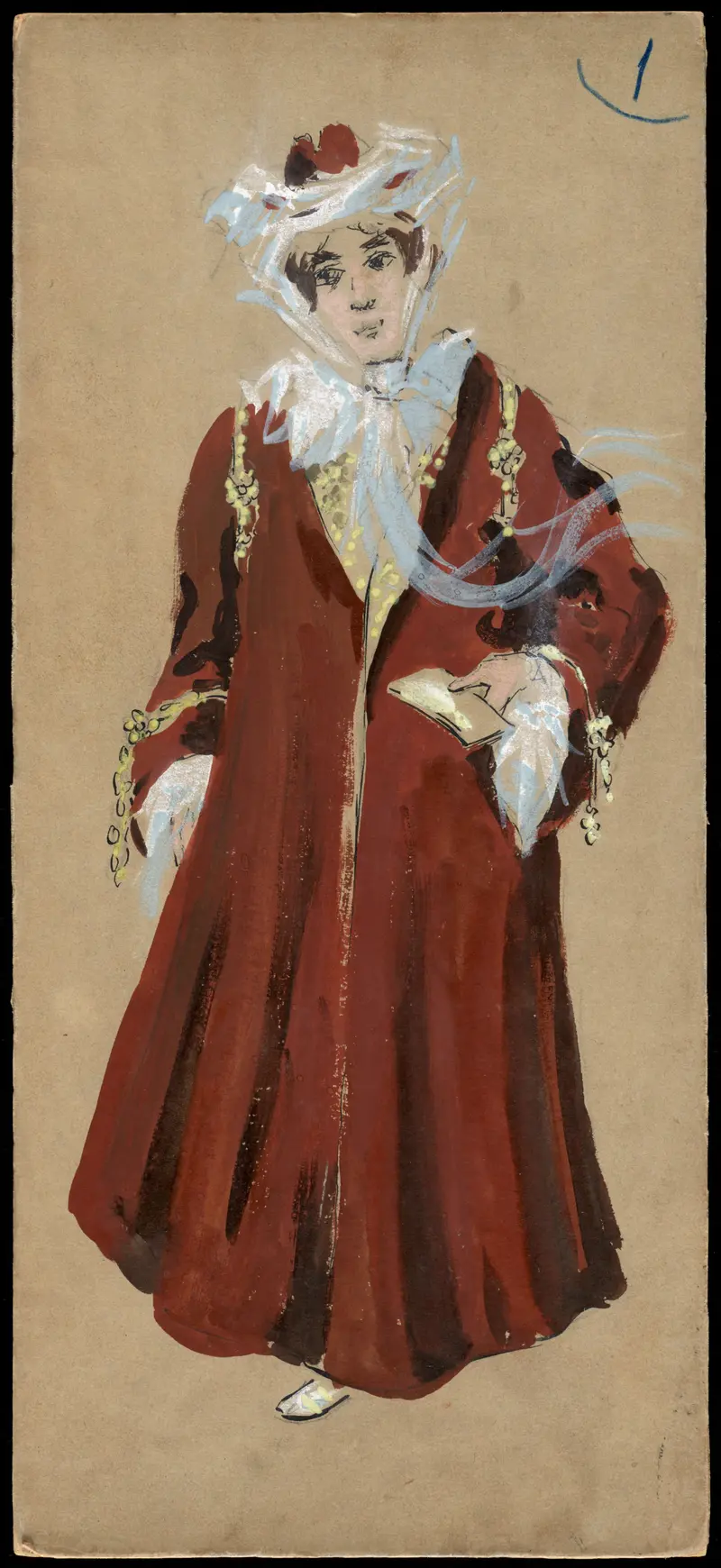
Olga in a Red Coat, Costume Design for Il pane altrui
Plinio Codognato
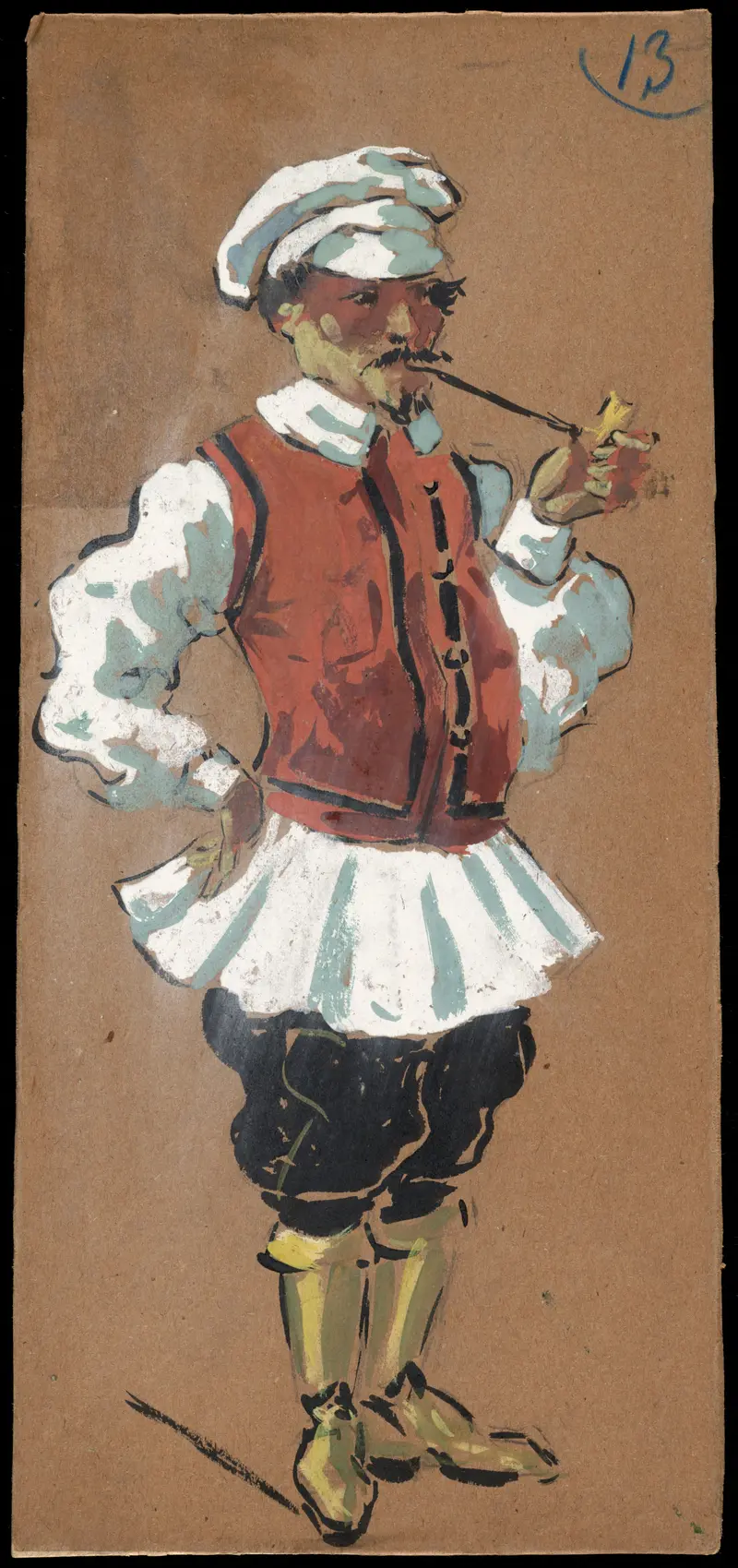
Pietro, Costume Design for Il pane altrui
Plinio Codognato
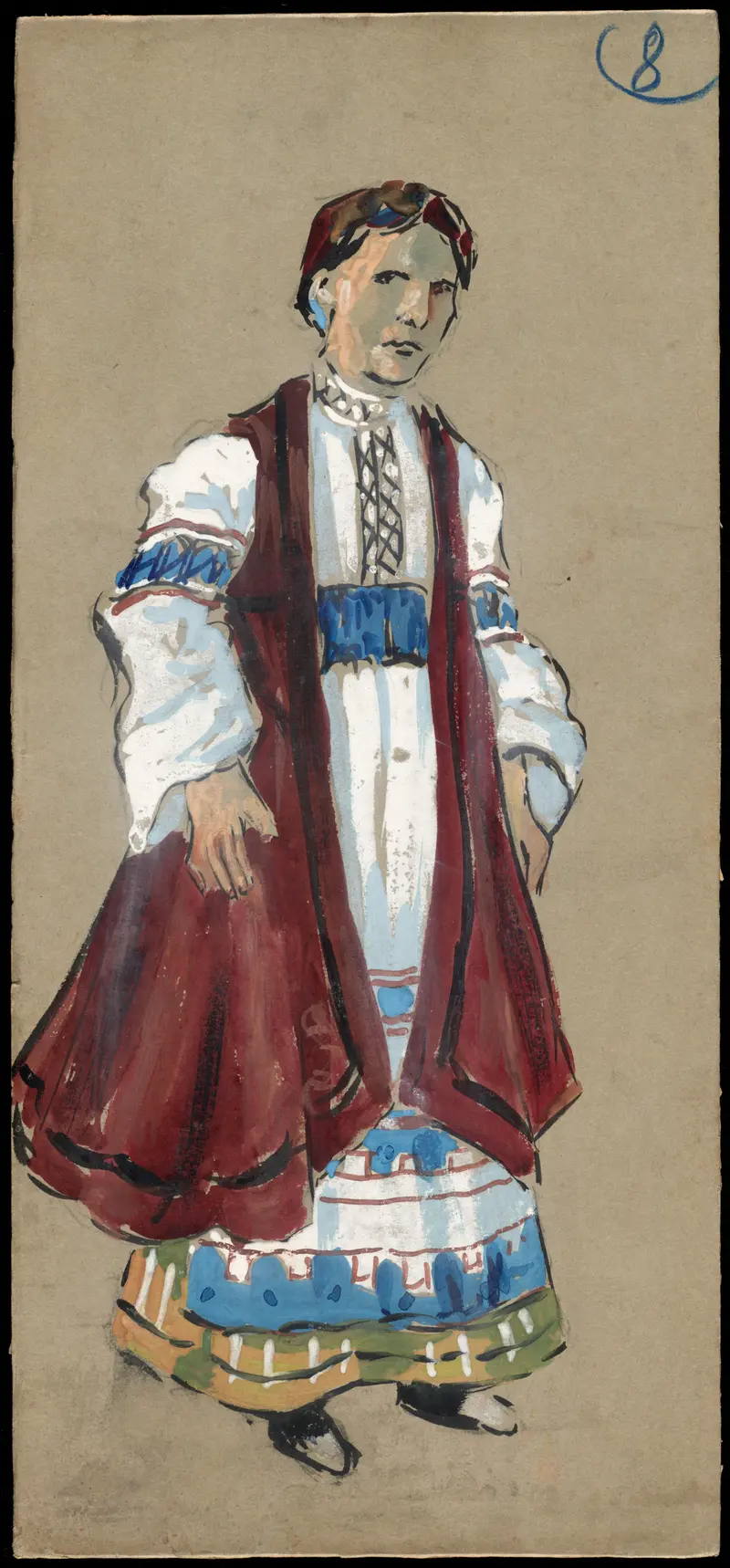
Praskovia, Costume Design for Il pane altrui
Plinio Codognato
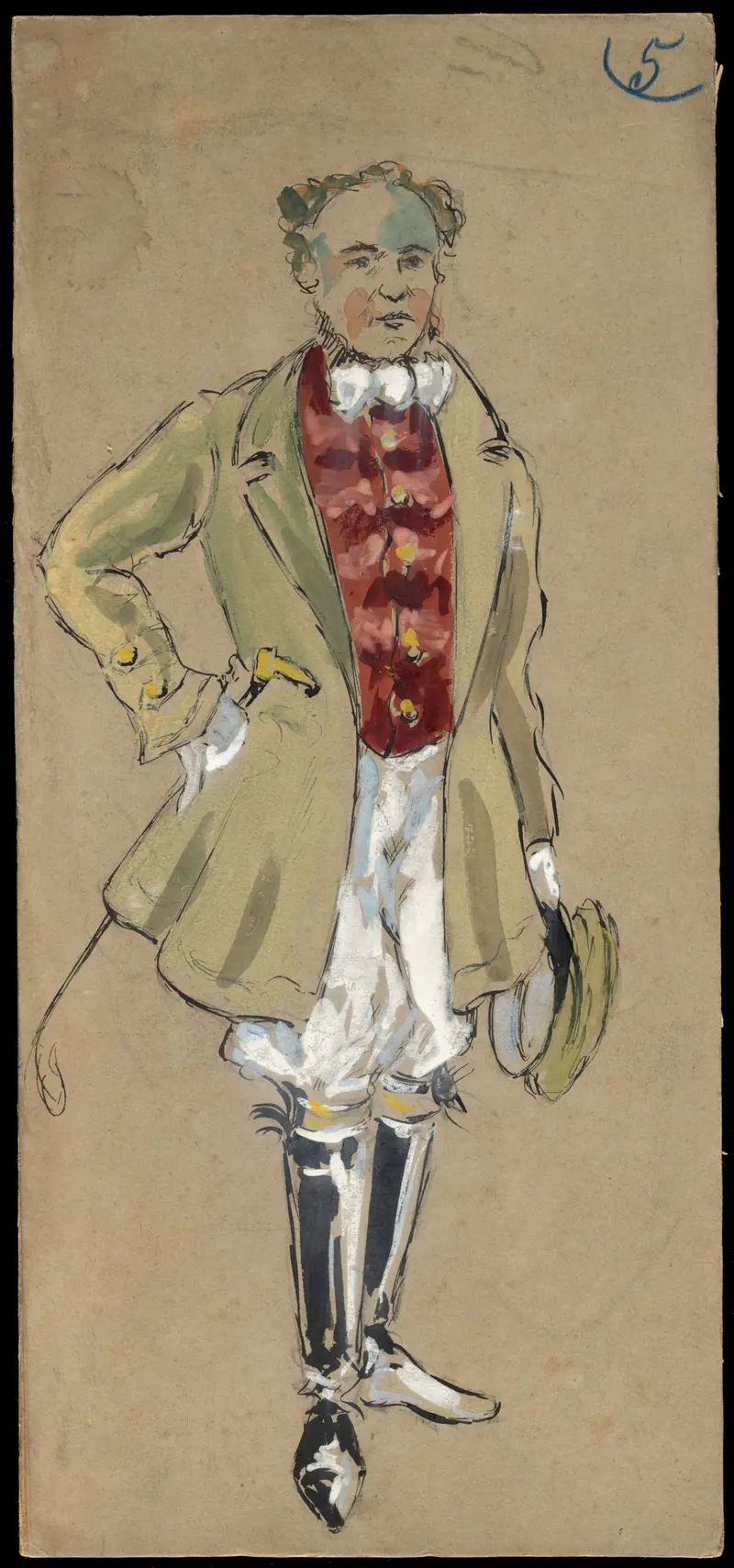
Tropatchoh, Costume Design for Il pane altrui
Plinio Codognato
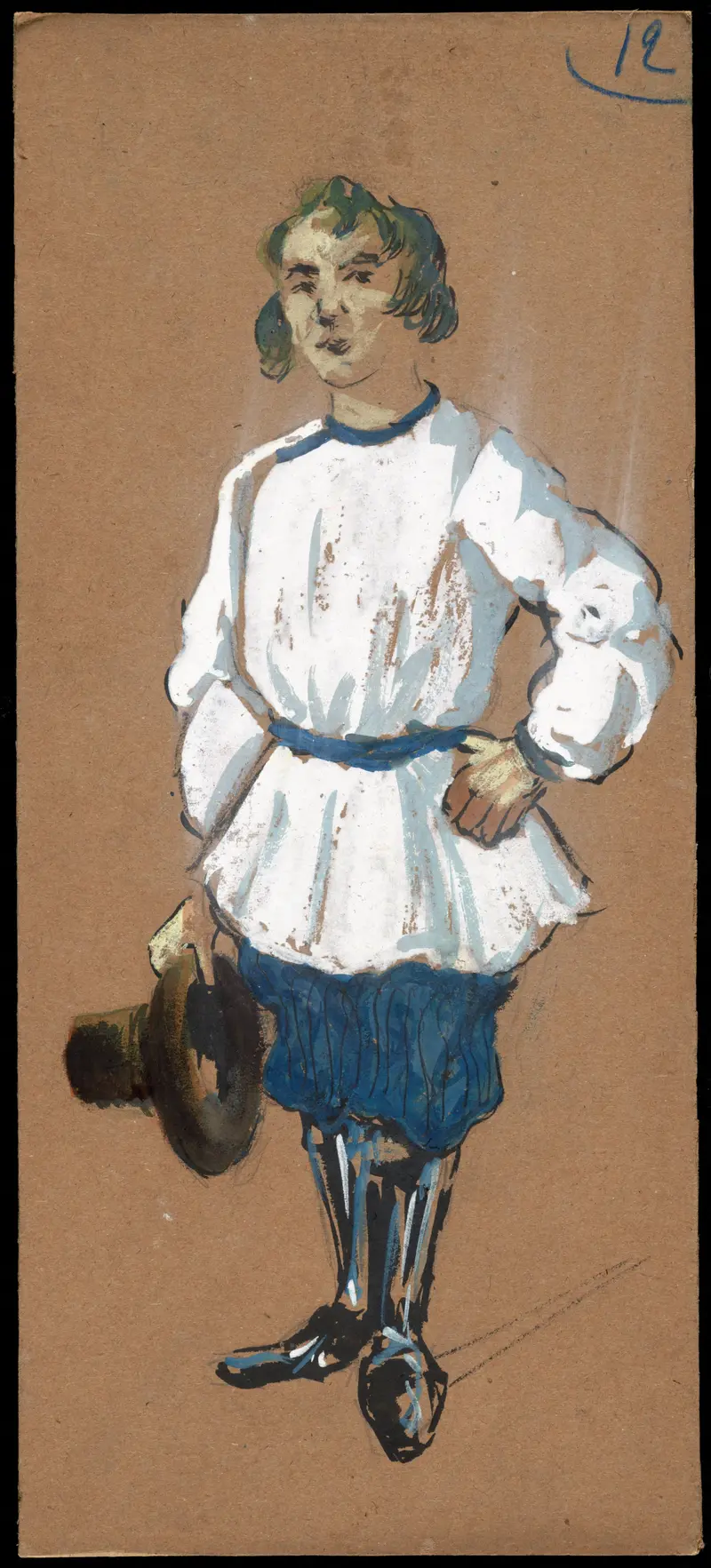
Vasca, Costume Design for Il pane altrui
Plinio Codognato