
Tsavo Lion — History & Facts
In Tsavo Lion, the viewer is presented with a striking depiction of a lion in its natural habitat. The colors are rich and earthy, with shades of brown and gold dominating the scene. The lion's powerful form is captured in a moment of stillness, surrounded by a landscape that suggests the African savanna.
This setting enhances the sense of realism, drawing the viewer into the lion's world. The painting is executed in oil on canvas, a medium that allows for detailed textures and vibrant colors. The brushwork is precise, highlighting the lion's muscular build and the softness of its fur. The background is rendered with a careful attention to natural elements, contributing to the overall realism of the piece.
Viewers can appreciate the artist's skill in capturing both the majesty of the lion and the subtleties of its environment. Charles Hamilton Smith was known for his detailed studies of animals, particularly in the context of natural history. 'Tsavo Lion' reflects his interest in wildlife and his commitment to portraying animals with accuracy. An interesting fact about this work is that it was inspired by the infamous Tsavo lions, which were known for their unusual behavior during the late 19th century.
This painting serves not only as an artistic representation but also as a historical document of a fascinating period in wildlife history.
More Artworks by Charles Hamilton Smith

Marengo, Bonaparte’s Arab
Charles Hamilton Smith
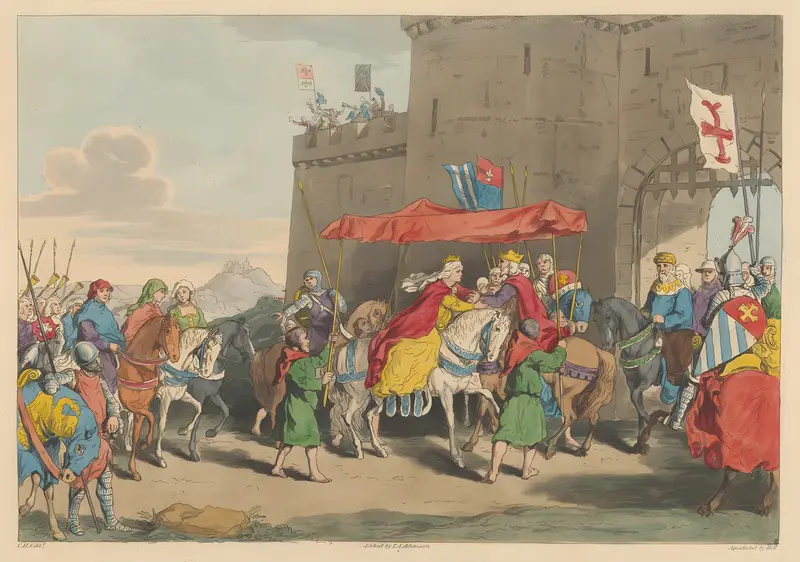
Costume of the Reign of King Henry III
Charles Hamilton Smith
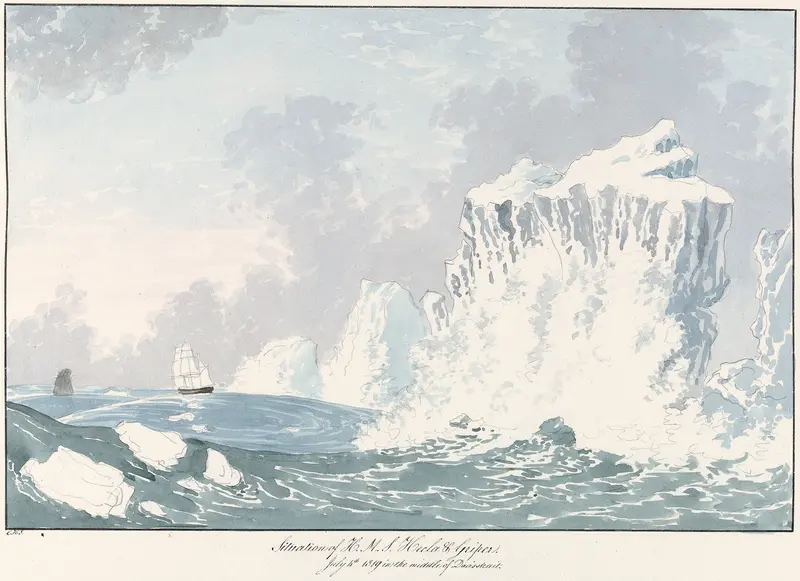
Situation of H.M.S. Hecla & Griper
Charles Hamilton Smith
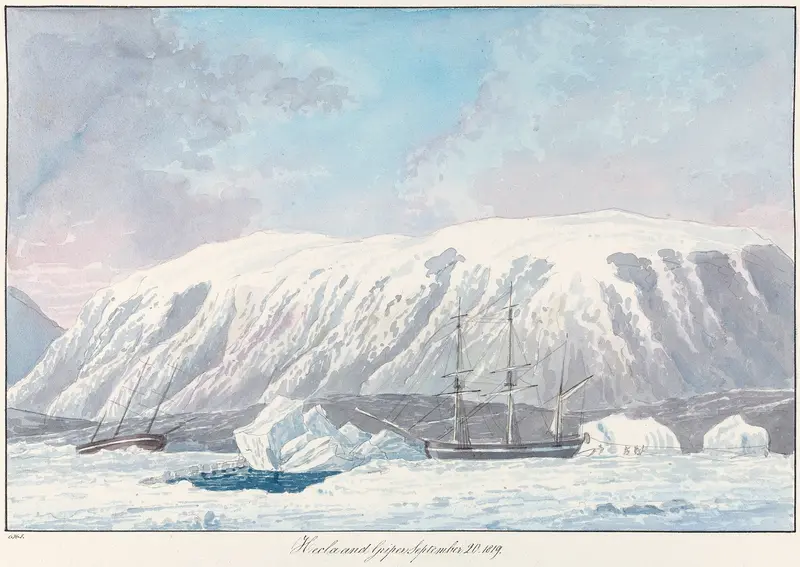
Hecla and Griper
Charles Hamilton Smith
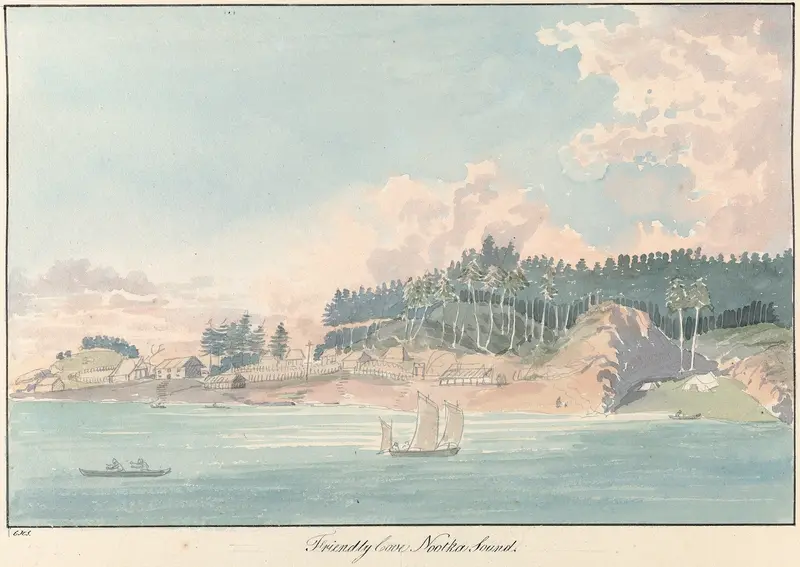
Friendly Cove, Nootka Sound
Charles Hamilton Smith
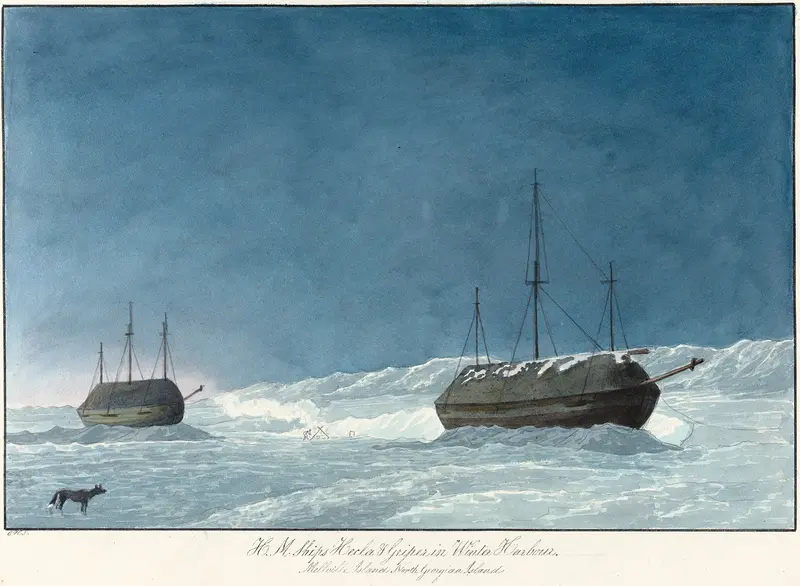
H. M. Ships Hecla and Griper in Winter Harbour
Charles Hamilton Smith
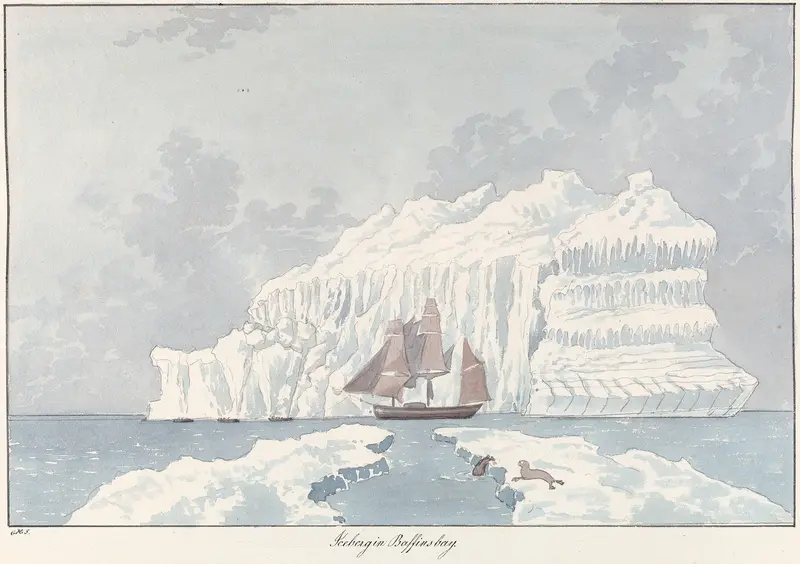
Iceberg in Baffin’s Bay
Charles Hamilton Smith
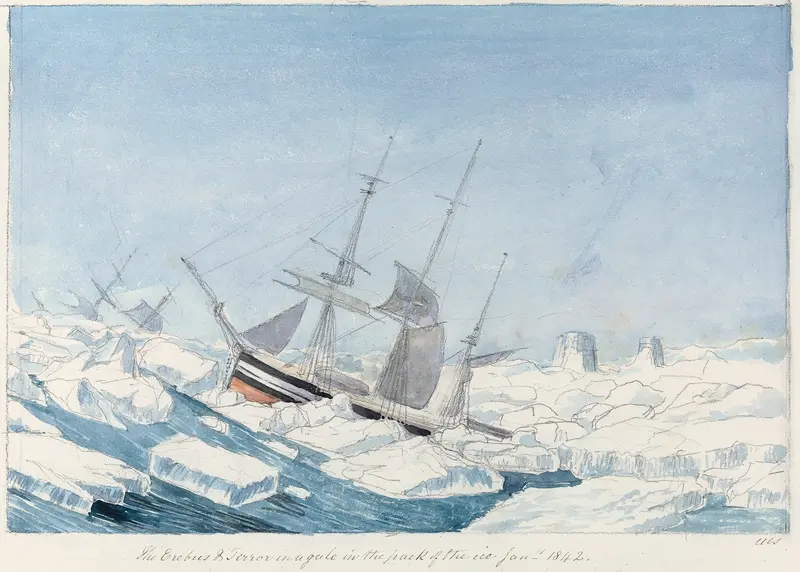
The Erebus & Terror in a Gale in the Pack of the Ice
Charles Hamilton Smith
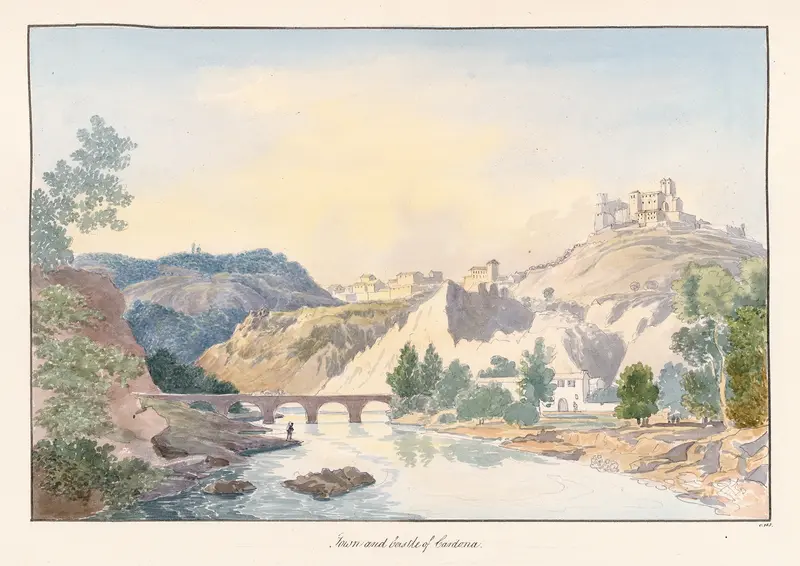
Town and Castle of Cardona
Charles Hamilton Smith
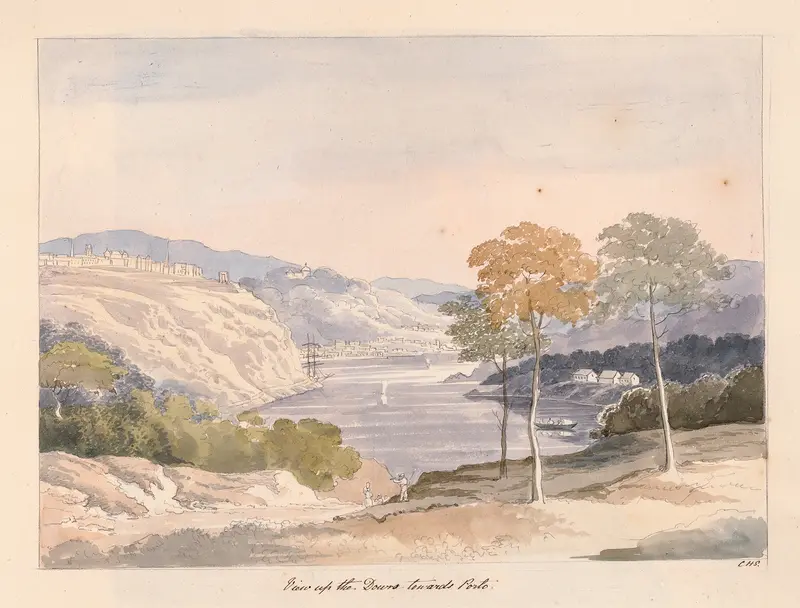
View of the Douro towards Porto
Charles Hamilton Smith





