
Tshimikain Mission or Chemakane Mission — History & Facts
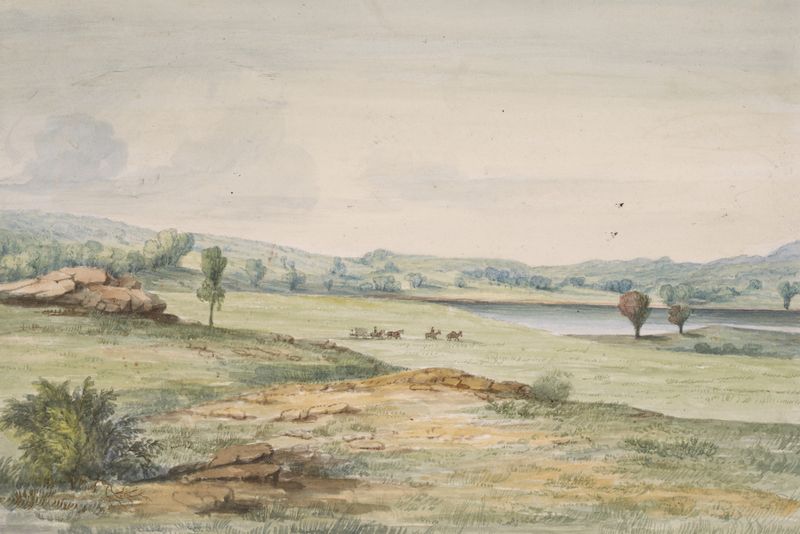
Did the painter know this moment would outlive them? In the heart of the vast wilderness, a solitary figure stands, embodying both strength and vulnerability—a poignant, silent sentinel amidst the sprawling landscape. The air is thick with an unspoken weight, the kind that clings to the skin, suggesting an overwhelming loneliness wrapped in nature's embrace. Look to the center of the canvas, where a lone Indigenous man, draped in layers of fabric, captures the viewer's gaze. His posture is relaxed yet alert, suggesting a quiet contemplation of the surrounding world.
Notice how the natural light filters through the trees, creating a chiaroscuro effect that enhances the contours of his form while casting long shadows that signify isolation. The soft earth tones of the landscape contrast with the sharper hues of his clothing, emphasizing the tension between man and nature. Beneath the surface, the composition whispers of the struggle against cultural erasure and the solitude of existence. The figure’s gaze, directed outward, seems to search for connection within the vast emptiness, revealing layers of emotional resonance.
The stillness of the background juxtaposed with the man’s presence speaks to the isolation experienced by many Indigenous peoples during a period of upheaval and change, encapsulating a profound sense of loneliness that echoes through time. In 1854, John Mix Stanley painted this work during a significant era of exploration and expansion in America. As he traveled through the West, he encountered various Indigenous communities facing the pressures of encroachment and cultural disintegration. This painting reflects both his artistic evolution and a critical moment in history when the narratives of Indigenous peoples began to be overshadowed by those of colonizers, marking an important but often overlooked chapter in American art.
More Artworks by John Mix Stanley
Browse all →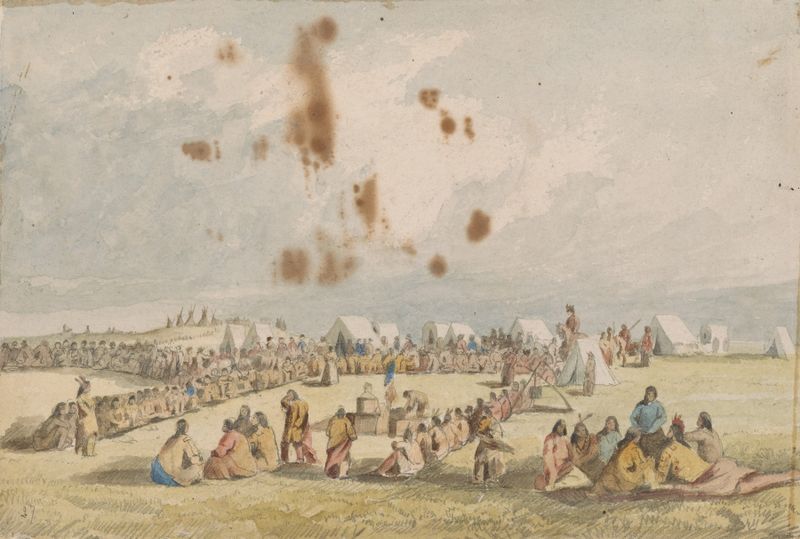
Distribution of Goods to the Assiniboins
John Mix Stanley
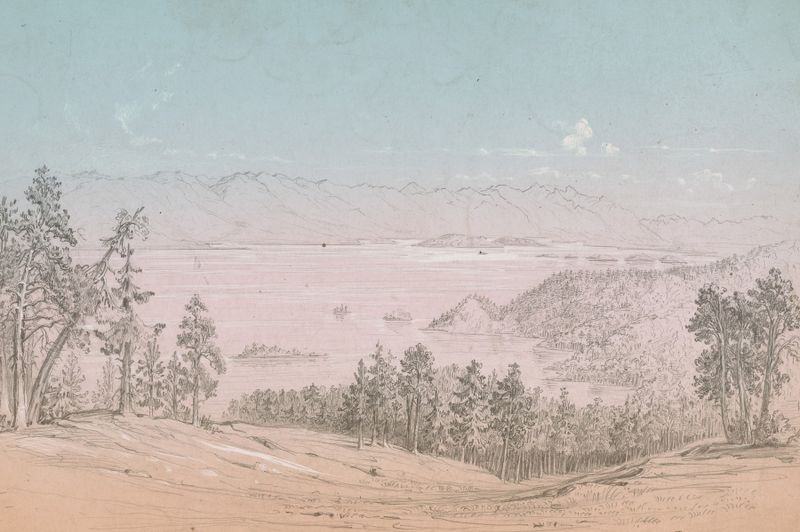
Flathead Lake, Looking toward the South
John Mix Stanley

A Morning in Milk River Valley
John Mix Stanley

Mount Rainier Viewed from Near Steilacoom
John Mix Stanley
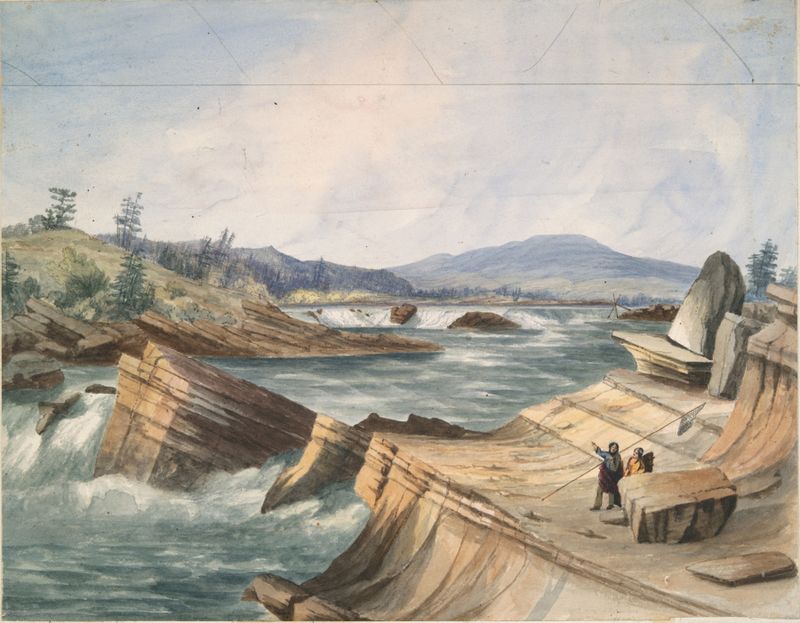
Kettle Falls, Columbia River
John Mix Stanley
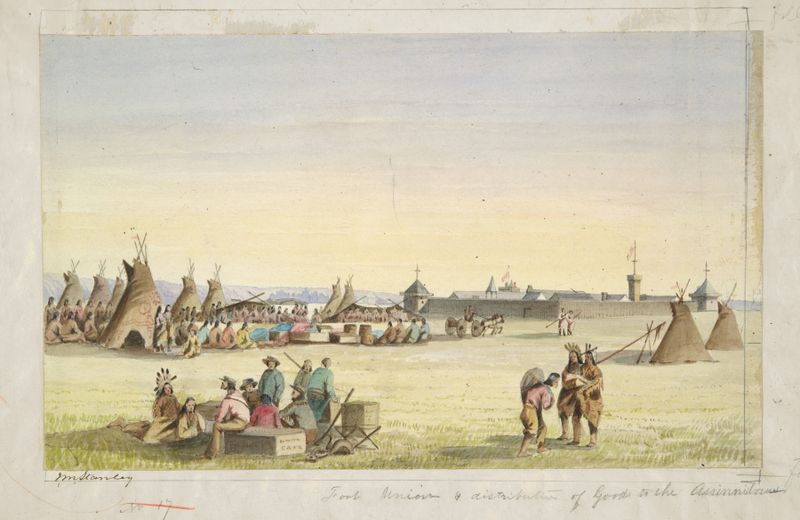
Fort Union and Distribution of Goods to the Assiniboins
John Mix Stanley

Pike Lake M.T.
John Mix Stanley
Sauk River
John Mix Stanley

Milk River – Bear’s Paw Mountain in Distance
John Mix Stanley

Fort Benton
John Mix Stanley





