Tôtes — History & Facts
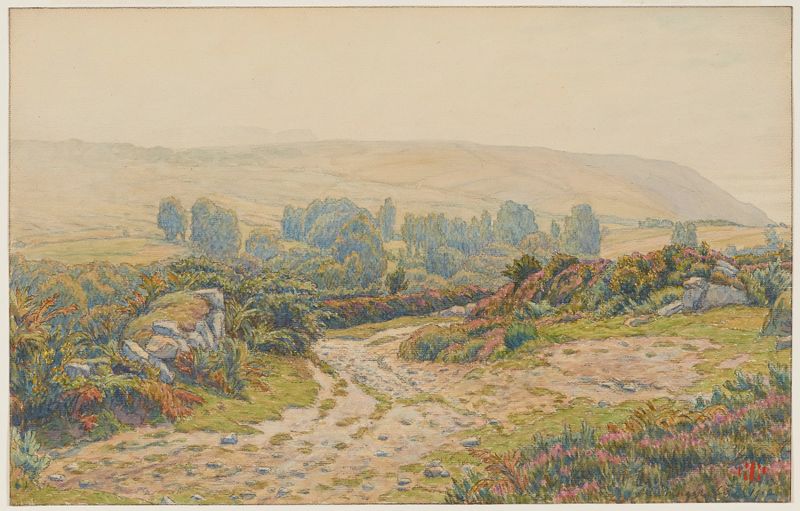
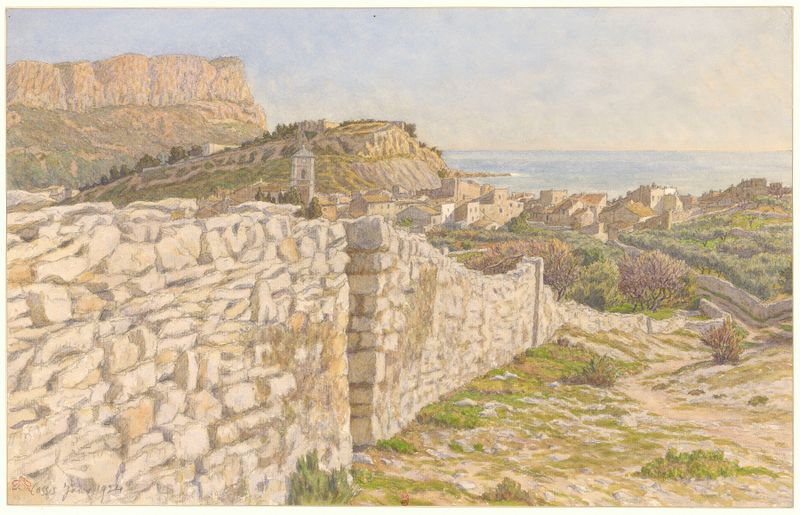
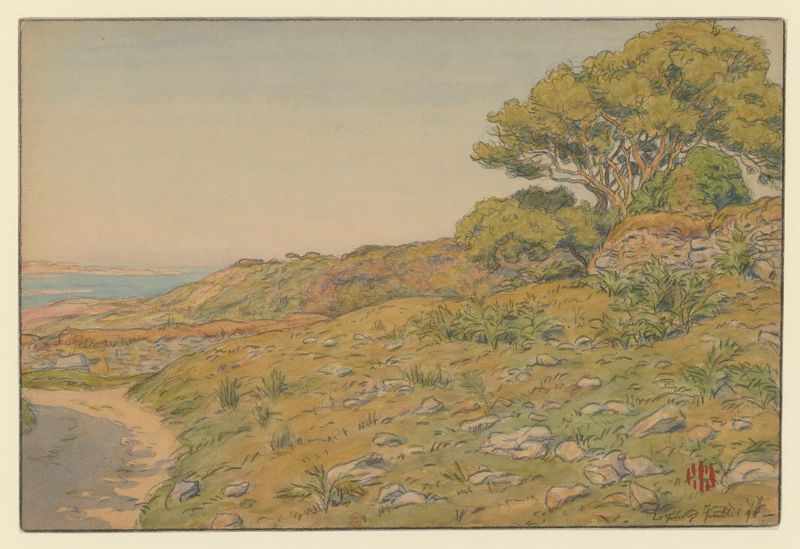
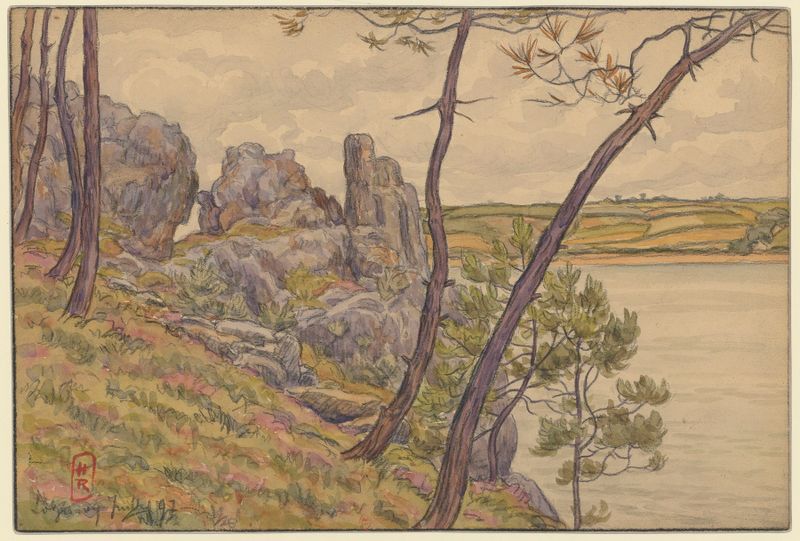
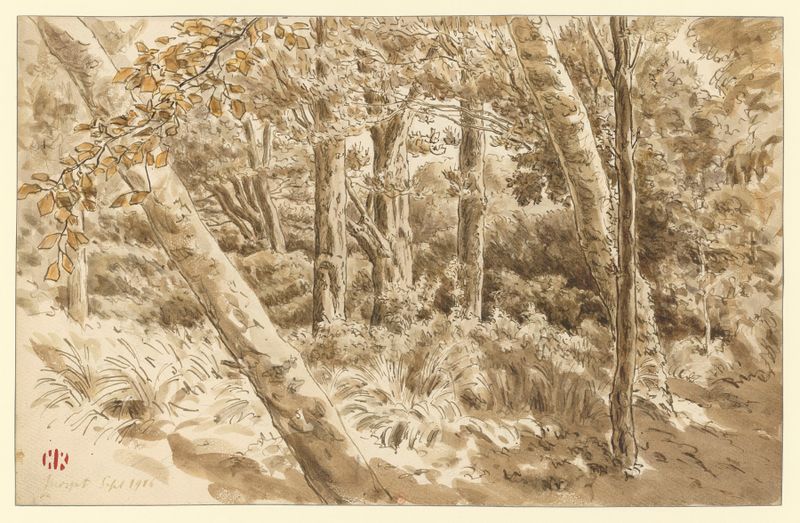
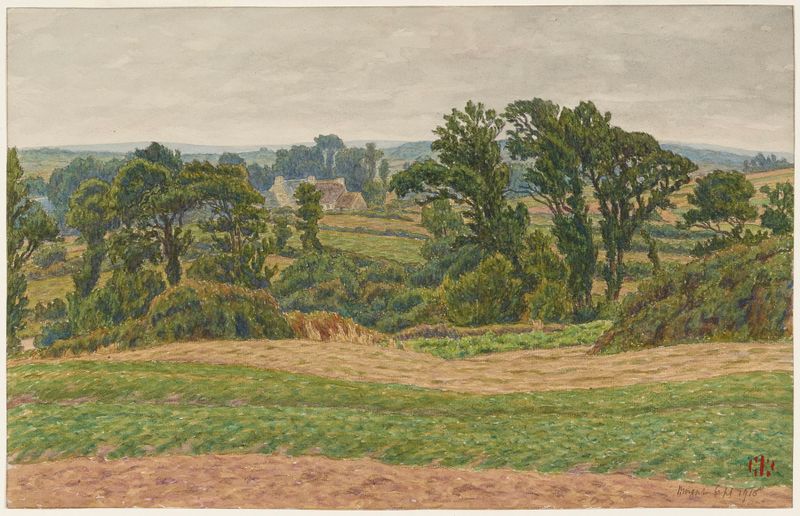
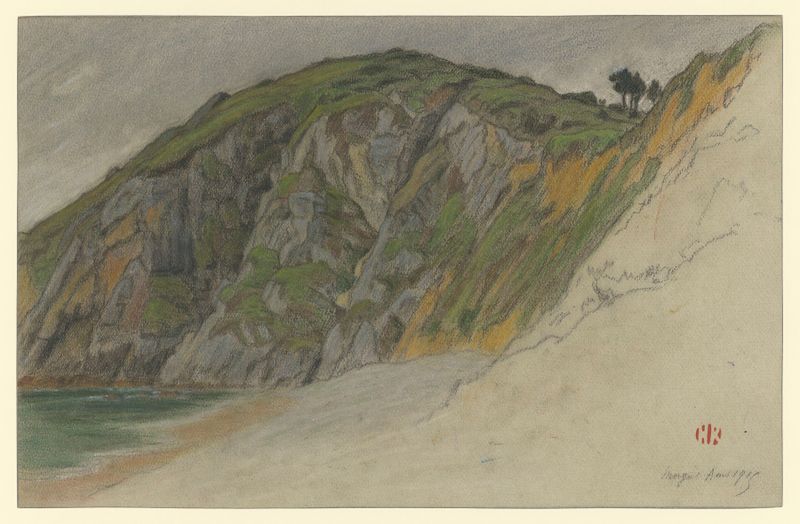
In the delicate interplay of shadow and light, truths emerge, whispering stories often left unspoken. Look to the left, where the gentle contours of the landscape blend into soft hues of muted greens and greys, creating a serene backdrop that invites introspection. The subtle brushwork captures the essence of a quiet moment, while the shadows elegantly stretch across the canvas, guiding the gaze toward the distant horizon. Observe the careful balance between light and dark, a technique that enhances the ethereal quality of the scene, evoking an atmosphere that resonates with both tranquility and depth. Beneath the surface of this tranquil vista lies a tension between the seen and the unseen.
The soft shadows may evoke the fleeting nature of time, suggesting that every detail holds a story waiting to be discovered. The interplay of light reveals hidden textures, while the obscured areas prompt contemplation of what lies beyond the visible. This contrast between illumination and darkness speaks to the duality of existence, reminding us that every tranquil moment can harbor unvoiced emotions. In 1925, during a period marked by artistic experimentation and a shift toward abstraction, the artist found himself in a world transitioning from tradition to modernity.
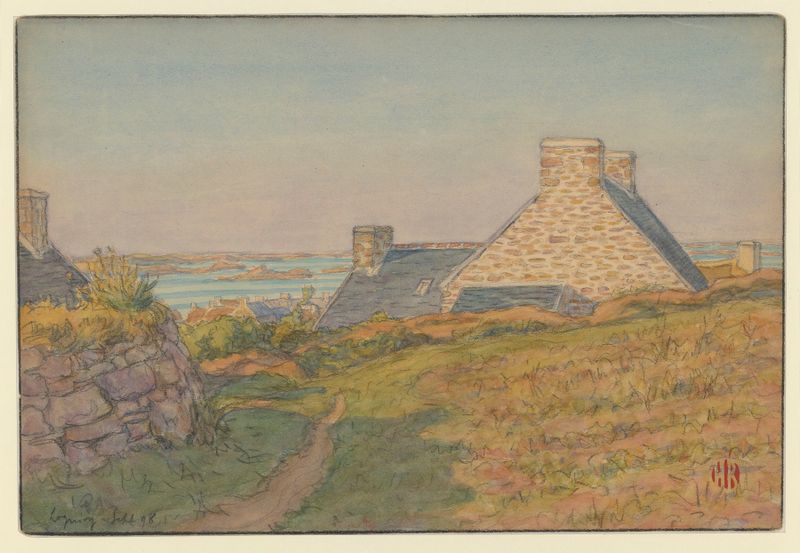
Residing in France, Rivière's work reflected the emerging trends of his time while still honoring the beauty of nature. His exploration of shadow and light in this piece exemplifies his desire to capture fleeting moments and evoke feelings that resonate on a deeper level.