
Tōtōmi sanchū — History & Facts
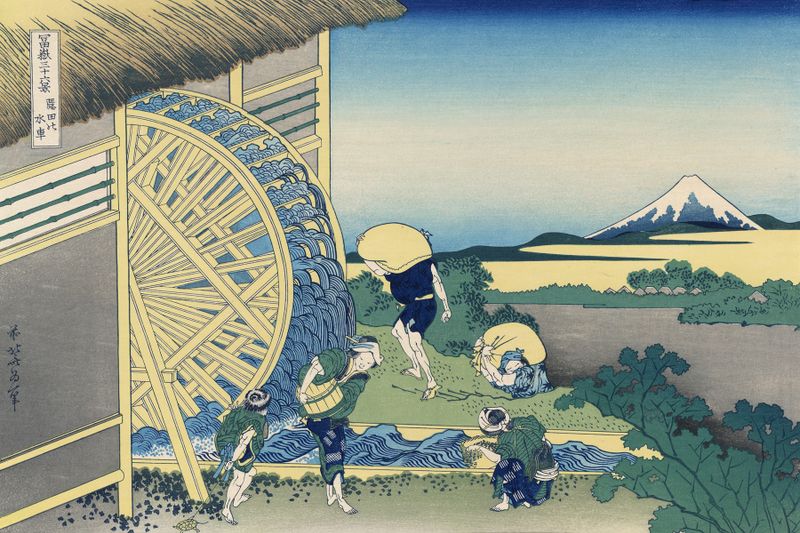
In Tōtōmi sanchū, Hokusai crafts a delicate illusion that beckons us into a world where nature’s splendor intertwines with fleeting transience, all captured within a single, mesmerizing image. Look closely at the layers of color that cascade across the canvas; the deep blues and lush greens create a harmonious backdrop. Focus on the vibrant gold that highlights the contours of the landscape, drawing your eye to the distant mountains that pulse with vitality. The intricate details of the flora offer a contrast to the vastness of the scenery, each petal and leaf crafted with meticulous care, inviting contemplation about the relationship between the vast and the minute. Yet, within this beauty lies an undercurrent of melancholy.
The mountains, though majestic, stand testament to time’s passage, suggesting an impermanence inherent in all beauty. The flickering light that dances upon the surface may symbolize hope, but it is the shadows and crevices that remind us of the sorrow that often accompanies a fleeting moment of joy. This duality of emotion — beauty juxtaposed with the inevitable decay — evokes a poignant reflection on the nature of existence itself. Hokusai painted Tōtōmi sanchū during a transformative period in Japanese art, likely in the early 19th century, when he was exploring the depths of landscape and nature within the ukiyo-e tradition.
Amidst Japan’s isolation from the West, his work began to encapsulate the essence of beauty while challenging perceptions. His innovative style during this time contributed significantly to the evolution of Japanese woodblock printing and left a lasting impact on both Eastern and Western art movements.
More Artworks by Katsushika Hokusai
Browse all →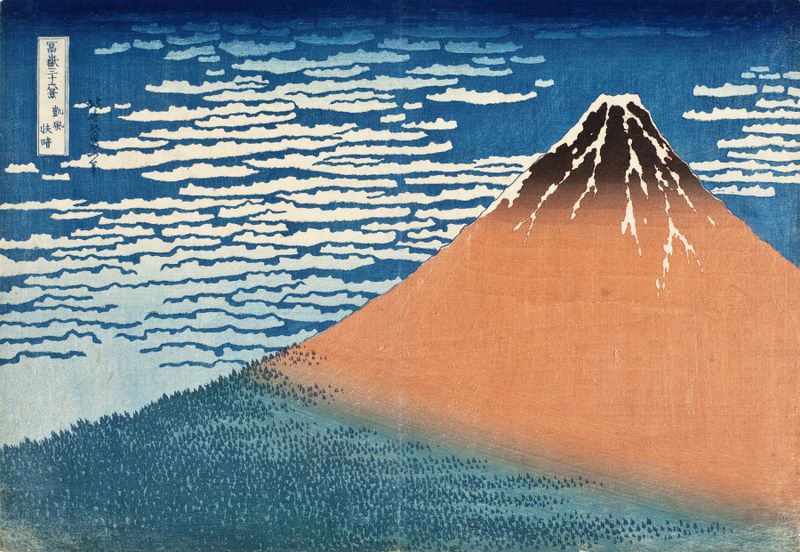
South Wind, Clear Dawn
Katsushika Hokusai

South Wind, Clear Weather
Katsushika Hokusai

Clear Weather with a Southerly Wind
Katsushika Hokusai
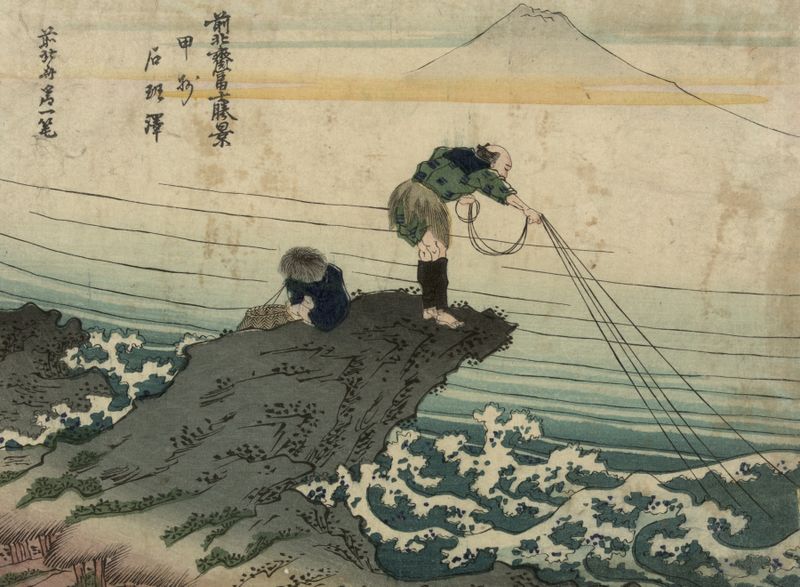
Kōshū kajikazawa
Katsushika Hokusai

Rainstorm beneath the Summit (Sanka Haku-u)
Katsushika Hokusai

Kōshū kajikazawa 2
Katsushika Hokusai
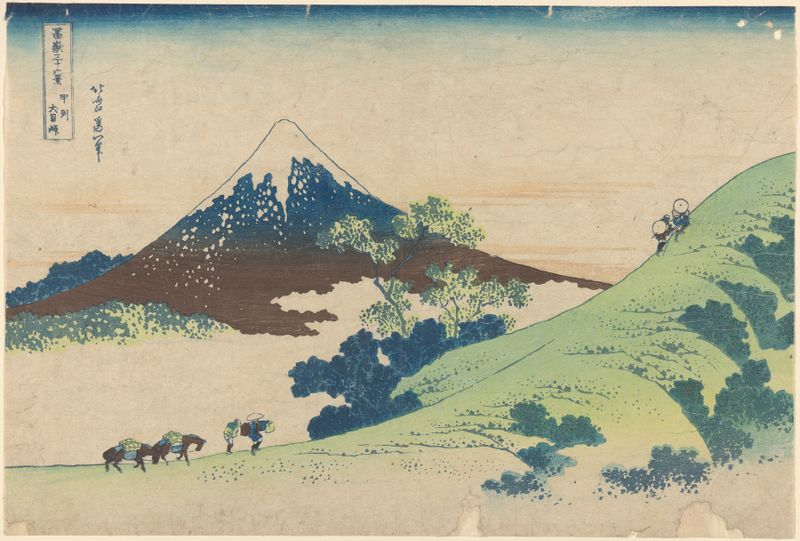
Inume Pass in Kai Province (Kôshû inume-tôge)
Katsushika Hokusai

Yoro Falls in Mino Province (Mino no Yoro no taki), from the series "A Tour of Waterfalls in Various Provinces (Shokoku taki meguri)"
Katsushika Hokusai
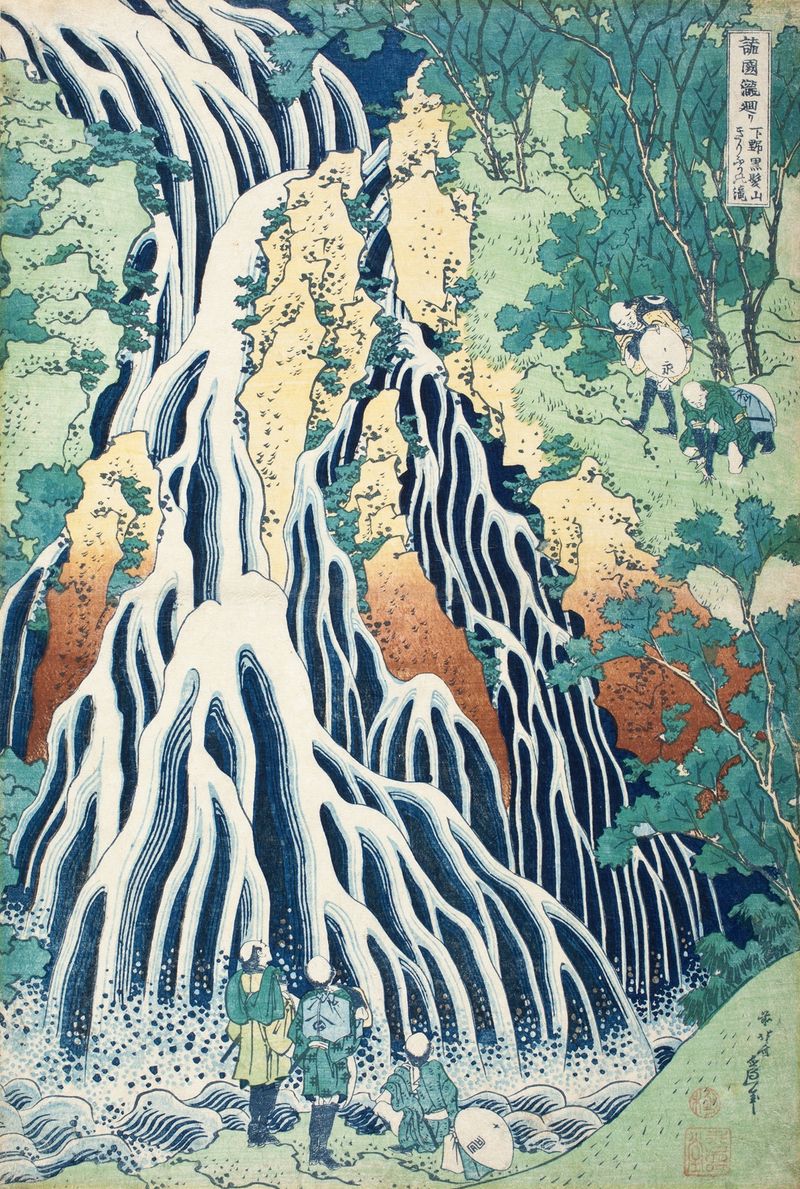
Falls of Kirifuri at Mt. Kurokami, Shimotsuke Province
Katsushika Hokusai
Onden no suisha
Katsushika Hokusai





