
Tunis — History & Facts
Could beauty survive in a century of chaos? As the world danced on the edge of modernity, Tunis captures a moment where illusion transcends reality, inviting the viewer into a vibrant world steeped in rich colors and intricate textures. Focus on the lush greens and warm terracotta tones that breathe life into the canvas. Notice how the artist's brushstrokes create a shimmering effect, as if the atmosphere itself ripples with heat and vitality. The composition draws your eye to a cluster of figures engaging in daily life, their gestures both animated and serene, in a harmonious balance that breathes presence into the scene.
The interplay of light—intense yet soft—hints at a world not fully captured, an illusion that elicits both wonder and inquiry. Delve deeper into the details: the juxtaposition of the ornate architecture against the fluidity of the human form represents a tension between permanence and transience. The figures, though grounded in their environment, seem to float, suggesting that they are both part of a physical world and ethereal representations of cultural identity. This duality serves as a reminder of the fragility of beauty, caught in the web of history and impending change. In 1909, Ciągliński painted Tunis during a period of personal exploration and artistic growth while living in Paris.
The turn of the century was marked by fascination with exotic locales, driven by a yearning for both adventure and the allure of far-off places. Amidst the rise of modernism and the shifting tides of art movements, he sought to encapsulate a moment that resonated with the viewer's senses, blending reality with the enchanting allure of imagination.
More Artworks by Jan Ciągliński
Browse all →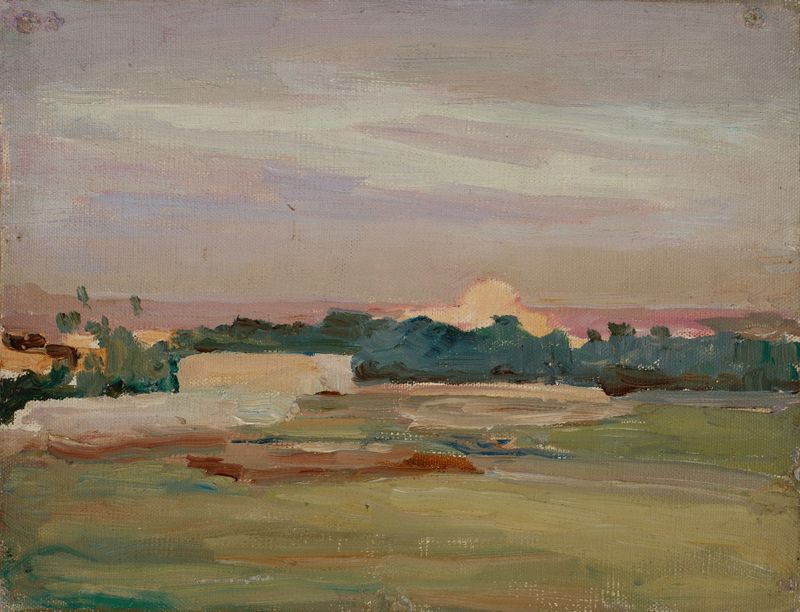
The Sirocco
Jan Ciągliński
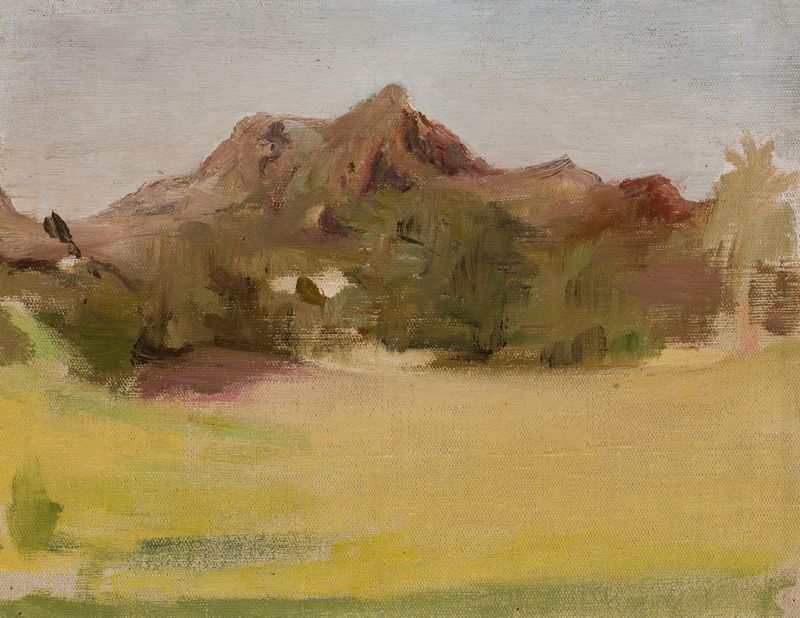
Mountain landscape. From the journey to India
Jan Ciągliński
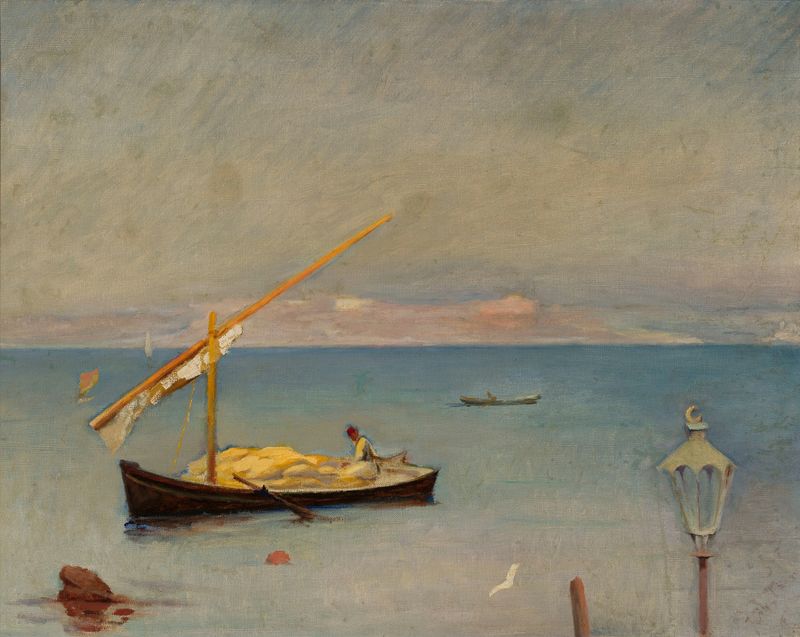
At Bosporus
Jan Ciągliński
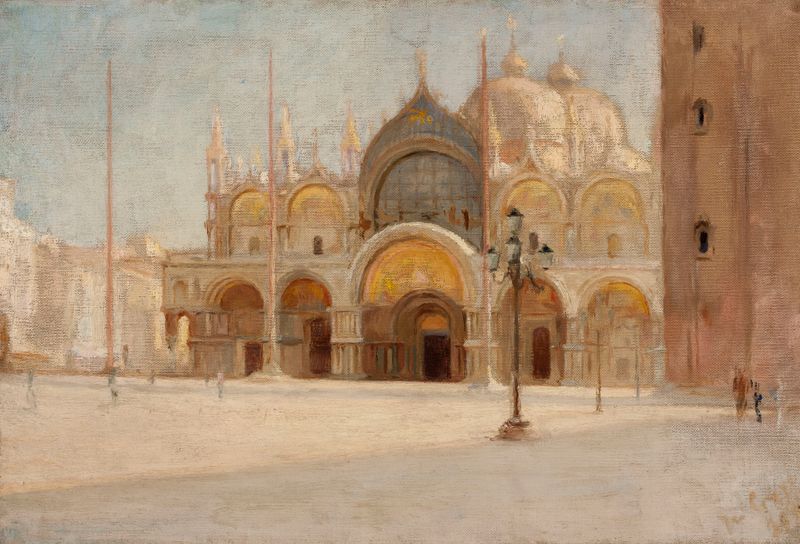
St Mark’s Square in Venice
Jan Ciągliński
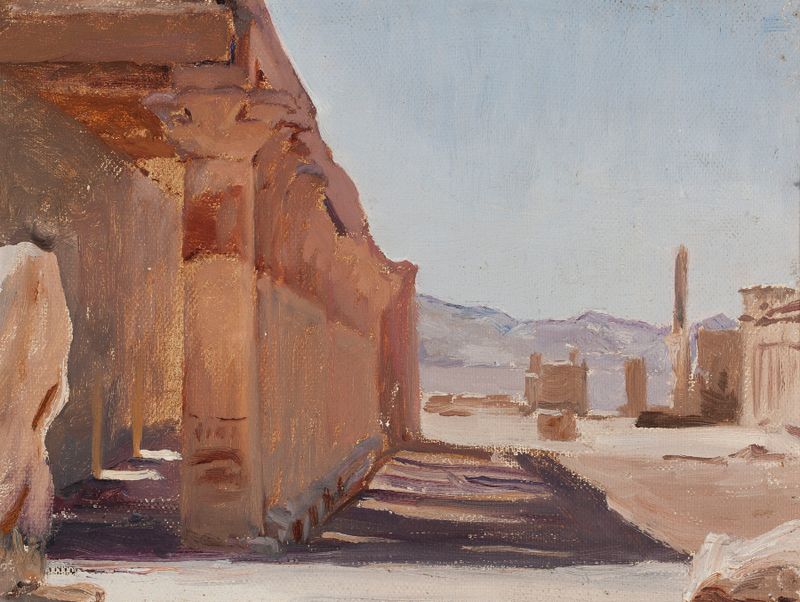
Temple. From the journey to Egypt
Jan Ciągliński
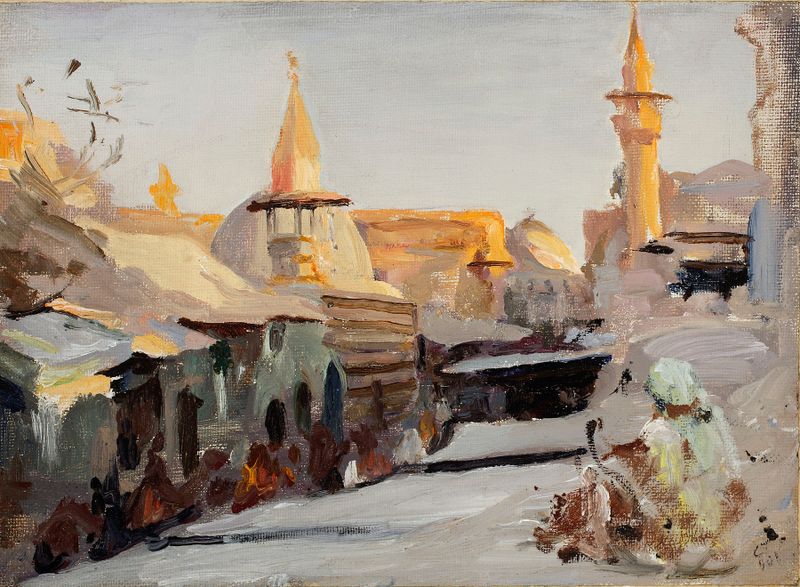
Street in Damascus. From the journey to Palestine
Jan Ciągliński
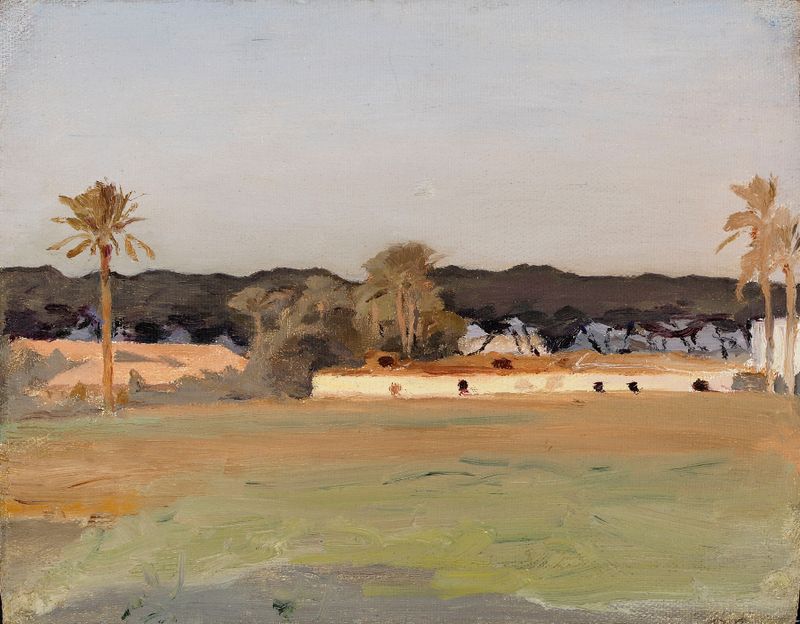
Evening. From the journey to Egypt
Jan Ciągliński
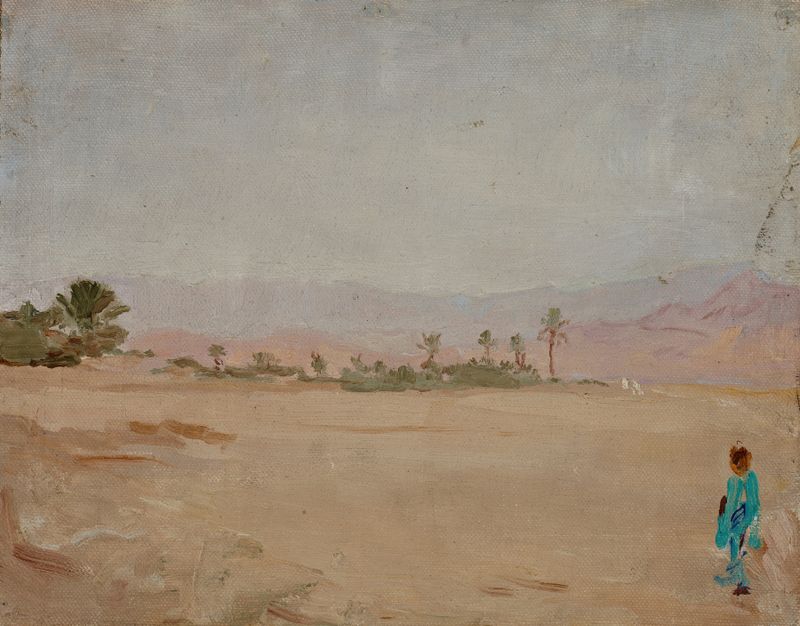
Sahara (Desert)
Jan Ciągliński
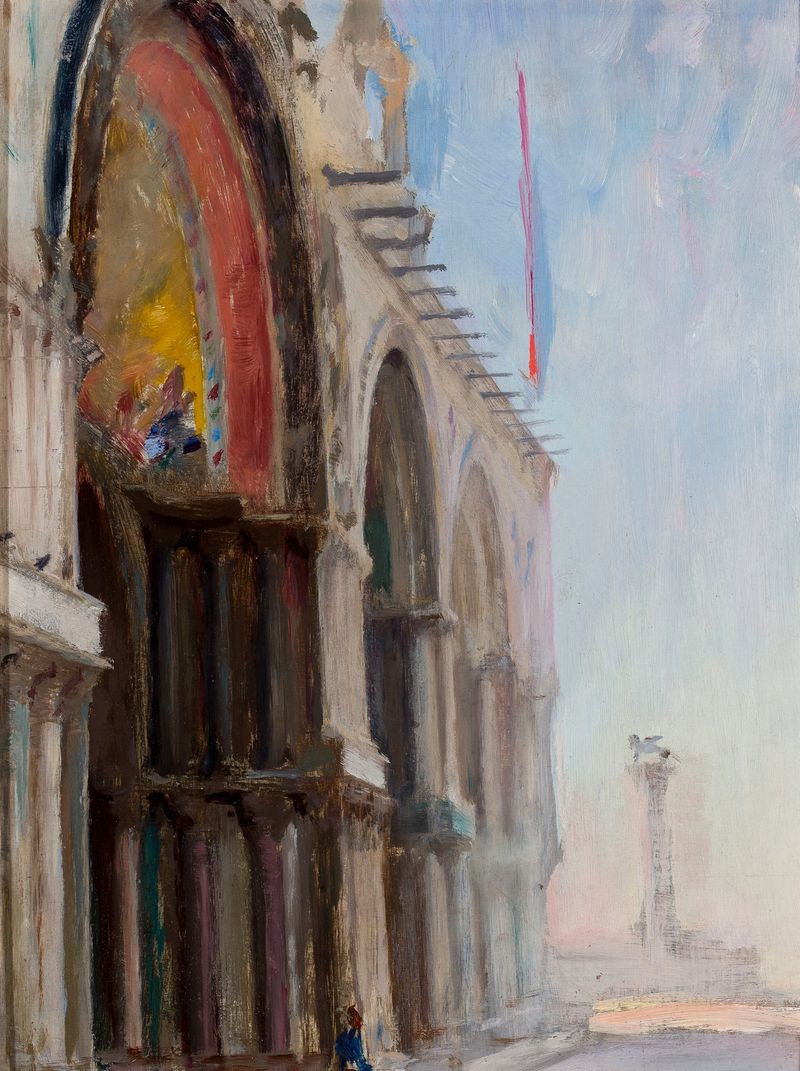
Venice – San Marco. From the journey to Italy
Jan Ciągliński
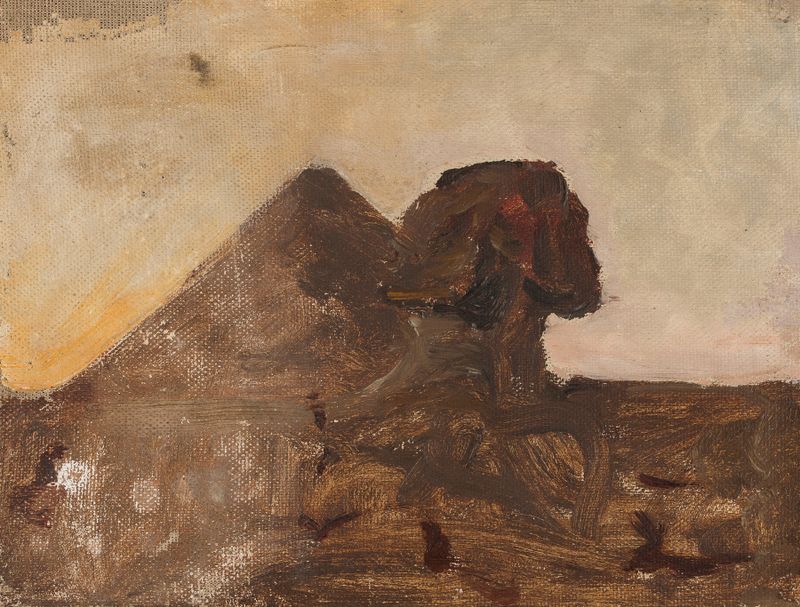
Evening in the desert – Sphinx and pyramid. From the journey to Egypt
Jan Ciągliński





