
Tunis — History & Facts
Is this a mirror — or a memory? In the realm of Jan Ciągliński's Tunis, beauty transcends the surface, inviting us to ponder the essence of perception and nostalgia. Look closely at the vibrancy of the colors; the sunlit ochres and deep blues pull you into the heart of the North African landscape. Notice how the gentle curves of the hills soften the sharpness of the architecture, creating harmony between the natural and the man-made. The delicate brushwork reveals a tactile quality, as if you could reach out and feel the warmth of the sun-drenched walls or the cool shade beneath the palm trees. The juxtaposition of light and shadow evokes an emotional resonance, suggesting the fleeting nature of beauty and memory.
Hidden within are echoes of longing and introspection, as the bright colors speak to vibrancy yet hint at the inevitable passage of time. The scene is alive with the whispers of a world that once was, where the viewer is left to contemplate the juxtaposition of reality and dream. In 1911, Ciągliński was deeply entrenched in the artistic currents of the early 20th century, seeking to capture the essence of his travels through vivid landscapes. Residing in Paris, he was influenced by both Impressionism and the emerging modernist movements.
This period was marked by a burgeoning interest in capturing the beauty of foreign lands, and Tunis stands as a testament to that exploration, combining personal narrative with a broader artistic dialogue.
More Artworks by Jan Ciągliński
Browse all →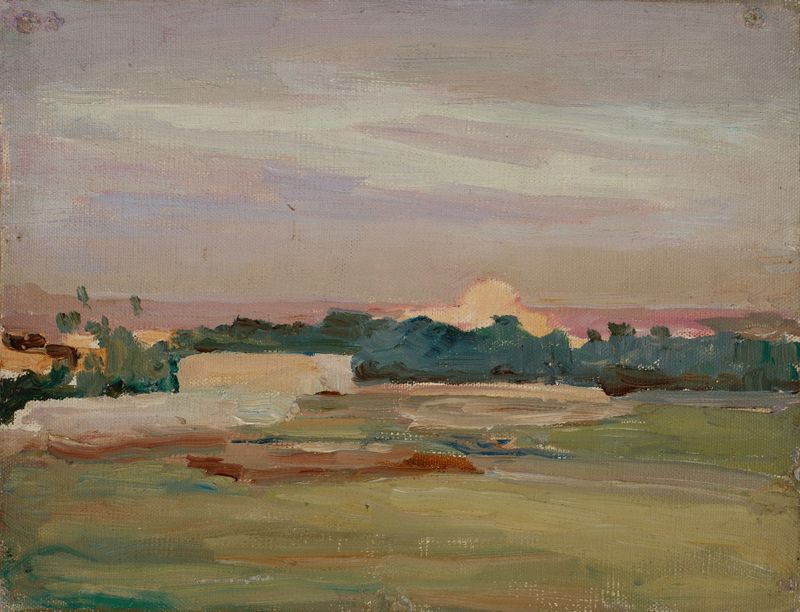
The Sirocco
Jan Ciągliński
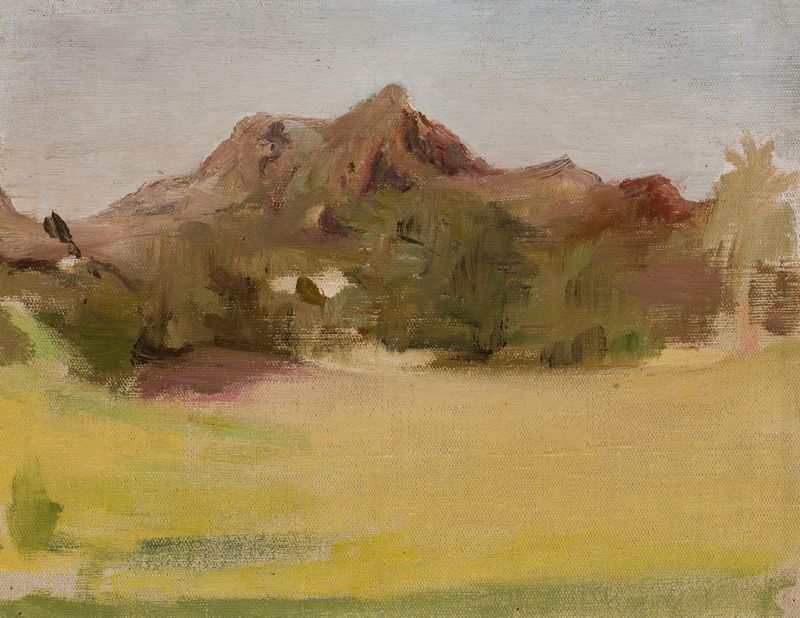
Mountain landscape. From the journey to India
Jan Ciągliński
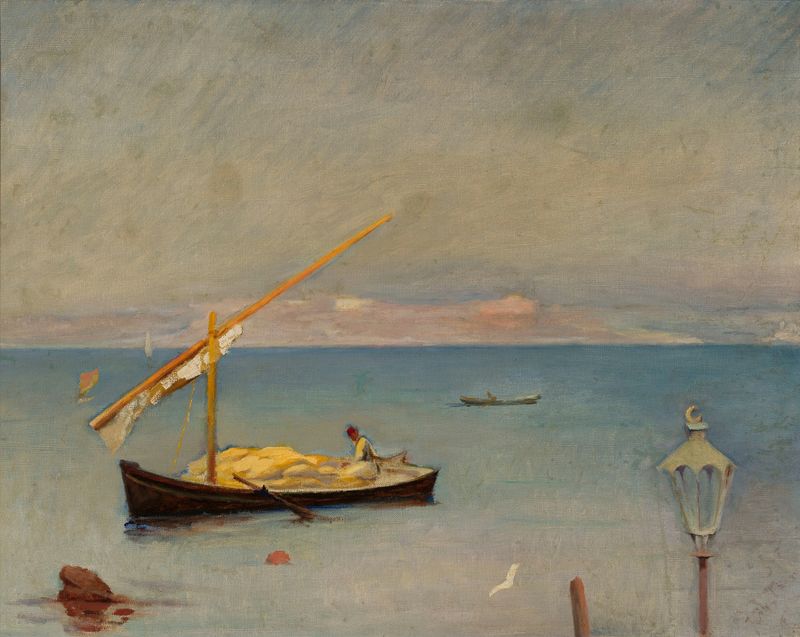
At Bosporus
Jan Ciągliński
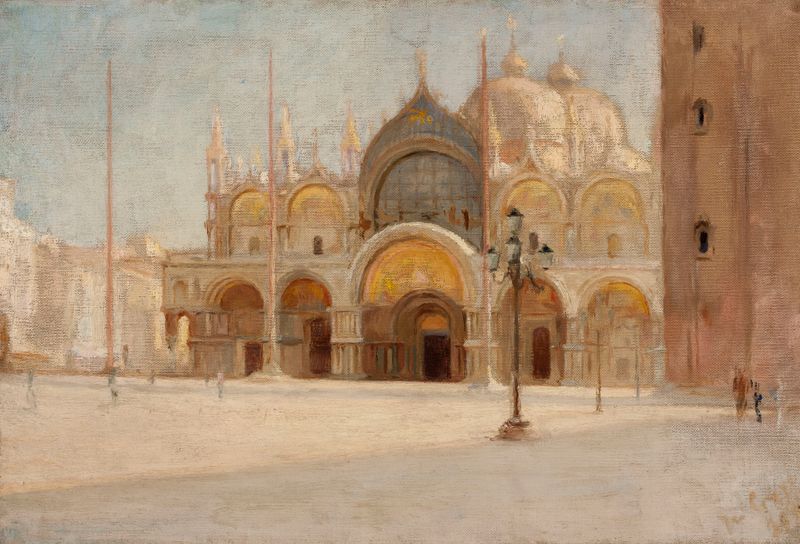
St Mark’s Square in Venice
Jan Ciągliński
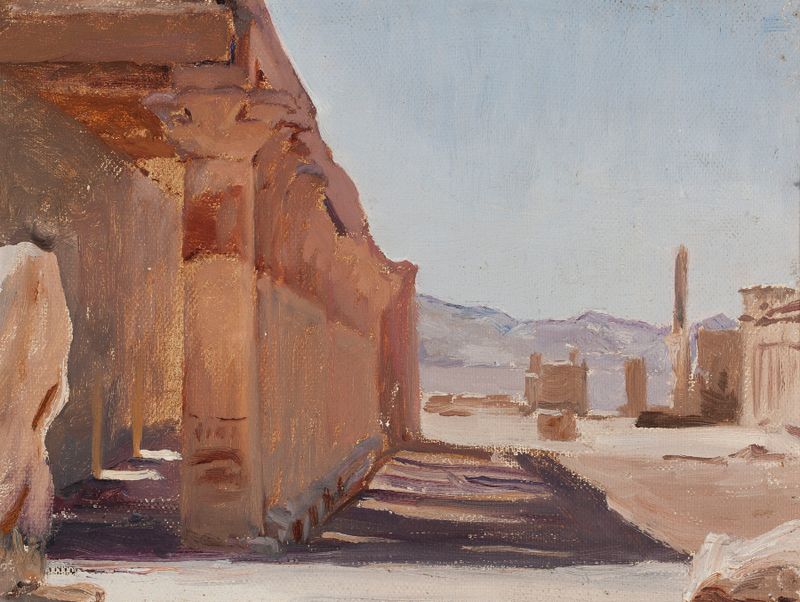
Temple. From the journey to Egypt
Jan Ciągliński
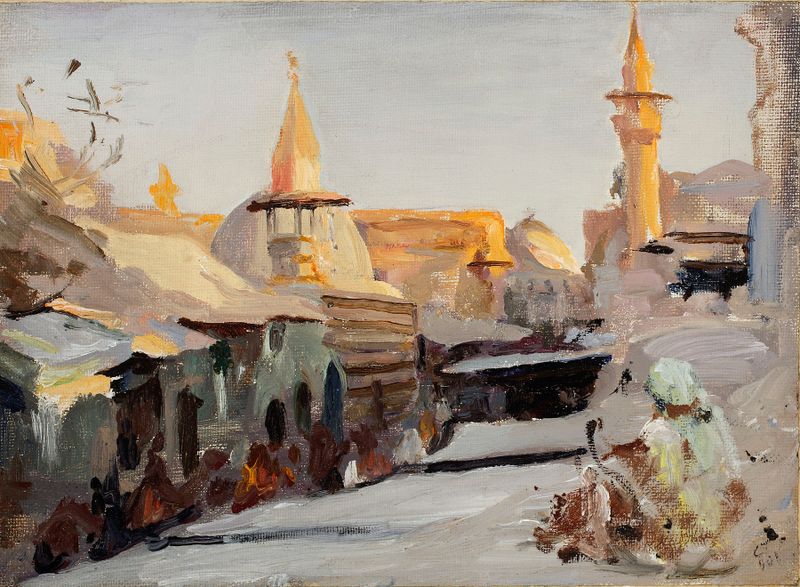
Street in Damascus. From the journey to Palestine
Jan Ciągliński
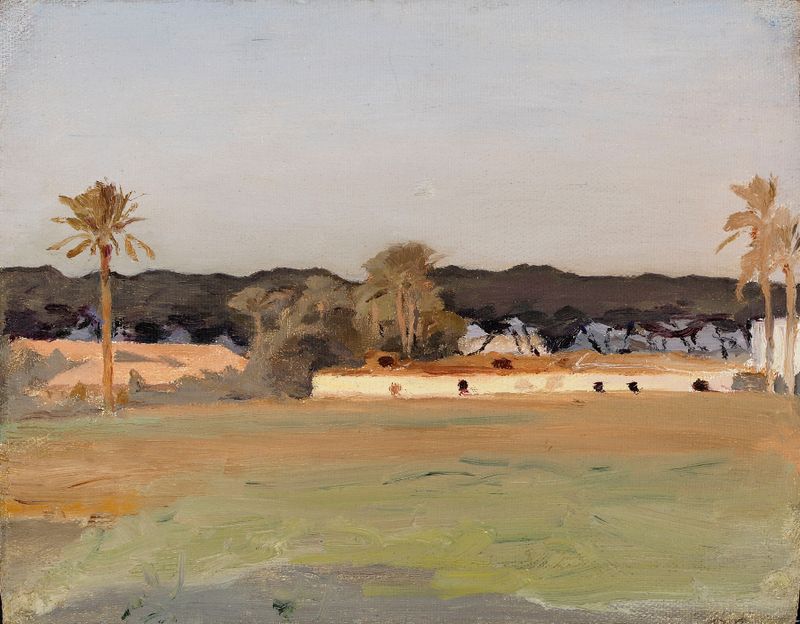
Evening. From the journey to Egypt
Jan Ciągliński
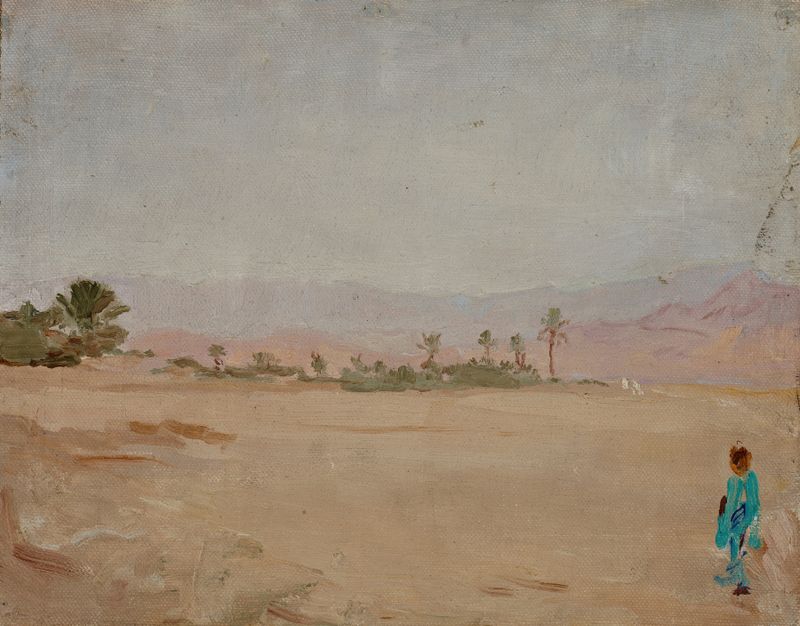
Sahara (Desert)
Jan Ciągliński
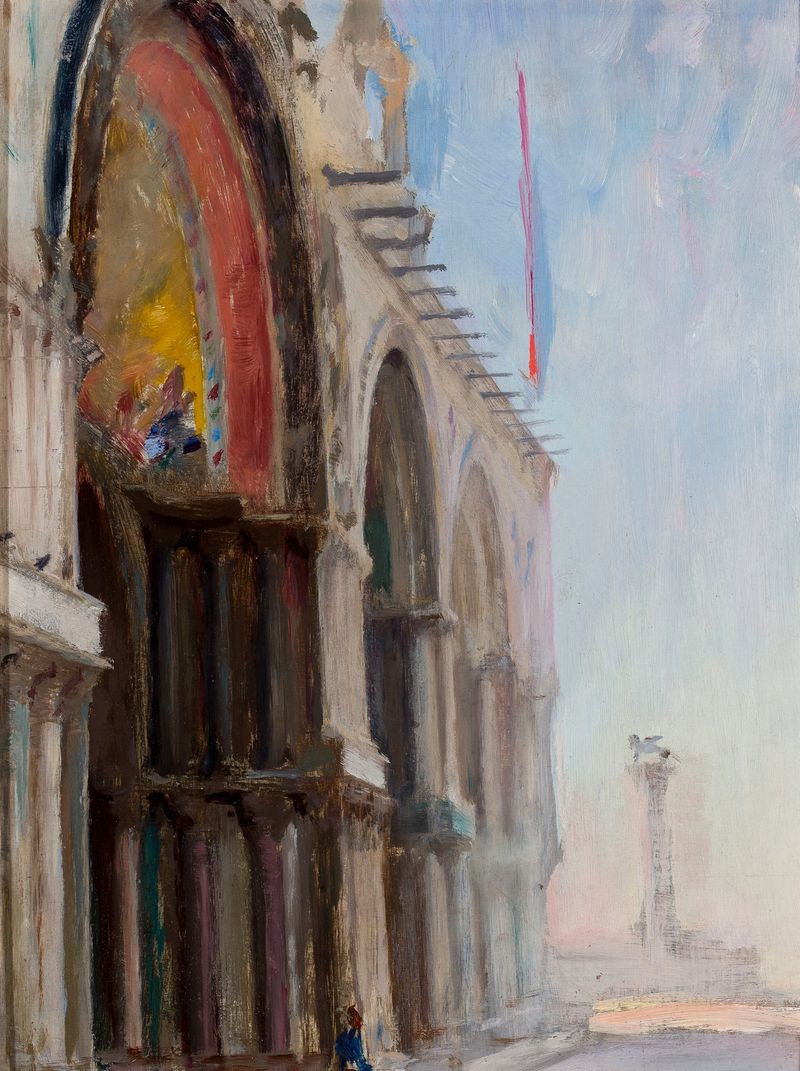
Venice – San Marco. From the journey to Italy
Jan Ciągliński
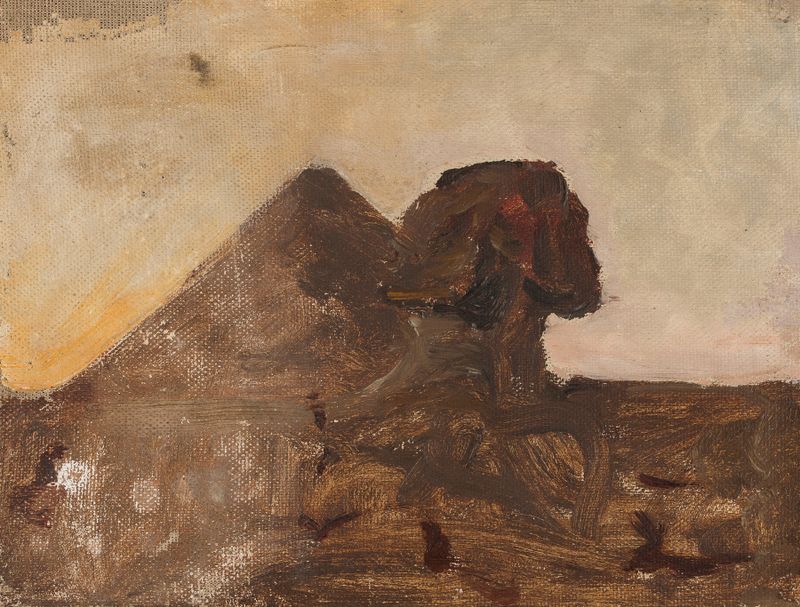
Evening in the desert – Sphinx and pyramid. From the journey to Egypt
Jan Ciągliński





