
Turkestan – mosque fence. From the journey to Turkestan — History & Facts
Who listens when art speaks of silence? In this evocative piece, grief lingers in the air, shrouding the mosque fence in a haunting stillness that invites reflection. Look to the left of the canvas, where intricate patterns on the fence emerge from shadow, accentuated by the soft play of light. The delicate carvings seem to breathe, each swirl and flourish whispering stories of ages past. Notice how hues of ochre and beige blend seamlessly, echoing the earth’s own warmth, while hints of blue in the background suggest an infinite sky, expanding the intimate scene into the vastness of memory. The juxtaposition of the ornate fence against the stark emptiness of the surroundings evokes a poignant sense of loss.
Each detail speaks to both the beauty of what was and the melancholy of what remains absent. The interplay of light and shadow hints at the duality of presence and absence, emphasizing the weight of nostalgia felt in the stillness of the moment. In 1912, Jan Ciągliński painted this work during a period of exploration and cultural fascination, capturing elements of Eastern architecture while reflecting his journeys through Turkestan. At the time, the artist was deeply engaged in depicting landscapes and architecture that resonated with both personal and collective histories, bridging the past and the present through his unique perspective.
More Artworks by Jan Ciągliński
Browse all →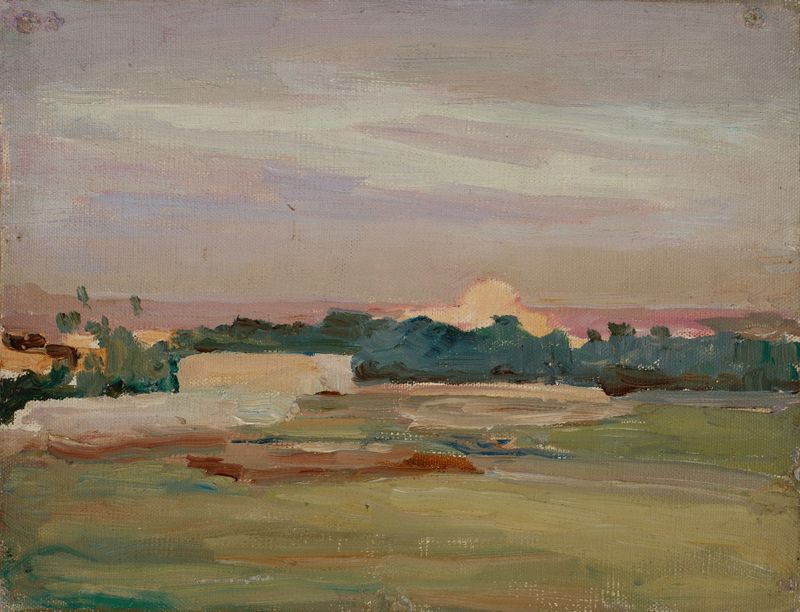
The Sirocco
Jan Ciągliński
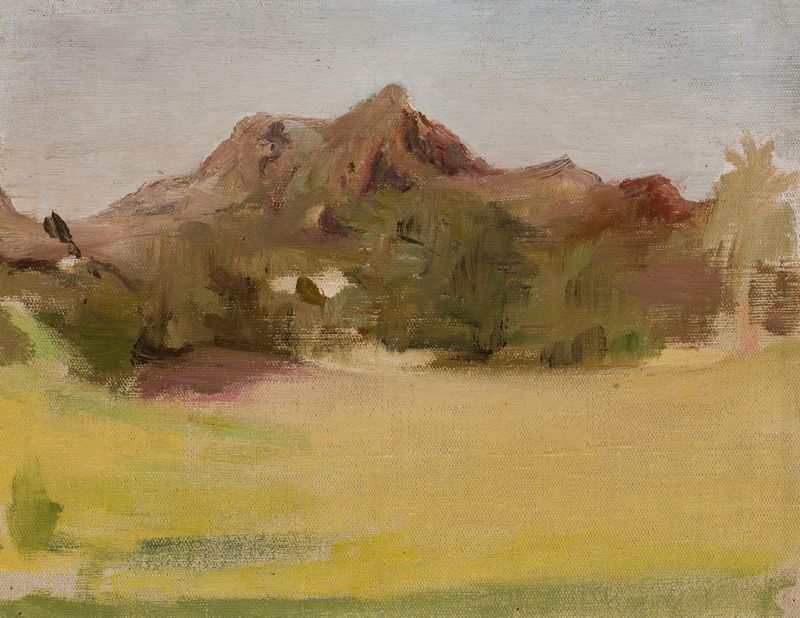
Mountain landscape. From the journey to India
Jan Ciągliński
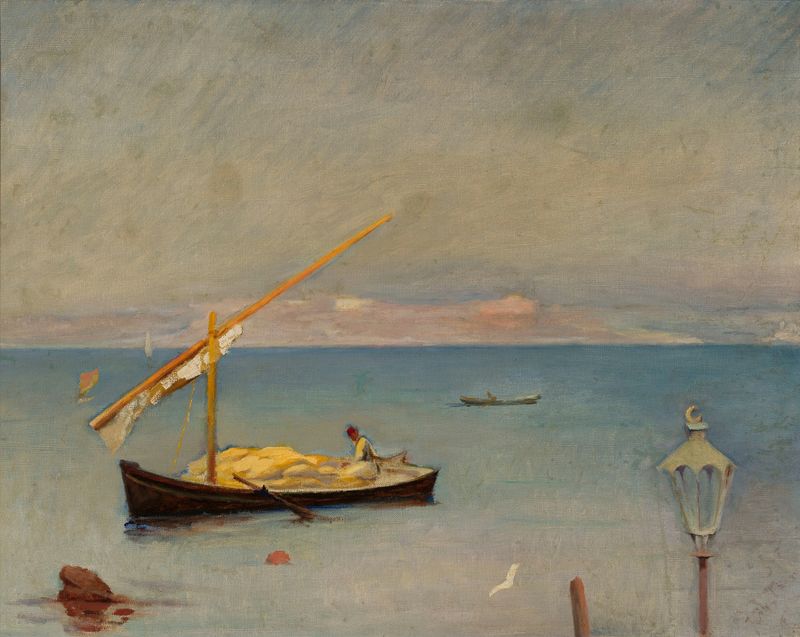
At Bosporus
Jan Ciągliński
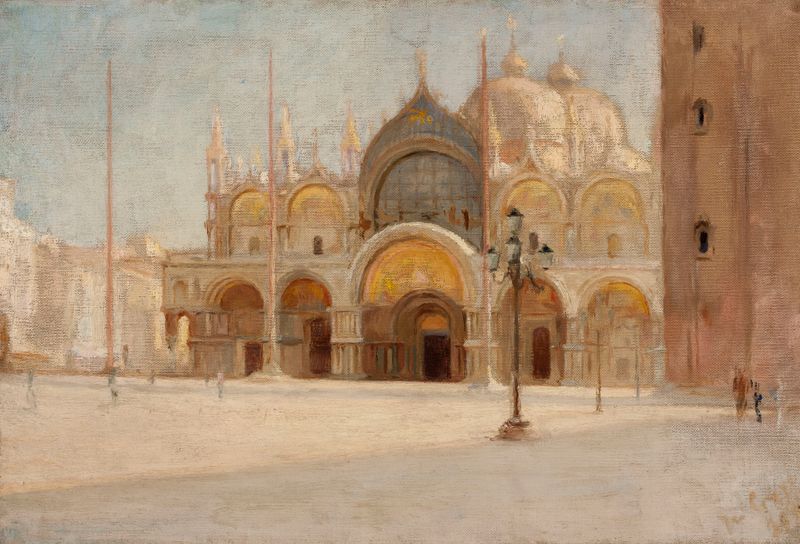
St Mark’s Square in Venice
Jan Ciągliński
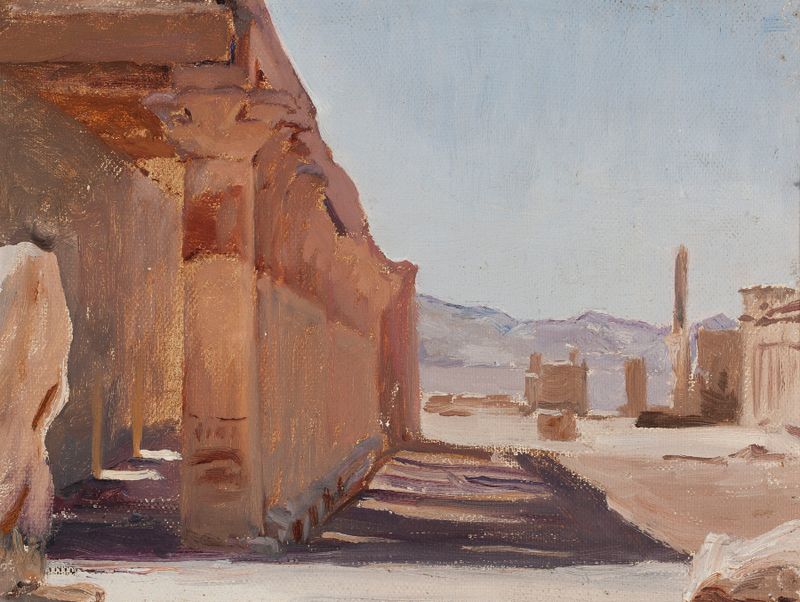
Temple. From the journey to Egypt
Jan Ciągliński
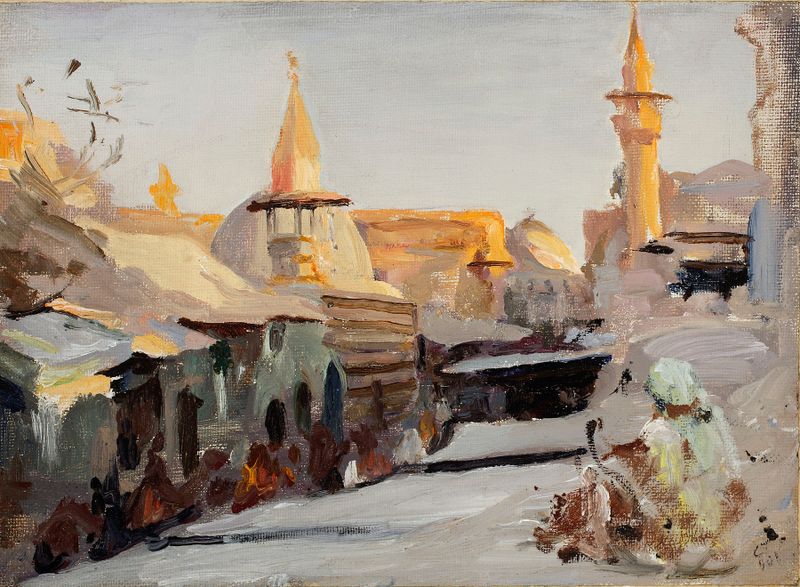
Street in Damascus. From the journey to Palestine
Jan Ciągliński
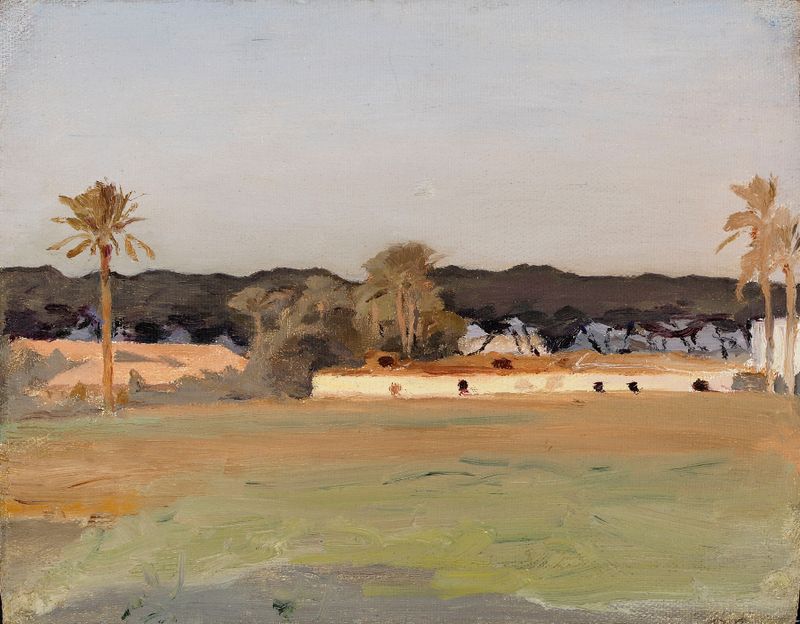
Evening. From the journey to Egypt
Jan Ciągliński
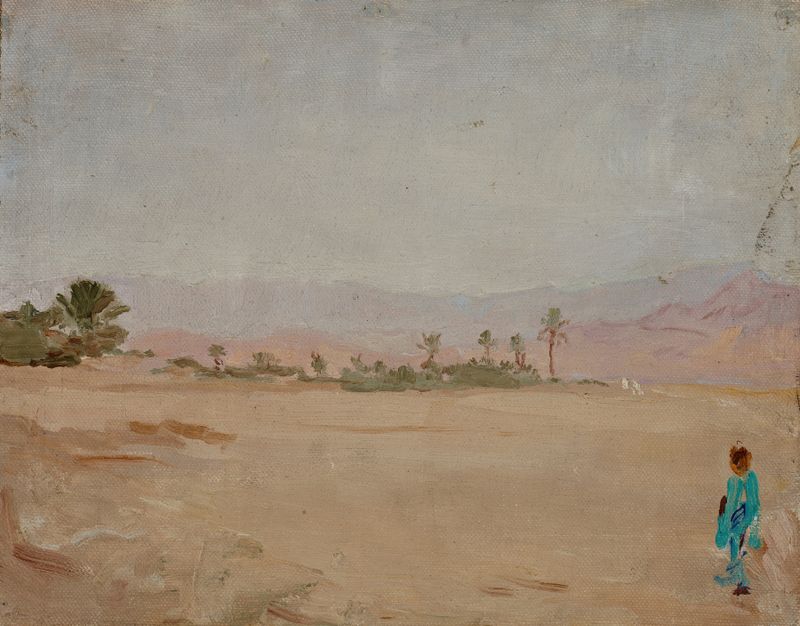
Sahara (Desert)
Jan Ciągliński
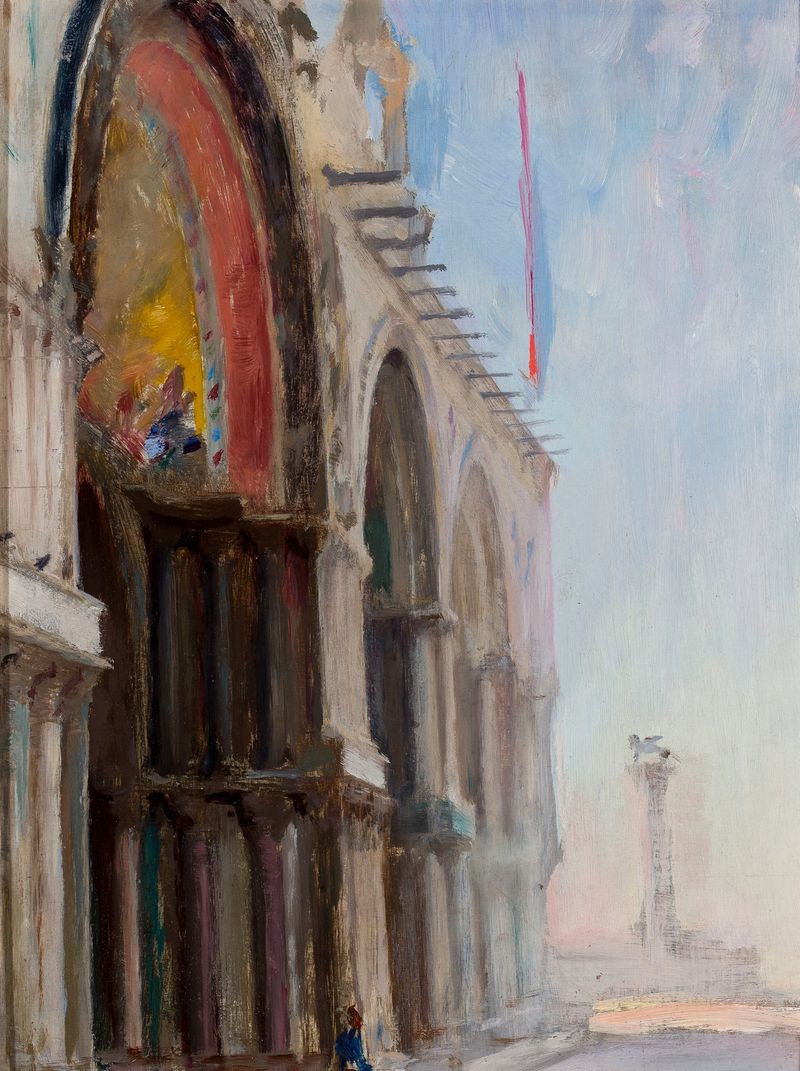
Venice – San Marco. From the journey to Italy
Jan Ciągliński
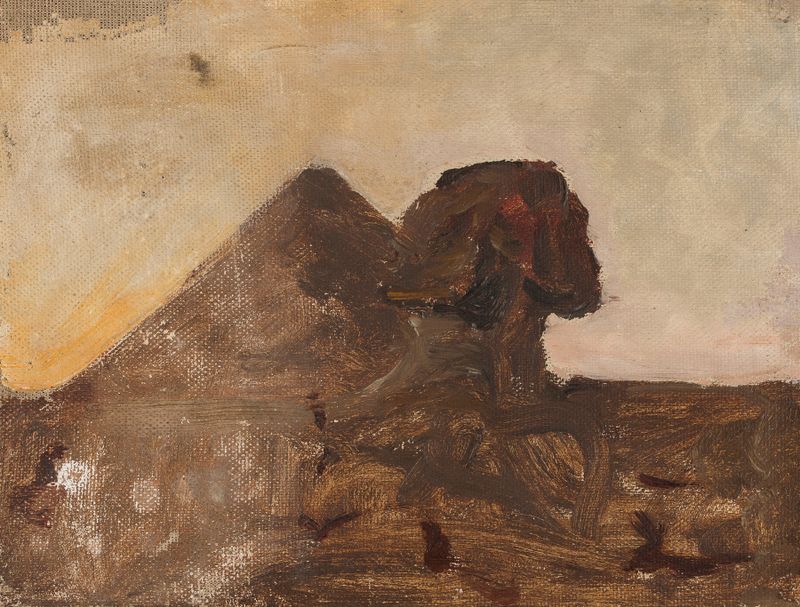
Evening in the desert – Sphinx and pyramid. From the journey to Egypt
Jan Ciągliński
More Architecture Art
Browse all →
The statue of Liberty
Frédéric Auguste Bartholdi

View of Houses in Delft, Known as ‘The Little Street’
Johannes Vermeer

View of Houses in Delft, Known as ‘The Little Street’
Johannes Vermeer

The Cathedral in Rouen. The portal, Grey Weather
Claude Monet

The yellow house
Vincent van Gogh

The Church in Auvers-sur-Oise, View from the Chevet
Vincent van Gogh