
Turm von St. Anna — History & Facts
Could a single brushstroke hold eternity? In Turm von St. Anna, the vast expanse of emptiness engages the viewer, inviting reflections on isolation and presence within desolate beauty. Look to the center of the canvas, where the tower rises against a muted sky, its structure both imposing and fragile. Notice how the delicate strokes create a sense of texture that mirrors the weathered stones, with muted grays and soft browns coalescing into shadows that dance along the façade.
The juxtaposition of the tower's solidity against the ethereal background amplifies an air of stillness that hangs like a whispered secret. Digging deeper, one can sense the emotional weight carried in the silence that envelops the scene. The tower stands as a solitary sentinel, evoking feelings of nostalgia and abandonment, while the sparse landscape surrounding it highlights a profound sense of longing. The contrast between the architectural strength and the delicate interplay of light and shadow encapsulates a poignant tension between permanence and transience, making the viewer ponder the stories left untold. Painted in 1914, *Turm von St.
Anna* emerged during a turbulent period in Charlemont’s life, as Europe braced for the upheaval of World War I. Living in Vienna, a hub of artistic innovation, he was influenced by the changing sentiments around him. This painting reflects not only his personal introspection but also the broader existential questions that permeated the world of art at that time, capturing the essence of a moment on the brink of chaos.
More Artworks by Hugo Charlemont
Browse all →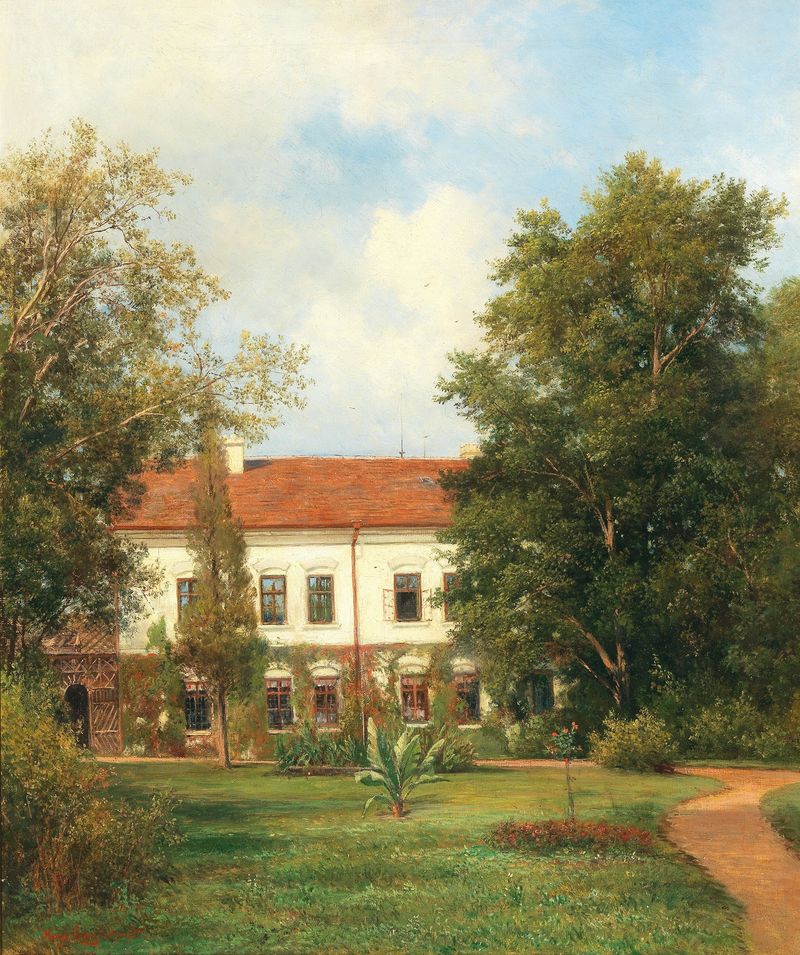
View of a Castle in Bohemia
Hugo Charlemont
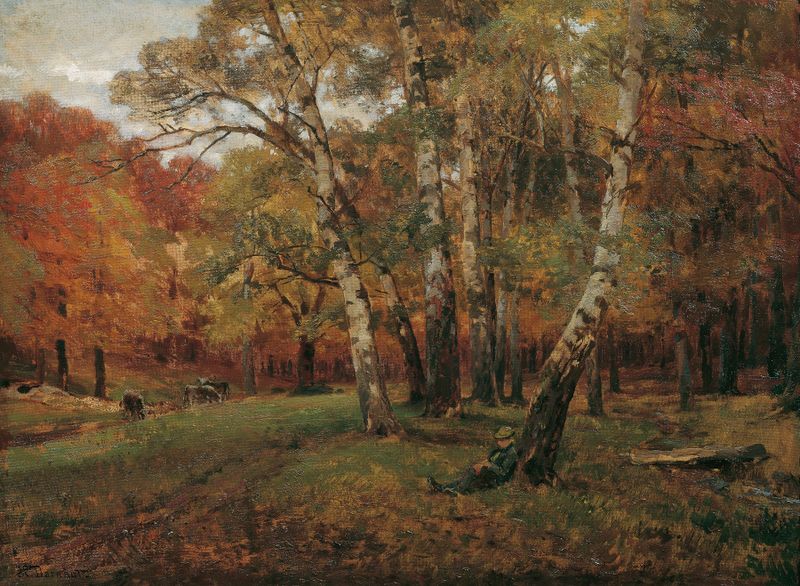
Die Ruine Starhemberg im Piestingtal
Hugo Charlemont
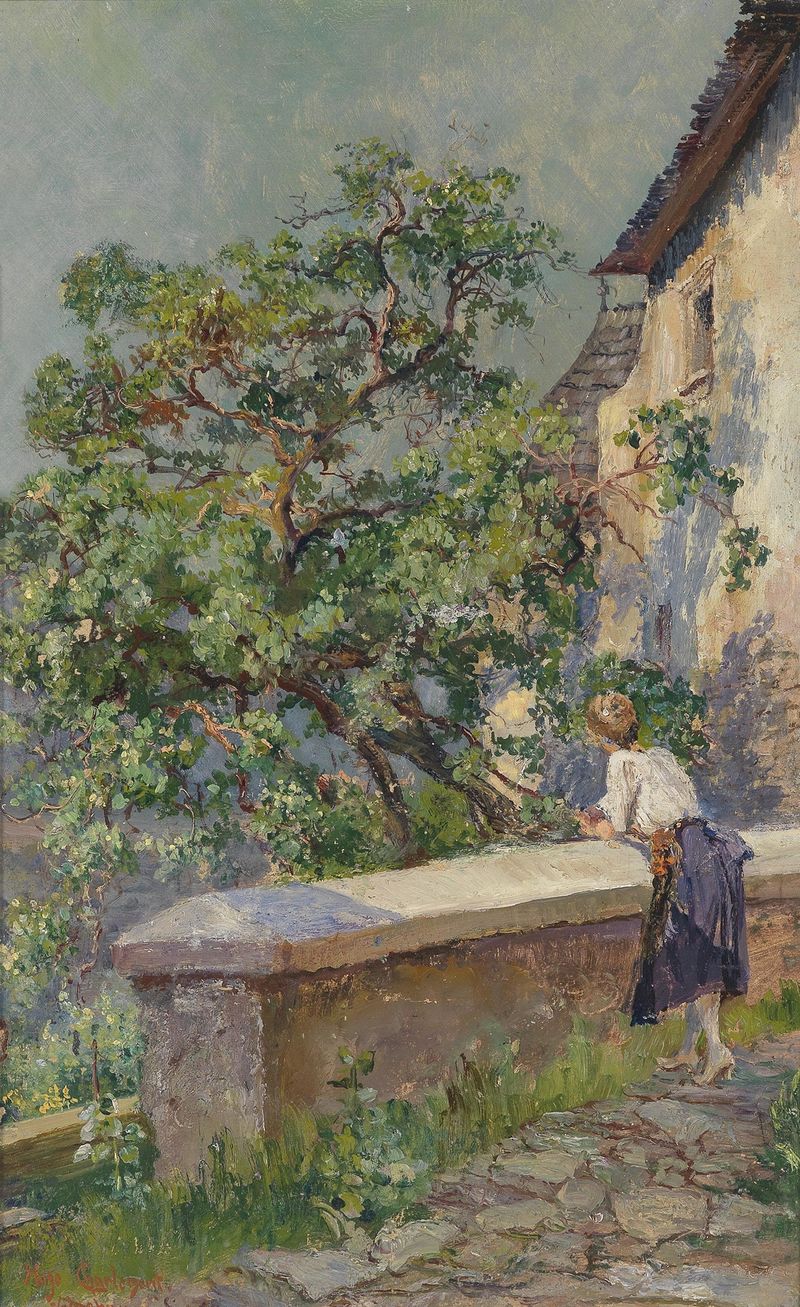
Aus der Wachau
Hugo Charlemont
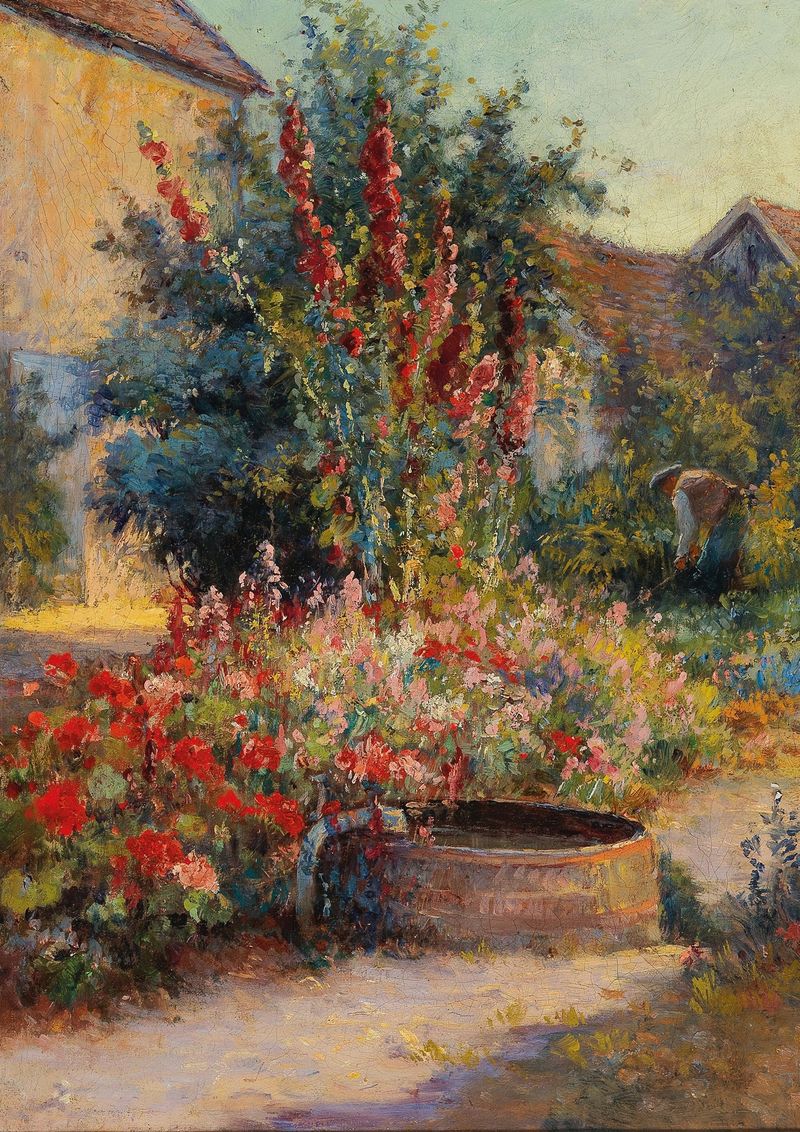
Garten in Brioni
Hugo Charlemont
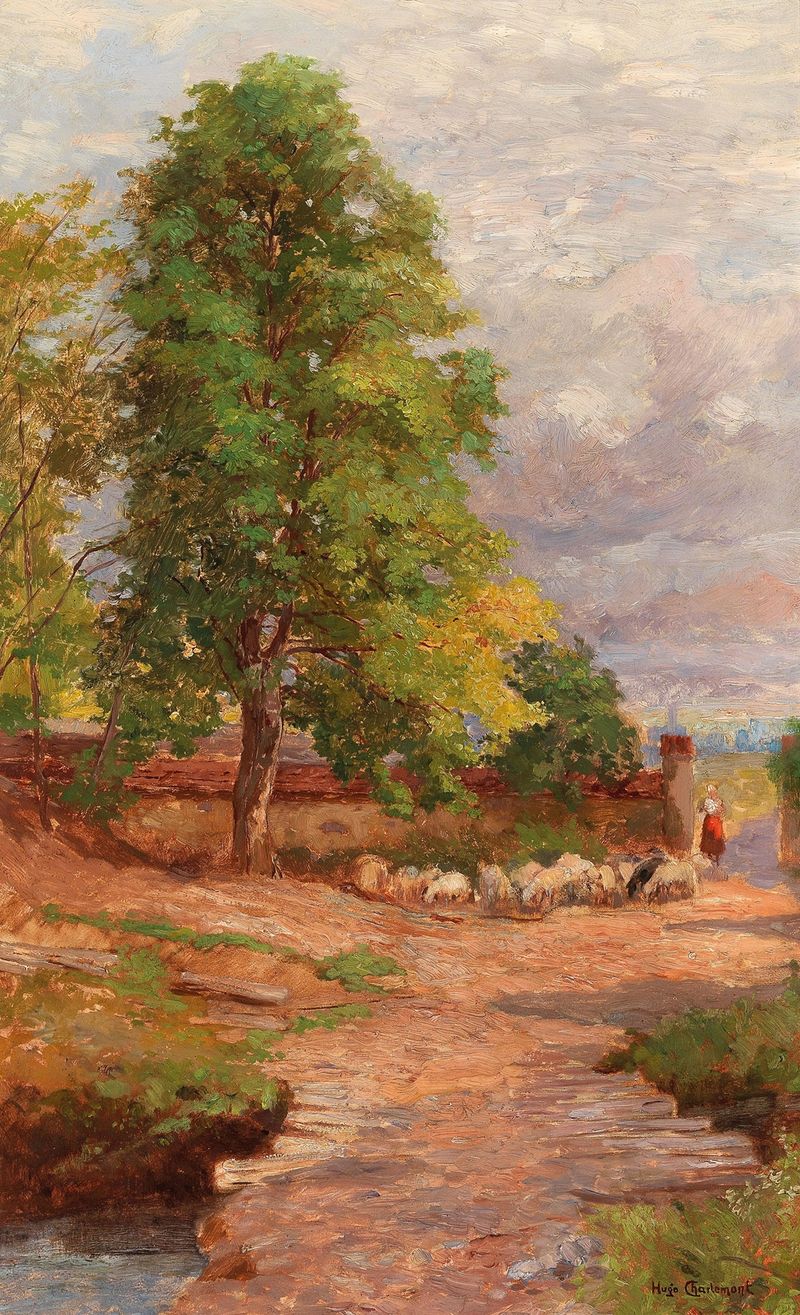
Old Chestnut Tree
Hugo Charlemont
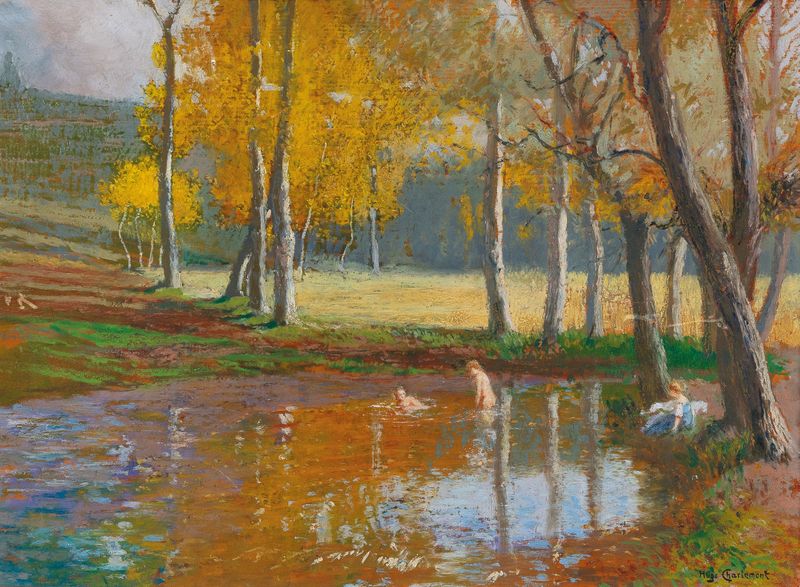
Bathers In A Woodland Pond
Hugo Charlemont
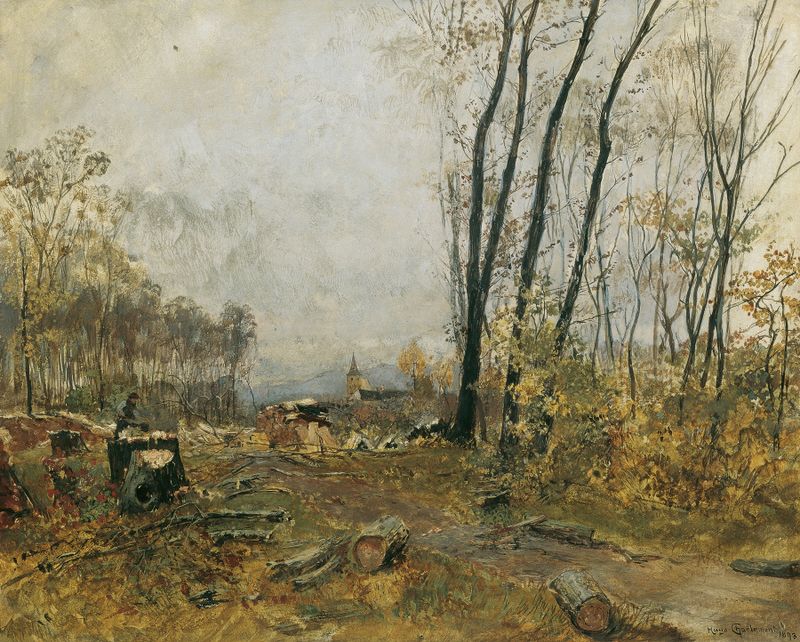
Au bei Klosterneuburg
Hugo Charlemont
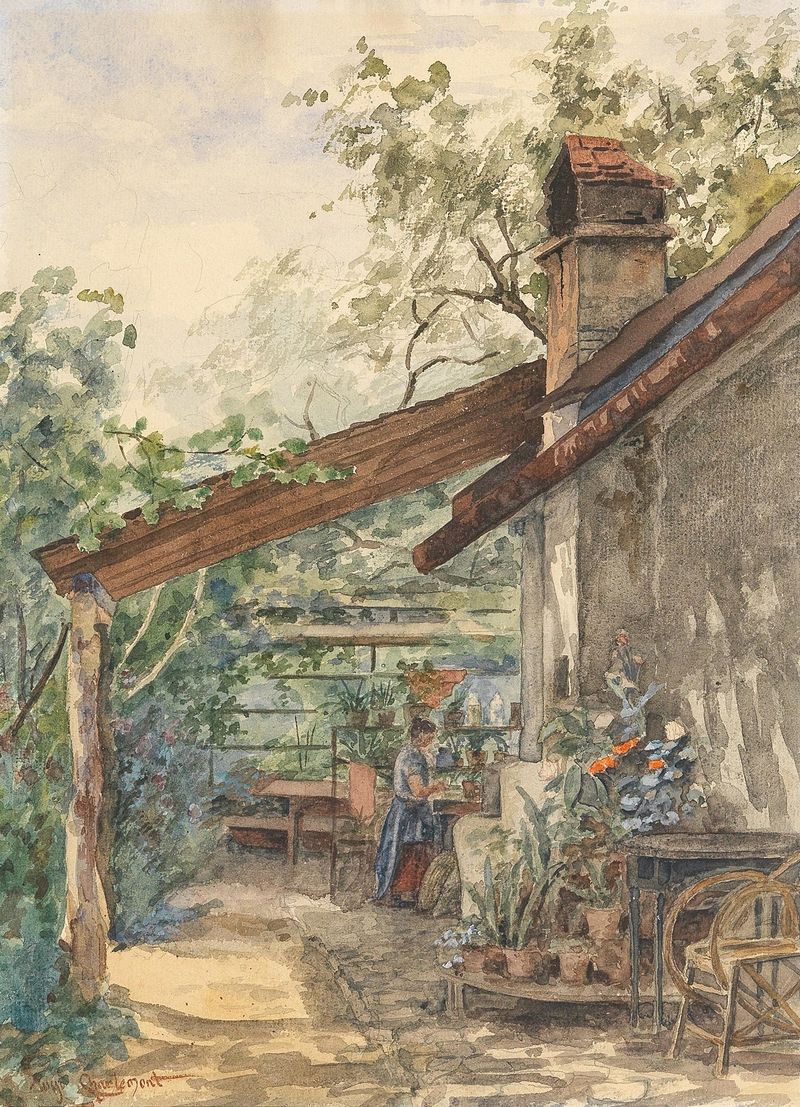
Pflanzendepot
Hugo Charlemont
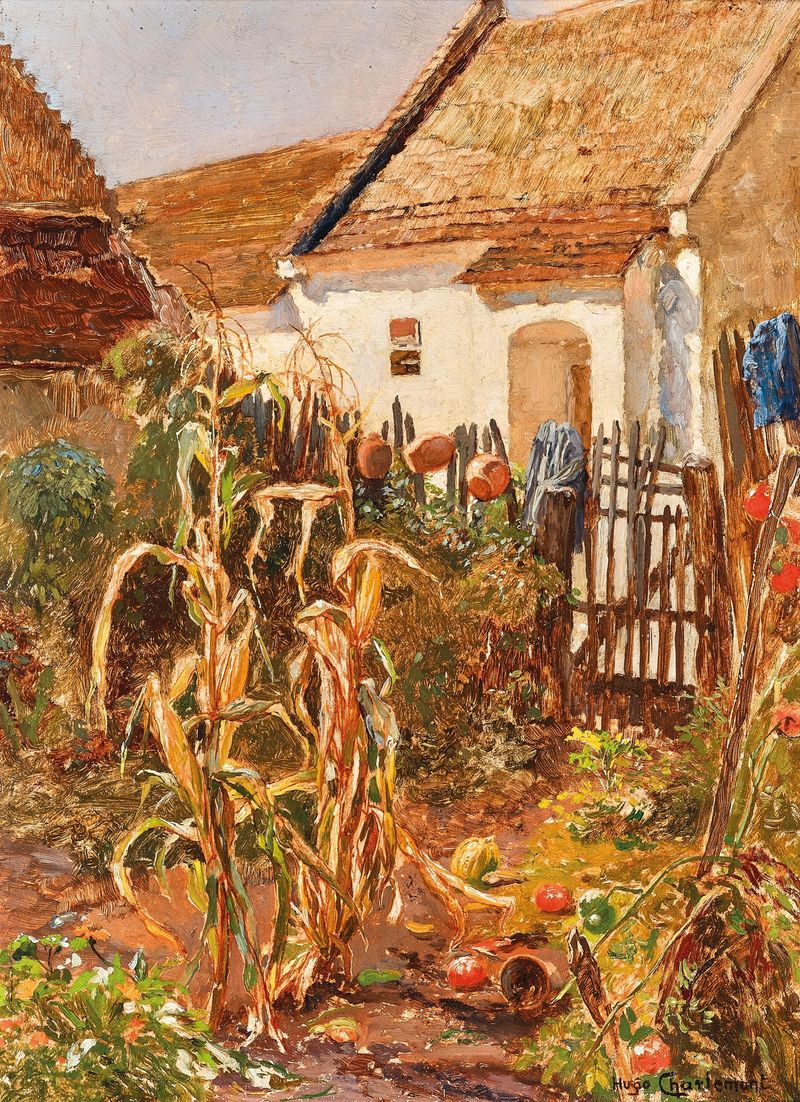
A rustic garden in the Wachau region
Hugo Charlemont
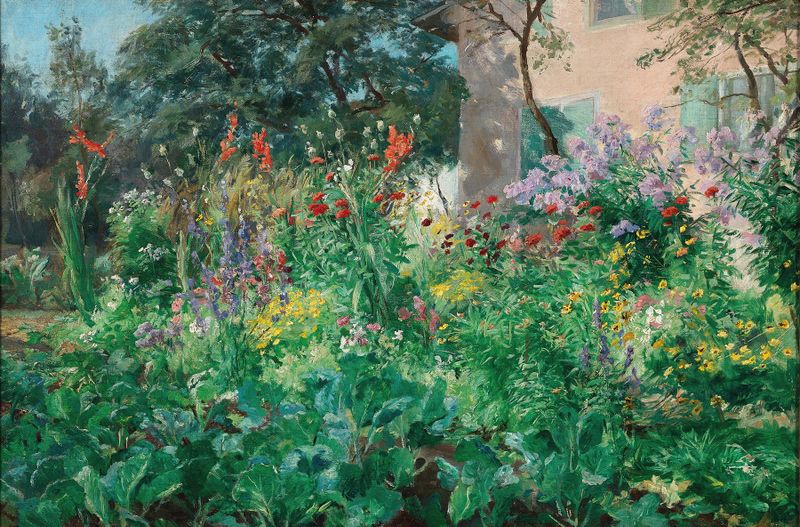
Bauerngarten
Hugo Charlemont
More Architecture Art
Browse all →
The statue of Liberty
Frédéric Auguste Bartholdi

View of Houses in Delft, Known as ‘The Little Street’
Johannes Vermeer

View of Houses in Delft, Known as ‘The Little Street’
Johannes Vermeer

The Cathedral in Rouen. The portal, Grey Weather
Claude Monet

The yellow house
Vincent van Gogh

The Church in Auvers-sur-Oise, View from the Chevet
Vincent van Gogh