
Twee mannen die in een tuin een man dragen — History & Facts
In Lodewijk Schelfhout’s work, the illusion of life and death intertwines, inviting the viewer to witness a poignant moment suspended in time. This piece challenges our perception, drawing us into a narrative that blurs the line between reality and the surreal. Begin your exploration by looking at the center where two figures, taut with effort, carry a third man through a lush garden. The vibrant greens and earthy browns of the foliage pulsate with life, contrasting starkly against the pallid figure they bear.
Notice how the light filters through the leaves, casting an ethereal glow that envelops the scene, emphasizing the weight of the act and the tension it creates. The composition is robust yet fragile, as the men’s strained expressions reveal not just physical exertion, but a deeper moral and emotional burden. Delve into the details: the contrasting postures of the carriers, one stoic and the other weary, suggest a clash between duty and sacrifice. The garden, often a symbol of tranquility, becomes paradoxical, hosting an unsettling scene that evokes questions of mortality and care.
Each brushstroke lays bare the emotional gravity, revealing an illusion of purpose amidst chaos—what lies beyond this moment? It invites us to reflect on the unseen stories of those who exist in the periphery. In 1923, as Europe emerged from the shadows of war, Schelfhout painted this work in a climate that yearned for healing and renewal. Living in the Netherlands during a time of profound change, he was deeply influenced by the emotional landscapes of his surroundings. This piece encapsulates a transitional period in art, merging traditional techniques with contemporary concerns, resonating with a world grappling with both hope and despair.
More Artworks by Lodewijk Schelfhout
Browse all →
Hollands landschap met boerderij en weiland
Lodewijk Schelfhout
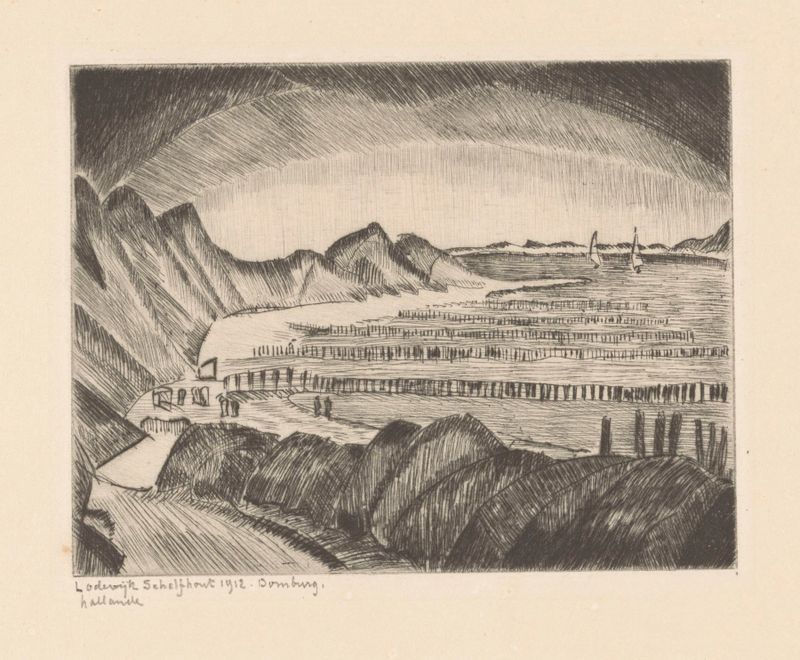
Strand van Domburg Plage de Dombourg
Lodewijk Schelfhout
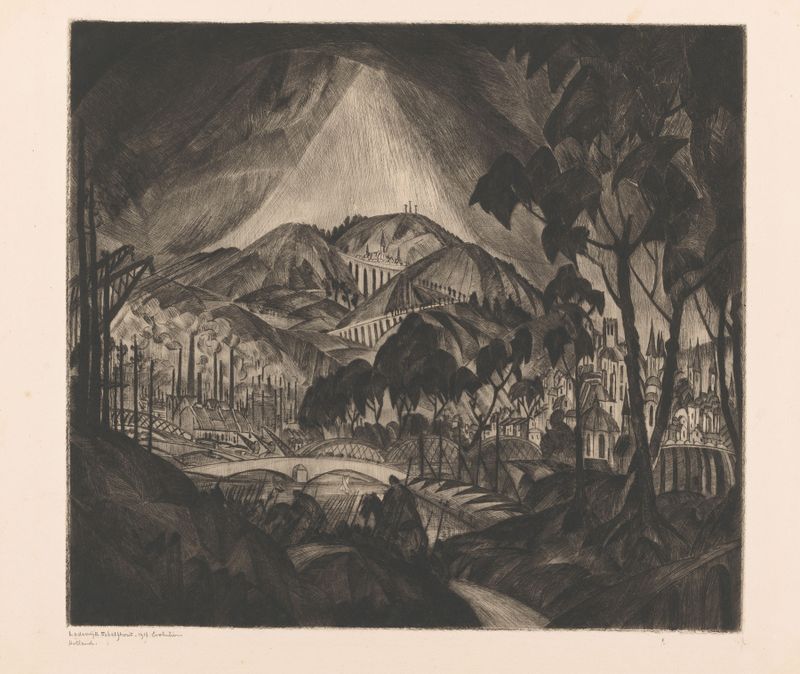
Heuvellandschap met industrie
Lodewijk Schelfhout
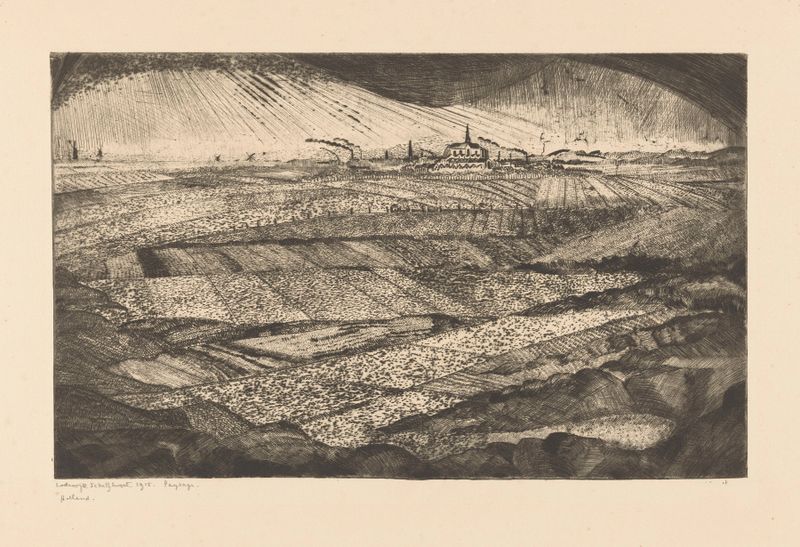
Paysage
Lodewijk Schelfhout
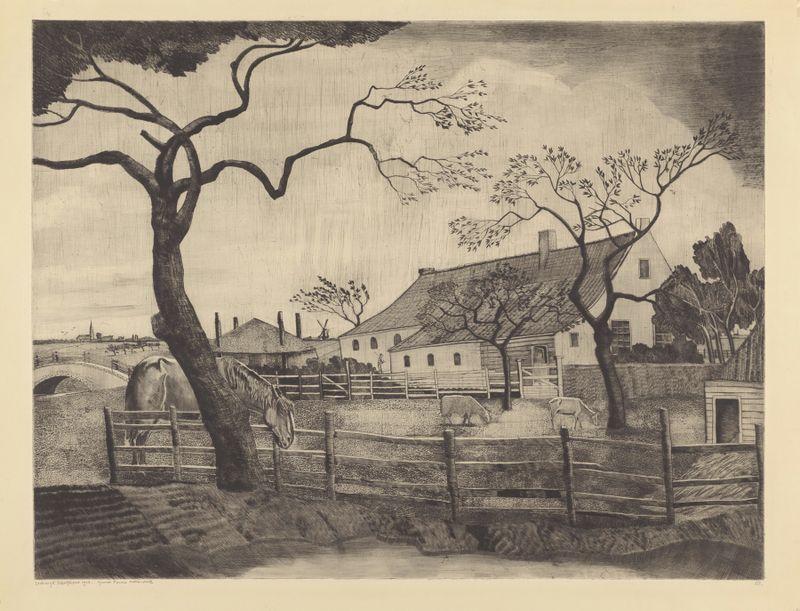
Boerderij met vee in Holland
Lodewijk Schelfhout
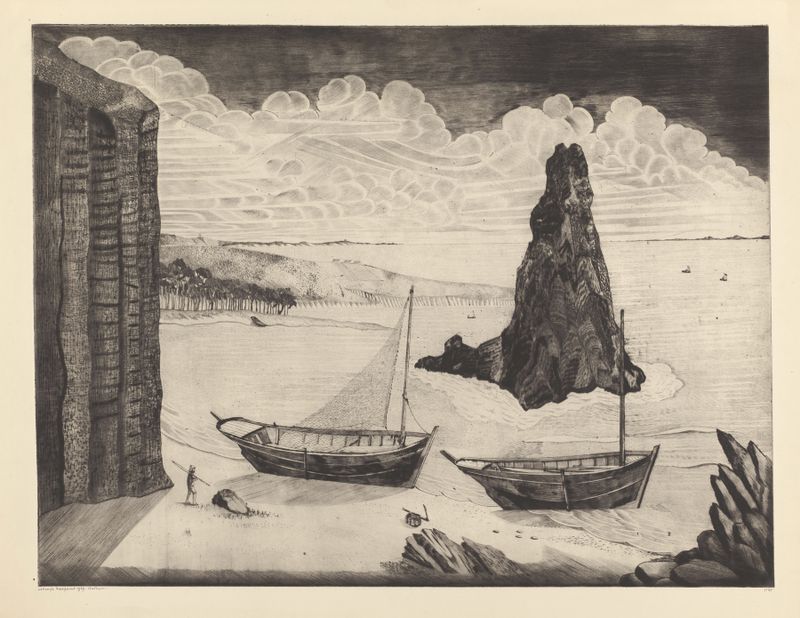
Twee afgemeerde schepen op een strand
Lodewijk Schelfhout
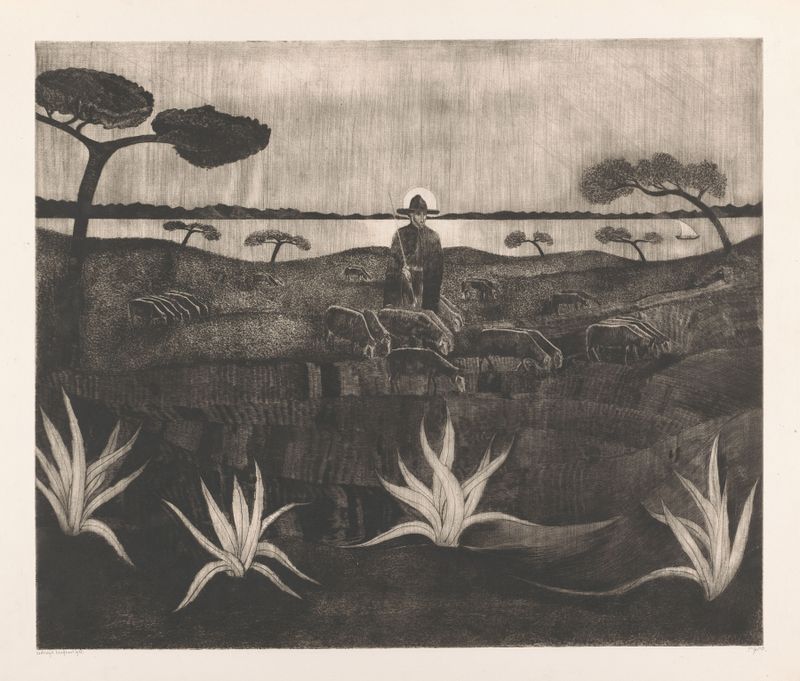
Herder met een kudde schapen in een heuvellandschap
Lodewijk Schelfhout
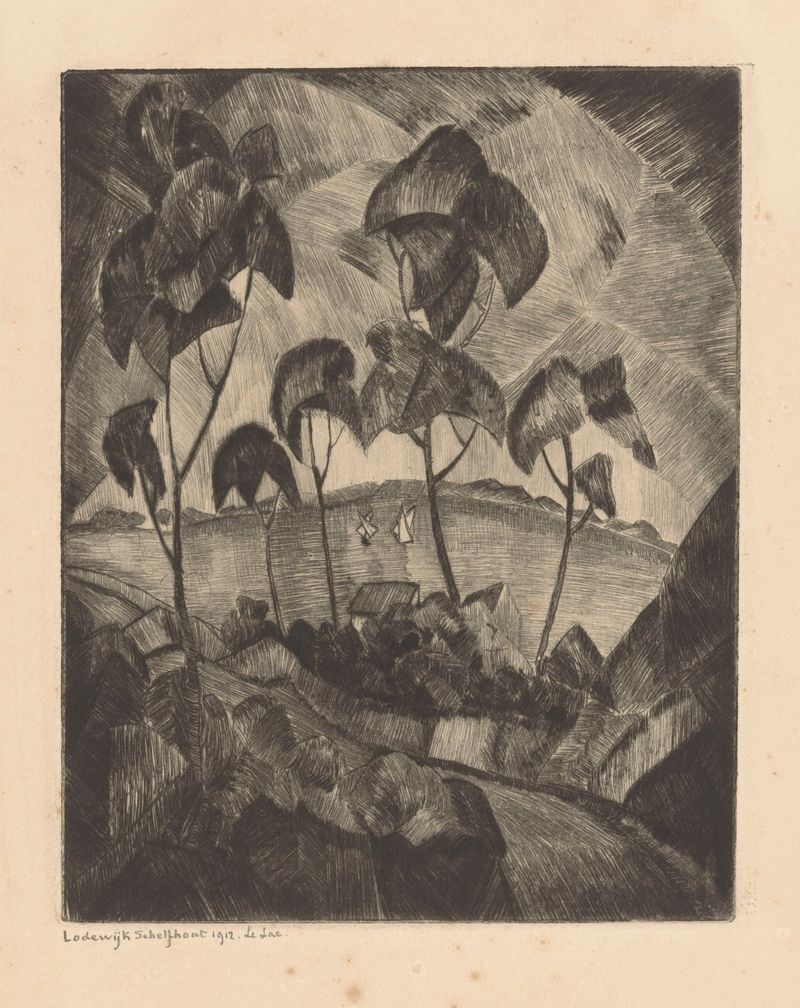
Meer in een heuvellandschap Le Lac
Lodewijk Schelfhout

Heuvellandschap met sparren
Lodewijk Schelfhout

Berglandschap met aquaduct L’Aqueduc
Lodewijk Schelfhout





