Twee varkens — History & Facts
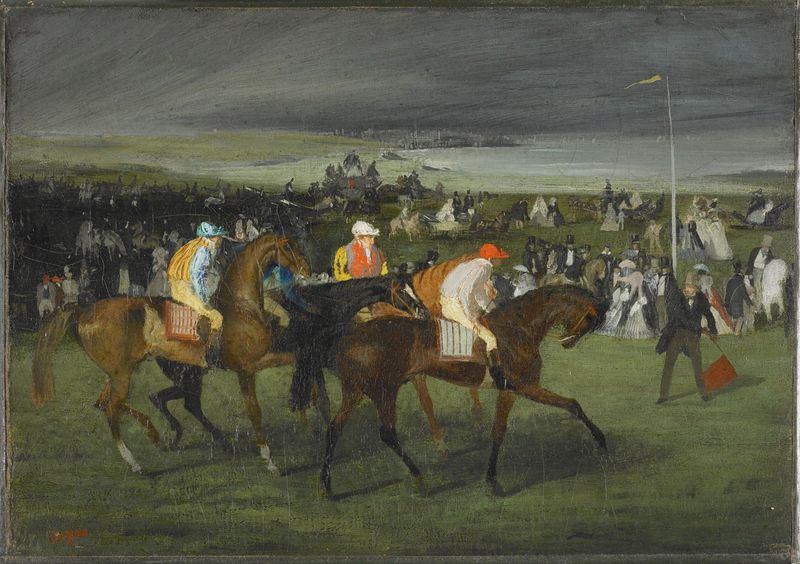
Can beauty exist without sorrow? In Twee varkens, the stillness of two pigs captures the delicate balance of nature, revealing the quiet elegance inherent in the mundane. Look to the foreground; the two pigs are rendered with an astonishing level of detail, their fur inviting you to reach out and touch. Notice how the soft light cascades over their bodies, illuminating the subtle variations in color that evoke warmth and life. The background, a muted pastoral scene, provides an idyllic counterpoint, drawing your gaze back and forth between the subjects and their serene setting, creating a sense of movement that belies their stillness. Within this serene tableau, one can sense a deeper narrative.
The juxtaposition of the pigs’ contentment against the enigmatic shadows lurking in the background speaks to the complexities of existence. It hints at the unsaid tension of life and death, survival and surrender, encapsulating the duality that defines our connection with the natural world. Each stroke of the brush carries an emotional weight, inviting contemplation about the lives of these creatures and our own humanity. Created between 1610 and 1653, this work emerged during a time when Simon de Vlieger was establishing himself within the Dutch Golden Age of painting.
Known for his remarkable attention to detail and love for landscape, he was influenced by the burgeoning interest in nature and everyday life. As Europe grappled with exploration and transformation, his work reflected both the beauty and the fragility of existence, immortalizing fleeting moments of grace amid a turbulent world.
More Artworks by Simon de Vlieger
Browse all →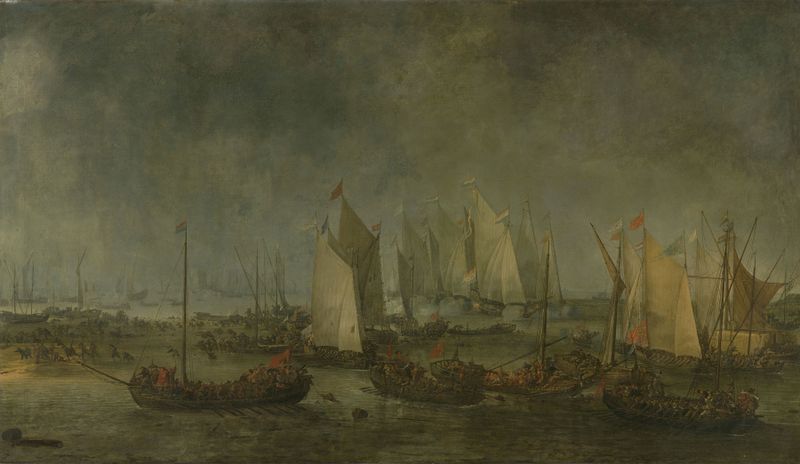
The Battle on the Slaak between the Dutch and Spanish Fleets during the Night of 12-13 September 1631
Simon de Vlieger

Stretch of coast by the Zuiderzee
Simon de Vlieger

Seaside in Scheveningen with fishing boats
Simon de Vlieger
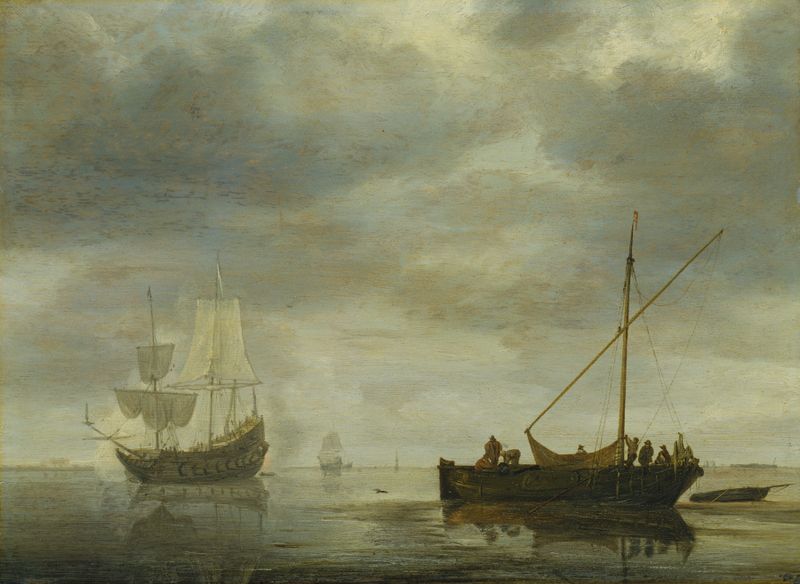
Single-Master and Frigate Firing Salute on a Calm Sea
Simon de Vlieger
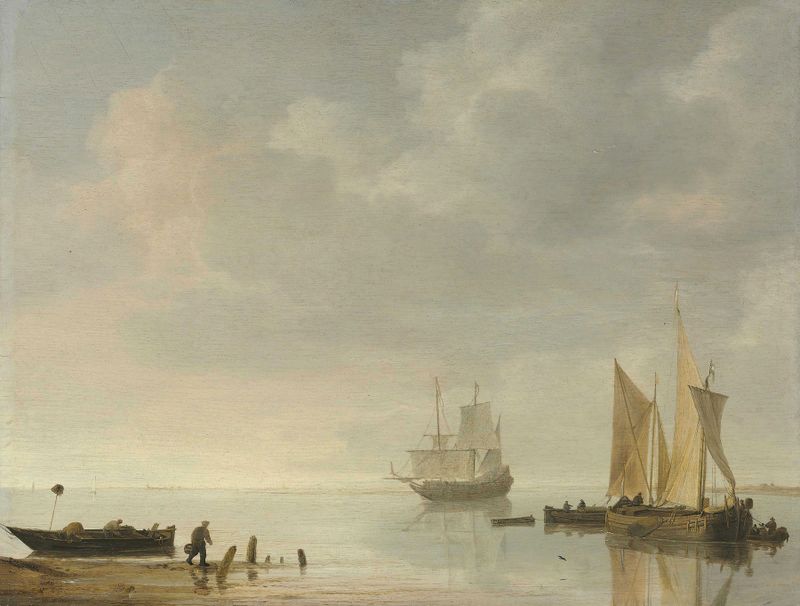
Coastal Scene With Ships Resting On Calm Waters
Simon de Vlieger

A calm estuary with a smalschip and a waterschip at anchor, with other ships in the distance
Simon de Vlieger
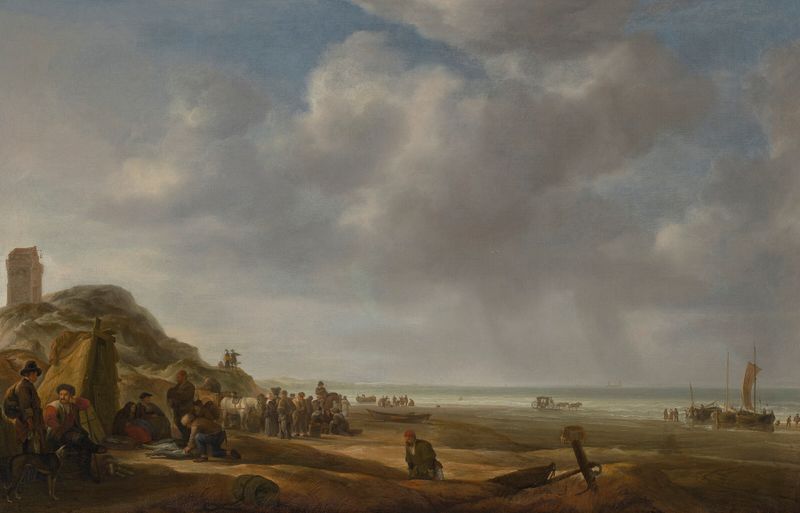
A beach scene with fishermen displaying their catch
Simon de Vlieger

Ship in Distress off a Rocky Coast
Simon de Vlieger
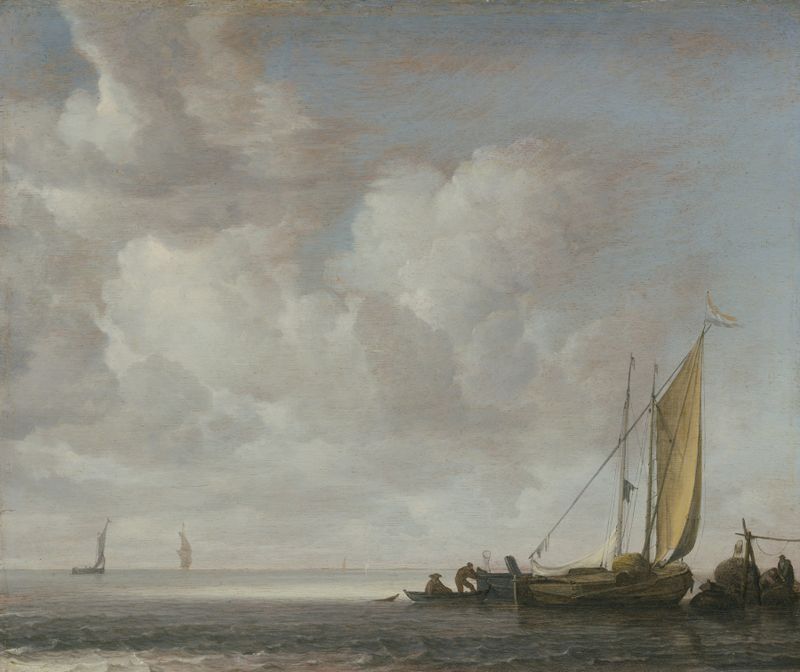
Calm Sea
Simon de Vlieger
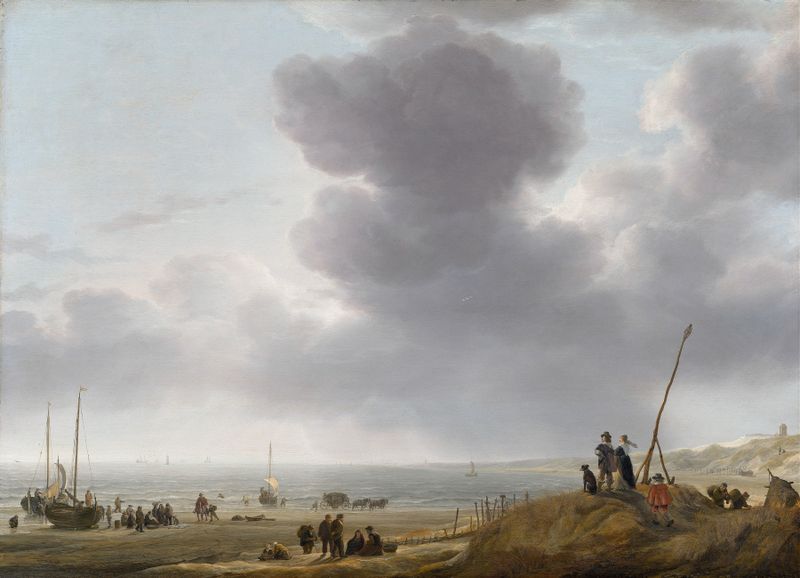
Beach View
Simon de Vlieger