
Twilight in the Valley — History & Facts
Who listens when art speaks of silence? In Twilight in the Valley, the hush of dusk envelops the landscape and invites introspection, a moment of awakening that transcends mere observation. Look to the center of the canvas, where the fading light dances delicately over rolling hills, casting a warm embrace upon the earth. Notice how the artist's brushstrokes create a rhythm that mirrors the serene pulse of nature, blending rich greens and soft golds with impressionistic flair. The composition draws the eye through a gentle slope that leads into the distance, inviting viewers to wander deeper into the tranquil scene. Within this calm atmosphere lies a profound emotional tension—a balance between day and night, activity and stillness.
The horizon appears almost ethereal, suggesting the fleeting nature of time and the inevitable drift into night. Subtle details, like the almost imperceptible figures of laborers in the fields, hint at human presence while reinforcing the vast solitude of the valley, reminding us of our smallness in the grand tapestry of nature. In 1902, Henri Martin was deeply influenced by the turn of the century, a time when artists sought to capture the ephemeral effects of light and atmosphere. Living in France, amidst a burgeoning movement of post-impressionism, he was exploring new techniques and vibrant palettes that would elevate his work.
Twilight in the Valley exemplifies his ability to evoke emotion through landscape, symbolizing both personal reflection and the universal experience of transitioning from day to night.
More Artworks by Henri Martin
Browse all →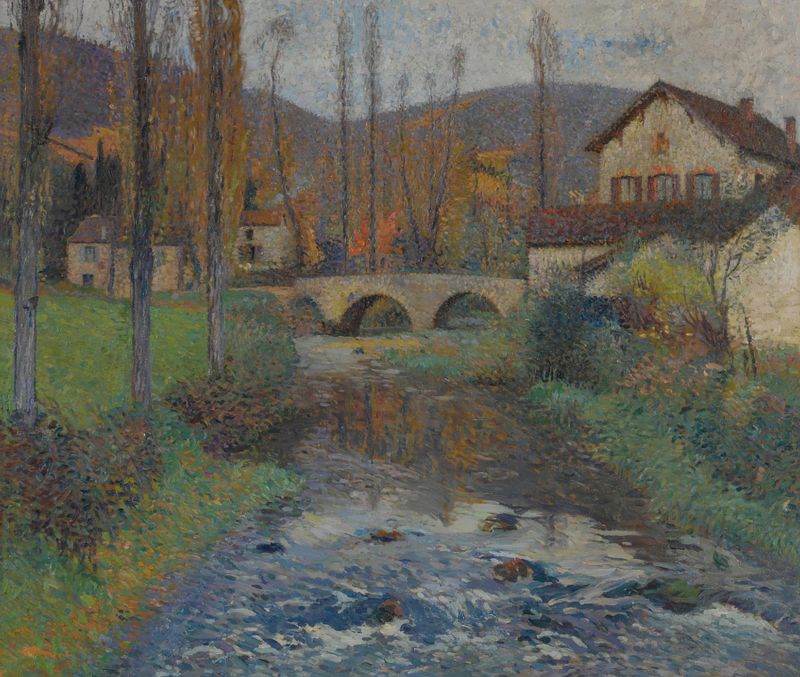
Le Pont du Labastide-du-Vert
Henri Martin

Le Pont de Labastide du Vert
Henri Martin

La Vallée Du Lot, Près De Saint-Cirq Lapopie
Henri Martin

Derniers Rayons, Une Ferme Dans Le Lot
Henri Martin

Vue de Labastide-du-Vert
Henri Martin
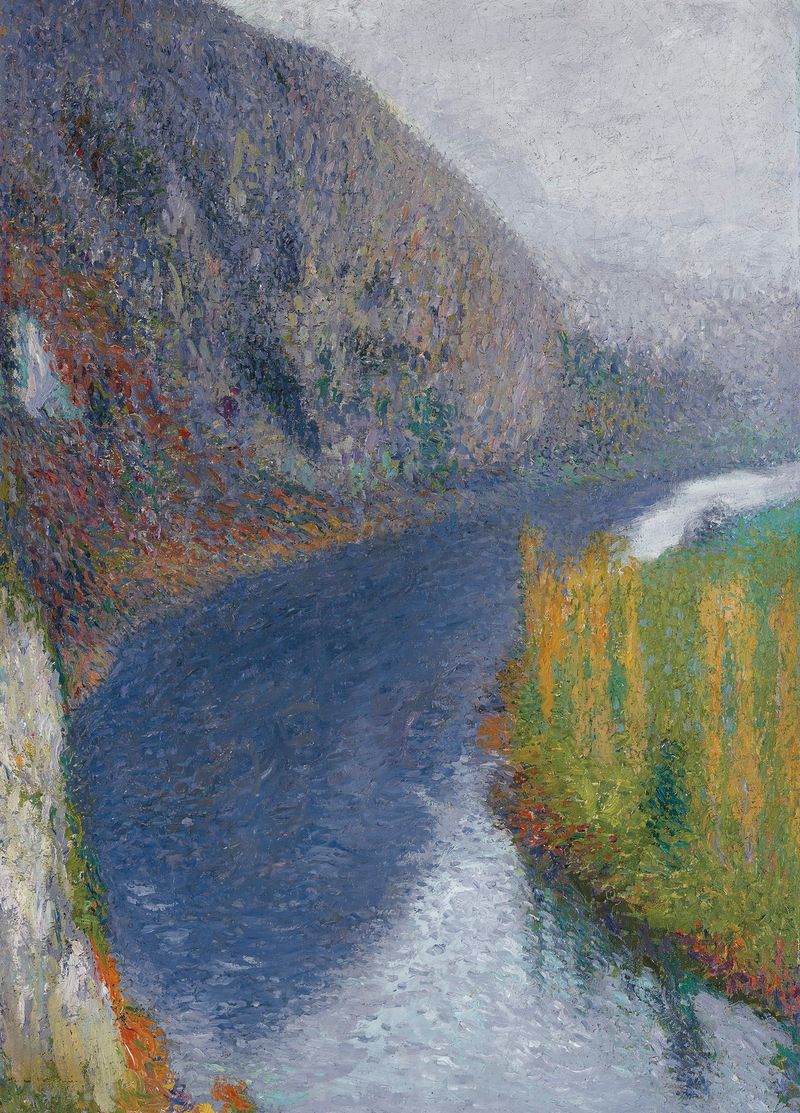
Le Lot au pied des falaises de St-Cirq-Lapopie
Henri Martin

Le lot aux pieds des falaises de Saint-Cirq-Lapopie
Henri Martin

L’église de Labastide-du-Vert avec le pont et la rivère, un soir d’automne
Henri Martin

Berger et ses moutons dans les causses
Henri Martin
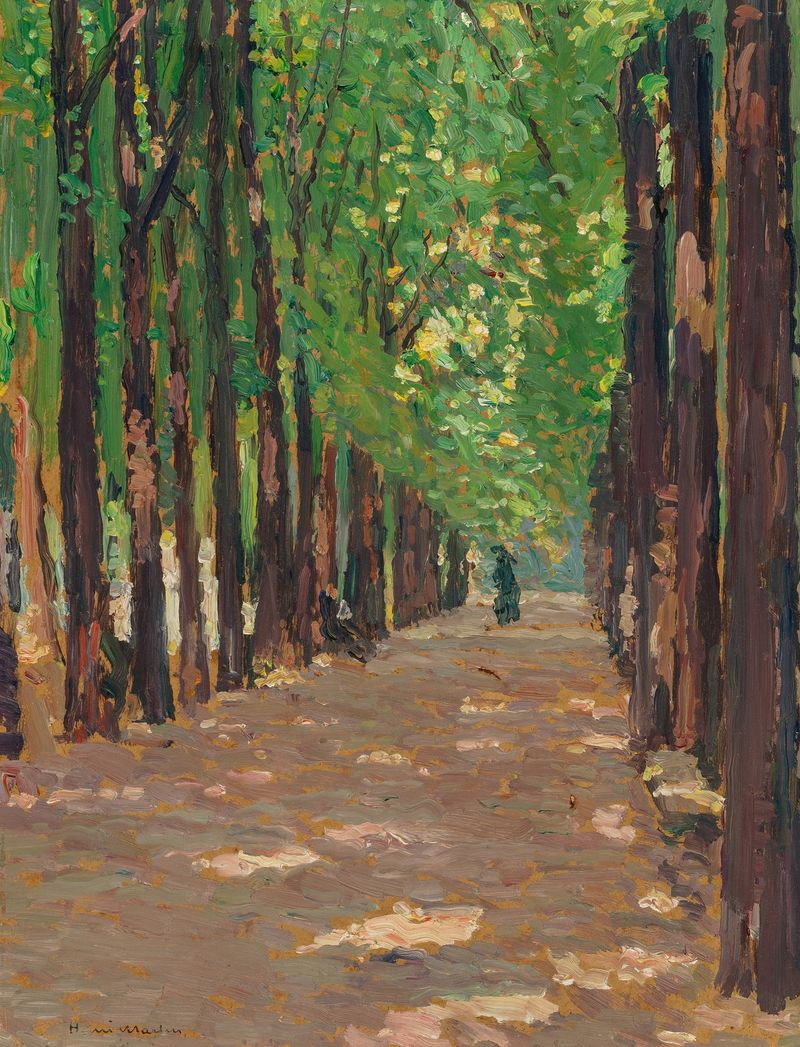
Une allée dans le Parc du Château de Versailles
Henri Martin





