
Ullswater, Looking toward Patterdale — History & Facts
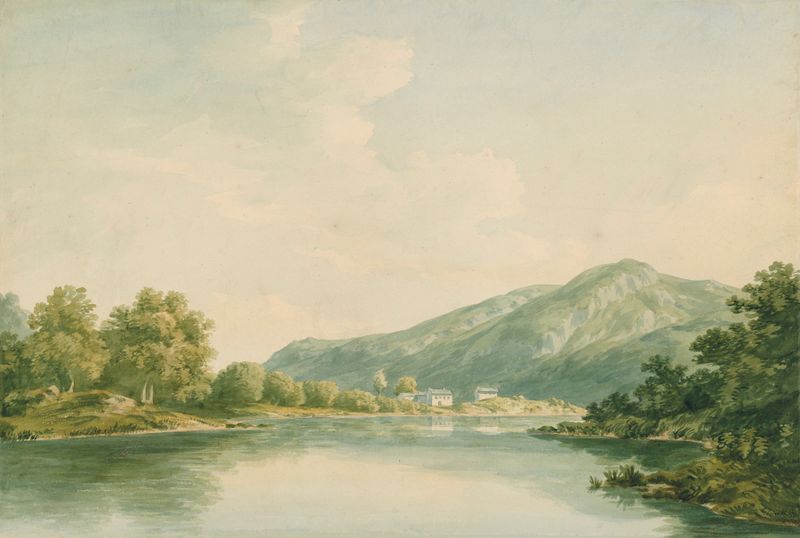
In a world where nature teeters delicately between beauty and impermanence, how does one capture the essence of mortality? Focus on the gentle undulations of the hills on the left, where soft greens and muted blues intertwine, creating a serene backdrop that cradles the lake. The mirror-like surface of Ullswater reflects the delicate gradient of the sky, from pale azure to hints of coral, suggesting the passage of time. Notice how the wisps of clouds capture fleeting moments, while the sun's rays dance upon the water, illuminating the tranquil scene.
The composition invites the viewer to not only observe but to feel the stillness of the moment. Yet beneath this picturesque facade lies an emotional tension, a reminder of the transitory nature of life. The majestic mountains loom like guardians over the lake, their timeless presence juxtaposed with the gentle ripples that hint at the ever-changing world. The vibrant yet subdued palette enforces a sense of calm, yet simultaneously evokes a yearning for permanence in a landscape defined by its ephemerality.
Each brushstroke whispers of the beauty in decay, as the natural world offers solace while reminding us of our own fragility. John Warwick Smith painted this landscape in 1792, a time when the Romantic movement was blossoming in England, celebrating nature's grandeur and humanity's intricate relationship with it. His focus on landscapes was part of a broader shift toward appreciating the sublime beauty found in the wilderness. This work reflects both his personal exploration of artistic expression and the societal fascination with the sublime as the Industrial Revolution began to alter the very fabric of the world around him.
More Artworks by John Warwick Smith
Browse all →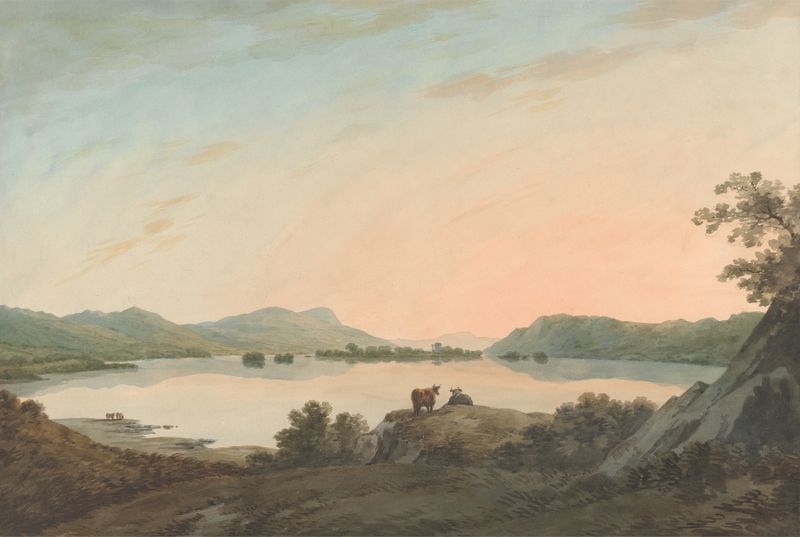
Lake Windermere from Calgarth with Belle Isle
John Warwick Smith
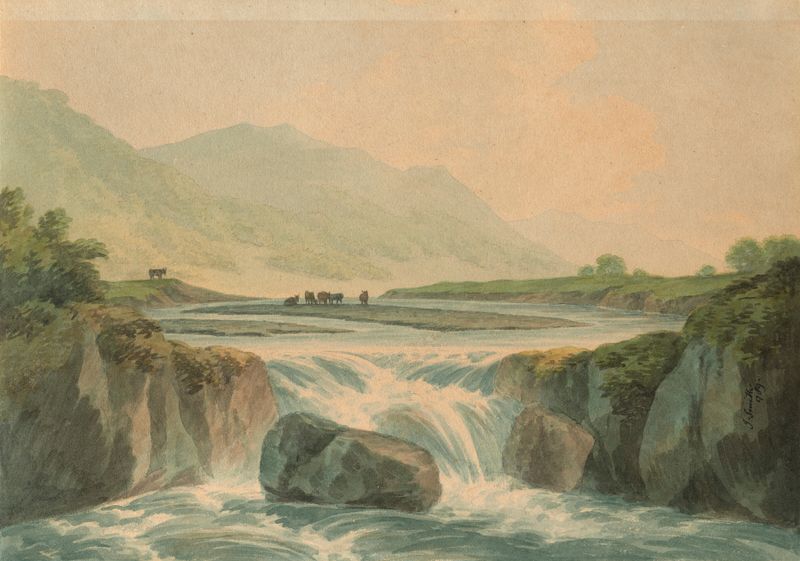
A waterfall on the River Rheidol, with cattle in the distance, North Wales
John Warwick Smith
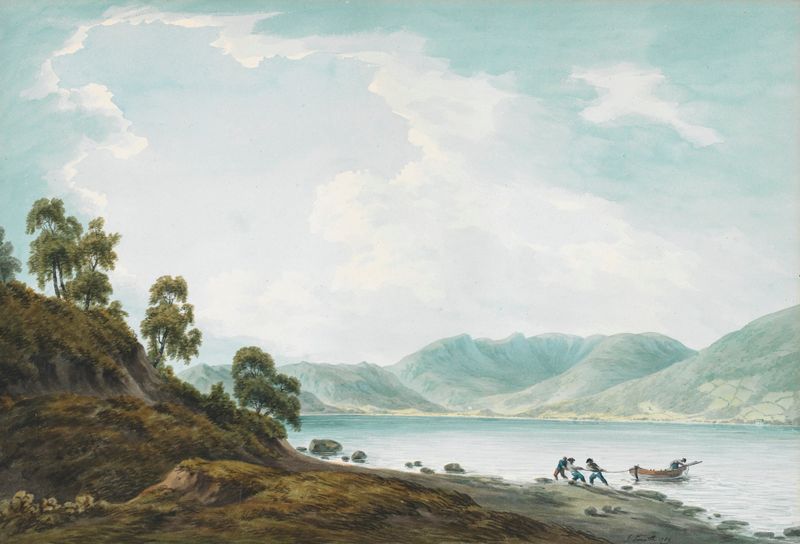
Head of Windermere from Belle Grange Farm
John Warwick Smith
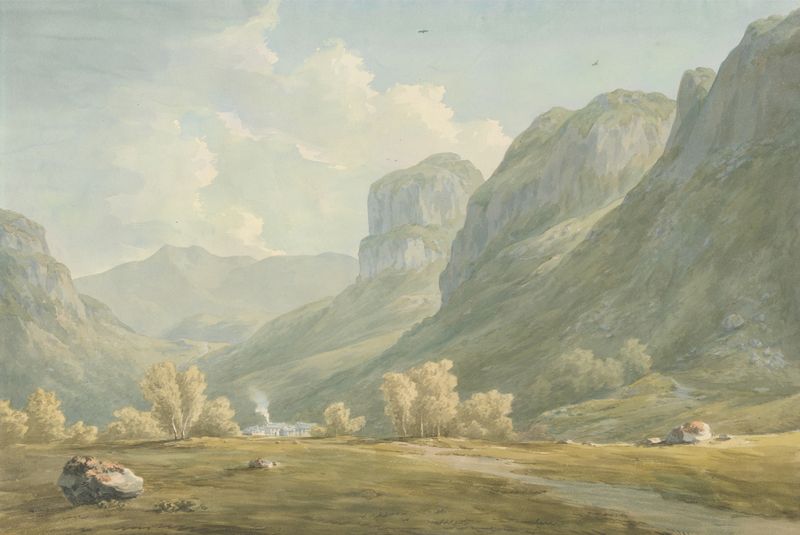
Village of Stonethwaite and Eagle Cragg, Borrowdale
John Warwick Smith
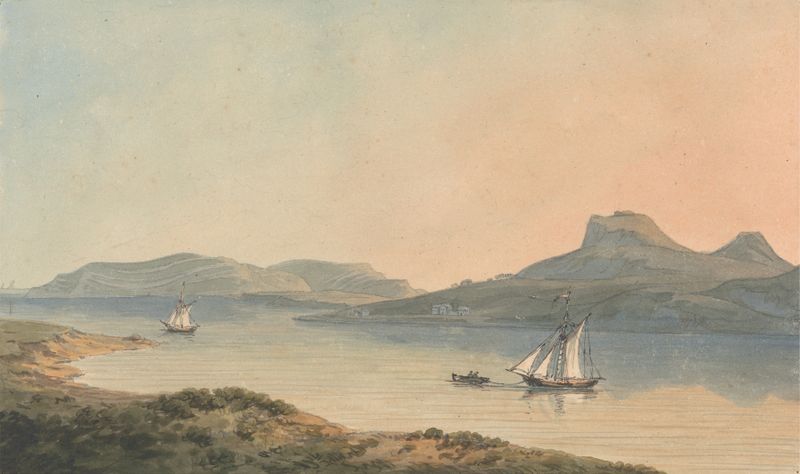
View of the Early Castle of Diganwy
John Warwick Smith
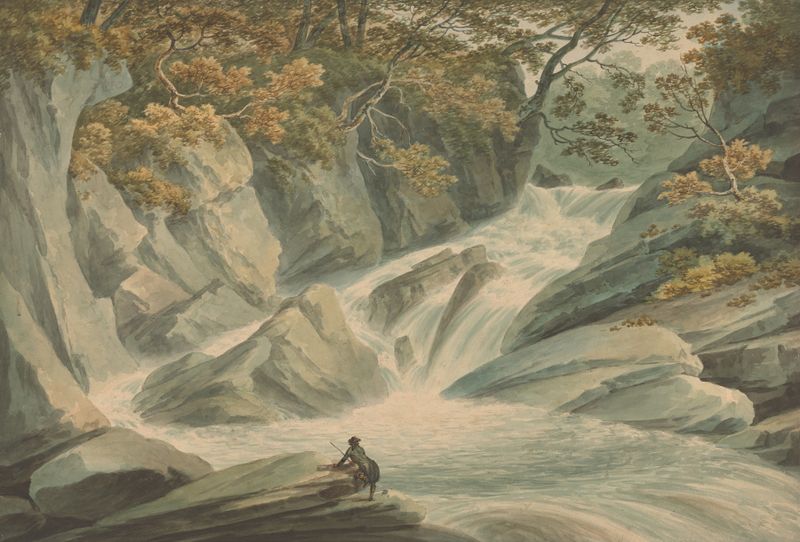
Hafod; Upper Part of Cascade
John Warwick Smith
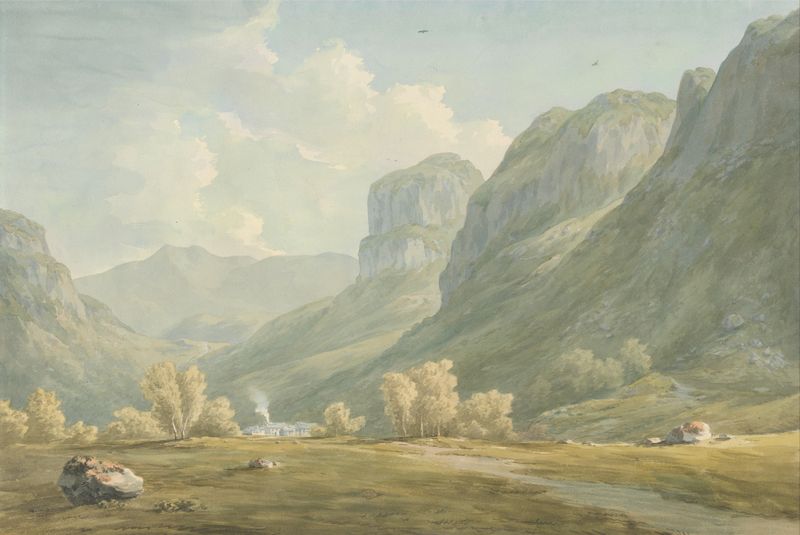
Village of Stonethwaite and Eagle Cragg, Borrowdale
John Warwick Smith
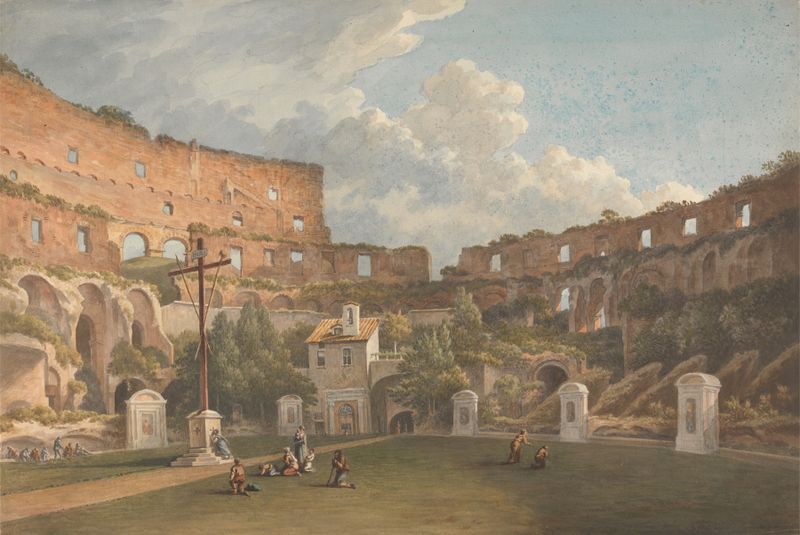
An Interior View of the Colosseum, Rome
John Warwick Smith
The lower end of Lake Windermere
John Warwick Smith
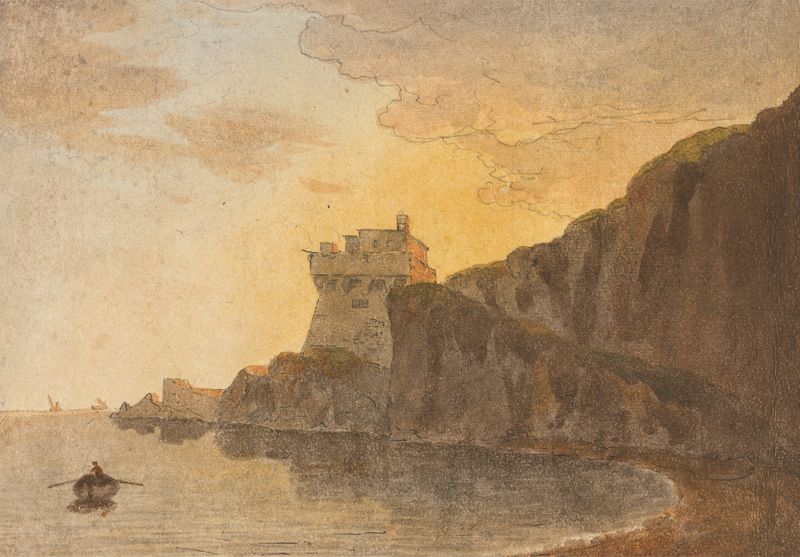
In the Bay of Salerno, near Vietri
John Warwick Smith





