
Une rue en Ile-de-France — History & Facts
In the shadow of loss, every stroke becomes a vessel for our unspoken grief. Look closely at the canvas, and your gaze is drawn to the soft, pastel palette that captures a quiet street in Ile-de-France. The winding path leads your eyes into the heart of the scene, flanked by trees whose branches sway gently, as if whispering secrets to the cool air. Notice how the interplay of light dances across the cobblestones, highlighting the tender colors of the buildings, where muted greens and blues evoke a sense of nostalgia for days long past. There is a palpable tension between the beauty of the everyday and the sorrow that lingers in the background.
The figures walking along the street, perhaps lost in their thoughts, speak to the universal experience of mourning—each person a reminder of those we've loved and lost. The surrounding nature, lush yet subdued, amplifies this feeling; it is as if the landscape itself mourns alongside us, carrying the weight of memories embedded within the very earth. In 1893, Guillaumin was painting amidst the burgeoning Impressionist movement in France, a time when artists were seeking to capture the ephemeral qualities of light and atmosphere. He was influenced by his friends’ rejection of traditional techniques, embracing instead spontaneous brushwork that conveyed emotion directly.
This painting, created in a period marked by personal and societal upheaval, reflects both the innovative spirit of the time and the artist’s own experiences with grief and remembrance.
More Artworks by Armand Guillaumin
Browse all →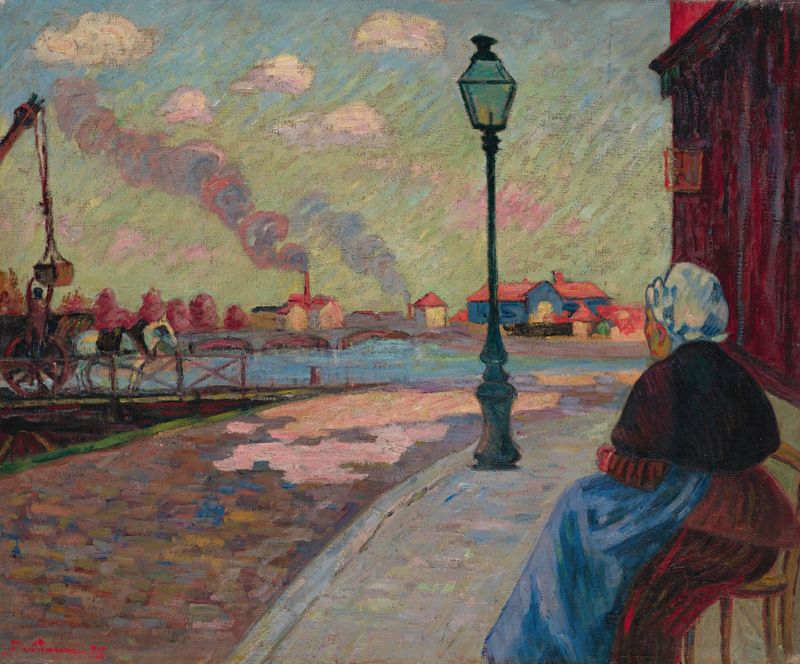
La Seine À Charenton
Armand Guillaumin
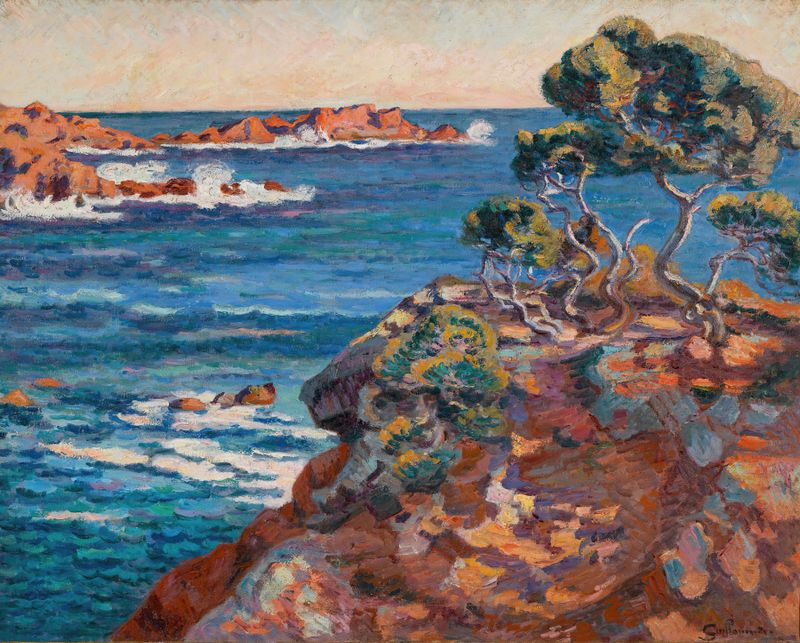
Bord De Mer À Agay
Armand Guillaumin
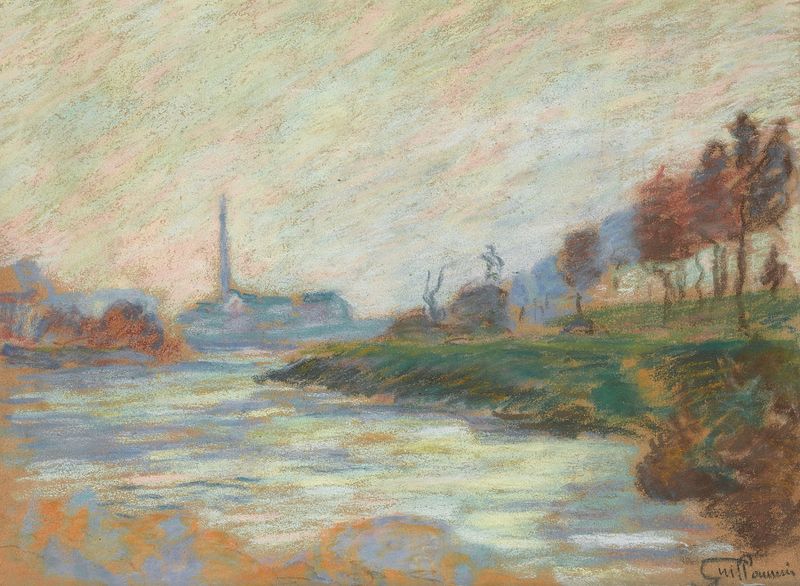
Confluent De La Marne Et De La Seine, Île De La France
Armand Guillaumin

Le Ravin de la folie, vue de Chateau Crozant
Armand Guillaumin
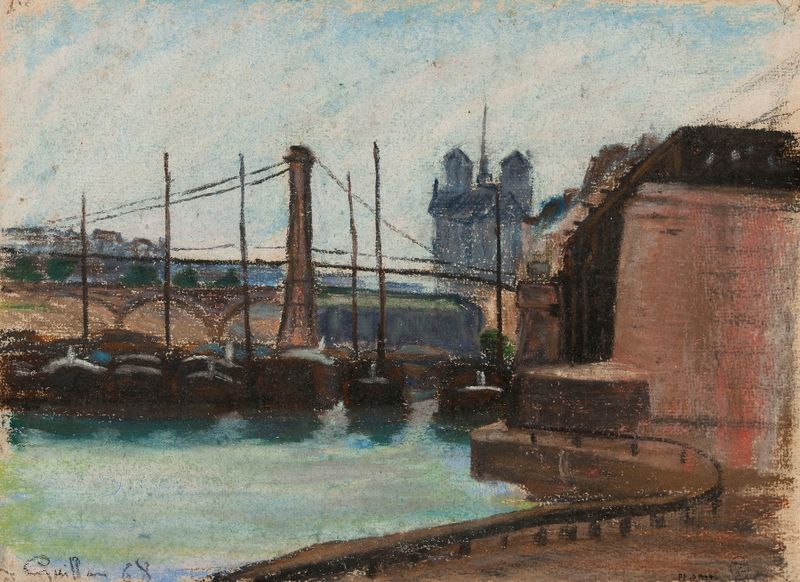
Le Pont d’Austerlitz
Armand Guillaumin

Paysage de Printemps
Armand Guillaumin
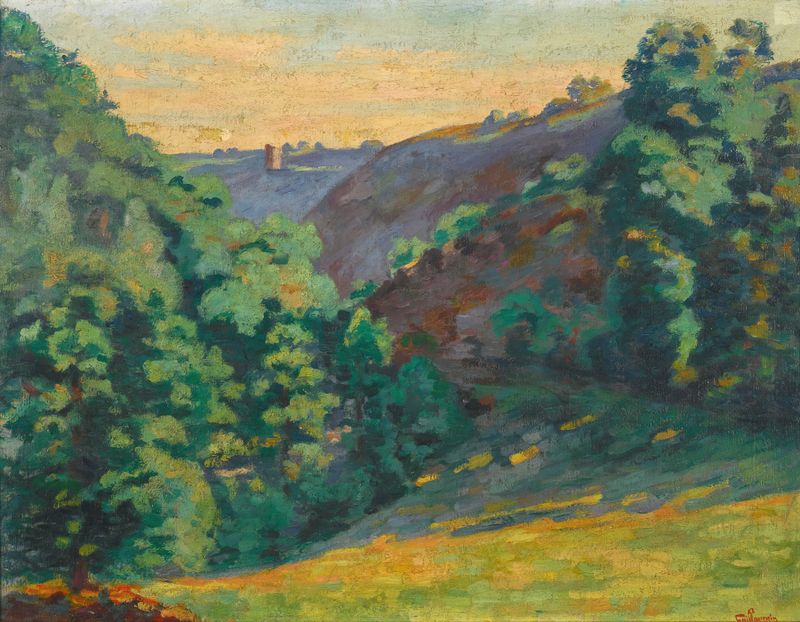
Crozant, Le Ravin De La Sedelle À La Folie
Armand Guillaumin
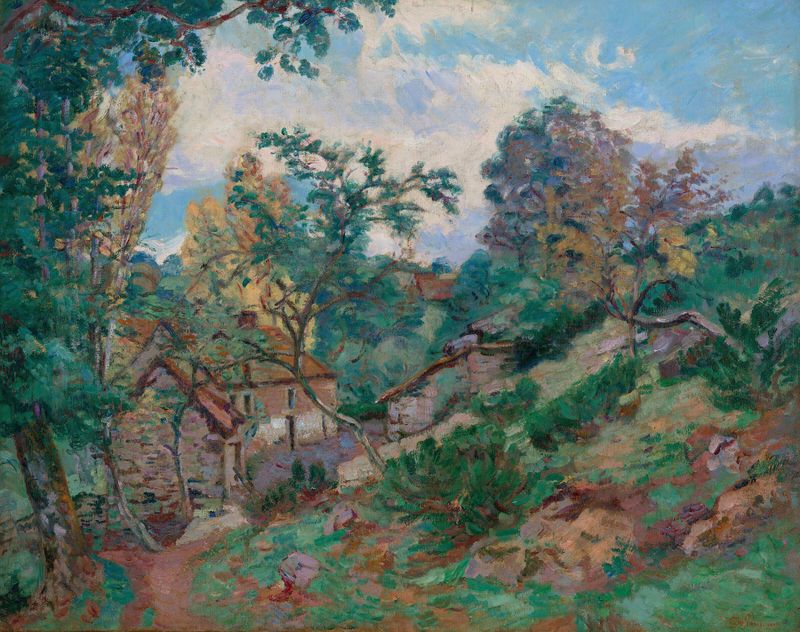
Paysage
Armand Guillaumin

La vallée de la creuse
Armand Guillaumin

L’Eglise Saint-Sulpice, Paris
Armand Guillaumin





