
United States Capitol, Washington, D.C. — History & Facts
In the hallowed halls of the United States Capitol, the air hangs heavy, steeped in the grief of a nation and the weight of history. Each stone whispers untold stories, resonating with the echoes of deliberation and strife. The Capitol stands as a somber monument, a reminder of the collective burden carried by its people. Focus on the majestic dome dominating the center of the composition, its elegant lines drawing the eye upward, inviting thoughts of aspiration and glory.
Notice how the muted palette of blues and grays reinforces a solemn atmosphere, while the delicate interplay of light and shadow adds depth to the architecture. The meticulous detail in the foreground reveals figures, perhaps lawmakers or citizens, framed by the grandeur of the building, their presence anchoring the scene in human experience. Beneath the surface, themes of resilience and mourning weave through the work. The Capitol, often seen as a beacon of democracy, may also symbolize the losses endured in the pursuit of unity and justice.
The juxtaposition of the building’s impressive stature against the diminutive figures emphasizes a tension between individual voices and the overarching weight of government. Grief pulses through the tableau, a silent acknowledgment of the sacrifices made in the name of liberty. Created between 1872 and 1874, this work emerged during a transformative period in American history, marked by the aftermath of the Civil War and the struggle for Reconstruction. Currier & Ives, known for their lithographs that captured American life, used this piece to reflect the nation’s complex relationship with its ideals and the reality of its past.
As the country sought to heal and redefine itself, the Capitol remained a constant, a symbol of hope amid the lingering sorrow.
More Artworks by Currier & Ives.
Browse all →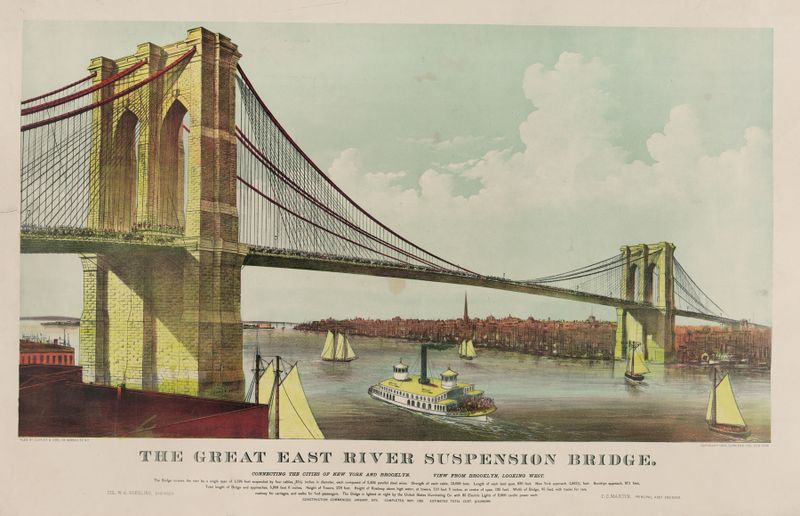
The great East River suspension bridge; connecting the cities of New York and Brooklyn View from Brooklyn, looking west.
Currier & Ives.
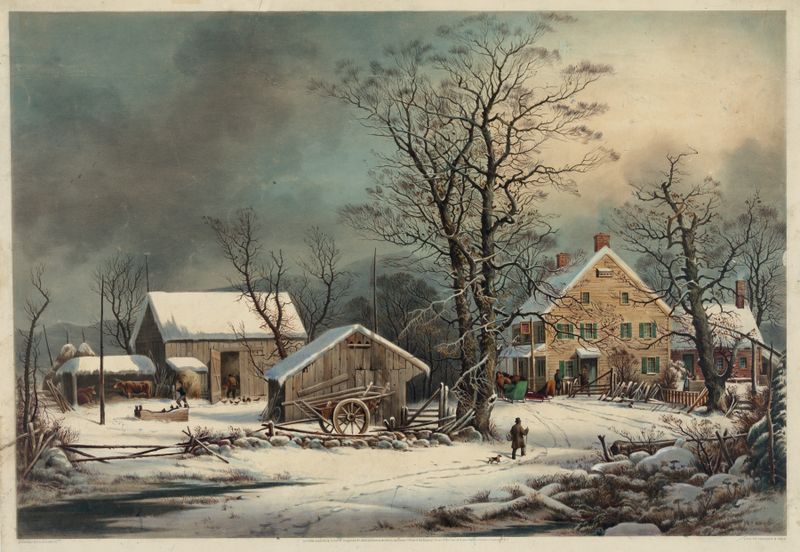
Winter in the country; a cold morning
Currier & Ives.
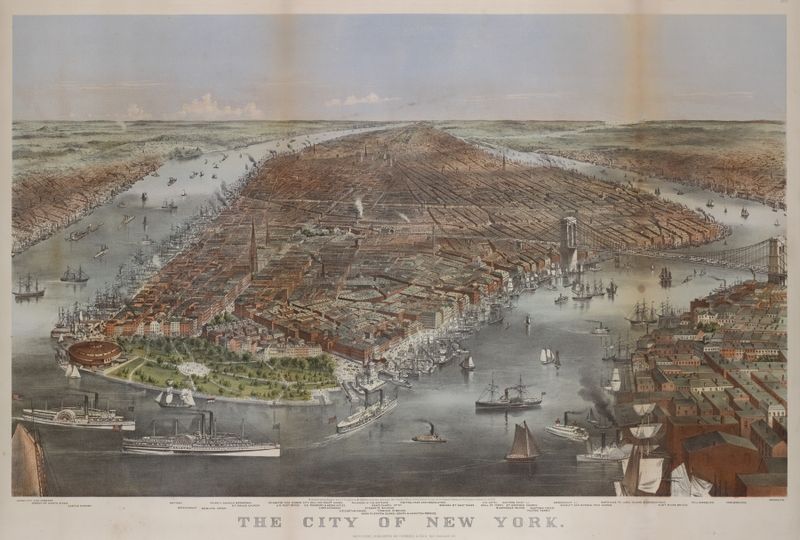
The City of New York
Currier & Ives.
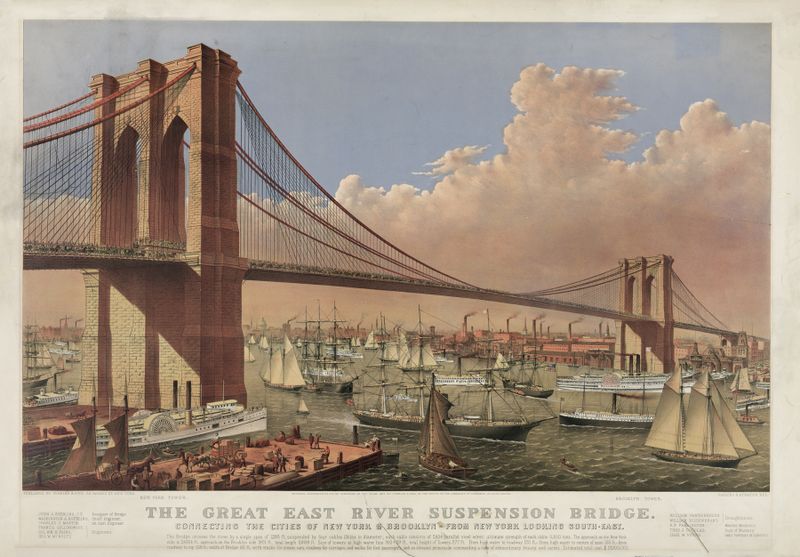
The great East River suspension bridge; connecting the cities of New York & Brooklyn From New York looking south-east.
Currier & Ives.
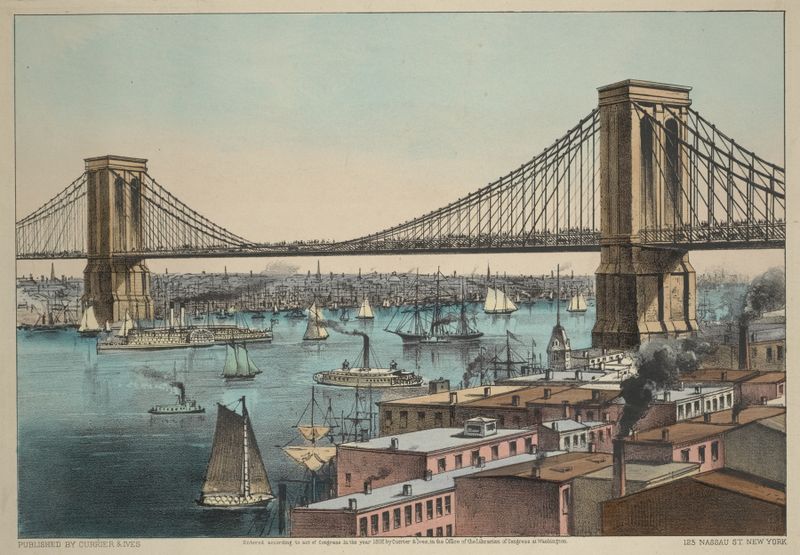
The Great East River Bridge. To connect the cities of New York & Brooklyn
Currier & Ives.
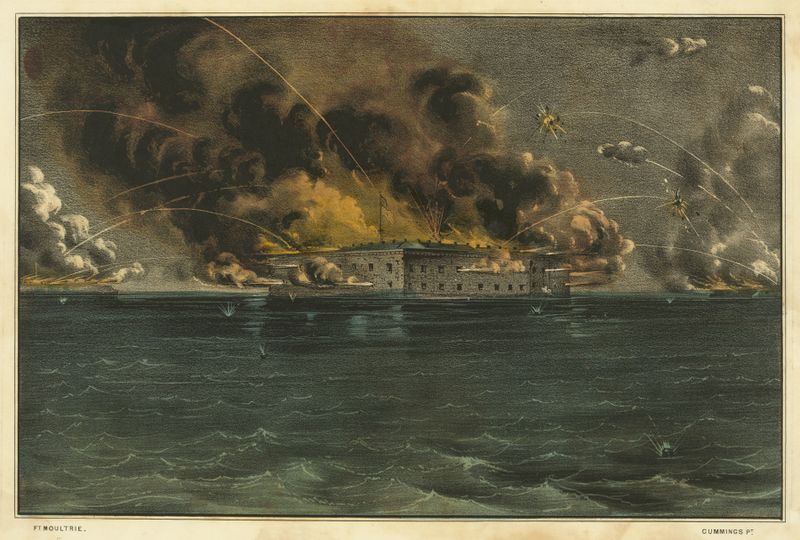
Bombardment of Fort Sumter, Charleston Harbor; 12th & 13th of April, 1861
Currier & Ives.
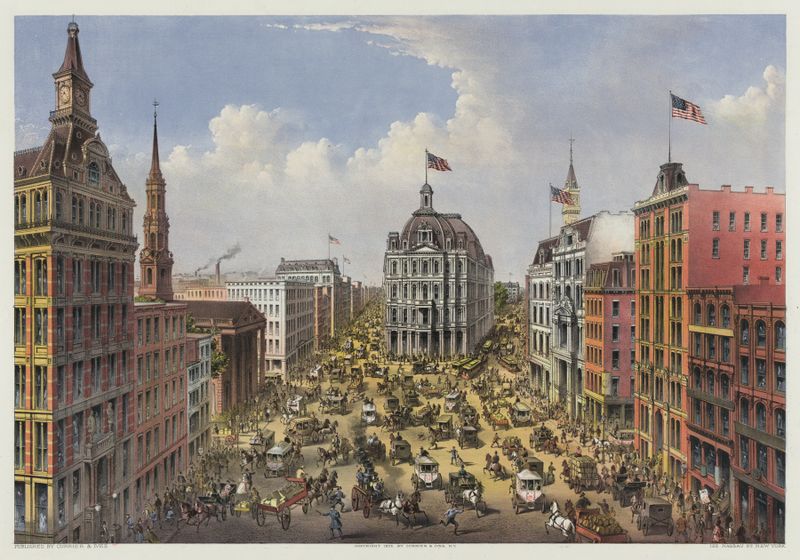
Broadway, New York; From the western union telegraph building looking north
Currier & Ives.
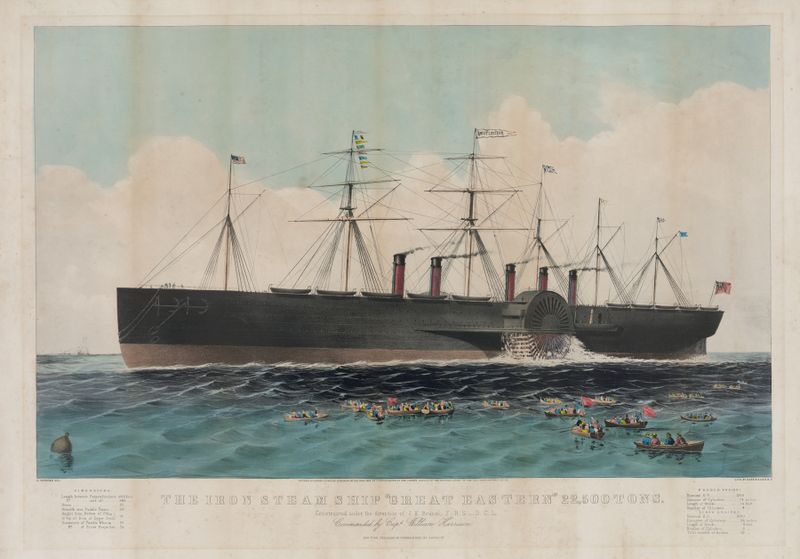
The iron steam ship ‘Great Eastern’ 22,500 tons; constructed under the direction of I.K. Brunel, F.R.S. — D.C.L. commanded by Capt. William Harrison
Currier & Ives.
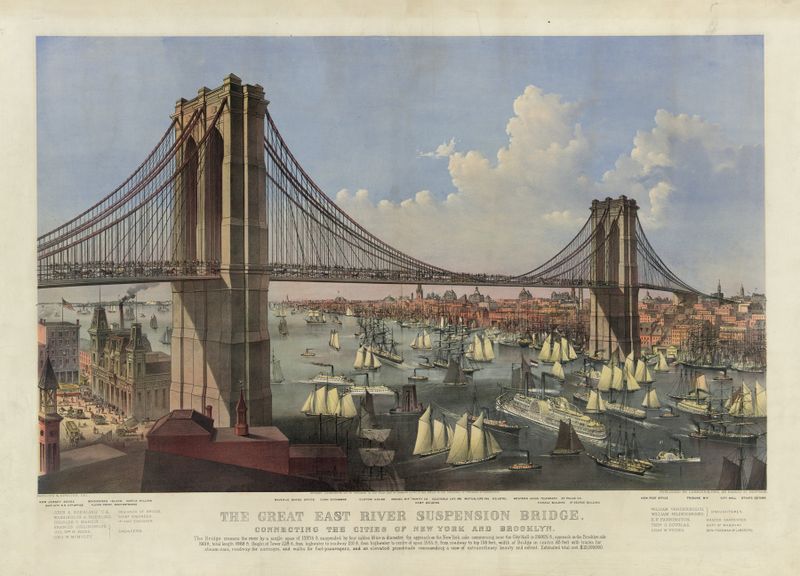
The great East River suspension bridge–Connecting the cities of New York and Brooklyn
Currier & Ives.
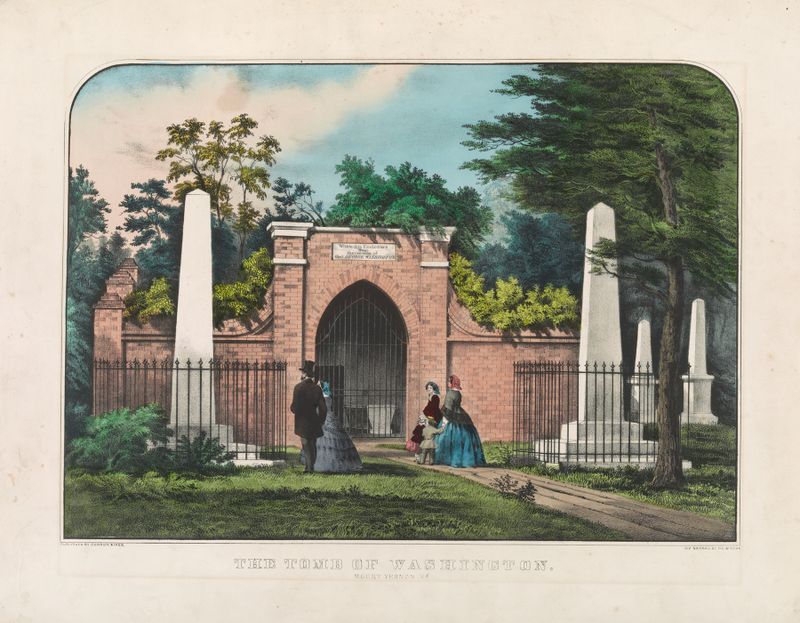
The tomb of Washington; Mount Vernon, Va.
Currier & Ives.
More Architecture Art
Browse all →
The statue of Liberty
Frédéric Auguste Bartholdi

View of Houses in Delft, Known as ‘The Little Street’
Johannes Vermeer

View of Houses in Delft, Known as ‘The Little Street’
Johannes Vermeer

The Cathedral in Rouen. The portal, Grey Weather
Claude Monet

The yellow house
Vincent van Gogh

The Church in Auvers-sur-Oise, View from the Chevet
Vincent van Gogh