
Untitled — History & Facts
In the hands of a skilled artist, the relentless cycle of life and death unfurls, revealing the beauty hidden in our mortal toil. Look to the left at the figure, steadfastly bent over his plow, surrounded by earth that is rich yet worn, telling the story of labor and perseverance. The muted greens and browns of the landscape intertwine, creating a tapestry that captures both the hardship and the hope of cultivation. At the forefront, the man’s posture is both humble and powerful, as he carves out a path against the vast canvas of the field, a testament to human resilience against nature’s relentless rhythm. Bannister invites us to consider the duality of existence—the toil of the plowman juxtaposed with the fertile promise of the soil.
Notice the subtle strokes that depict the texture of the earth, a chaotic mass yielding grace under the weight of the plow. The sky above, though ominous with a gathering horizon, hints at the promise of tomorrow, embodying the tension between mortality and renewal that defines the human experience. During the late 19th century, Edward Mitchell Bannister painted this work amidst a burgeoning landscape of American art, marked by the rise of naturalism and the exploration of racial identity. Living in Providence, Rhode Island, Bannister was both an artist and an activist, advocating for the rights of African Americans while weaving his own narrative of struggle and achievement into the broader tapestry of American history.
More Artworks by Edward Mitchell Bannister
Browse all →
Landscape
Edward Mitchell Bannister
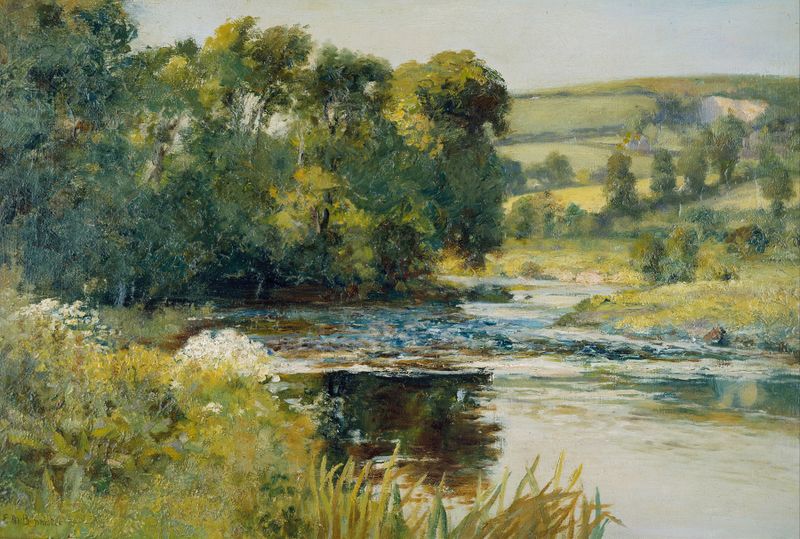
Streamside
Edward Mitchell Bannister

Untitled
Edward Mitchell Bannister

On the Seekonk
Edward Mitchell Bannister

Morning on the Shore
Edward Mitchell Bannister

Summer Twilight
Edward Mitchell Bannister
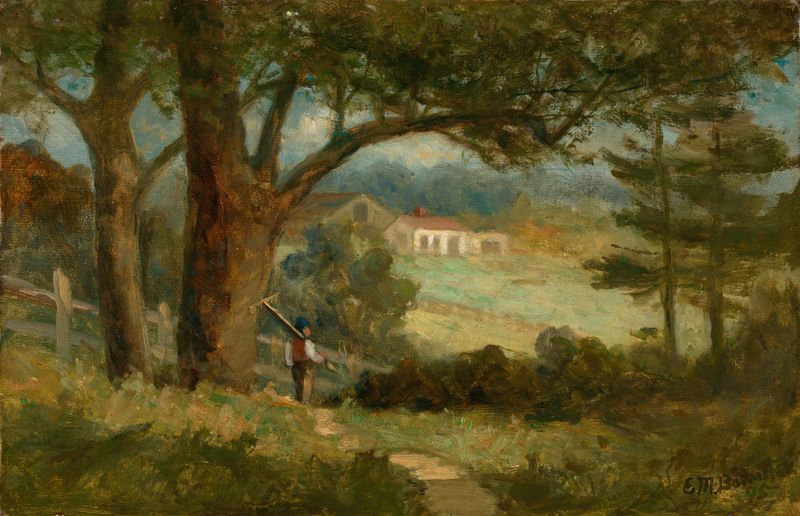
Homeward
Edward Mitchell Bannister
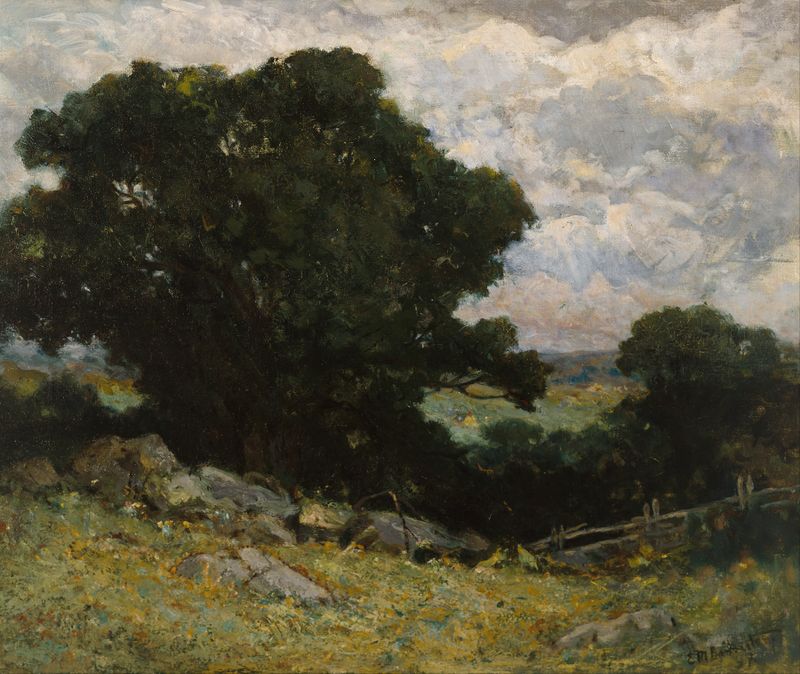
Landscape
Edward Mitchell Bannister
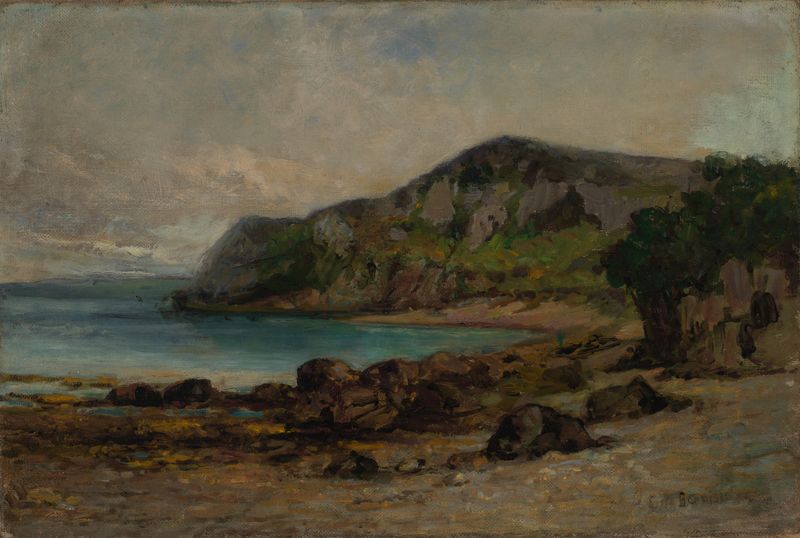
Rocks at Newport
Edward Mitchell Bannister

Sunset
Edward Mitchell Bannister





