Discover insights about this artwork
Untitled — History & Facts
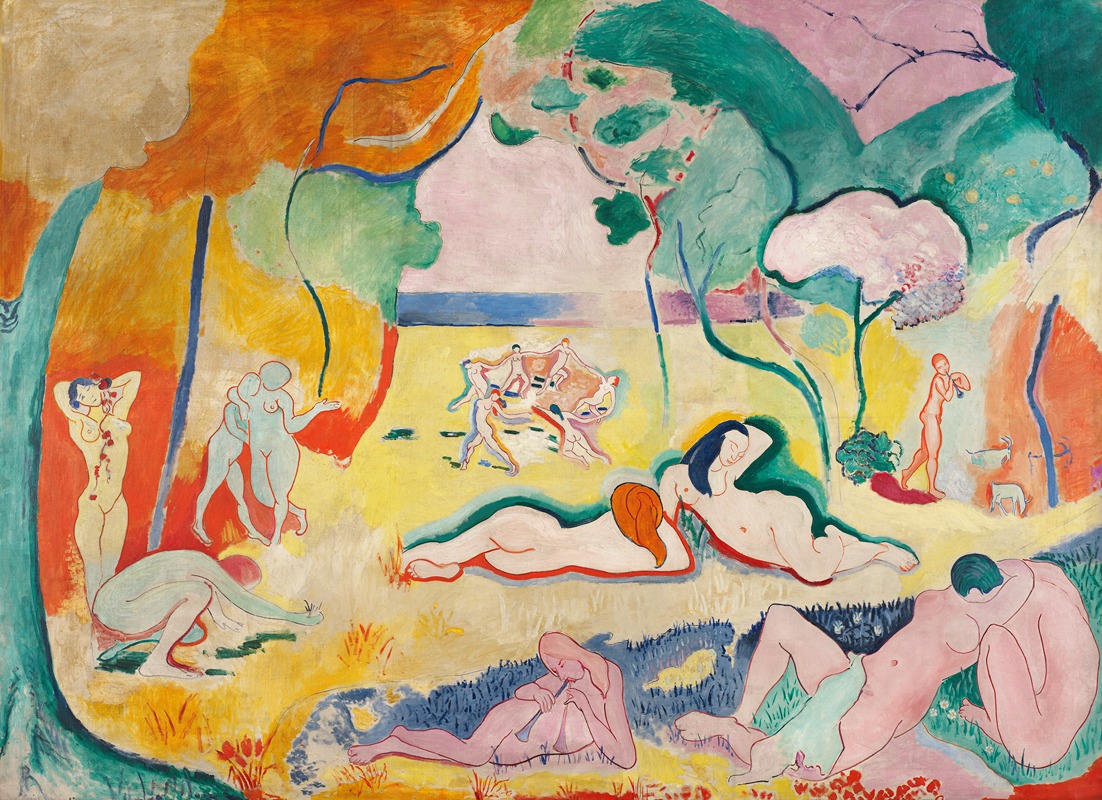
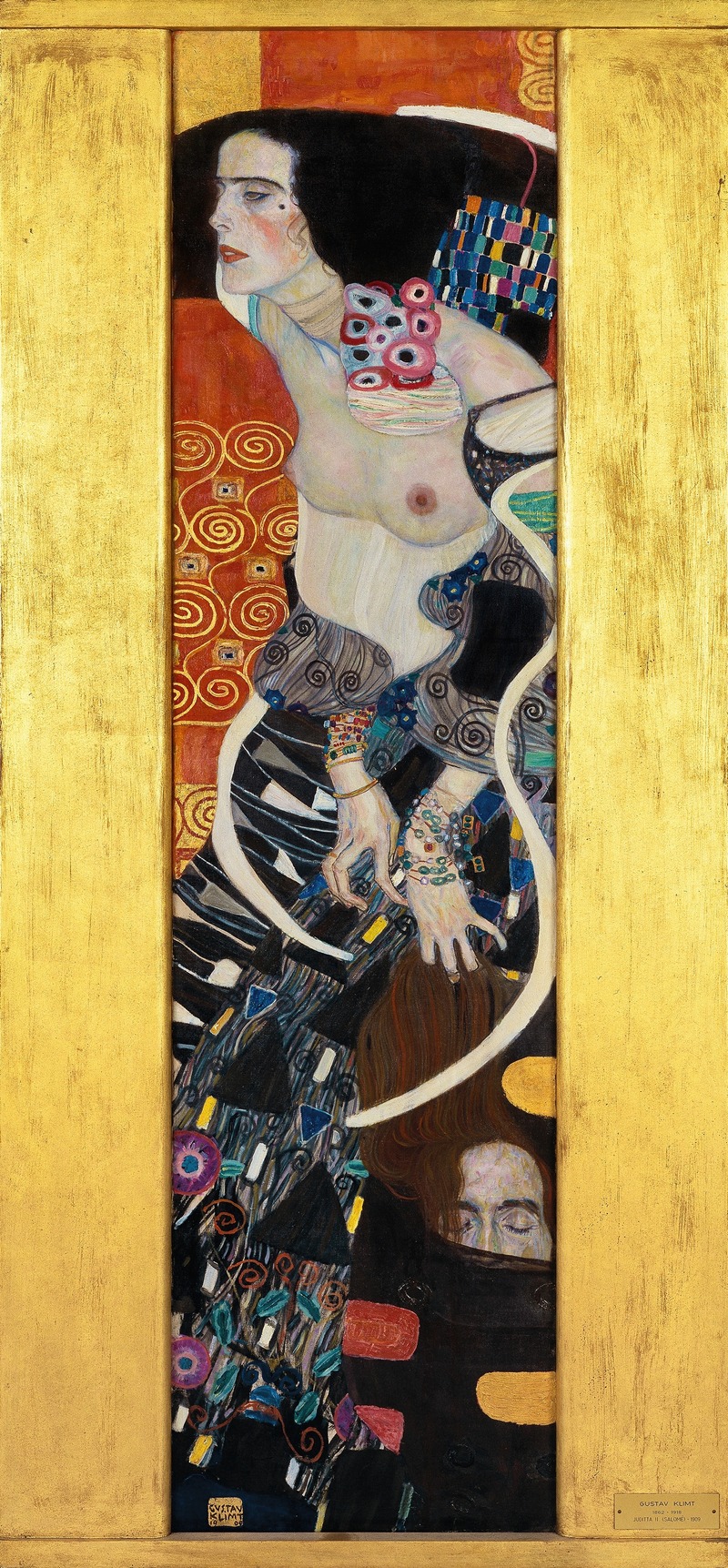
In Untitled, Paul Gauguin uses bold colors and dynamic forms to create a lively scene. The painting features figures that appear to be engaged in a communal activity, surrounded by a vibrant landscape. The palette is rich with yellows, greens, and blues, emphasizing the emotional intensity of the moment.
The composition draws the viewer's eye across the canvas, inviting them into the world Gauguin has created. This work is characterized by its use of oil on canvas, a medium that allows for rich texture and depth. Gauguin's brushwork is expressive, with thick strokes that add a sense of movement to the figures. The approximate dimensions of the painting are 80 x 100 cm, making it a substantial piece that commands attention.
The vibrant colors and forms are typical of Gauguin's Post-Impressionist style, which often sought to convey emotion through color. Untitled reflects Gauguin's interest in the cultures of the South Pacific, where he spent significant time. This period in his life greatly influenced his artistic style, leading him to explore themes of spirituality and community. An interesting fact about this work is that it exemplifies his departure from traditional representation, focusing instead on the emotional resonance of the colors and forms.
Gauguin's unique approach has made him a key figure in the Post-Impressionist movement.
More Artworks by Paul Gauguin
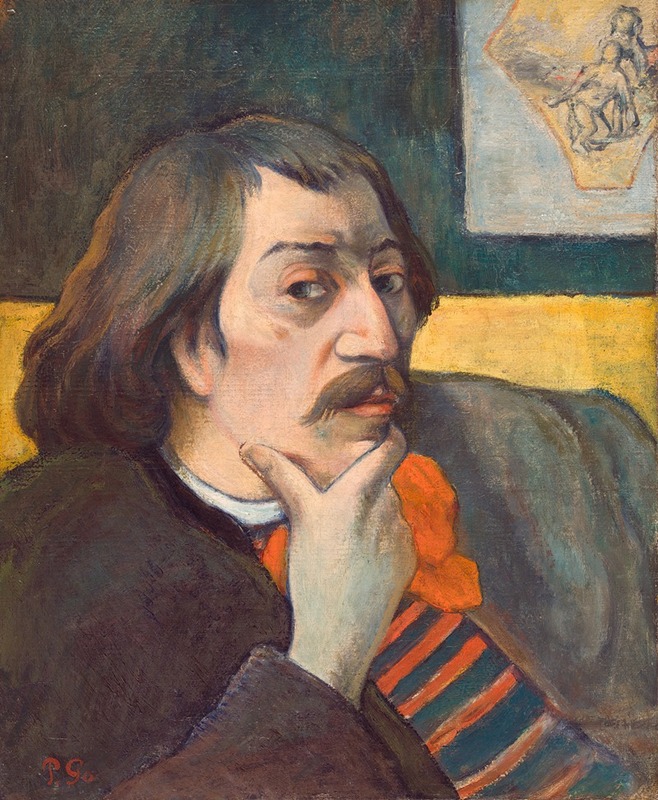
Self Portrait
Paul Gauguin
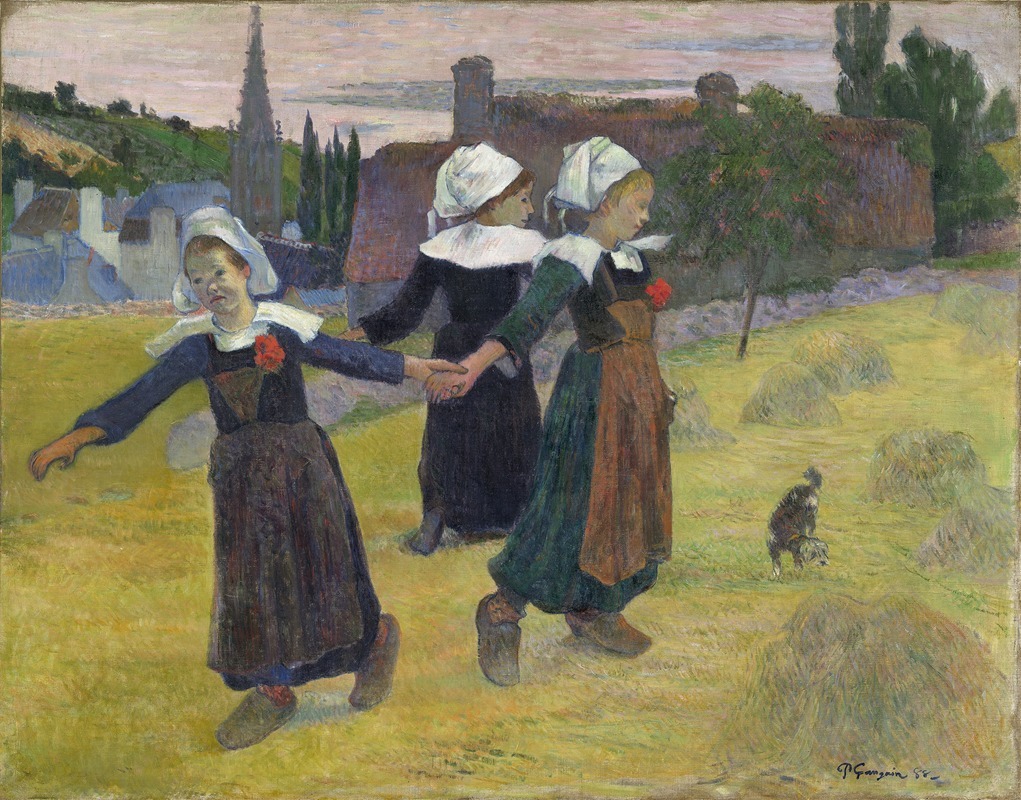
Breton Girls Dancing,Pont-Aven
Paul Gauguin
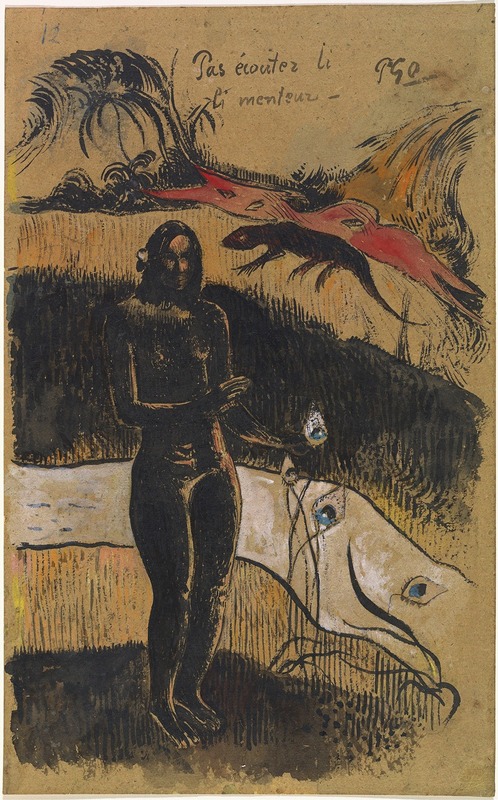
Nave Nave Fenua
Paul Gauguin
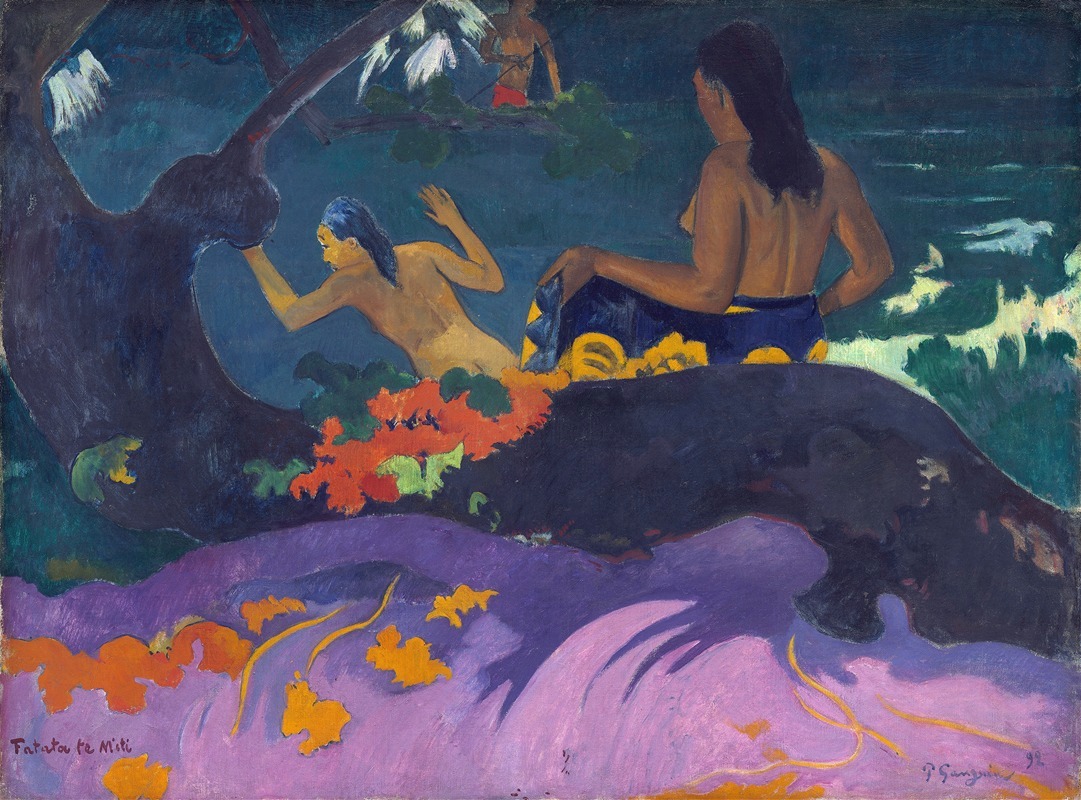
Fatata te Miti (By the Sea)
Paul Gauguin
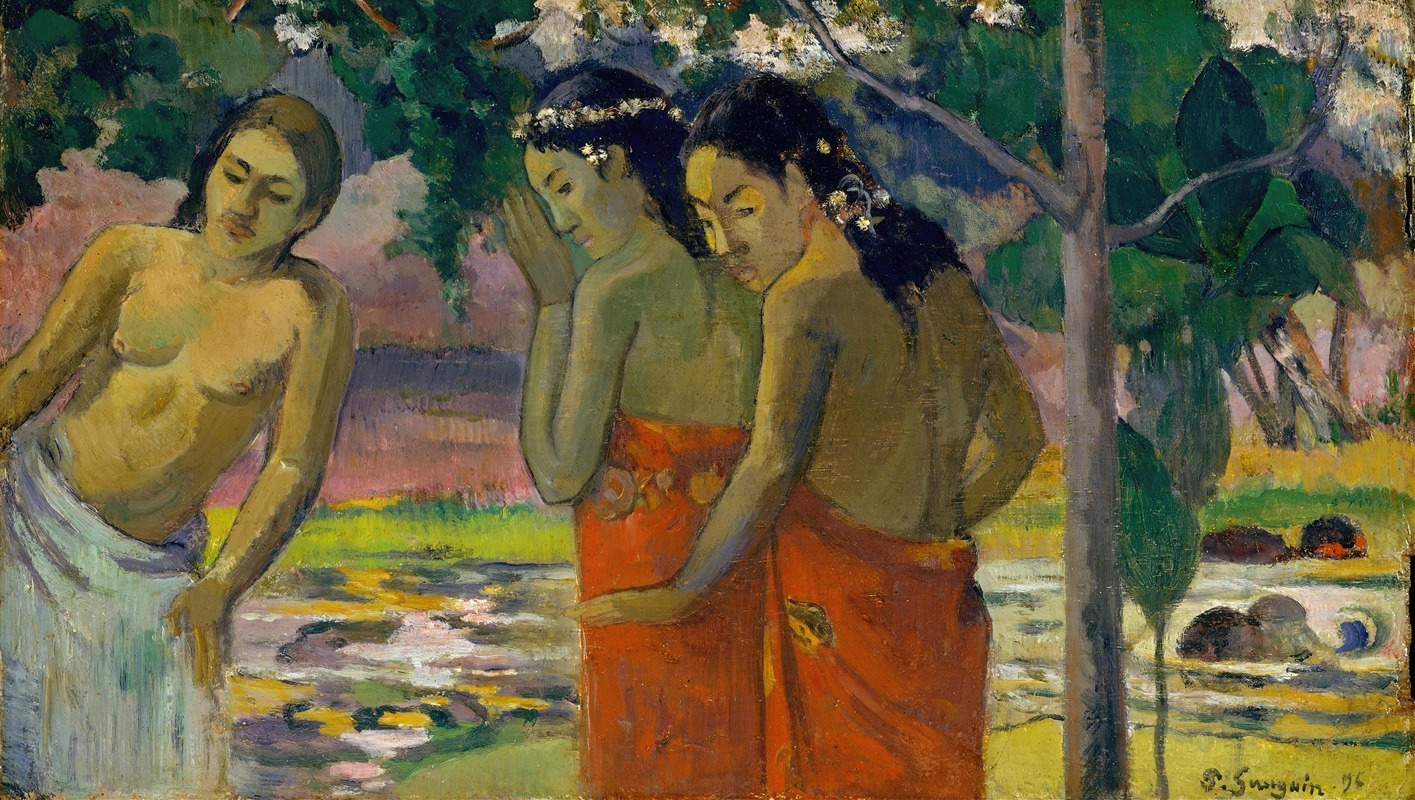
Three Tahitian Women
Paul Gauguin
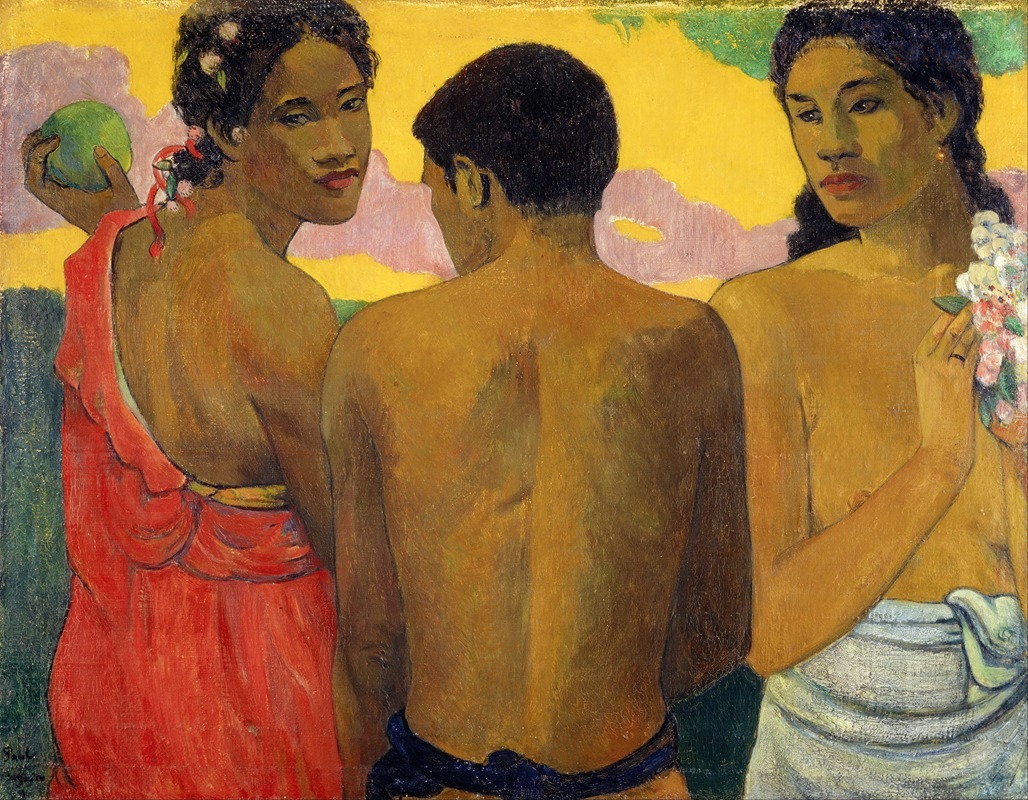
Three Tahitians
Paul Gauguin
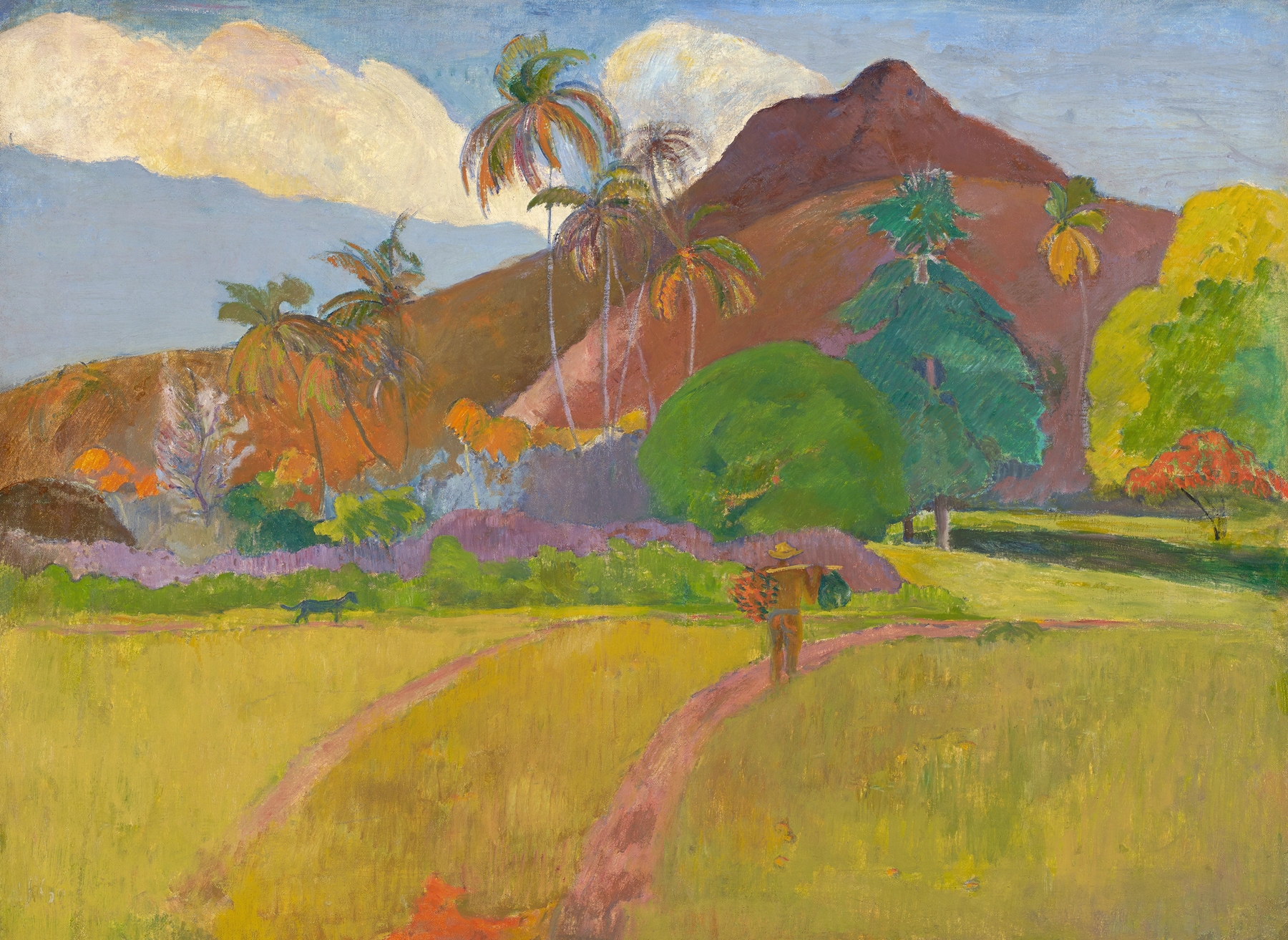
Tahitian Landscape
Paul Gauguin
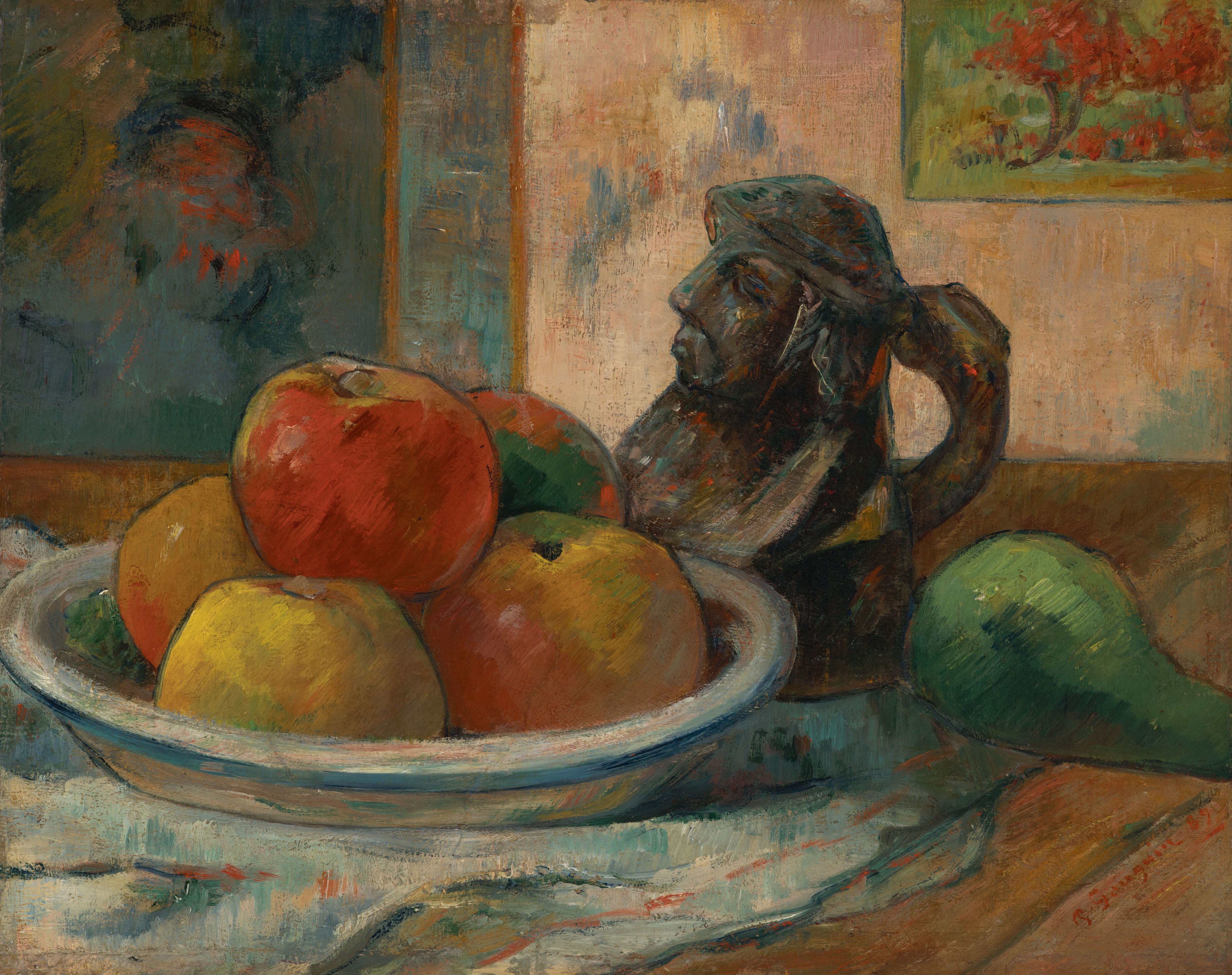
Still Life with Apples, a Pear, and a Ceramic Portrait Jug
Paul Gauguin
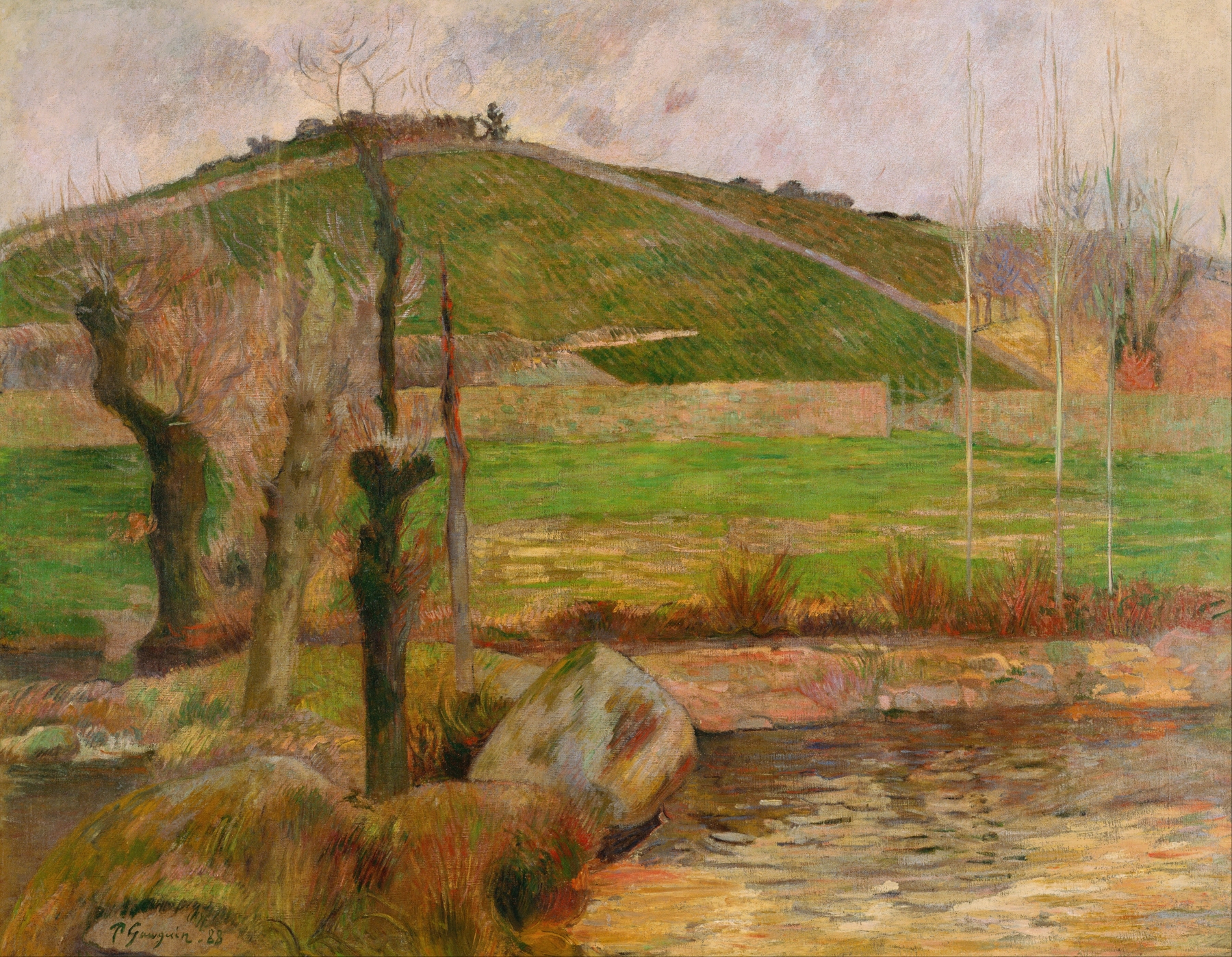
Landscape near Pont-Aven
Paul Gauguin

No te aha oe riri (Why Are You Angry?)
Paul Gauguin