Upon The Linth — History & Facts
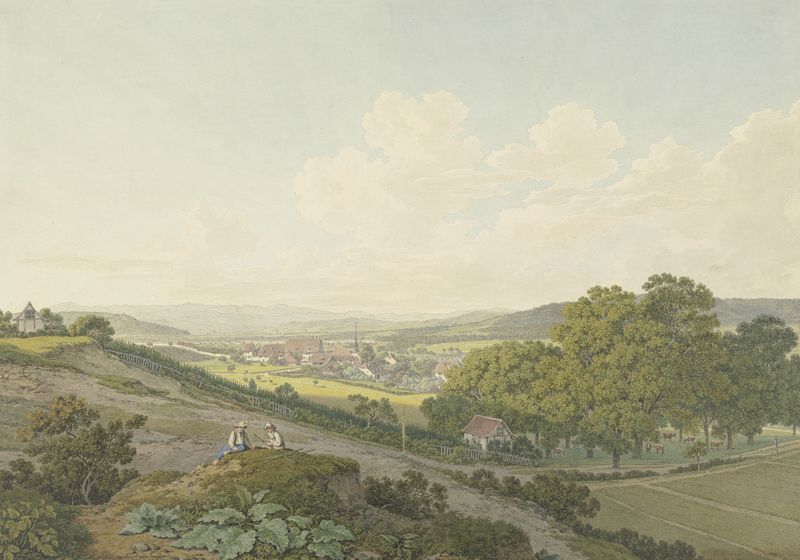
Could a single brushstroke hold eternity? In Upon The Linth, the essence of vastness and solitude is captured, inviting the viewer to ponder the weight of emptiness that sits at the heart of existence. Look to the horizon where gentle strokes define the distant mountains, their silhouettes softly merging into the pale sky. Notice how the muted blues and grays cradle the scene, allowing a quiet reflection on nature's grandeur. The canvas breathes with a delicate balance of light and shadow, imparting a sense of serenity that wraps around the viewer like a comforting shroud.
Each detail, from the wispy clouds to the tranquil waters, draws the eye to the quiet drama unfolding as the landscape invites contemplation. Hidden within the expanse lies a tension between the overwhelming beauty of nature and the profound solitude of the human spirit. The emptiness of the foreground starkly contrasts with the towering peaks, evoking feelings of both awe and introspection. The artwork speaks to the loneliness that can often accompany a deep connection to the world, suggesting that even in beauty, there exists a space for isolation and reflection. In 1778, John Robert Cozens created this piece during a time when the Romantic movement was beginning to take shape, emphasizing emotion and the sublime aspects of nature.
Living in England, Cozens was influenced by the picturesque landscapes he encountered, and his work reflects a growing fascination with the relationship between humanity and the natural world. This piece captures the delicate balance of emotional depth and technical mastery, marking a significant moment in his artistic evolution.
More Artworks by John Robert Cozens
Browse all →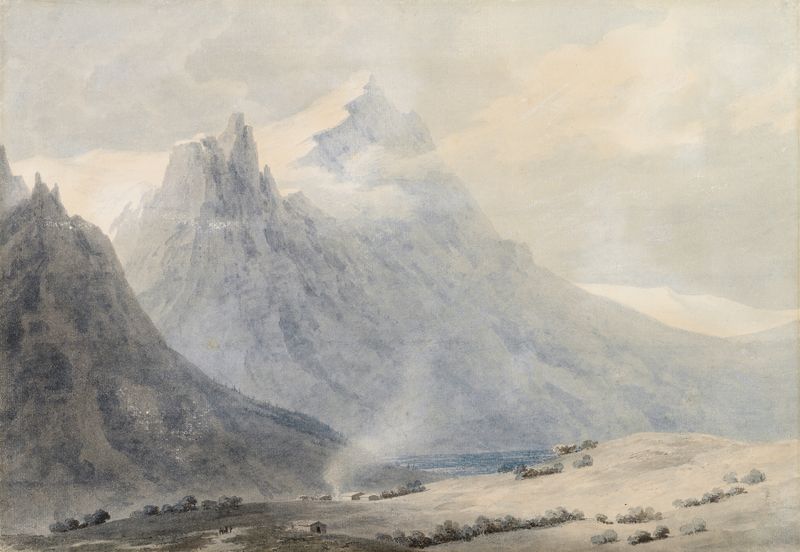
A Valley in the Unterwalden Canton, Switzerland
John Robert Cozens
On the Gulf of Salerno near Vietri
John Robert Cozens
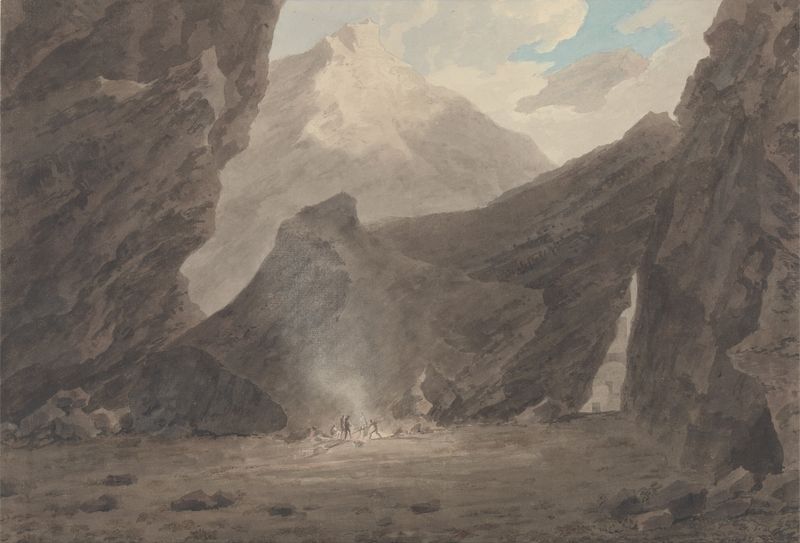
Near Chiavenna in the Grisons
John Robert Cozens
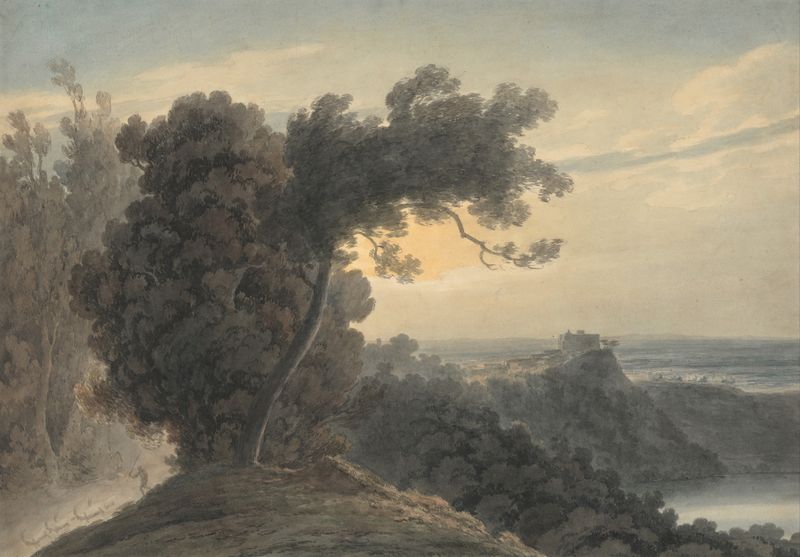
The Lake of Albano and Castel Gandolfo
John Robert Cozens
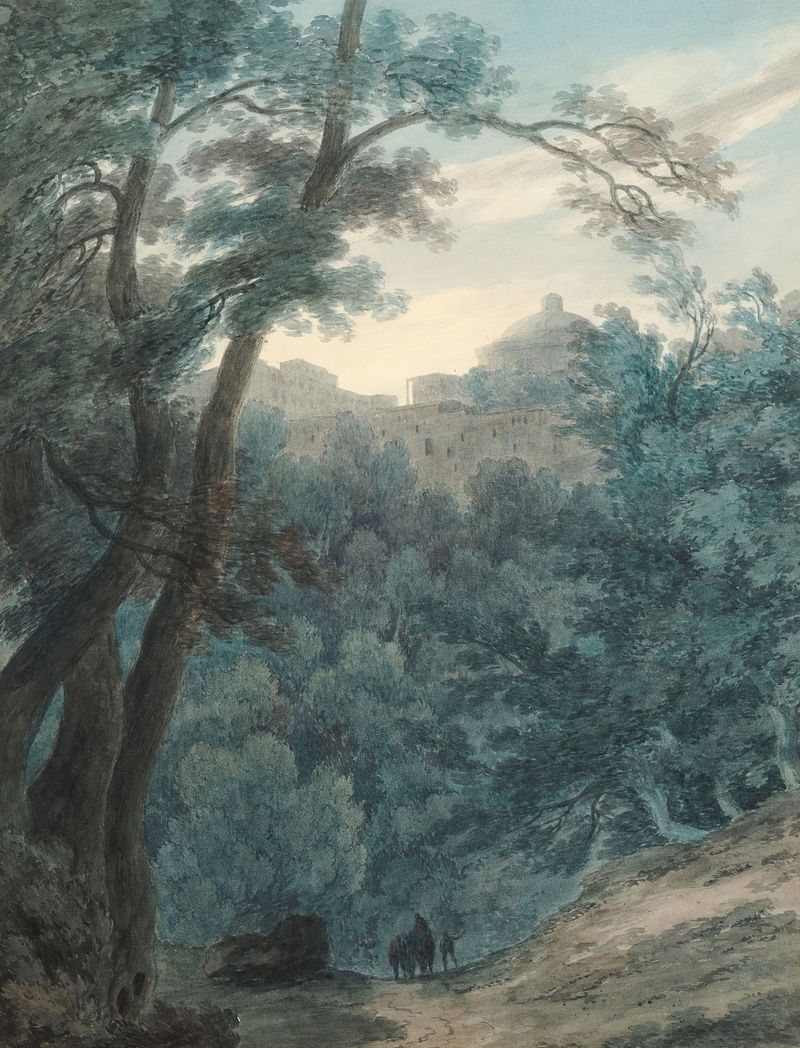
Ariccia (Wooded Landscape And Monastery)
John Robert Cozens
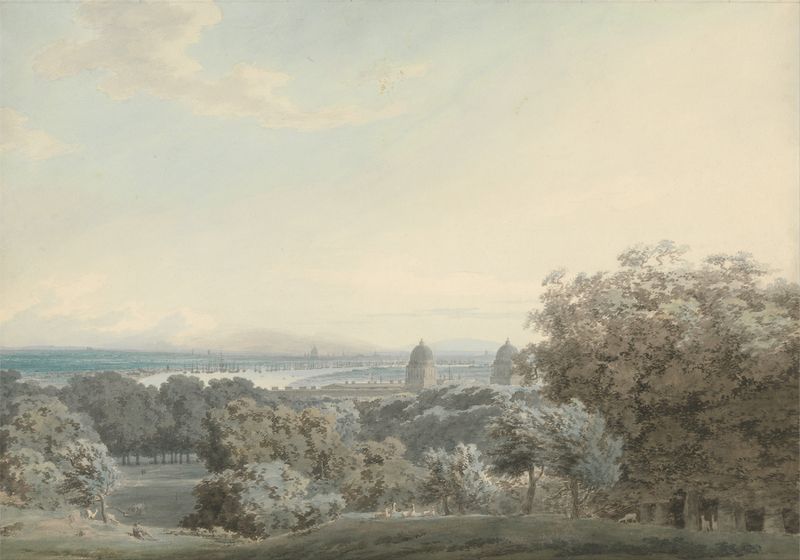
London from Greenwich Hill
John Robert Cozens
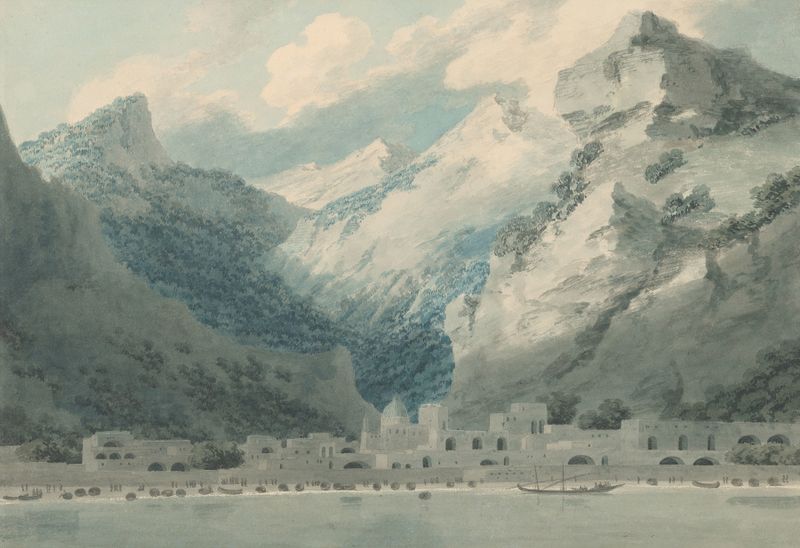
Cetara on the Gulf of Salerno
John Robert Cozens
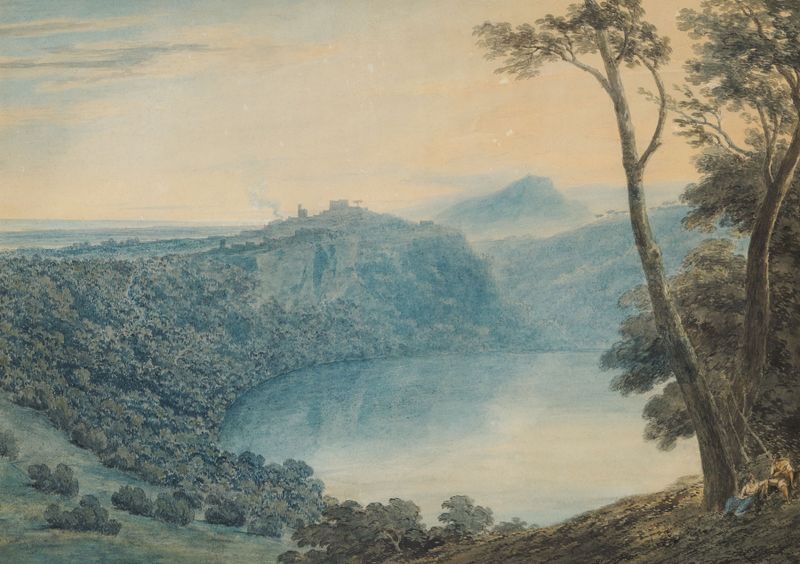
Lake Nemi And Town Of Genzano
John Robert Cozens
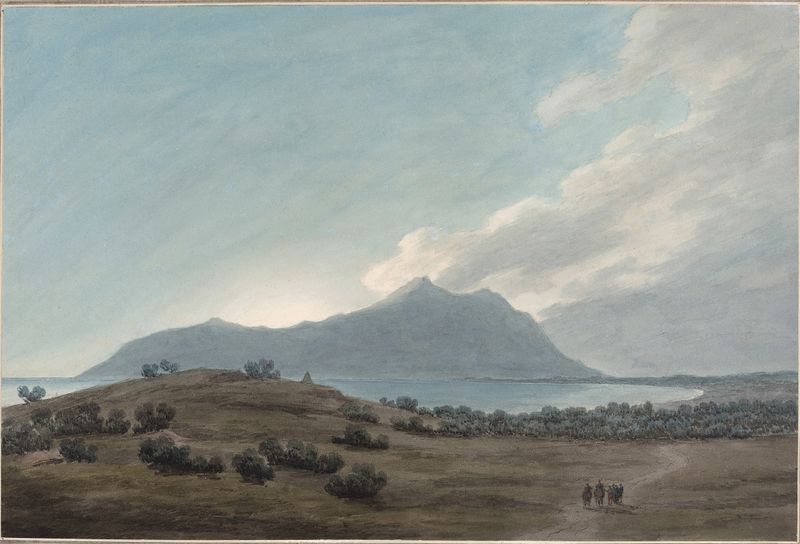
Monte Circeo at Sunset
John Robert Cozens
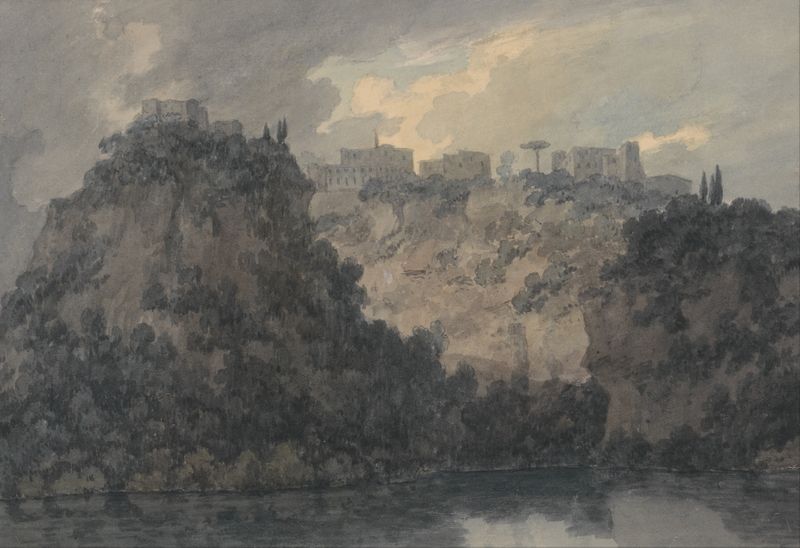
On the Lake of Nemi
John Robert Cozens